
 Save
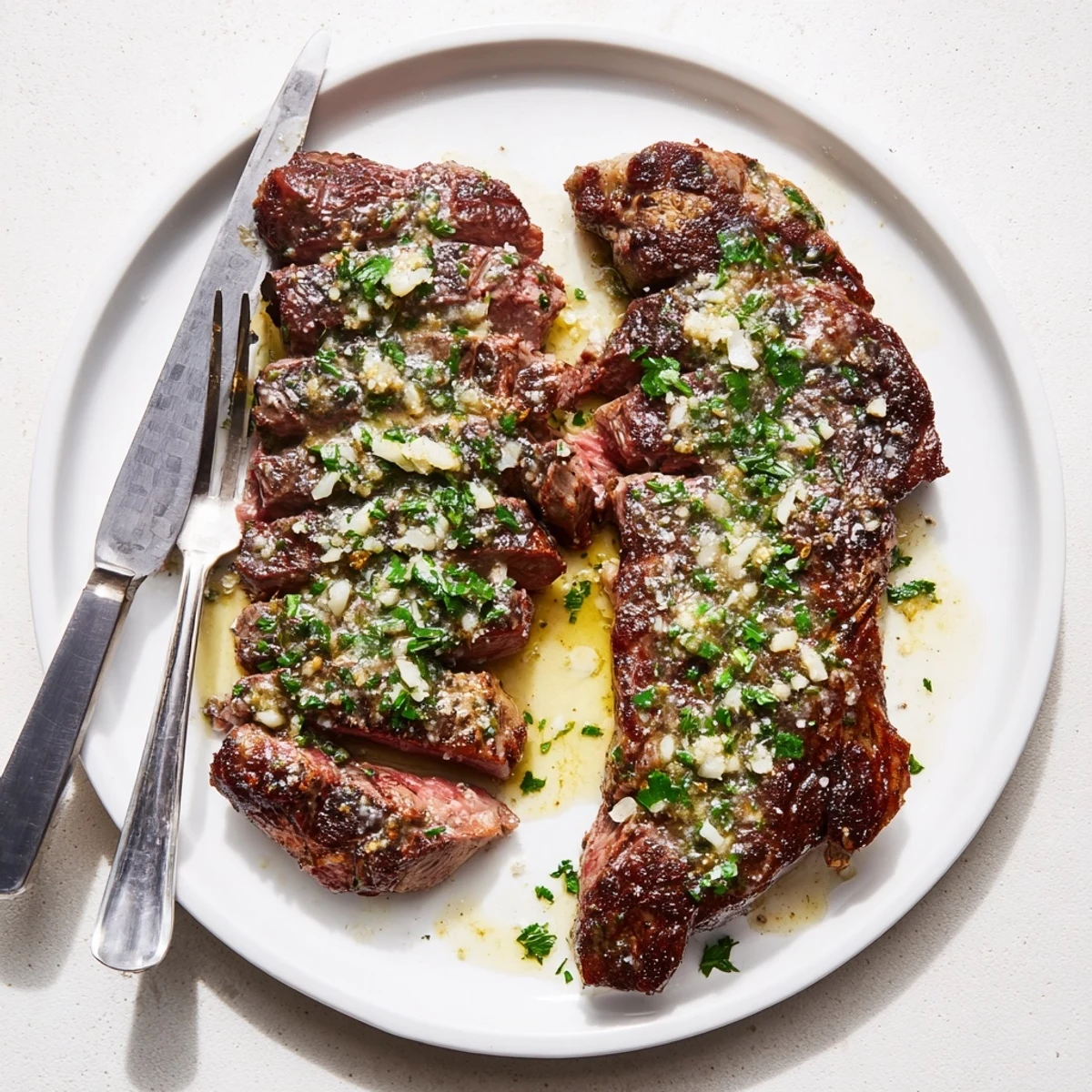
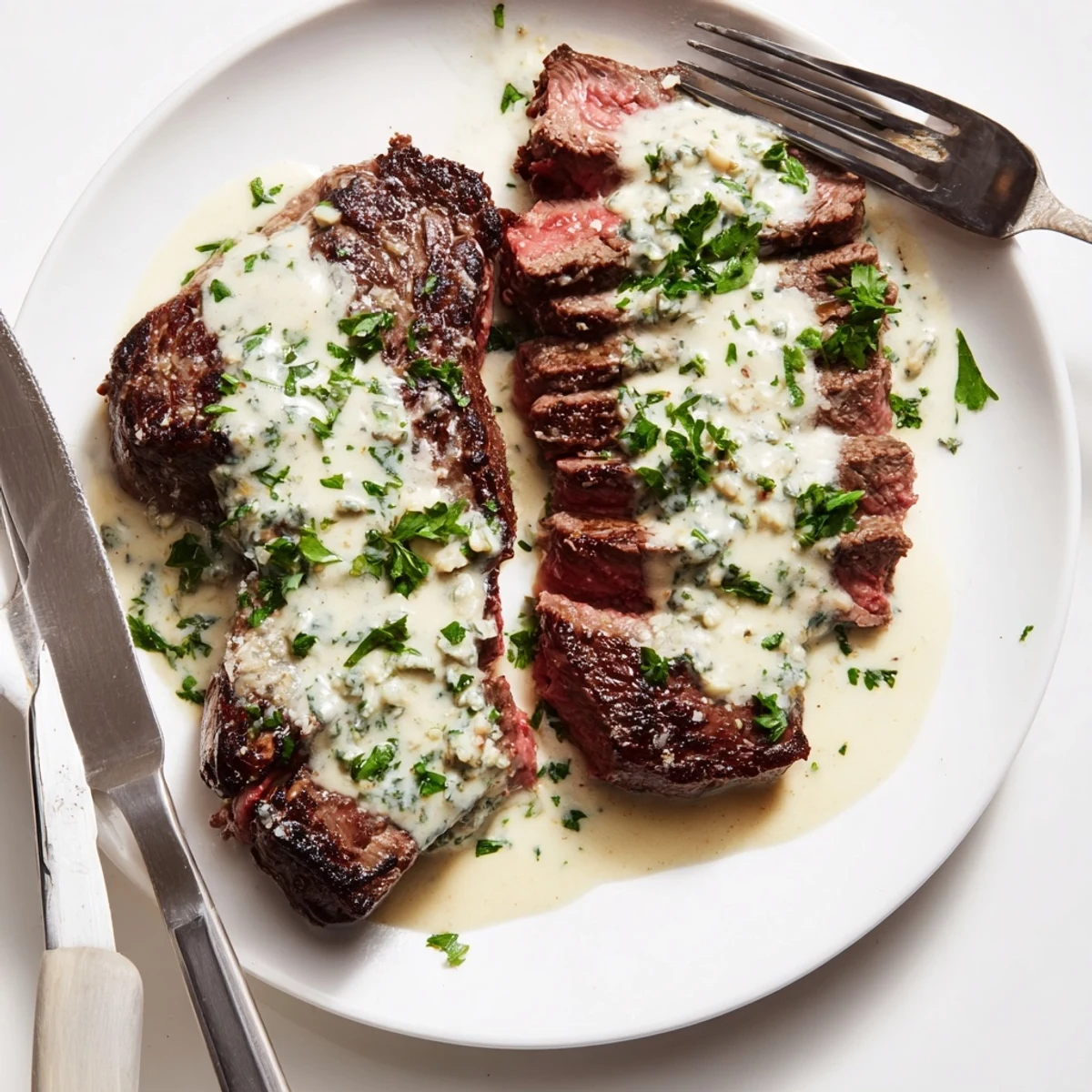
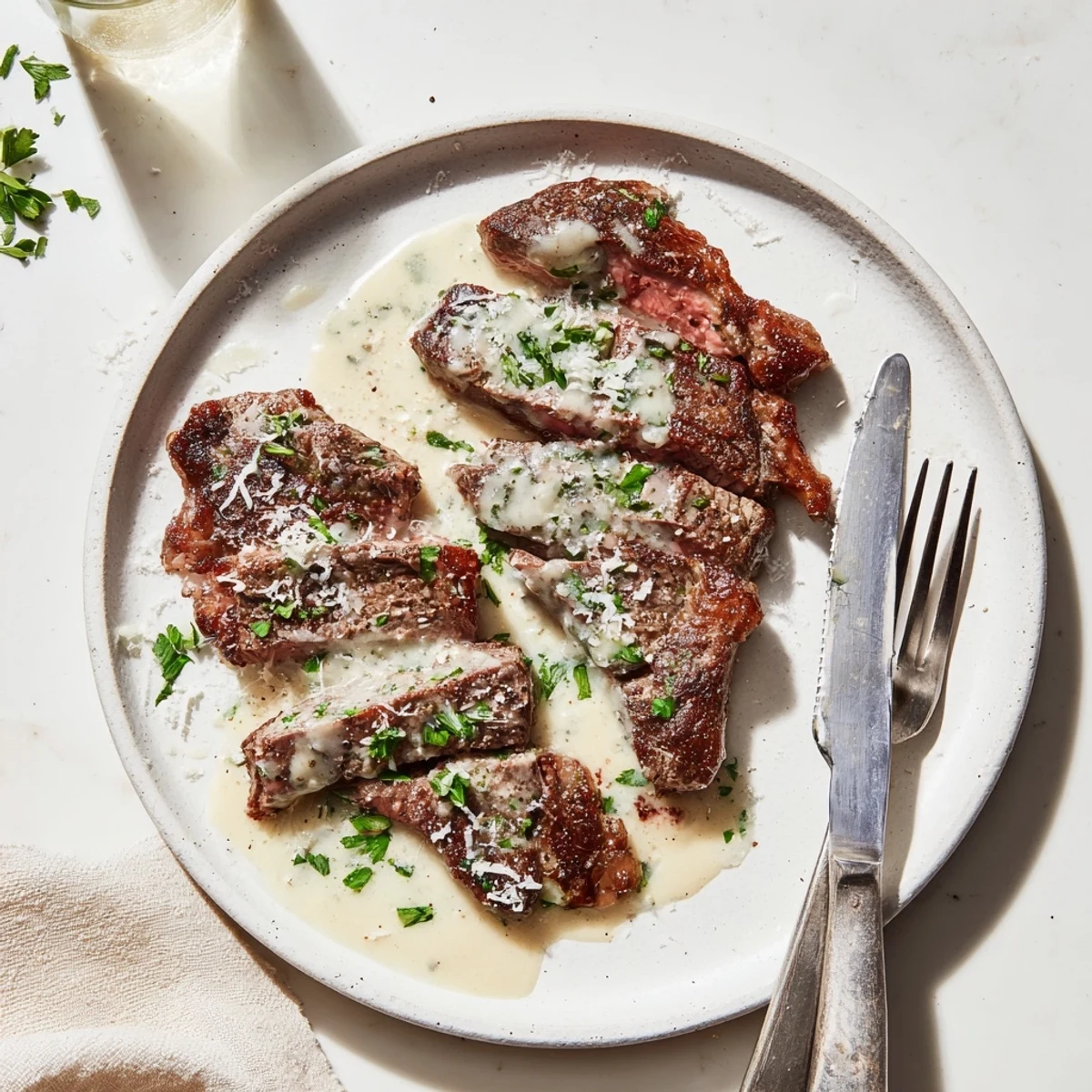
Save This succulent steak dish features perfectly seared ribeye steaks coated in a luxurious garlic cream sauce. The steaks develop a beautiful caramelized crust while staying tender and juicy inside. The velvety sauce combines heavy cream, butter, garlic, Dijon mustard, and Parmesan for an incredibly rich finish that elevates the entire dish.
Ready in just 30 minutes, this elegant main course is perfect for impressing dinner guests or adding restaurant-quality flair to your weeknight rotation. The sauce comes together quickly in the same pan, capturing all those delicious browned bits from searing the steaks for maximum flavor.
The first time I made steak at home, I was terrified of ruining an expensive cut of meat. I stood over my cast iron skillet like a hawk, convinced the moment I looked away everything would go wrong. That steak turned out decent enough, but it wasn't until I learned about building a pan sauce in the same skillet that something magical happened. Now I actually look forward to those browned bits stuck to the bottom of the pan.
Last winter my partner came home from a brutal week at work, exhausted and barely speaking. I pulled two ribeyes from the fridge, seasoned them simply, and let them come to room temperature while I caught up on dishes. Something about the rhythm of searing meat, then building that creamy sauce in the same pan, felt incredibly grounding. We ate at the counter instead of the dining table, and I've never seen a stressful week melt away so fast.
Ingredients
- Ribeye steaks: Choose cuts with good marbling, about 1 inch thick for the best sear-to-center ratio
- Olive oil: Helps create that beautiful crust without burning at high heat
- Kosher salt: Use generously, it's what creates that flavorful exterior crust
- Freshly ground black pepper: Grind it right before seasoning for maximum aroma
- Unsalted butter: Essential for the sauce base, control the salt yourself
- Garlic cloves: Fresh minced garlic beats jarred every time for this sauce
- Heavy cream: The backbone of that velvety texture
- Beef broth: Use it to deglaze and capture all those pan drippings
- Dijon mustard: Adds just enough tang to cut through the richness
- Parmesan cheese: Grate it fresh for the best melt and flavor
- Fresh parsley: Brings brightness and color to an otherwise rich dish
Instructions
- Bring steaks to room temperature:
- Remove steaks from the fridge 30 minutes before cooking and pat them thoroughly dry with paper towels
- Season generously:
- Sprinkle salt and pepper on both sides, pressing gently to help it adhere
- Get the pan screaming hot:
- Heat olive oil in a large skillet over high heat until it shimmers and dances slightly
- Sear to perfection:
- Lay steaks carefully in the pan and cook for 3 to 4 minutes per side for medium-rare, adjusting for your preferred doneness
- Rest the meat:
- Transfer steaks to a plate and cover loosely with foil while you build the sauce
- Start the sauce base:
- Reduce heat to medium, add butter to the same skillet, and sauté minced garlic for about 1 minute until fragrant
- De deglaze the pan:
- Pour in beef broth and scrape up all those flavorful browned bits from the bottom
- Add the cream:
- Stir in heavy cream and bring to a gentle simmer, letting it thicken slightly
- Finish with flavor:
- Whisk in Dijon mustard and Parmesan until smooth, then stir in parsley and season to taste
- Slice and serve:
- Cut the rested steaks against the grain and drizzle that luscious sauce right over the top
 Save
Save My dad always said steak was a special occasion food, reserved for birthdays or celebrations. Then I realized I could make restaurant worthy steak at home for a fraction of the price, and suddenly Tuesday night felt worth celebrating. Sometimes the best occasions are the ones we create for no reason at all.
Choosing the Right Cut
I've learned that ribeye offers the best balance of flavor and tenderness for this recipe, thanks to all that beautiful fat marbling. Strip steaks work beautifully too, though they're slightly leaner. Filet mignon is incredibly tender but can use the extra richness from the sauce.
Getting That Perfect Sear
The key is patience once the steak hits the pan, let it develop a crust before flipping. I used to poke and prod constantly, which only lowers the pan temperature and prevents proper browning. Trust the process and resist the urge to move the meat around.
Sauce Secrets
That sauce is essentially a quick pan sauce elevated with cream and cheese, and it's what transforms this from good to unforgettable. I've found that reducing the broth for an extra minute before adding the cream concentrates all those beefy flavors.
- Don't let the garlic brown or it'll turn bitter
- Grate your own Parmesan, pre grated doesn't melt as smoothly
- The sauce will thicken slightly as it stands off the heat
 Save
Save There's something deeply satisfying about transforming a few humble ingredients into something this special. I hope this recipe finds its way into your regular rotation, just as it has in mine.
Recipe FAQs
- → What cut of steak works best?
-
Ribeye or strip steaks are ideal choices due to their marbling and tenderness. Filet mignon and sirloin also work beautifully with this preparation.
- → How do I know when the steak is done?
-
Use a meat thermometer or press the steak with your finger. Medium-rare registers 130-135°F internally and feels slightly firm but springy.
- → Can I make the sauce ahead of time?
-
The sauce is best made fresh while the steaks rest, but you can prepare the garlic and measure ingredients beforehand to streamline cooking.
- → What sides pair well with this dish?
-
Roasted potatoes, steamed vegetables, or a crisp green salad complement the rich flavors beautifully. Mashed potatoes also work wonderfully.
- → Is this dish gluten-free?
-
Yes, this preparation is naturally gluten-free when using verified gluten-free beef broth and Dijon mustard. Always check labels to confirm.