
 Save
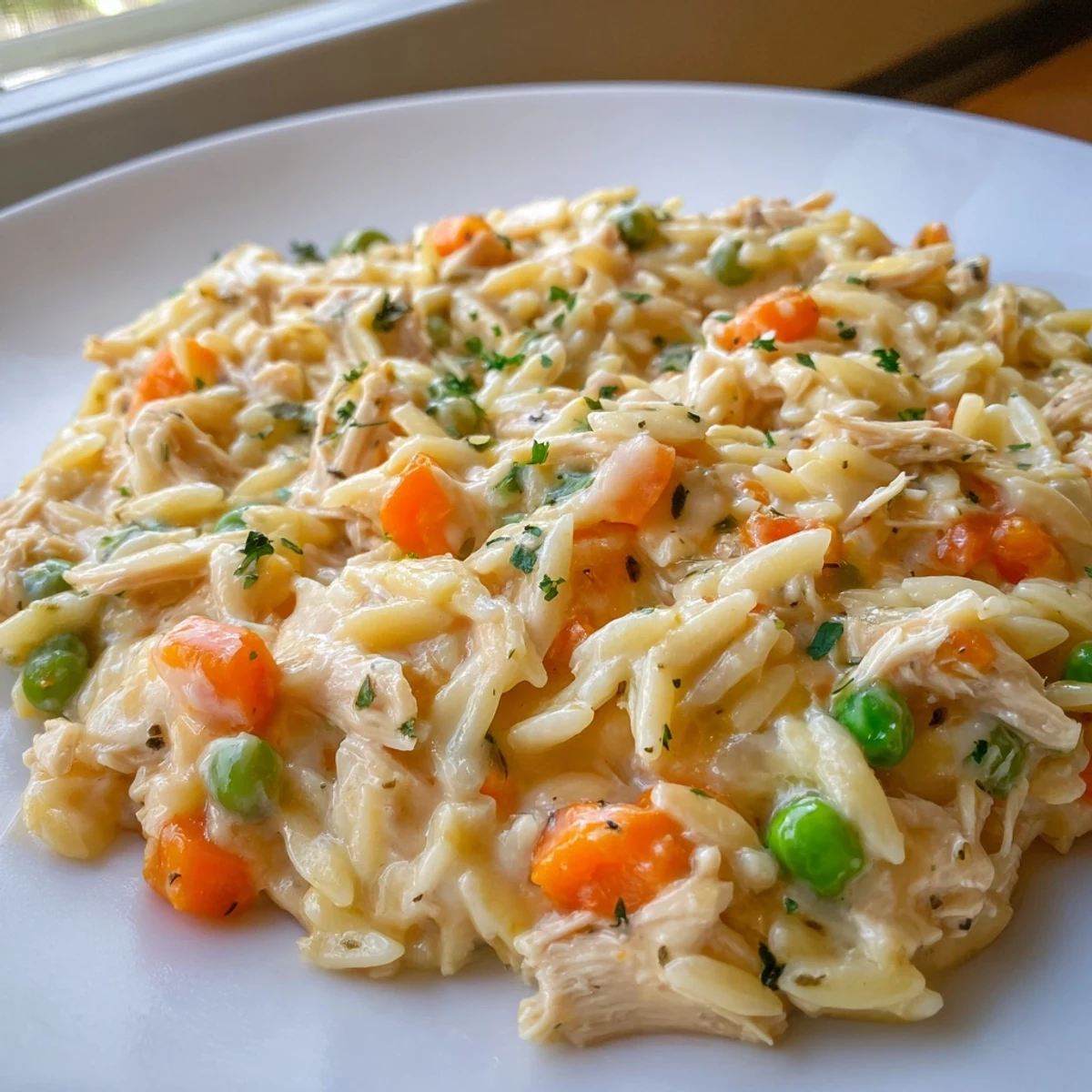
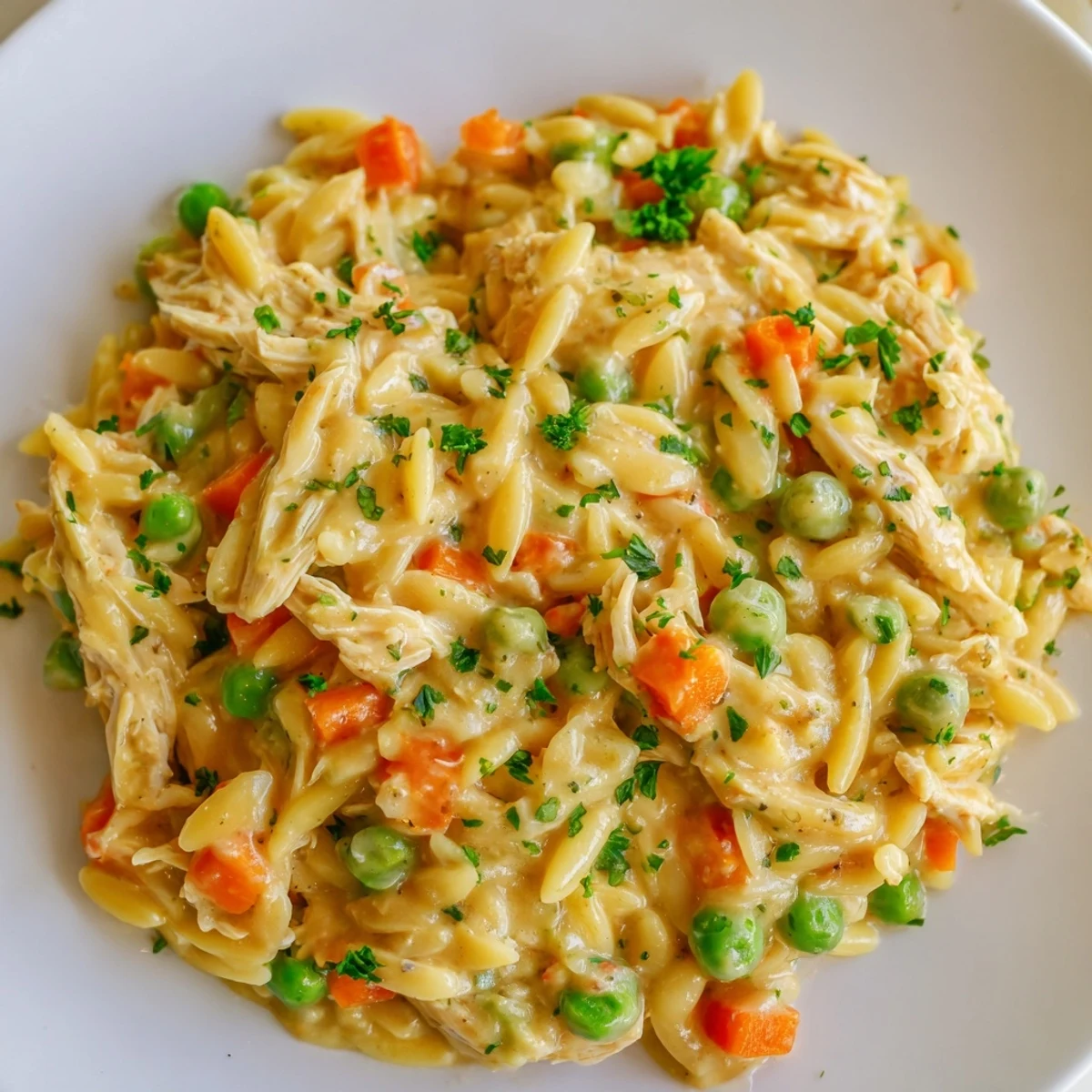
Save This creamy chicken pot pie orzo transforms classic comfort food into an effortless one-pot meal. Tender diced chicken, carrots, celery, and peas simmer with orzo pasta in a rich, velvety sauce made from chicken broth, whole milk, and heavy cream.
Ready in just 45 minutes with 15 minutes of prep, it's perfect for busy weeknights when you crave something warm and satisfying. The orzo cooks directly in the sauce, absorbing all the savory flavors while creating its own luscious thickening.
Garnished with fresh parsley, this dish delivers all the comforting flavors of traditional chicken pot pie in a streamlined, spoonable form.
The rain was hammering against the kitchen window and I had a cold, picked apart rotisserie chicken sitting in the fridge staring me down. Pot pie felt too fussy for a weeknight, but the craving for something creamy and deeply comforting would not leave me alone. Orzo, I decided, was the shortcut my tired brain needed. Forty five minutes later I was slurping this from a bowl on the couch, wondering why I had ever bothered with pie crust at all.
My neighbor stopped by unexpectedly the second time I made this, drawn in by the smell of thyme and butter drifting through the hallway. I handed her a bowl without asking if she was hungry, and she stood in my kitchen eating it in silence for a full three minutes before saying a word. That sealed it. This dish became my default gesture for anyone who showed up at my door needing a little warmth.
Ingredients
- 2 cups cooked chicken breast, diced or shredded: Rotisserie chicken is your best friend here, but any leftover cooked chicken works perfectly and saves time.
- 1 cup carrots, diced: Small uniform dice ensures they soften at the same rate as the celery.
- 1 cup frozen peas: Added at the end so they keep their bright color and gentle pop.
- 1 cup celery, diced: Gives the dish its signature pot pie crunch and subtle herbal backbone.
- 1 small onion, finely chopped: Yellow or white onion melts into the sauce and builds a sweet foundation.
- 2 cloves garlic, minced: Fresh garlic makes a noticeable difference here since the cooking time is brief.
- 1 1/2 cups orzo pasta: The little rice shaped pasta thickens the sauce as it cooks, creating its own silky texture.
- 3 cups low sodium chicken broth: Low sodium lets you control the salt level throughout the cooking process.
- 1 cup whole milk: Whole milk provides creaminess without making the dish overly heavy.
- 1/2 cup heavy cream: Stirred in at the end for a luxurious finishing touch that ties everything together.
- 2 tbsp unsalted butter: The starting point for building flavor and creating the roux that thickens the sauce.
- 2 tbsp all purpose flour: Coats the vegetables and forms the base of a gravy like sauce when combined with broth.
- 1/2 tsp dried thyme: Thyme is the quiet hero that gives this dish its unmistakable pot pie personality.
- 1/2 tsp dried parsley plus extra for garnish: A humble herb that adds a clean, fresh note to balance the richness.
- 1/4 tsp black pepper: Freshly cracked is always better, especially in a creamy sauce where it can really shine.
- 1/2 tsp salt or to taste: Start with half a teaspoon and adjust at the end after the sauce has fully come together.
Instructions
- Melt and soften:
- Melt the butter in a large pot or deep skillet over medium heat, then add the onions, carrots, and celery. Sauté for about five minutes, stirring occasionally, until the vegetables soften and the onions turn translucent and fragrant.
- Wake up the garlic:
- Stir in the minced garlic and cook for just one minute until you can smell it blooming in the butter. Watch closely because garlic can go from golden to bitter in seconds.
- Build the roux:
- Sprinkle the flour over the vegetables and stir until everything is evenly coated. Let it cook for one minute to toast away the raw flour taste, which makes all the difference in the final sauce.
- Add the liquids:
- Slowly pour in the chicken broth while whisking constantly to prevent lumps, then add the milk. Bring everything to a gentle simmer, stirring the whole time so the sauce starts to thicken smoothly.
- Cook the orzo:
- Stir in the orzo, thyme, parsley, salt, and pepper, then reduce the heat to medium low. Let it simmer uncovered for ten to twelve minutes, stirring every couple of minutes so the orzo does not stick to the bottom, until the pasta is tender and the sauce coats it like velvet.
- Finish with cream and chicken:
- Pour in the heavy cream, add the cooked chicken and frozen peas, and stir gently to combine. Simmer for three to five more minutes until the chicken is warmed through, the peas are tender, and everything looks impossibly creamy.
- Rest and serve:
- Take the pot off the heat and let it sit for two to three minutes so the sauce can settle and thicken. Ladle into warm bowls, scatter with extra parsley, and serve immediately while it is still steaming.
 Save
Save There is something about a bowl of creamy, chicken studded orzo that turns an ordinary Tuesday into a small event worth savoring.
Making It Your Own
This recipe is wonderfully flexible once you understand the basic structure. Try swapping the chicken for leftover Thanksgiving turkey and it instantly becomes the best post holiday meal in your rotation. You can also replace the fresh vegetables with a bag of frozen mixed vegetables when time is short, and the result is still deeply satisfying.
Getting The Sauce Right
The roux step is where people tend to rush, and it shows in the final dish. Taking that single minute to cook the flour in butter before adding liquids eliminates the chalky taste that ruins so many homemade cream sauces. Whisking while you pour in the broth takes patience but guarantees a smooth, lump free sauce that coats every piece of orzo evenly.
Serving And Storing Like A Pro
This dish thickens considerably as it cools, so if you have leftovers, add a splash of broth or milk when reheating to bring back that silky consistency. Store it in an airtight container in the refrigerator for up to three days, though it rarely lasts that long in my house. A handful of suggestions for the road:
- Top each bowl with buttery cracker crumbs or crushed Ritz crackers for a nostalgic pot pie crunch.
- A squeeze of lemon juice right before serving cuts through the richness in the most pleasant way.
- Always taste for salt at the very end because the chicken and broth you use will vary in sodium content.
 Save
Save Some recipes earn a permanent spot in your rotation not because they are impressive, but because they make an ordinary evening feel a little more cared for. Keep this one close, and it will never let you down.
Recipe FAQs
- → Can I use rotisserie chicken for this dish?
-
Yes, rotisserie chicken works perfectly and saves time. Simply shred or dice about 2 cups of meat from a store-bought rotisserie chicken and add it during the final simmering step as directed.
- → What can I substitute for orzo pasta?
-
Small pasta shapes like ditalini, acini di pepe, or small shells work well as substitutes. You could also try rice-shaped couscous. Keep in mind cooking times may vary slightly depending on the pasta you choose.
- → How do I store and reheat leftovers?
-
Store leftovers in an airtight container in the refrigerator for up to 3 days. When reheating, add a splash of chicken broth or milk to loosen the sauce, as it will thicken considerably when chilled. Reheat gently on the stovetop or in the microwave.
- → Can I make this dish ahead of time?
-
You can prep the vegetables and cook the chicken in advance. However, the orzo is best cooked fresh, as it continues to absorb liquid and can become mushy when stored. Assemble and cook the full dish when you're ready to serve for the best texture.
- → How can I make this gluten-free?
-
Use gluten-free orzo pasta and replace the all-purpose flour with a gluten-free flour blend or cornstarch slurry (1 tablespoon cornstarch mixed with 1 tablespoon cold water). Everything else in the dish is naturally gluten-free.
- → Why is my orzo sticking to the bottom of the pot?
-
Orzo tends to settle and stick during cooking. Stir frequently, especially during the simmering phase, and keep the heat at medium-low rather than high. Using a heavy-bottomed pot also helps distribute heat more evenly and prevents hot spots.