
 Save
Save This winter squash dish combines peeled butternut squash and diced apples simmered with fresh grated ginger, onion, and garlic. Aromatic spices like cinnamon and nutmeg add warmth, while vegetable broth creates a smooth base. Blended to a velvety consistency and optionally enriched with cream or coconut milk, it’s light, comforting, and perfect for cold weather. Seasoned with lemon juice, salt, and pepper, it’s a cozy option suitable for vegetarian and gluten-free diets. Serve warm and garnish as desired for added texture and flavor.
I discovered this soup on a gray November afternoon when my kitchen smelled like wet leaves and cold coming through the windows. A friend had dropped off a butternut squash from their garden, and I had half an apple left in the crisper drawer that was just starting to wrinkle. Something about those two ingredients sitting together made me think they belonged in the same pot, and when I added the ginger, the whole kitchen suddenly felt warmer.
The first time I made this for someone else, my neighbor came over on an unexpectedly cold evening, and I ladled it into mismatched bowls because I wasn't expecting company. She went quiet after the first spoonful, and then she asked if I'd made it from scratch. That moment taught me that sometimes the simplest things, made with intention, are exactly what people need.
Ingredients
- Butternut squash: The base of this whole thing—buy one that feels heavy for its size, with no soft spots, and don't stress about peeling if you have a good vegetable peeler and a little patience.
- Apples: Granny Smith keeps their structure and brings tartness, but honestly any crisp apple works if it's what you have on hand.
- Yellow onion: The foundation that no one talks about but everything depends on—let it get golden and soft before moving forward.
- Garlic and ginger: These two together are magic; fresh ginger makes all the difference, not the pre-minced kind in a jar.
- Vegetable broth: Use the good stuff you'd actually drink on its own, because it becomes the soul of the soup.
- Heavy cream or coconut milk: This is optional but transforms the soup from nice to luxurious; if you skip it, add a touch more lemon juice instead.
- Olive oil: Not the fancy bottle, just something you trust to cook with.
- Cinnamon and nutmeg: A whisper of each, not a shout—these spices should make people wonder what they're tasting, not announce themselves.
- Salt, pepper, and lemon juice: The final adjustments that wake everything up and remind you why seasoning at the end matters.
Instructions
- Start with the onion:
- Heat the olive oil over medium heat and let the onion soften slowly, about 3 to 4 minutes. You want it translucent and starting to turn gold at the edges, releasing that sweet, mellow flavor.
- Build the flavor base:
- Add the garlic and ginger, stirring constantly for just a minute until the kitchen fills with that sharp, clean smell. If you wait too long, garlic burns and tastes bitter, so don't walk away.
- Add the squash and apples:
- Toss them into the pot with the aromatics and let them cook for about 5 minutes, stirring now and then. This gentle sauté helps everything get to know each other before the liquid goes in.
- Season with warmth:
- Sprinkle in the cinnamon and nutmeg, stirring so every piece gets coated. The heat will wake up the spices and release their oils.
- Bring it all together:
- Pour in the broth and water, bring it to a rolling boil, then lower the heat, cover it, and let it simmer for 20 to 25 minutes. The squash will break down completely, and the apples will almost disappear into the liquid.
- Blend until silky:
- Use an immersion blender right in the pot, moving it around until there are no lumps left and the soup looks like velvety cream. If you're using a countertop blender, do it in batches and be careful—hot soup splatters.
- Finish with cream and brightness:
- Stir in the cream or coconut milk if you're using it, then taste and adjust with salt, pepper, and lemon juice. The lemon is crucial; it cuts through the richness and brings everything into focus.
- Serve with intention:
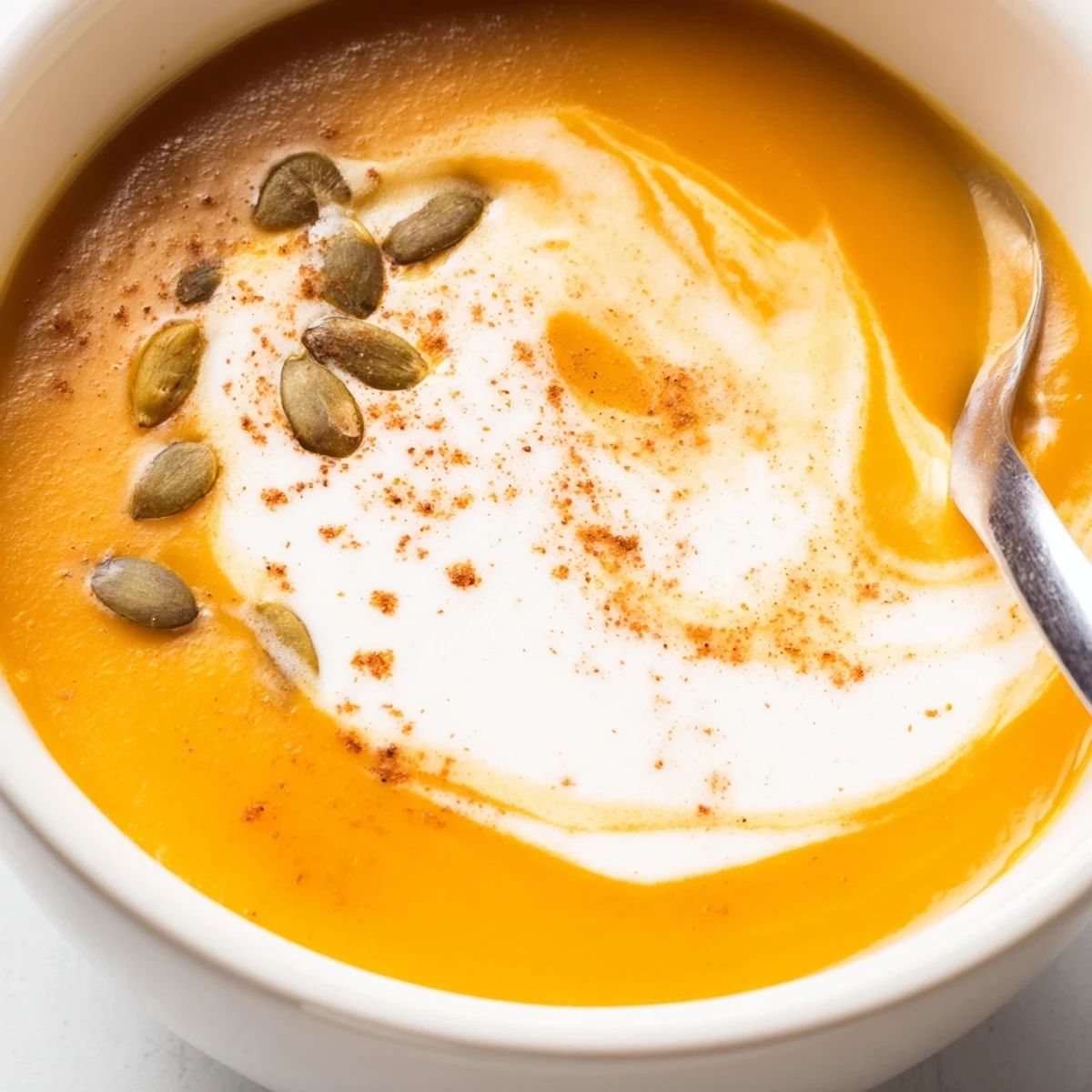
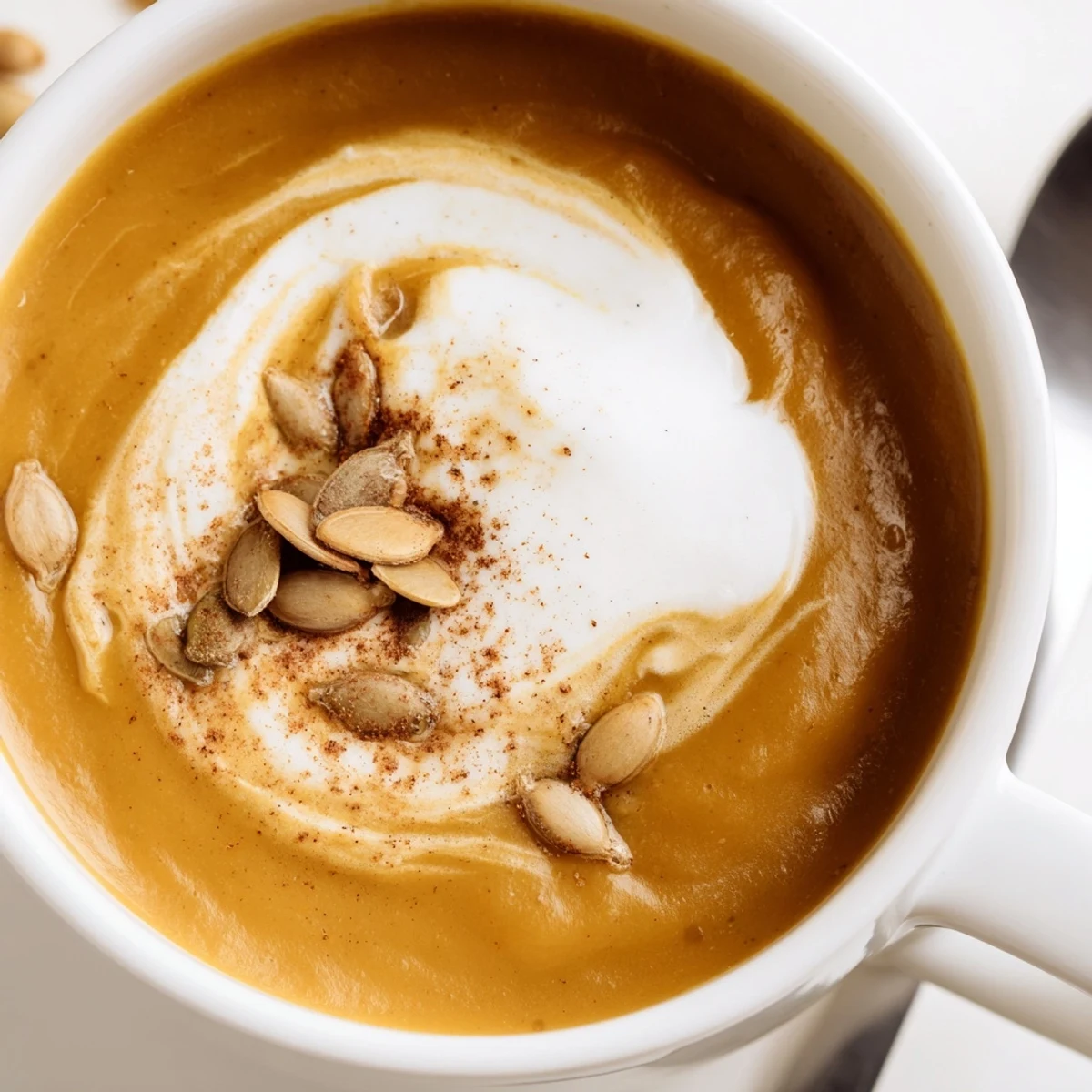
- Ladle it into bowls and top with a drizzle of cream, a pinch of cinnamon, or some toasted pumpkin seeds if you want a little texture and something to chew on.
 Save
Save There's a moment when the soup is hot and smooth and ready, just before you pour it, when steam rises off the surface and you can smell every single ingredient at once. That moment feels like an accomplishment, and it is, but it also feels like something much simpler—like you've made something good to share.
Why This Soup Works Year-Round
Winter squash is available from fall through early spring, which means you can make this soup during the exact months when you most want to sit down with something warm. The apples come at the same time, almost like nature knew what it was doing. Even if you're making this in summer, buying squash from the farmers market or the produce section feels intentional, like you're choosing comfort on purpose.
Customizing Your Soup
This recipe is flexible in ways that matter. If butternut squash isn't what you have, delicata or kabocha work beautifully and sometimes cook faster. Apples can shift based on what's in your fruit bowl—sweeter varieties make a different soup than tart ones, and both are correct. Even the spices are a suggestion; if you love cayenne heat, add a pinch and watch it transform into something new.
Serving and Pairing
This soup is complete on its own, but it becomes something special when you serve it with crusty bread that you can tear and dip. A crisp white wine like Sauvignon Blanc or even a light cider pairs beautifully if you're in the mood. It's the kind of meal that doesn't ask for much else—maybe a simple salad alongside it, or nothing else at all.
- Make extra and freeze it in portions; it keeps for three months and tastes just as good reheated.
- If you're cooking for someone with dietary needs, the dairy-free version with coconut milk is genuinely indistinguishable from the full-fat version.
- Serve it hot or room temperature depending on the season and your mood—both work.
 Save
Save This soup became something I make without checking the recipe now, the way you might hum a song you've heard a hundred times. It's reliable and honest and always tastes like comfort.
Recipe FAQs
- → What type of squash works best?
-
Butternut squash offers a sweet, creamy texture, but delicata or kabocha are excellent alternatives.
- → Can I make this dairy-free?
-
Yes, substitute heavy cream with coconut milk or omit it entirely for a rich, dairy-free version.
- → How do the apples affect the flavor?
-
The apples add a natural sweetness and subtle tartness, balancing the earthiness of the squash.
- → What spices enhance this dish?
-
Cinnamon and nutmeg provide warm, aromatic notes that complement the squash and apples beautifully.
- → How should it be served?
-
Serve warm, optionally garnished with a swirl of cream, cinnamon, or toasted pumpkin seeds for added texture.
- → Is it suitable for gluten-free diets?
-
Yes, ensure the vegetable broth used is labeled gluten-free to keep the dish safe.