
 Save
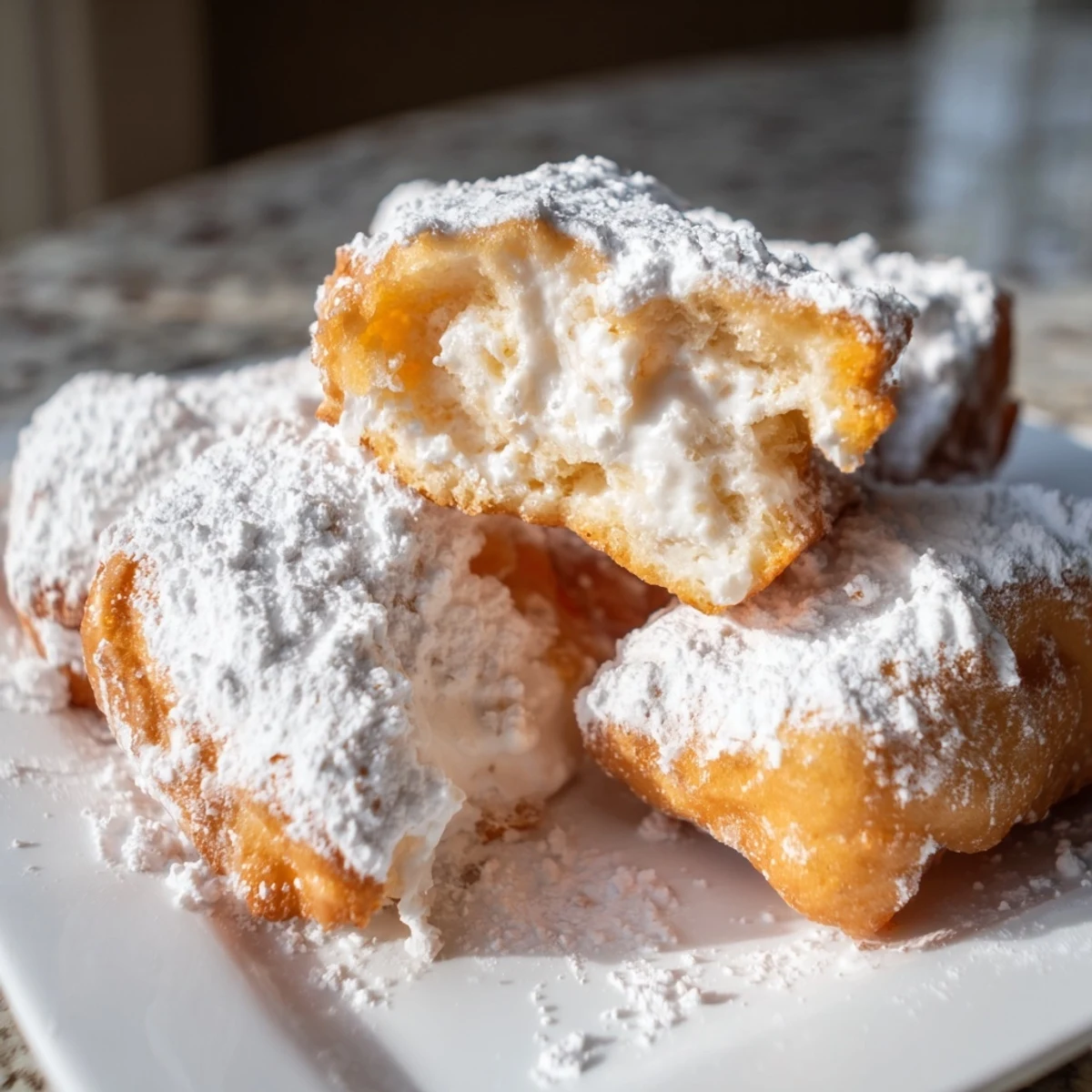
Save These delicate French treats feature a light, pillowy dough infused with pure vanilla extract, fried until golden brown and generously dusted with powdered sugar. The classic beignet requires a simple yeast-based dough that rises to perfection, creating an irresistibly fluffy interior with a crisp exterior.
Perfect for breakfast alongside coffee or as an elegant dessert, these vanilla-enhanced pastries deliver authentic French café flavors. The 18-batch yield makes them ideal for sharing, while the medium difficulty level ensures home bakers can achieve professional results.
The first time I bit into a warm vanilla beignet in New Orleans, powdered sugar puffed into the air like tiny clouds and settled on my black sweater. I stood there on a busy street corner, not caring a bit about the mess, completely enchanted by how something so simple could taste like pure joy. That moment sparked years of kitchen experiments to recreate that magic at home. Now these golden pillows have become my go-to comfort food whenever I need a little sweetness in my day.
Last winter during a snowstorm, my sister and I spent the entire afternoon making batch after batch of these. We took turns watching the oil sizzle and dance, sipping coffee between frying rounds, laughing when powdered sugar somehow decorated our eyebrows and hair. By dinner time, we had eaten more beignets than I care to admit, but that cozy memory of cooking together while snow fell outside still makes me smile every time I smell vanilla.
Ingredients
- All-purpose flour: Creates the perfect structure for pillowy soft insides while maintaining enough integrity to hold up during frying
- Active dry yeast: The magic ingredient that transforms simple dough into airy, puffed perfection so let it proof until properly foamy
- Whole milk: Adds richness and helps create that tender crumb that practically melts in your mouth
- Unsalted butter: Melted and cooled, it infuses the dough with buttery undertones without overpowering the delicate vanilla
- Pure vanilla extract: The star of the show that gives these beignets their signature fragrant warmth and depth
- Vegetable oil: Needs to be heated properly to achieve that crisp golden exterior while keeping the inside soft and airy
Instructions
- Wake up the yeast:
- Stir the yeast into warm water and watch it bloom for 5 minutes until it creates a lovely foamy layer on top
- Build the foundation:
- Whisk the flour, sugar, and salt together in your stand mixer bowl so everything is evenly distributed
- Bring it together:
- Pour in the yeast mixture, warm milk, eggs, melted butter, and vanilla, then mix on medium speed with a dough hook for 5 to 7 minutes until smooth
- Let it rise:
- Transfer the dough to an oiled bowl, cover it up, and find a warm corner for it to double in size over the next hour or so
- Shape the pillows:
- Punch down that beautifully risen dough, roll it out to half an inch thick, and cut into perfect 2 inch squares
- Second rise:
- Place your squares on parchment paper, cover them gently, and let them puff up again for 30 minutes
- Heat things up:
- Get your oil to 350 degrees in a heavy pot and wait for that perfect temperature
- The golden moment:
- Fry those beauties for 1 to 2 minutes per side until they turn gorgeous golden brown and puff up like magic
- The finishing touch:
- Dust them generously with powdered sugar while still warm and serve immediately to your very grateful friends
 Save
Save These beignets became a tradition at our annual family reunion after my niece dubbed them grandma pillows. There is something about watching generations gather around the powdered sugar covered platter, everyone reaching in simultaneously, that reminds me how food brings us together in ways nothing else can.
Mastering the Dough Texture
I have learned that slightly sticky dough actually produces the lightest beignets. Resist the urge to keep adding flour because that extra moisture is what creates those gorgeous air pockets inside. The dough should feel tacky but not so wet that it cannot be handled, and after the first rise, it becomes much more cooperative anyway.
Oil Temperature Secrets
Investing in a kitchen thermometer completely transformed my beignet game. I used to guess the temperature and ended up with either disappointingly flat dough or burned treats. Now I maintain that sweet spot at 350 degrees and sometimes even turn the heat down slightly between batches because the oil keeps getting hotter as you cook.
Serving Suggestions That Wow
While these are absolutely perfect on their own, I love setting up a little beignet bar with various dipping options. The contrast between the warm vanilla scented dough and cool fruit compotes is absolutely divine, and watching guests customize their treats adds such a fun interactive element to brunch or dessert.
- Try pairing with a warm cafe au lait for the full French quarter experience
- A tiny bowl of warm chocolate sauce takes these to another level of indulgence
- Serve immediately because nothing beats that fresh fried texture
 Save
Save There is pure magic in pulling that first batch from the oil, watching the steam rise, and taking that first bite while standing at the stove. Life is too short not to make beignets on a random Tuesday.
Recipe FAQs
- → How do I know when the oil is ready for frying?
-
Heat your vegetable oil to 350°F (175°C). If you don't have a thermometer, drop a small piece of dough into the oil - it should sizzle immediately and rise to the surface. The oil is too hot if it smokes, and too cool if the dough doesn't bubble actively.
- → Can I make the dough ahead of time?
-
Yes, prepare the dough through the first rise, then refrigerate it overnight in a covered, oiled bowl. Let it come to room temperature for about 30 minutes before rolling and cutting. This actually enhances the vanilla flavor development.
- → Why didn't my beignets puff up properly?
-
This usually happens when the oil temperature is too low, or when the second rise wasn't complete. Ensure your dough has doubled in size during the final 30-minute rise, and maintain consistent oil temperature throughout frying. Don't overcrowd the pot, which lowers the oil temperature.
- → Can I bake these instead of frying?
-
While baking won't produce the authentic texture, you can bake at 400°F (200°C) for 12-15 minutes, flipping halfway. Brush with melted butter before and after baking. However, the classic beignet experience requires deep frying for that signature crispy exterior and soft interior.
- → What's the best way to store and reheat leftovers?
-
Store in an airtight container at room temperature for up to 24 hours. For best results, reheat in a 350°F (175°C) oven for 3-5 minutes until warmed through. Avoid microwaving as they become soggy. Refresh with additional powdered sugar after reheating.
- → Can I substitute the vanilla extract with vanilla bean?
-
Absolutely. Scrape seeds from 1 vanilla bean pod and add them with the other liquid ingredients. You'll get beautiful vanilla specks throughout the dough and a more intense, complex vanilla flavor. The bean paste distributes more evenly than extract alone.