
 Save
Save Roast halved spaghetti squash at 400°F until fork-tender, then shred the flesh into spaghetti-like strands. Make a smooth cheese sauce by whisking flour into melted butter, adding milk, simmering until thick, and stirring in cheddar and Parmesan with garlic and mustard powders. Toss strands with the sauce, transfer to a baking dish if desired, top with panko-Parmesan, and broil briefly for a golden finish. Swap cheeses, add vegetables or protein, and use gluten-free flour and crumbs to keep it gluten-free.
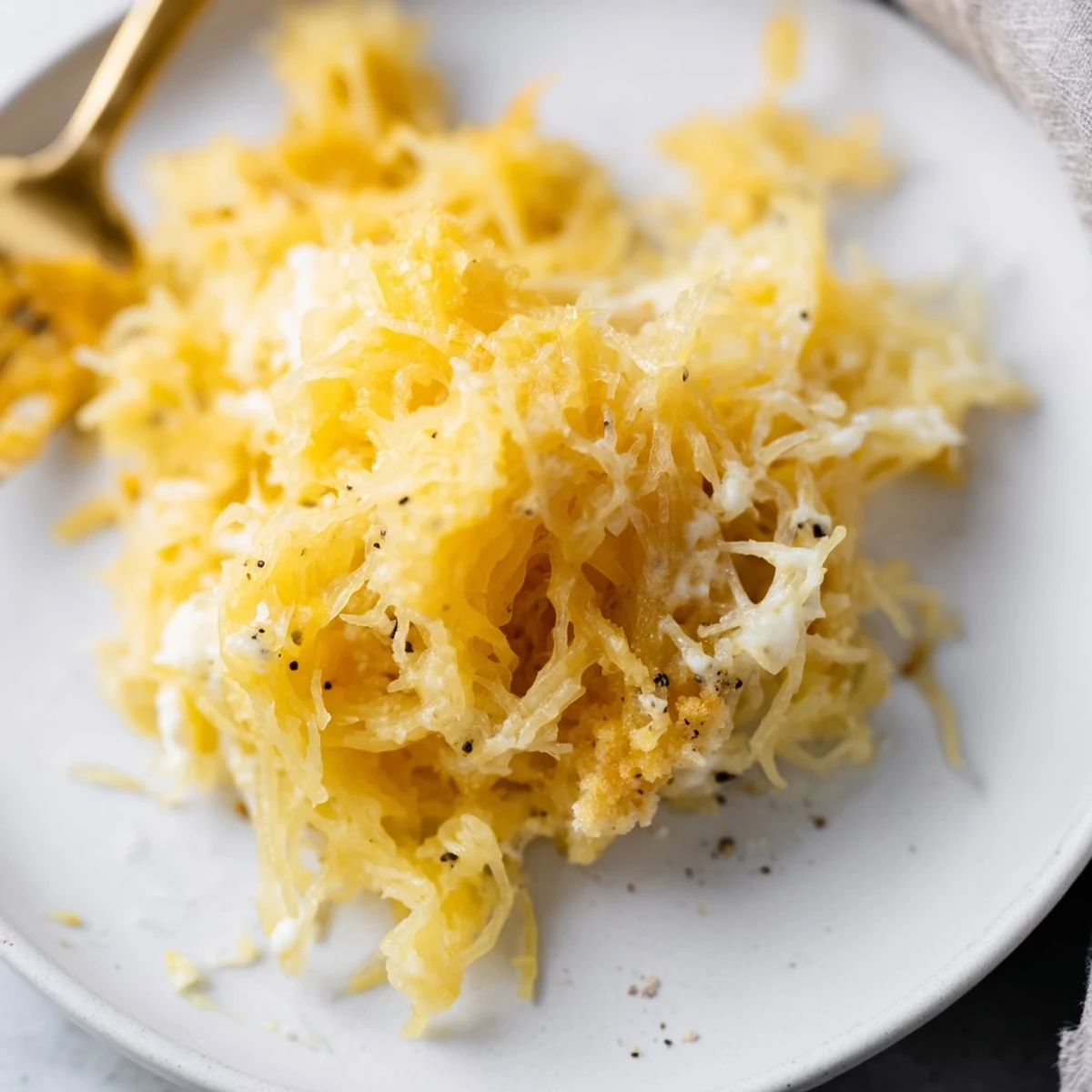
The smell of roasting squash and melting cheddar drifting through my kitchen on a chilly October evening convinced me that comfort food did not need a pound of pasta to earn its title. Spaghetti squash mac and cheese was one of those happy accidents born from staring into a pantry that had everything except the one thing I actually wanted. What emerged from the oven that night was golden, bubbling, and absurdly satisfying.
I served this to my sister who openly doubted that a vegetable could replace elbow noodles, and she went back for seconds before saying a word. The silence of a busy fork is the highest compliment a cook can receive.
Ingredients
- 1 large spaghetti squash (about 2.5 to 3 pounds): Pick one that feels heavy for its size with a firm, pale yellow skin and no soft spots.
- 2 tablespoons unsalted butter: The foundation of your roux, so use good quality butter if you have it.
- 2 tablespoons gluten free all purpose flour: This thickens the sauce just enough to cling to every strand without feeling gluey.
- 1 1/4 cups whole or 2% milk: Whole milk gives the richest texture, but 2% works fine if that is what is in the fridge.
- 1 cup shredded sharp cheddar cheese: Sharp cheddar brings the bold tang that makes this dish taste like proper mac and cheese.
- 1/2 cup grated Parmesan cheese: Adds a nutty, savory depth that rounds out the cheddar beautifully.
- 1/4 teaspoon garlic powder: A quiet background note that makes everything taste more complete.
- 1/4 teaspoon ground mustard: This tiny amount is the secret weapon that makes cheese taste cheesier.
- 1/4 teaspoon salt and 1/4 teaspoon black pepper: Seasoning that bridges the gap between the squash and the sauce.
- 1/3 cup gluten free panko breadcrumbs (optional topping): For that irresistible crunchy crown on top.
- 2 tablespoons grated Parmesan and 1 tablespoon melted butter (optional topping): Mixed into the panko for a golden, savory crust.
Instructions
- Preheat and prepare:
- Set your oven to 400 degrees F and line a baking sheet with parchment paper so cleanup is effortless later.
- Halve and clean the squash:
- Use a sharp knife and steady patience to cut the squash lengthwise, then scoop out the stringy seeds and pulp with a spoon until the cavities are clean and smooth.
- Roast until tender:
- Place the halves cut side down on the sheet and roast for 35 to 40 minutes until a fork slides through the flesh easily and the strands separate with a gentle scrape.
- Build the cheese sauce:
- Melt butter in a medium saucepan over medium heat, whisk in the flour and cook for one minute, then slowly pour in the milk while whisking constantly until the mixture is smooth and thickened after two to three minutes of simmering.
- Melt the cheeses in:
- Take the pan off the heat and stir in the cheddar, Parmesan, garlic powder, mustard, salt, and pepper until everything is melted, glossy, and smelling like the best kind of Tuesday night.
- Shred and combine:
- Run a fork through the roasted squash flesh to pull out long golden strands, transfer them to a large bowl, and gently fold in the cheese sauce until every strand is coated.
- Finish under the broiler (optional):
- Spoon the saucy squash into a greased baking dish, scatter the panko and Parmesan mixture over the top, drizzle with melted butter, and broil on high for two to three minutes until the top turns a gorgeous golden brown.
 Save
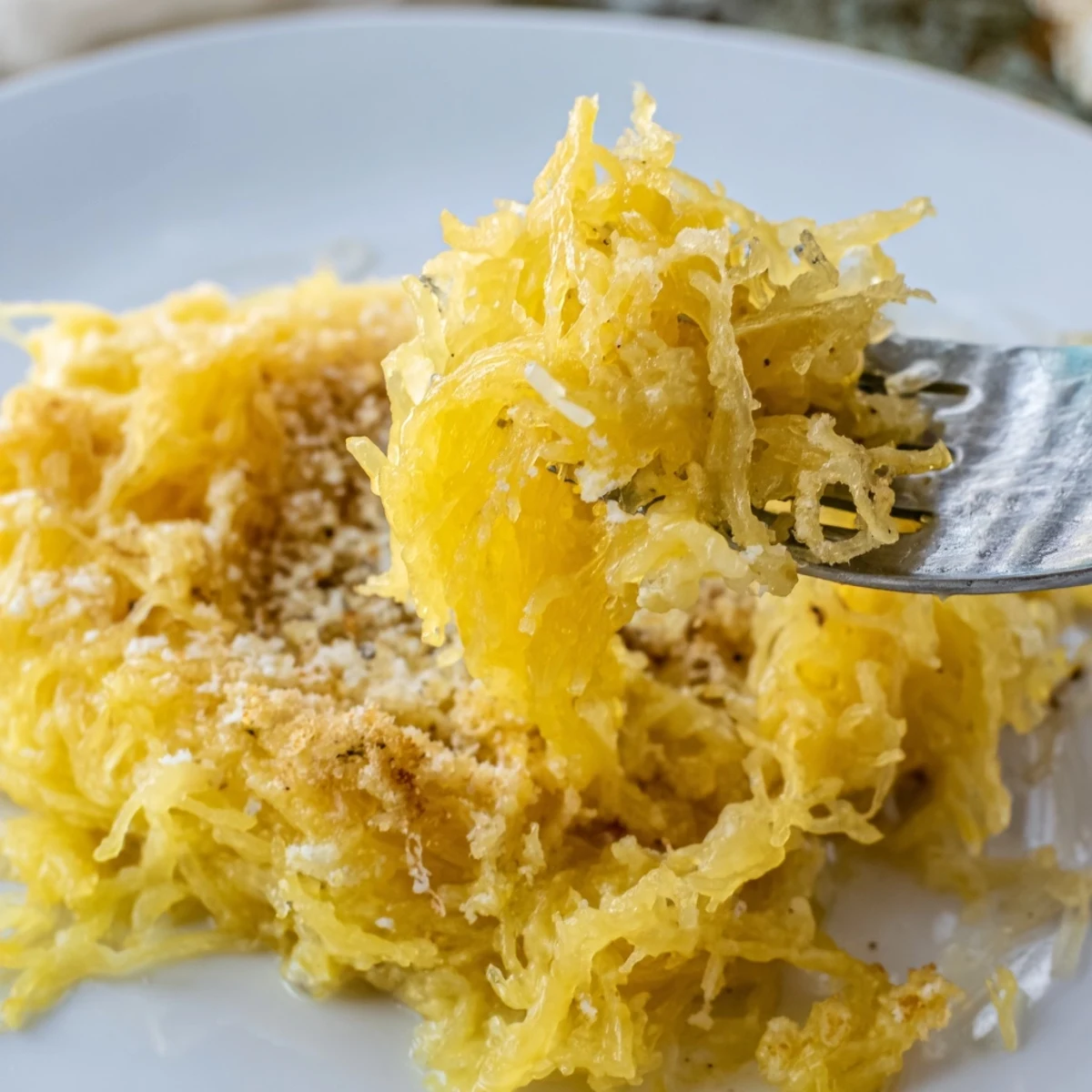
Save The first time I pulled those golden spaghetti strands from the shell and watched them tumble into the cheese sauce, I felt like I had discovered a small kitchen magic trick worth repeating forever.
Making It Your Own
Toss in a handful of steamed broccoli florets or sauteed spinach at the end if you want to sneak more vegetables onto the plate without anyone protesting. Folding in cooked shredded chicken or drained chickpeas turns this from a side dish into a full meal that leaves no one hungry.
What to Drink With It
A glass of crisp Chardonnay or a bright Sauvignon Blanc cuts through the richness of the cheese sauce in exactly the right way, especially on a cool evening when the windows are cracked open and the kitchen still smells like toasted breadcrumbs.
Storing and Reheating Like a Pro
Leftovers keep well in an airtight container in the refrigerator for up to three days and reheat gently in the oven or microwave without losing too much texture.
- Let the squash cool completely before covering and refrigerating to prevent excess moisture buildup.
- A splash of milk stirred in while reheating brings the sauce back to its original creaminess.
- The crunchy topping will soften in the fridge, so add a fresh sprinkle of panko and a quick broil if you want that just baked finish again.
 Save
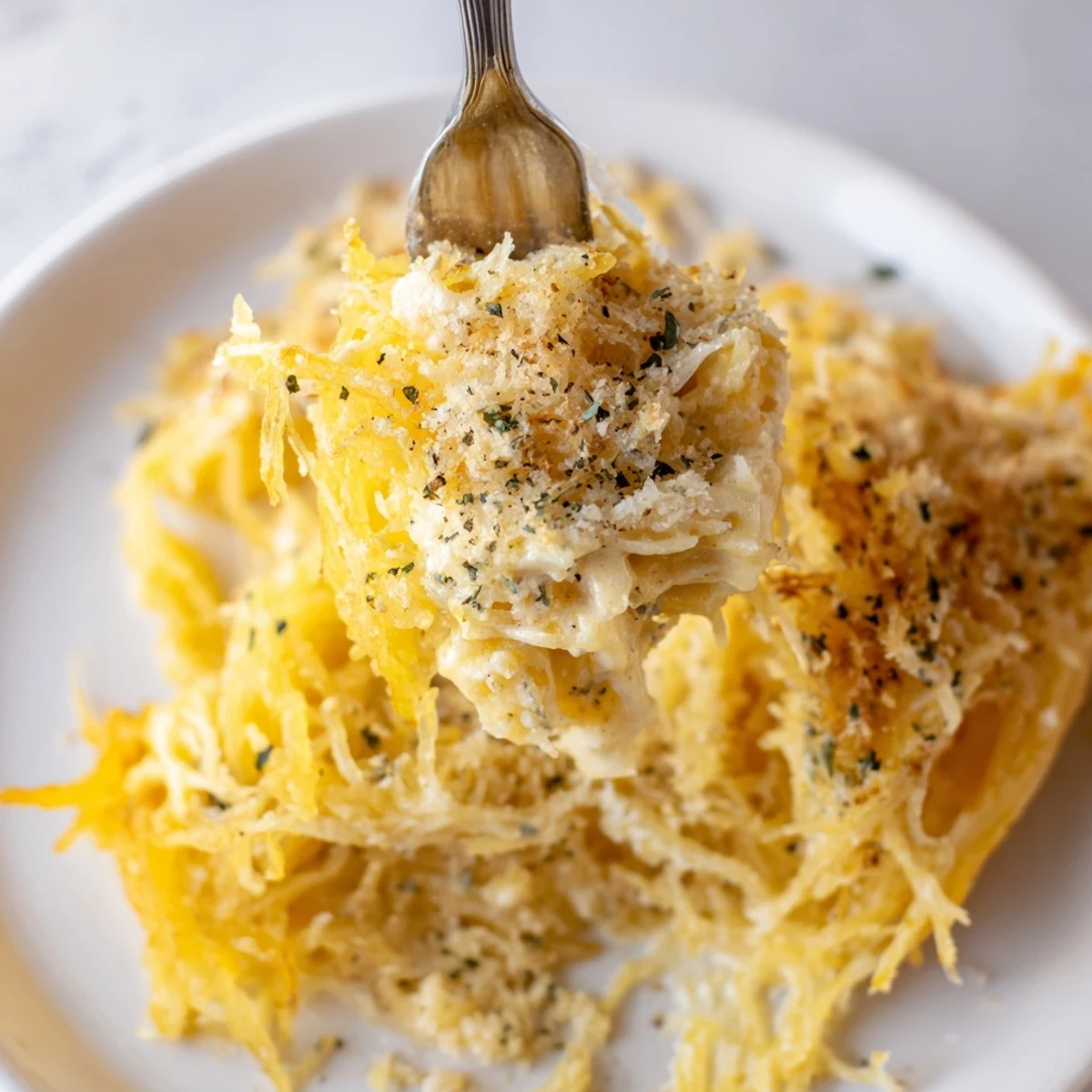
Save This is the kind of dish that reminds you eating well and eating happily are not opposites. Share it with someone who thinks they do not like vegetables and watch what happens.
Recipe FAQs
- → How long should I roast spaghetti squash?
-
Roast at 400°F (200°C) for 35–40 minutes, cut-side down, until the flesh is fork-tender and separates into strands. Smaller squash may take less time; test by shredding with a fork.
- → Can I make this gluten-free?
-
Yes. Substitute gluten-free all-purpose flour for the roux and use gluten-free panko for the topping, or omit the topping altogether. Always check labels for cross-contamination.
- → What cheeses work best?
-
Sharp cheddar and grated Parmesan create a classic tang and depth. For extra complexity, fold in Gruyère or fontina, or use a mix to balance creaminess and melt.
- → How do I prevent a watery finish?
-
Drain any excess liquid after shredding the squash and make sure the cheese sauce is thick enough to coat strands. Cook the sauce until it just thickens, then combine gently to avoid releasing more moisture.
- → Can I add vegetables or protein?
-
Absolutely. Stir in cooked broccoli, sautéed spinach, peas, cooked chicken, or chickpeas to boost texture and nutrition. Add ingredients that are already cooked so they warm through without overcooking.
- → How do I get a crunchy topping?
-
Mix panko with grated Parmesan and melted butter, sprinkle evenly over the top, and broil 2–3 minutes until golden. Watch closely to prevent burning.