
 Save
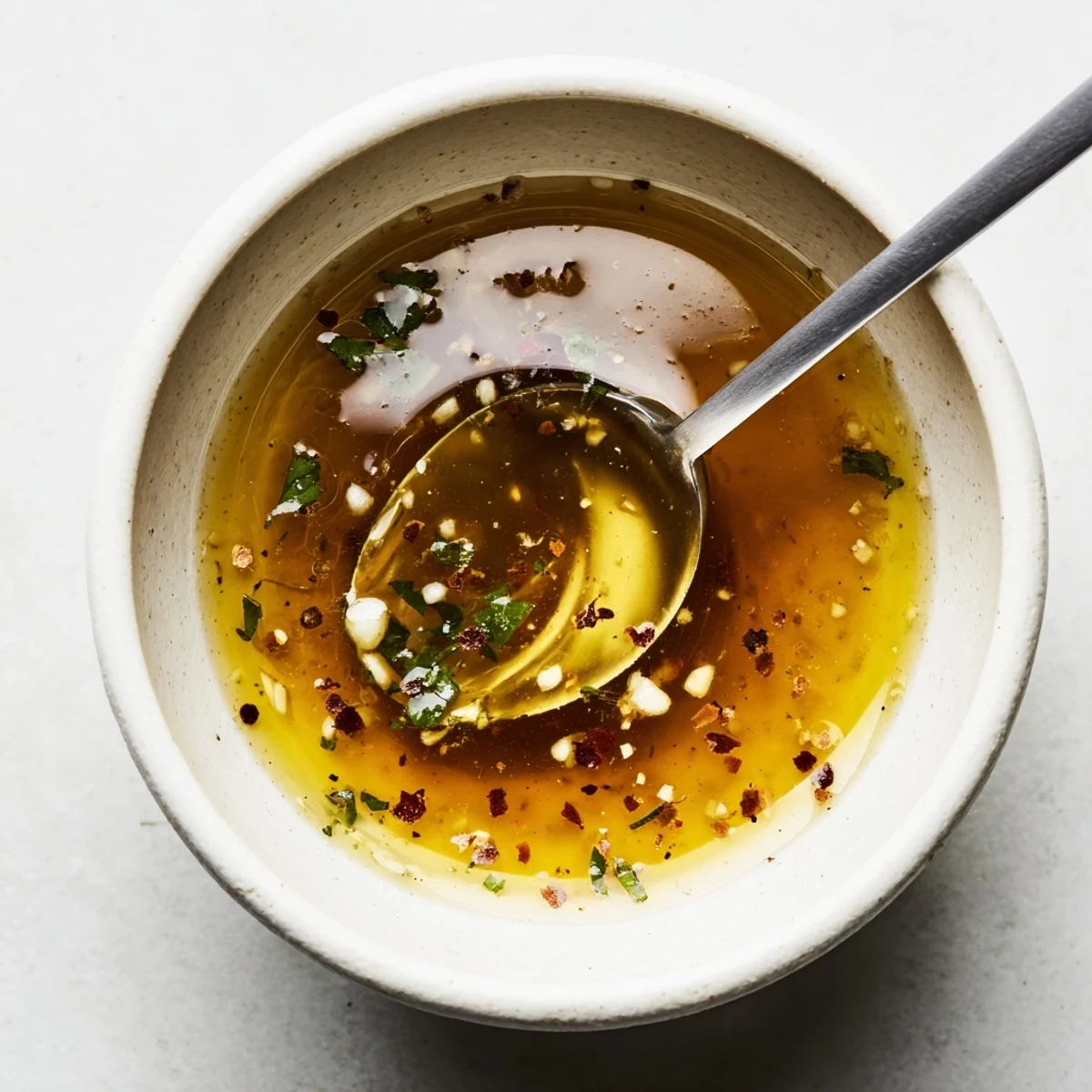
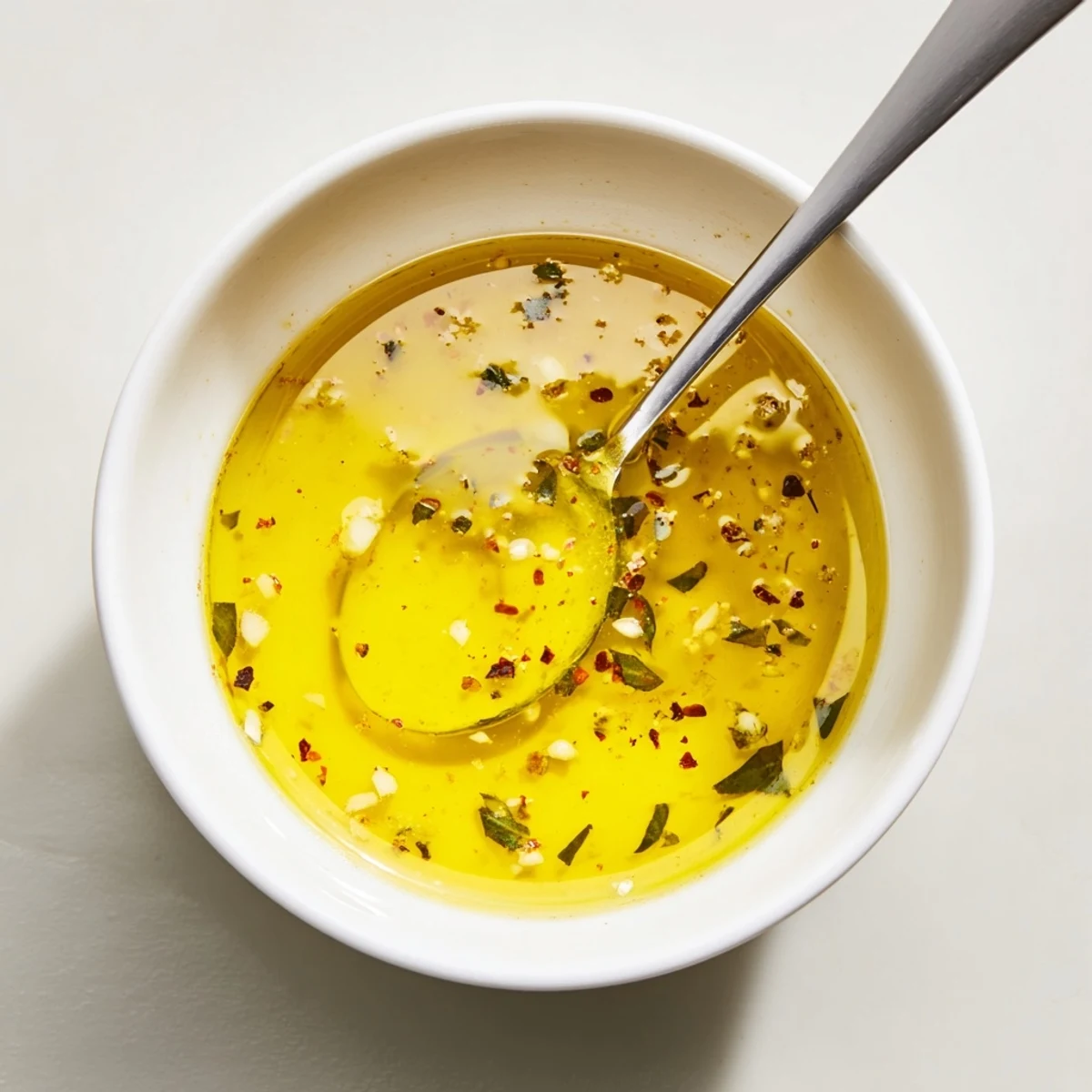
Save This Italian vinaigrette combines extra‑virgin olive oil with red wine vinegar, lemon juice and Dijon mustard to form a bright, tangy emulsion. Minced garlic, a touch of honey and chopped parsley, basil and oregano add depth. Whisk oil in slowly to emulsify, season to taste, and use on leafy salads, roasted vegetables or as a quick marinade. Store chilled up to one week and shake before serving.
My kitchen smelled like a Roman trattoria the afternoon I threw together this vinaigrette out of sheer desperation, staring down a bowl of wilted greens and a nearly empty fridge door. That impromptu bottle of oil and vinegar changed the way I think about salad forever, and honestly, it changed the way I think about cooking. Simple things done well will always outshine complicated things done poorly. This dressing is proof.
I brought a jar of this to a backyard potluck last summer and three people pulled me aside to ask what was in it, as if I had performed some kind of culinary sorcery. One friend actually stood next to the salad bowl dunking bread directly into the leftover dressing at the bottom. Little moments like that remind me why I love sharing food with people who genuinely enjoy eating.
Ingredients
- Extra virgin olive oil (1/2 cup): This is the backbone of everything, so use the best bottle you can find and never substitute with a bland one.
- Red wine vinegar (1/4 cup): Brings a sharp, fruity acidity that balances the richness of the oil perfectly.
- Fresh lemon juice (1 tablespoon): Adds brightness and a subtle floral note that vinegar alone cannot achieve.
- Dijon mustard (2 teaspoons): Acts as the emulsifier that holds everything together while adding a gentle heat.
- Garlic, finely minced (2 cloves): Fresh garlic is nonnegotiable here because the jarred version lacks the sharp bite this dressing needs.
- Honey (2 teaspoons): Rounds out the acidity and helps the flavors marry, though sugar or maple syrup works for vegan diets.
- Chopped fresh parsley (2 tablespoons): Gives the vinaigrette a clean, grassy freshness that dried parsley simply cannot replicate.
- Chopped fresh basil (1 tablespoon): Sweet and slightly peppery, and if you only have dried, use one and a half teaspoons instead.
- Dried oregano (1 teaspoon): That classic Italian flavor comes right through this humble little herb.
- Salt (3/4 teaspoon): Start here and adjust upward because underseasoned vinaigrette tastes flat and lifeless.
- Ground black pepper (1/2 teaspoon): Freshly cracked makes a noticeable difference over the preground dust.
- Crushed red pepper flakes (optional, 1/2 teaspoon): Add these if you want a slow warming heat in the background.
Instructions
- Build the acidic base:
- Drop the red wine vinegar, lemon juice, Dijon mustard, minced garlic, and honey into a medium bowl or a mason jar and whisk until the honey dissolves completely and the mixture looks unified.
- Emulsify with oil:
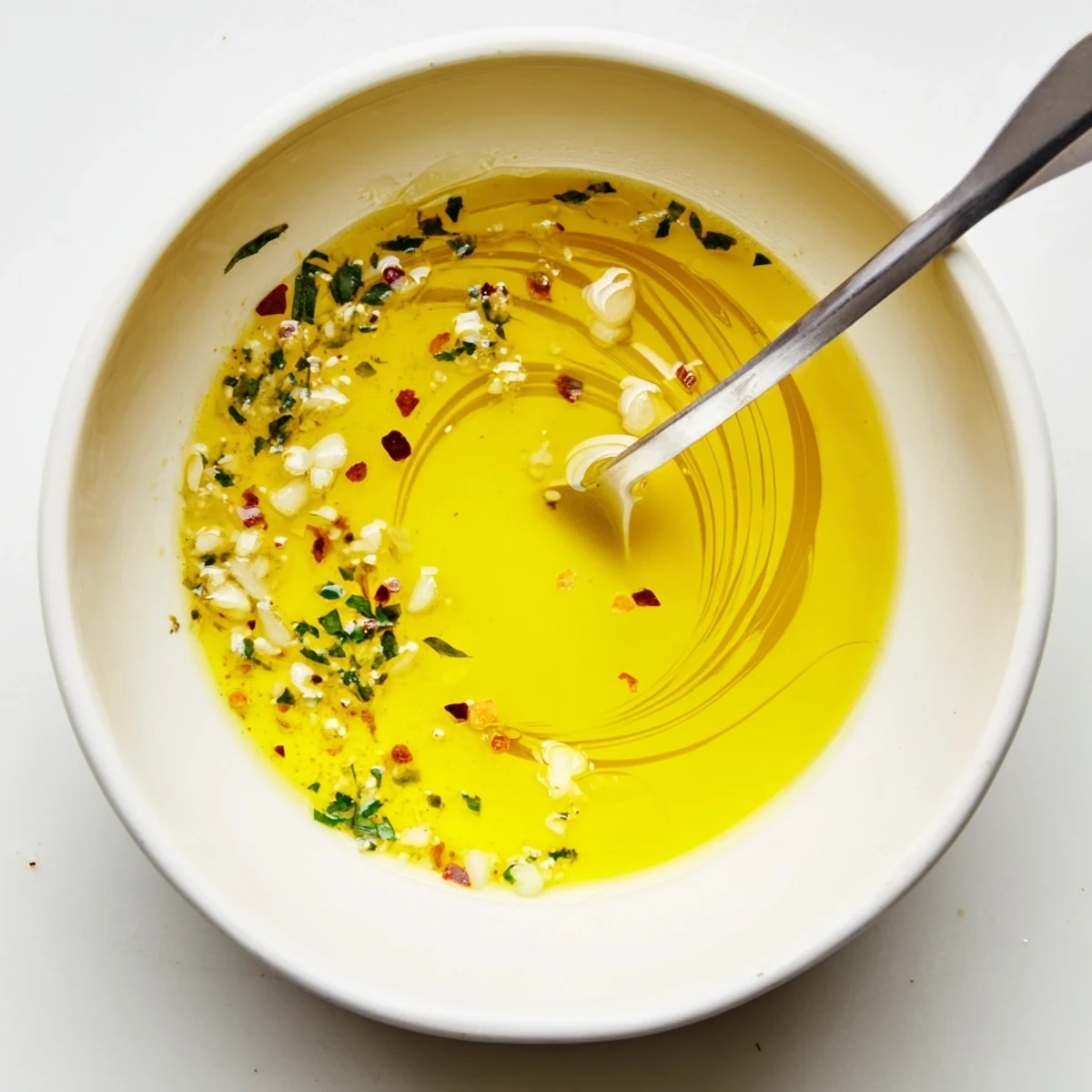
- Pour the olive oil in a slow, thin stream while whisking furiously so the dressing thickens into a creamy, cohesive liquid that clings to a spoon rather than separating immediately.
- Fold in the herbs and seasoning:
- Stir in the parsley, basil, oregano, salt, pepper, and red pepper flakes if you are using them, then watch the dressing transform into something flecked with green and fragrant enough to make you hungry on the spot.
- Taste and adjust:
- Dip a small piece of lettuce or a crust of bread into the vinaigrette and decide if it needs more salt, a squeeze of lemon, or another pinch of pepper before you commit.
- Store or serve:
- Use it right away over whatever you are eating, or seal it in a jar and refrigerate for up to one week, shaking vigorously before each use because separation is natural.
 Save
Save There was a week last January when I made this vinaigrette four times because my partner kept drizzling it over everything from roasted carrots to cold leftover pizza. At some point a recipe stops being a recipe and starts being a refrigerator staple you reach for without thinking.
Swaps and Substitutions
Apple cider vinegar steps in beautifully if red wine vinegar feels too assertive, lending a rounder, slightly sweeter edge. For a creamy twist, a tablespoon of grated Parmesan folded in at the end turns this into something closer to a rich house dressing, though it will no longer be dairy free.
Pairings That Work
This vinaigrette does not stop at salads because it doubles as a marinade for grilled chicken or a finishing drizzle over roasted vegetables fresh out of the oven. Pour a glass of Pinot Grigio or a crisp Sauvignon Blanc alongside and you have a warm evening sorted with almost no effort at all.
Tools and Storage
All you truly need is a bowl and a whisk, though a fork works in a pinch and a lidded jar lets you shake everything together in under thirty seconds flat.
- A mason jar with a tight lid is the easiest vessel for both mixing and storing.
- Let the dressing sit at room temperature for about fifteen minutes before serving if it has been refrigerated, because cold oil dulls the flavor.
- Always label the jar with the date so you know when the one week window is up.
 Save
Save Keep a jar of this in your fridge and weeknight dinners suddenly feel a lot less ordinary. Good food does not have to be complicated, it just has to be made with care.
Recipe FAQs
- → How do I get a stable emulsion?
-
Whisk the acid, mustard and aromatics first, then stream the olive oil in slowly while whisking vigorously. Mustard helps bind oil and vinegar; chilling slightly will also firm the emulsion.
- → Can I make this vegan?
-
Yes. Replace honey with an equal amount of sugar, maple syrup or agave to maintain a touch of sweetness without altering the vinaigrette's balance.
- → How long will the dressing keep?
-
Stored in an airtight container in the refrigerator, the vinaigrette keeps up to one week. Herbs may darken over time; shake or whisk before each use.
- → What vinegar substitutions work well?
-
Apple cider vinegar provides a milder, fruitier tang; white wine vinegar is lighter. Adjust the acid quantity to taste when swapping vinegars.
- → Can I add grated cheese?
-
Yes—stirring in a tablespoon of grated Parmesan adds savory richness, but note it removes the dairy-free classification.
- → Best uses for this vinaigrette?
-
It shines on leafy salads, grilled or roasted vegetables, and as a quick marinade for chicken or shrimp. Finish greens right before serving to avoid wilting.