
 Save
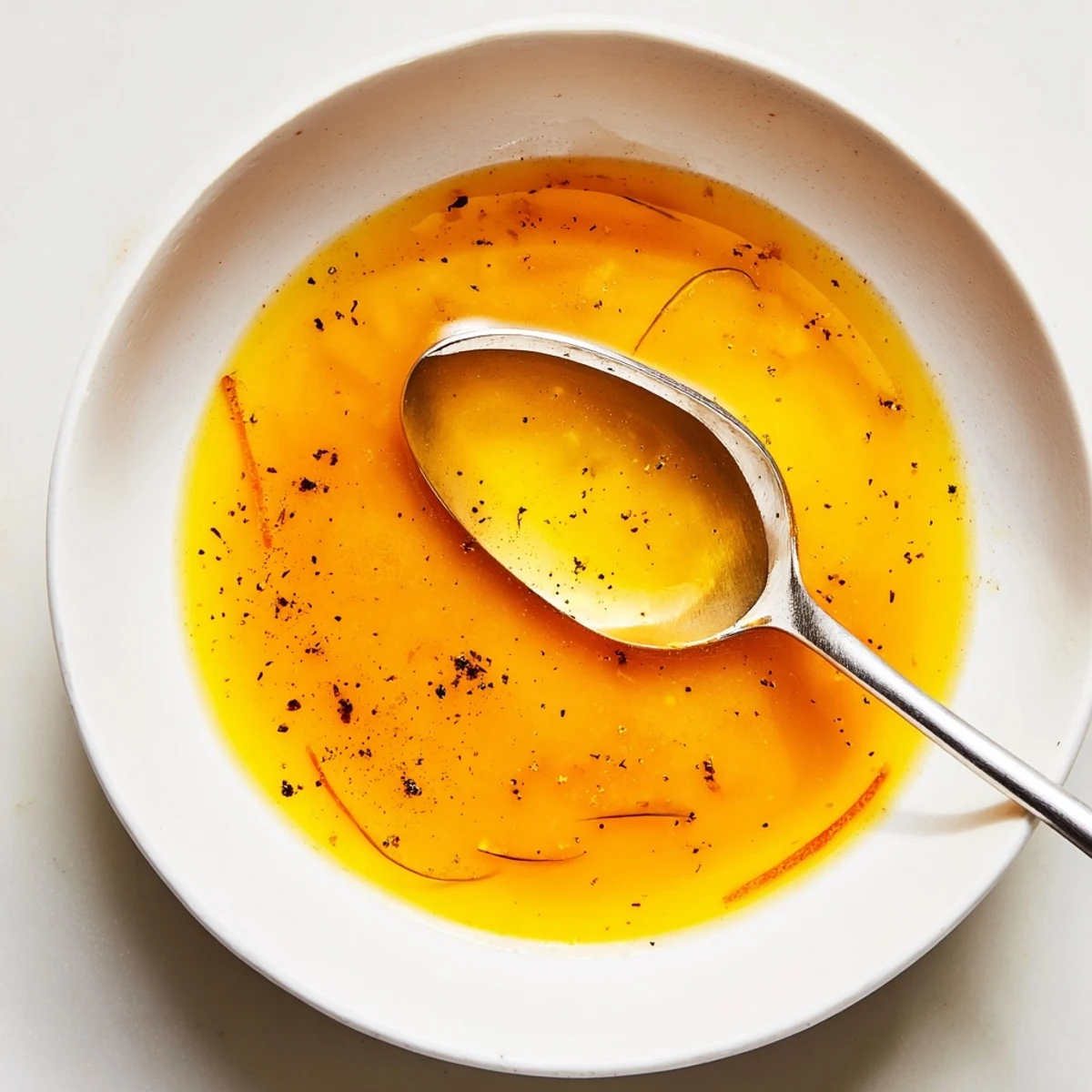
Save This vibrant orange vinaigrette pairs freshly squeezed orange juice and zest with white wine vinegar, Dijon mustard, honey, salt and black pepper. Slowly whisk in extra-virgin olive oil until emulsified and creamy. Ready in about 10 minutes, it yields roughly 3/4 cup (6 servings) and keeps refrigerated up to 5 days. Add minced shallot or a splash of lemon for extra tang; great with mixed greens, grilled asparagus or fish.
The afternoon light was pouring through my kitchen window when I knocked a whole orange off the counter and watched it roll across the floor like it had somewhere better to be. I picked it up, smelled the faint citrus residue on my fingers, and suddenly could not stop thinking about a vinaigrette. That stray orange became the best dressing I ever whisked together on a random Tuesday.
My neighbor Claudia stopped by unannounced one evening with a bag of farmers market greens and zero expectations. I threw together this vinaigrette on impulse and she stood in my kitchen dipping a piece of bread directly into the mixing bowl, laughing at herself for not waiting for the salad.
Ingredients
- 1/3 cup freshly squeezed orange juice (1 large orange): Fresh is the entire point here since bottled juice tastes flat and lifeless by comparison.
- 2 tablespoons white wine vinegar or champagne vinegar: Either works beautifully but champagne vinegar has a softer edge that lets the orange shine.
- 1 teaspoon finely grated orange zest: This is where the perfume lives so do not skip it and use a microplane for the finest grate possible.
- 1 teaspoon Dijon mustard: Acts as the bridge holding everything together and adds a subtle warmth beneath the sweetness.
- 1 tablespoon honey or maple syrup: Honey rounds out the acidity perfectly while maple syrup is your best friend if you are keeping it vegan.
- 1/2 teaspoon sea salt and 1/4 teaspoon freshly ground black pepper: Season boldly because dressings need more salt than you think to taste right on greens.
- 1/2 cup extra virgin olive oil: Use a good one since the oil is half the volume and you will absolutely taste the difference.
Instructions
- Build the Flavor Base:
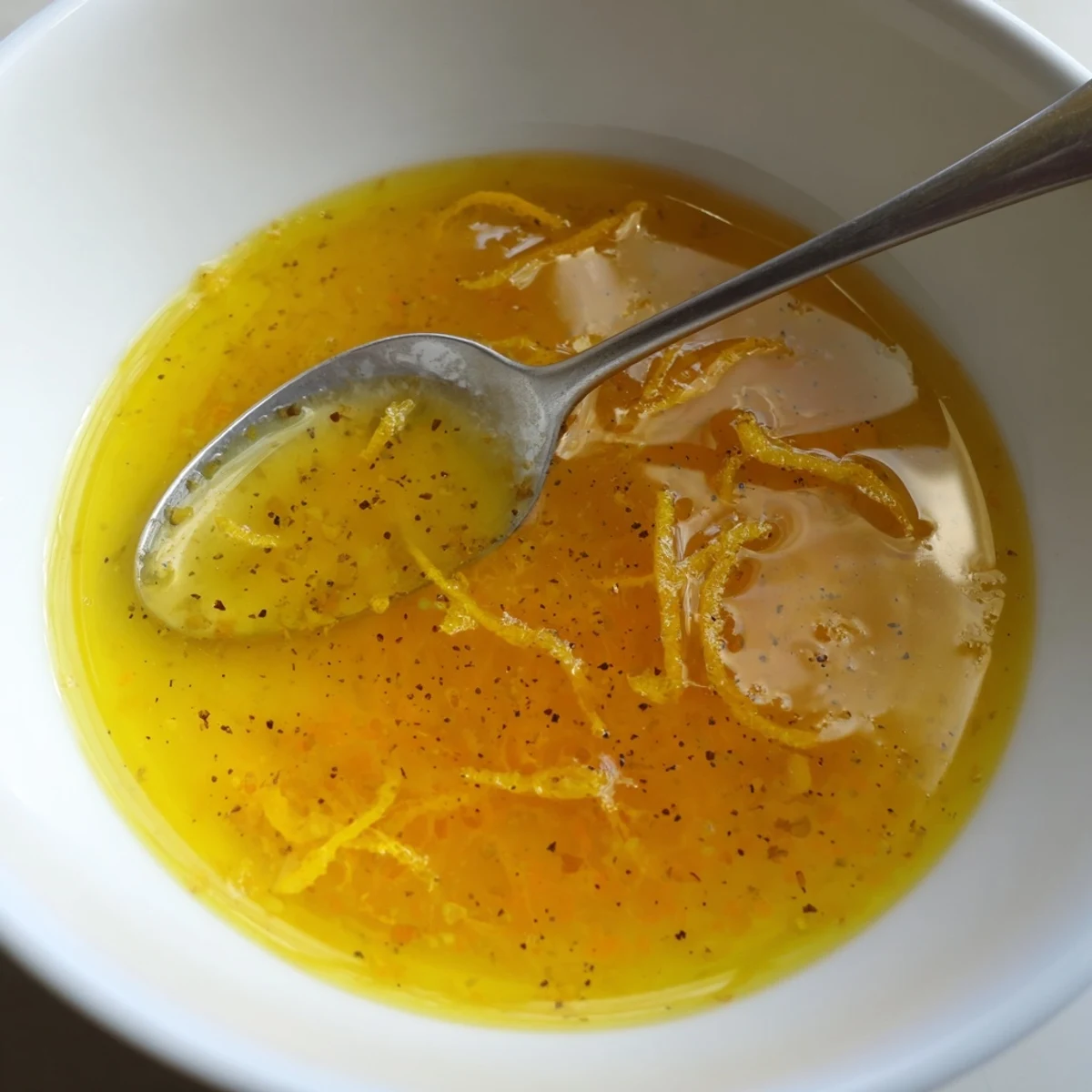
- In a medium mixing bowl whisk together the orange juice, zest, vinegar, Dijon mustard, honey, salt, and pepper until the mixture looks unified and fragrant. Take a moment to inhale because the citrus and mustard together smell genuinely wonderful.
- Stream in the Oil:
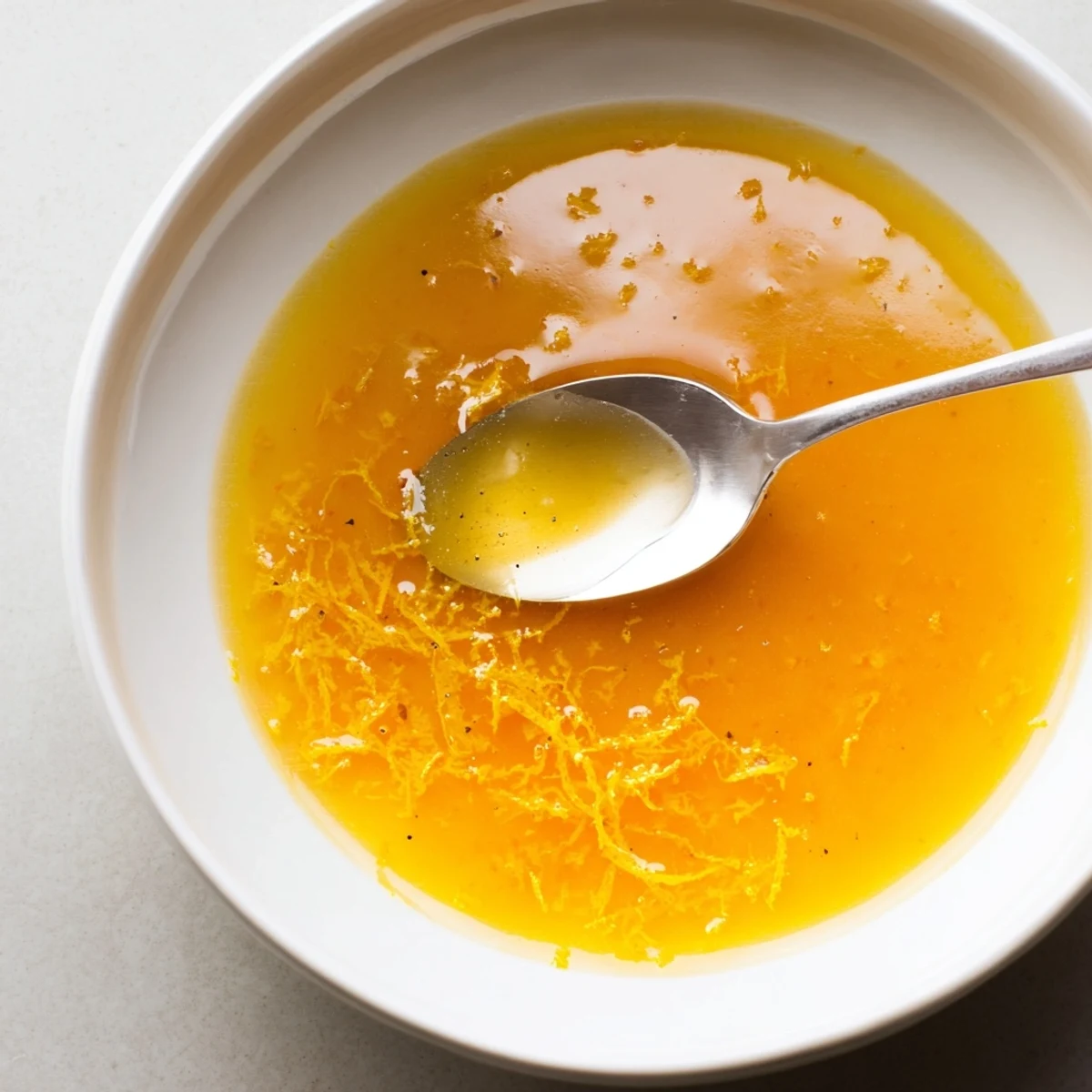
- Slowly pour the olive oil in a thin steady stream while whisking with purpose and energy until the vinaigrette turns creamy and opaque. This emulsification is what separates a silky dressing from a sad separated puddle.
- Taste and Adjust:
- Dip a small piece of lettuce or a spoon in and decide if it needs more salt, pepper, or a touch more honey to suit your palate. Trust your own tongue over any recipe measurement.
- Store or Serve:
- Use it right away or pour it into a sealed jar and keep it in the refrigerator for up to five days, shaking well before each use. It may thicken in the cold but will loosen again at room temperature.
 Save
Save There is something deeply satisfying about a dressing that needs no stove, no patience, and no special equipment beyond a bowl and a whisk. It feels like a small act of generosity you can perform for yourself on even the most ordinary day.
My Favorite Pairings
I have drizzled this over grilled asparagus, used it as a quick marinade for salmon, and once shamelessly poured it over a bowl of sliced tomatoes and mozzarella when I had nothing else. It plays well with bitter greens like radicchio and endive because the sweetness tames their edge without erasing it.
A Note on the Orange You Choose
A ripe navel orange gives you the cleanest sweetness but I have used blood oranges in winter and the color alone is worth the substitution. Valencias work too though they can be slightly more tart so you may want an extra squeeze of honey to balance things out.
When Dressing Becomes a Gift
I started pouring leftover vinaigrette into small jam jars and handing them to friends who came for dinner and the reactions were always warmer than I expected. People love receiving something you actually made and a jar of citrus dressing feels both effortless and thoughtful at once.
- Tie a small piece of twine around the jar with a handwritten label for a finishing touch.
- Remind them to shake it before using since separation is natural and harmless.
- Keep a batch in your own fridge at all times because you will find excuses to use it.
 Save
Save A simple vinaigrette is proof that a handful of humble ingredients can create something far greater than the sum of their parts. Keep this one in your back pocket and you will never reach for a store bought bottle again.
Recipe FAQs
- → Is fresh orange juice necessary?
-
Freshly squeezed orange juice and zest provide brighter, more complex citrus notes than bottled juice. If using bottled, choose 100% juice and consider adding a touch of zest for freshness.
- → How do I get a stable emulsion?
-
Whisk the acid, mustard and sweetener together first, then add the olive oil in a thin steady stream while whisking vigorously. Dijon acts as an emulsifier; using room-temperature oil helps, too.
- → Can I swap honey for another sweetener?
-
Yes. Maple syrup is a suitable vegan alternative and blends well with citrus. Adjust quantity to taste, as maple can be more assertive than honey.
- → How long will the vinaigrette keep?
-
Stored in a sealed jar in the refrigerator, the vinaigrette stays fresh for up to 5 days. Shake or whisk before using as the emulsion may separate.
- → What dishes pair best with this vinaigrette?
-
The citrus-forward dressing brightens mixed green salads, roasted or grilled vegetables (like asparagus), and works nicely as a marinade or finishing drizzle for fish and seafood.
- → How can I adjust the acidity or sweetness?
-
To increase acidity, add a little more white wine or champagne vinegar or a splash of lemon. To soften acidity, add a touch more honey or olive oil and taste until balanced.