
 Save
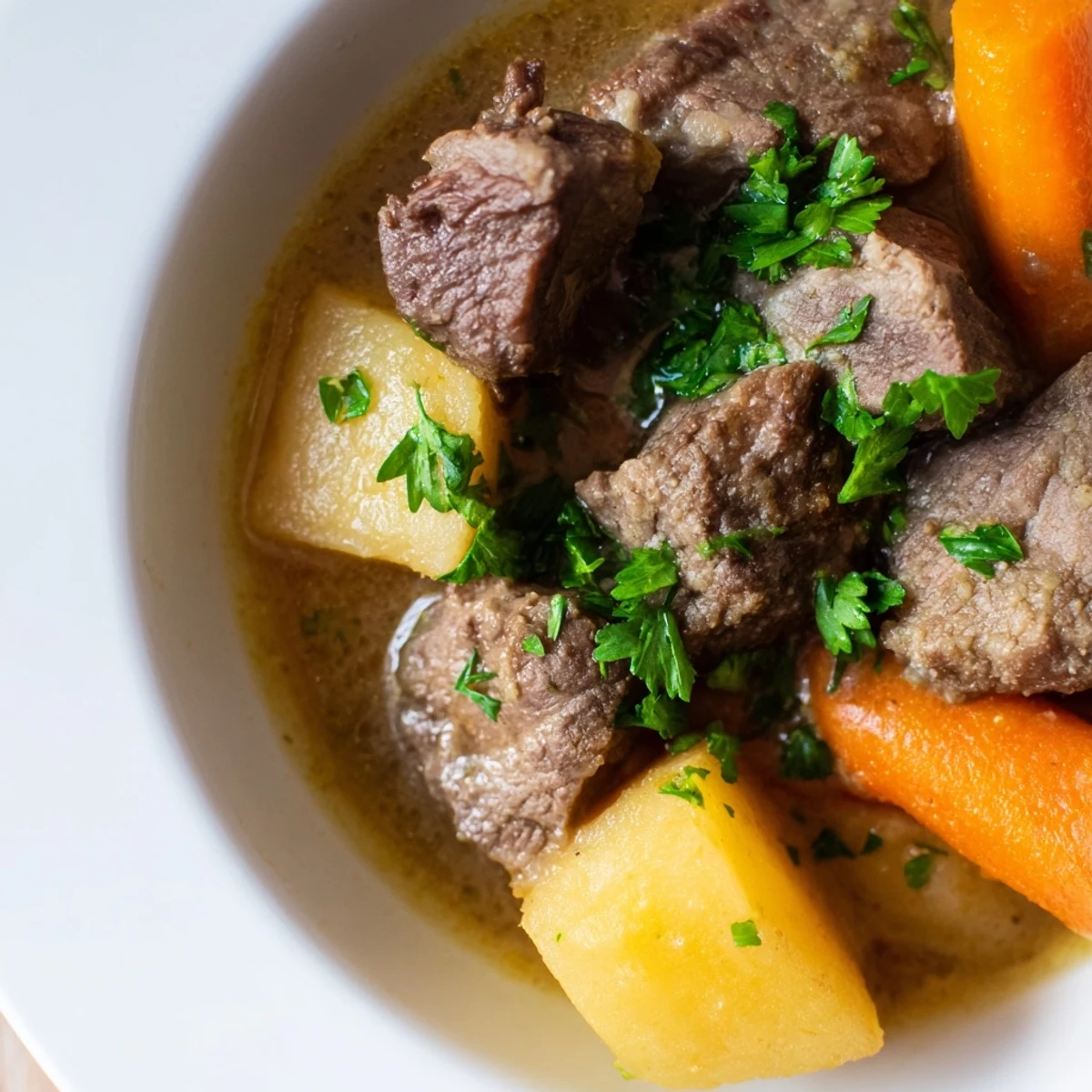
Save This classic Irish lamb stew begins with browning succulent lamb shoulder, then building layers of flavor with chopped onions, carrots, parsnips, and celery. Minced garlic adds aromatic depth before returning the lamb to the pot with potatoes, bay leaves, thyme, beef or lamb stock, and water. A slow simmer for up to two hours transforms these simple components into a deeply comforting and tender meal. The lamb becomes incredibly soft, and the vegetables perfectly cooked through, absorbing all the rich broth. Finish with fresh parsley for a vibrant touch. This hearty preparation is ideal for a satisfying family dinner, especially on colder days. For an even richer taste, a splash of Guinness can be added, and serving with crusty Irish soda bread is highly recommended.
I remember the first time I truly appreciated a good Irish lamb stew. It was a miserably wet autumn day, the kind where the dampness just seeps into your bones, and I’d been working outside all morning. Coming in to the fragrant embrace of lamb, thyme, and earthy vegetables simmering on the stove was like a warm hug for my soul. That’s when I realized some dishes aren’t just food; they’re an experience, a comfort, a quiet rebellion against the chill.
There was one St. Patrick's Day years ago when I decided to host a big potluck, and everyone was bringing something green. I, however, wanted to offer something truly authentic, something that spoke of hearth and home, so I made a huge batch of this stew. The house smelled absolutely incredible, and the clinking of spoons against bowls as everyone dug in was the best kind of music. It disappeared faster than I could dish it out, a true testament to its hearty appeal.
Ingredients
- Lamb Shoulder: This cut is perfect because it breaks down beautifully during long, slow simmering, becoming incredibly tender and infusing the stew with rich flavor.
- Carrots, Potatoes, Onions, Parsnips, Celery: These root vegetables are the backbone of any traditional Irish stew, adding sweetness, earthiness, and essential bulk to make it truly satisfying. Don't skip the parsnips they bring a lovely subtle spice.
- Low Sodium Beef or Lamb Stock: Using low sodium gives you control over the final seasoning, ensuring your stew isn't overly salty and allowing the natural flavors to shine through.
- Garlic: Just a couple of cloves provide a foundational aromatic warmth without overpowering the delicate lamb and vegetable notes.
- Fresh Bay Leaves & Thyme: These herbs are non-negotiable for that authentic, rustic Irish taste; fresh makes a big difference, but dried is a good substitute.
- Vegetable Oil or Unsalted Butter: Essential for browning the lamb and sautéing the vegetables, building those crucial layers of flavor right from the start.
- Salt and Freshly Ground Black Pepper: Seasoning is key at every stage to draw out the best in your ingredients.
- Fresh Parsley: A vibrant green garnish that adds a pop of freshness and brightens up the rich stew just before serving.
Instructions
- Prepare the Lamb:
- First, generously season your cubed lamb shoulder with salt and freshly ground black pepper; this sets the flavor foundation.
- Sear for Depth:
- Heat your oil or butter in a large, heavy bottomed pot until shimmering, then brown the lamb in batches until beautifully seared on all sides, building those crucial browned bits on the pot’s bottom. Remove the lamb and set it aside; don’t overcrowd the pot or you’ll steam, not sear.
- Sauté the Aromatics:
- Toss your chopped onions, carrots, parsnips, and celery into the same pot, letting them soften for about five minutes while you scrape up all those delicious browned bits from the lamb; this is where the magic starts.
- Infuse with Garlic:
- Stir in the minced garlic and let it cook for just about a minute until it becomes wonderfully fragrant, being careful not to let it burn.
- Combine and Simmer:
- Now, return the seared lamb to the pot along with the chopped potatoes, bay leaves, thyme, and both the stock and water. Bring it all to a gentle boil, then immediately reduce the heat to a low simmer.
- Slow Cook to Perfection:
- Cover your pot and let this hearty stew gently bubble away for 1.5 to 2 hours, stirring occasionally until the lamb is incredibly tender and the vegetables are perfectly cooked through.
- Final Touches:
- Before serving, carefully fish out and discard the bay leaves and thyme sprigs, then taste and adjust the seasoning with more salt and pepper if it needs a little lift.
- Serve with Love:
- Ladle the steaming stew into warm bowls, sprinkle generously with fresh chopped parsley for a bright finish, and serve hot to your eager diners.
 Save
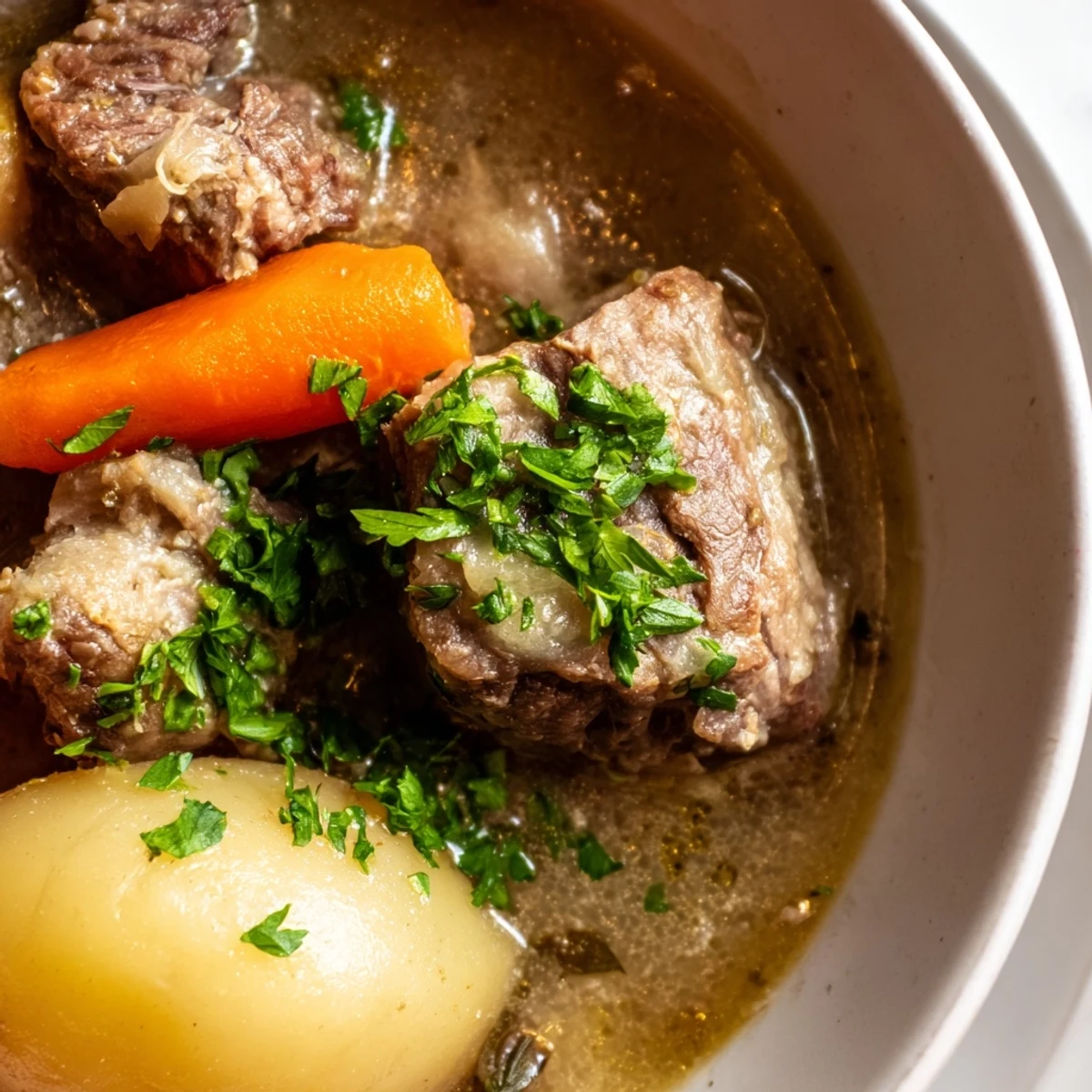
Save There’s a quiet evening etched in my memory, a power outage during a winter storm, with just the glow of candles and the simmering stew filling the air with comfort. We ate by candlelight, sharing stories, and that simple meal felt like the richest feast imaginable. It taught me that sometimes, the most profound culinary experiences are born from the simplest moments and the warmth of good company.
The Secret to Deep Flavor
Never skip the browning step for your lamb; those caramelized bits on the bottom of the pot, known as ‘fond,’ are pure flavor gold. Deglazing the pot by scraping these up when you add your vegetables truly unlocks a depth of taste that a simple boil could never achieve. It’s a small effort that pays enormous dividends in the final stew’s richness.
Choosing Your Meat Wisely
While lamb shoulder is traditional and fantastic, don’t shy away from other stew friendly cuts like lamb neck or even beef stew meat if lamb isn’t readily available. The key is a cut with some marbling and connective tissue that benefits from long, slow cooking. This ensures your meat stays moist and becomes fork tender rather than dry and tough.
Serving Suggestions & Flavor Boosters
This stew is a meal in itself, but it truly shines when paired with a few simple accompaniments. A crusty bread for soaking up every drop of that savory broth is practically mandatory, and a little green on the side never hurts. Think about how you can elevate the experience with minimal effort.
- Serve with warm, crusty Irish soda bread to mop up every last bit of delicious gravy.
- For a truly authentic and deeper flavor, try adding a splash of Guinness stout to the liquid when you add the stock.
- A simple green salad or some steamed greens make a lovely fresh counterpoint to the rich stew.
 Save
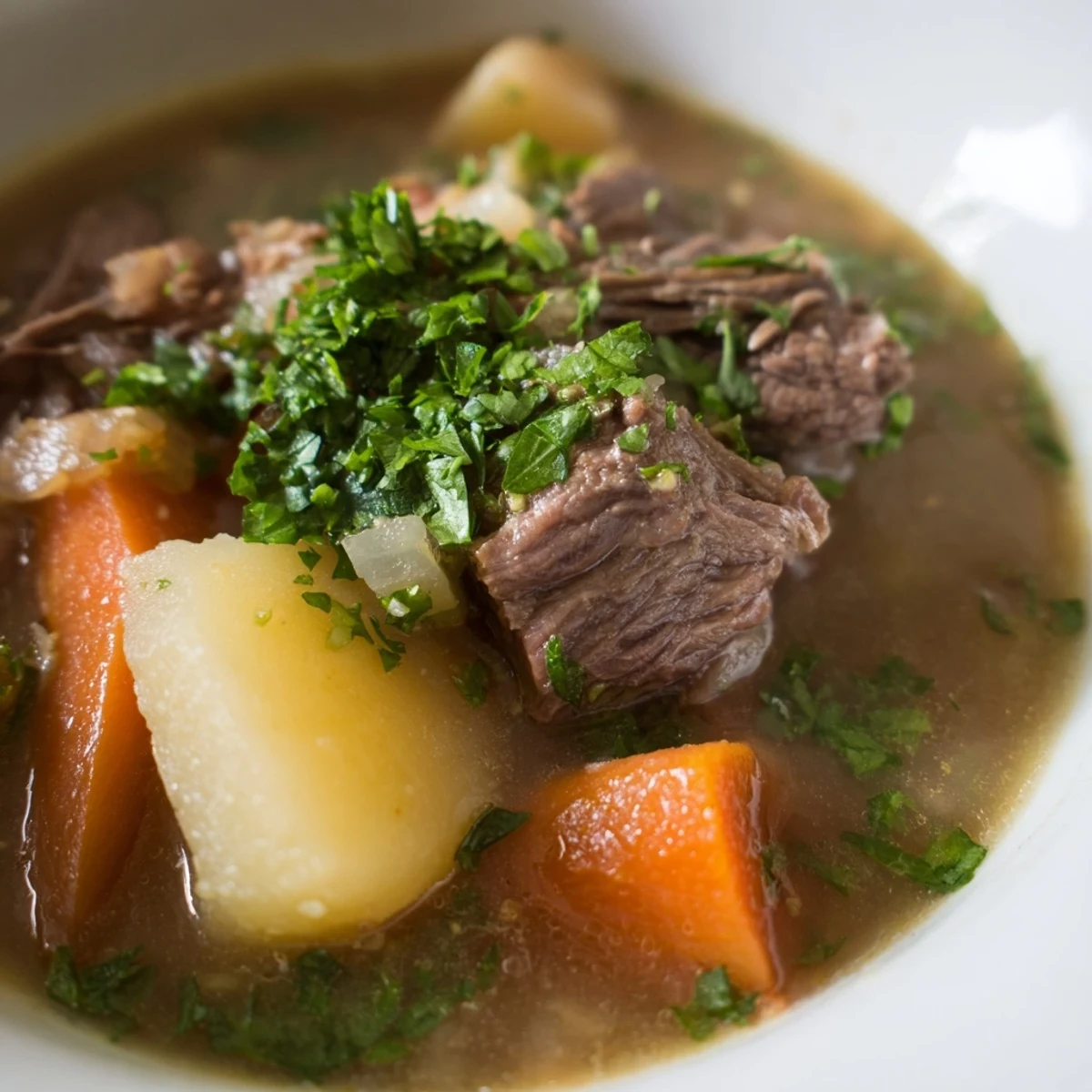
Save So go ahead, embrace the slow cook and the comforting aroma that will soon fill your kitchen. This Irish Lamb Stew is more than just a meal; it’s a taste of tradition, warmth, and genuine culinary joy.
Recipe FAQs
- → Can I use a different cut of lamb for this preparation?
-
While lamb shoulder is recommended for its tenderness when slow-cooked, you can substitute it with lamb leg or even beef stew meat if lamb isn't available or preferred. Adjust simmering time if needed to ensure the meat is fork-tender.
- → How can I achieve a thicker consistency for the stew?
-
For a thicker consistency, you can either mash a few potato pieces against the side of the pot during the final simmering stage, or create a slurry with a tablespoon of cornstarch mixed with a little cold water and stir it into the stew during the last 15 minutes of cooking. Continue to simmer until thickened.
- → What are the best vegetables to include in this type of stew?
-
Classic Irish stew typically features carrots, potatoes, onions, and parsnips. You can also add turnips, leeks, or even some peas towards the end of cooking for additional flavor, color, and texture. Ensure all vegetables are cut into similar-sized chunks for even cooking.
- → Is it possible to prepare this dish in advance?
-
Yes, this stew often tastes even better the next day as the flavors have more time to meld and deepen. Allow it to cool completely before transferring to an airtight container and refrigerating for up to 3-4 days. Reheat gently on the stovetop or in the oven.
- → Are there any optional additions to enhance the flavor?
-
Absolutely! For a deeper, more complex flavor, consider adding a splash of Guinness stout or a dry red wine along with the stock. Fresh rosemary or a pinch of allspice can also introduce lovely aromatic notes. A squeeze of lemon juice at the end brightens the overall taste.
- → How should I store leftover stew?
-
Store any leftover stew in an airtight container in the refrigerator for up to 3-4 days. This dish also freezes exceptionally well for up to 3 months; thaw overnight in the refrigerator before gently reheating on the stovetop or in the microwave.