
 Save
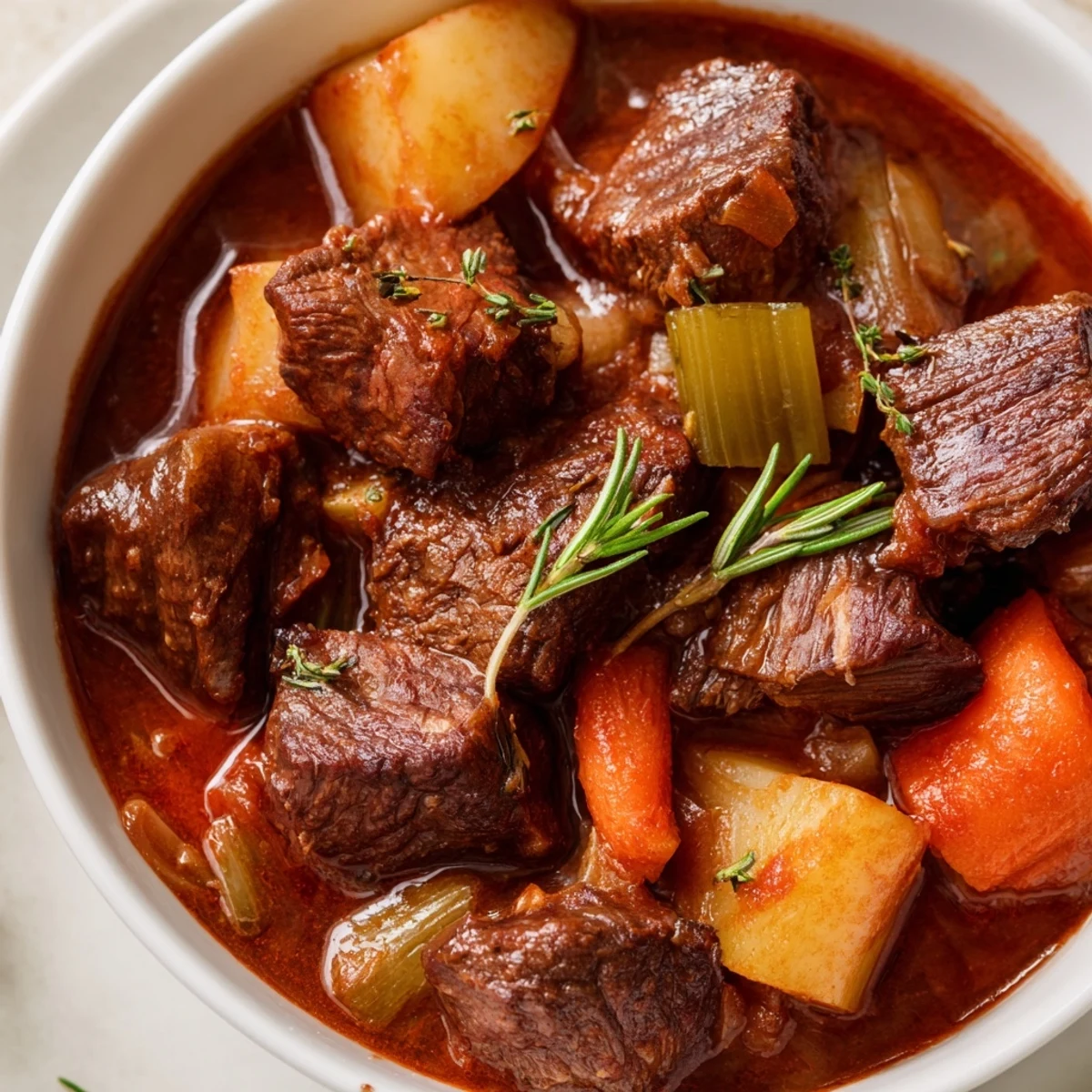
Save This beloved Italian comfort dish features beef chuck cubes browned to perfection, then gently simmered for over two hours with onions, carrots, celery, and potatoes in a flavorful broth. Dry red wine adds depth while tomato paste creates a rich, velvety sauce. Aromatic herbs like bay leaves, rosemary, and thyme infuse every bite with warmth.
The slow cooking process transforms tough beef into fork-tender morsels while the vegetables become melt-in-your-mouth soft. The resulting dish is incredibly satisfying, with a complex flavor profile that develops beautifully over time. It's even better prepared a day ahead, allowing the flavors to meld together.
The rain was hammering against the kitchen window that November evening, and I had a chunk of beef chuck sitting on the counter with no plan beyond cut it up and figure it out.
My neighbor Luca knocked on the door that night asking if I had borrowed his drill, took one breath inside, and ended up staying for dinner with his bare hands wrapped around a bowl of this stew.
Ingredients
- 800 g beef chuck, cut into 3 cm cubes: Chuck is the cut you want here because the fat and connective tissue break down into silky richness during the long braise.
- 2 medium onions, finely chopped: Onions form the sweet base of the entire dish, so do not rush them.
- 2 carrots, sliced: They add natural sweetness and a gentle texture that balances the heavy meat.
- 2 celery stalks, sliced: Celery brings an earthy depth that you will miss if you skip it.
- 2 medium potatoes, peeled and cubed: Potatoes soak up the broth and turn into little clouds of flavor by the end.
- 2 garlic cloves, minced: Fresh garlic makes a difference here, so please do not use the jarred kind.
- 250 ml dry red wine: Something you would drink is the only rule, because a bad wine will haunt your stew.
- 500 ml beef stock: A good quality stock means you will not need to overseason later.
- 2 tbsp tomato paste: This small amount adds a concentrated umami backbone that ties everything together.
- 2 tbsp olive oil: Use a generous pour for browning because it also flavors the fond.
- 2 bay leaves: Remove them before serving but never skip them, they do quiet important work.
- 1 sprig fresh rosemary: A single sprig is enough to perfume the whole pot without taking over.
- 1 tsp dried thyme: Thyme and beef are old friends and you can taste that friendship in every bite.
- Salt and freshly ground black pepper, to taste: Season in layers throughout cooking and adjust again at the end.
Instructions
- Get that pot screaming hot:
- Pour the olive oil into your heaviest pot over medium high heat and let it shimmer until it just starts to smoke, then add the beef cubes in a single layer without crowding them.
- Build the flavor foundation:
- Lower the heat to medium and toss in the onions, carrots, and celery, stirring and scraping up every crispy bit stuck to the bottom because that is where the magic lives.
- Wake up the garlic and tomato:
- Stir in the minced garlic and tomato paste, cooking for about two minutes until your kitchen smells like an Italian grandmother just walked in and started judging you in the best way.
- Let the wine do its thing:
- Pour in the red wine and scrape the pot again, then let it bubble and reduce by roughly half so the harsh alcohol cooks off and what remains is pure concentrated flavor.
- Bring it all together:
- Return the browned beef to the pot and add the potatoes, beef stock, bay leaves, rosemary sprig, thyme, a good pinch of salt, and several grinds of pepper, then give it a gentle stir.
- Let time do the work:
- Bring everything to a gentle simmer, cover the pot, and drop the heat to low, letting it burble away for about two hours with an occasional stir until the beef yields to the press of a spoon.
- Finish and taste:
- Fish out the bay leaves and the rosemary sprig, then taste the sauce and add more salt or pepper if it needs it, because a stew that tastes flat at this stage just needs a little nudge.
 Save
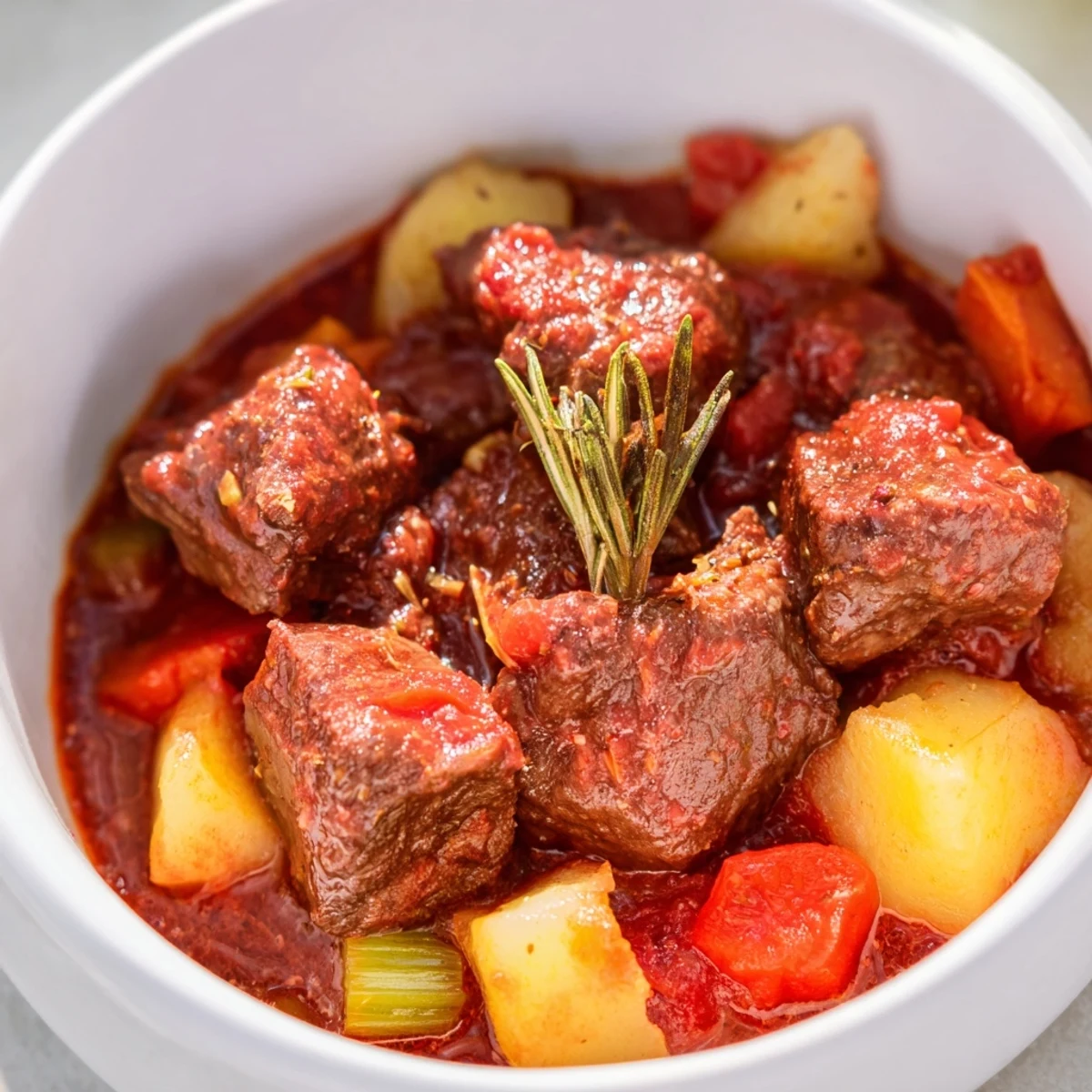
Save That bowl of stew became a weekly ritual for the rest of that winter, and Luca started showing up every Thursday with a different bottle of wine and no mention of his drill.
Serving Ideas Worth Trying
A soft mound of polenta underneath the stew is my favorite way to serve it because the creamy corn soaks up the braising liquid like edible poetry.
Making It Ahead Changes Everything
Cook this stew a full day before you plan to eat it and you will be rewarded with deeper, more settled flavors that overnight rest somehow unlocks.
Getting The Texture Just Right
The difference between a good stew and a great one often comes down to how the liquid reduces, and watching that transformation taught me more about patience than any cookbook ever did.
- If the sauce is too thin at the end, simmer uncovered for the last fifteen minutes.
- A splash of balsamic vinegar at the very end adds a subtle richness that people will not be able to identify but will absolutely notice.
- Always let the stew rest for at least ten minutes off the heat before serving so the sauce can settle and thicken slightly.
 Save
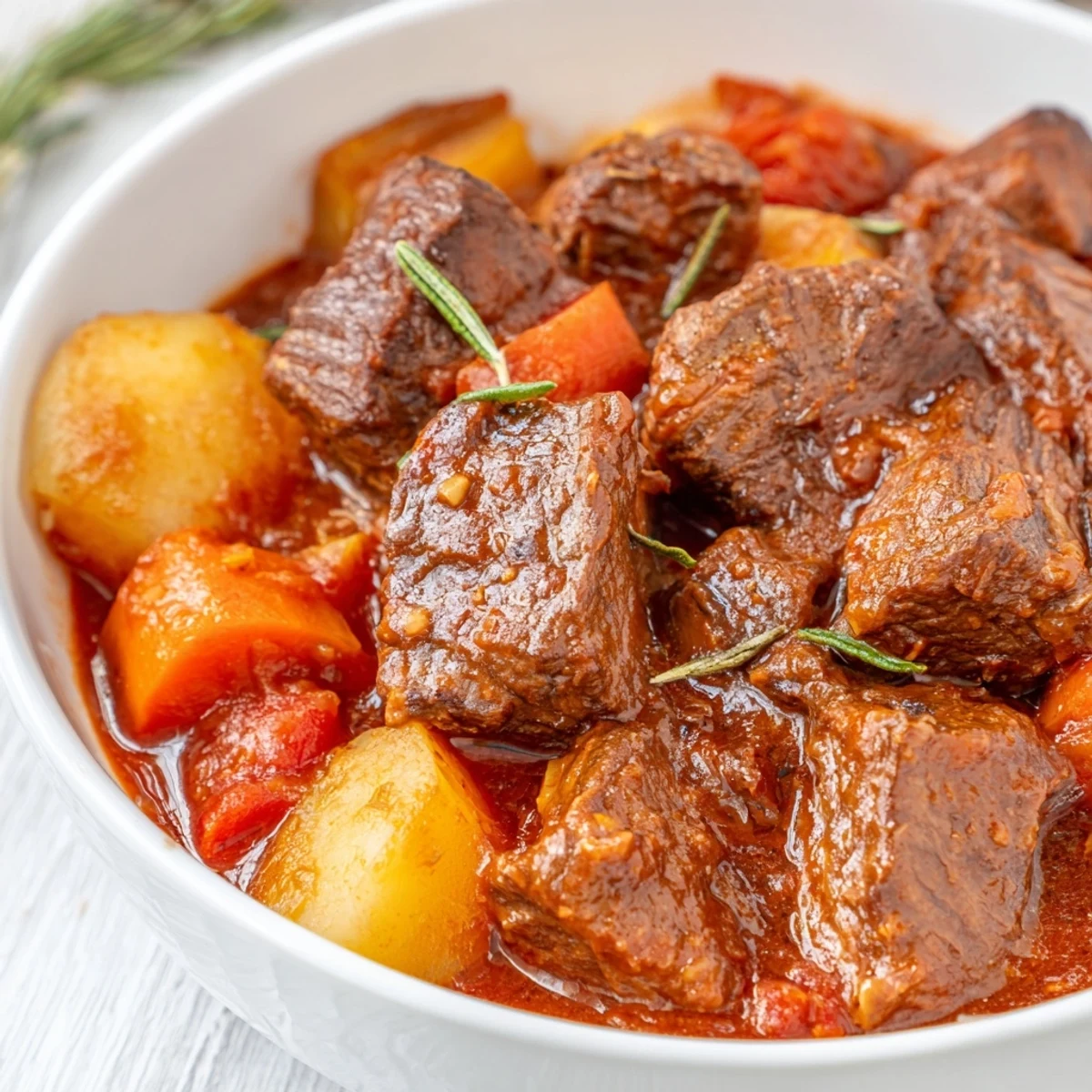
Save Some dishes feed people, and this one gathers them around the table without anyone needing to be asked twice.
Recipe FAQs
- → What cut of beef works best for spezzatino?
-
Chuck roast is ideal due to its marbling and connective tissue that breaks down during slow cooking, becoming incredibly tender while adding richness to the sauce.
- → Can I make this in a slow cooker?
-
Absolutely. Brown the beef and vegetables first, then transfer everything to your slow cooker. Cook on low for 7-8 hours or high for 4-5 hours until tender.
- → Why is red wine important in this dish?
-
Red wine provides acidity and tannins that balance the richness of the beef, while also adding complex fruity and earthy notes that deepen during braising.
- → How do I know when it's done?
-
The beef is ready when it easily falls apart when pressed with a fork and the sauce has thickened naturally from the collagen released during cooking.
- → What should I serve with spezzatino?
-
Crusty rustic bread, creamy polenta, or mashed potatoes are perfect for soaking up the flavorful sauce. A simple green salad provides fresh contrast.
- → Can I freeze leftovers?
-
Yes, it freezes beautifully for up to 3 months. Cool completely before transferring to airtight containers. Thaw overnight in the refrigerator before reheating gently.