
 Save
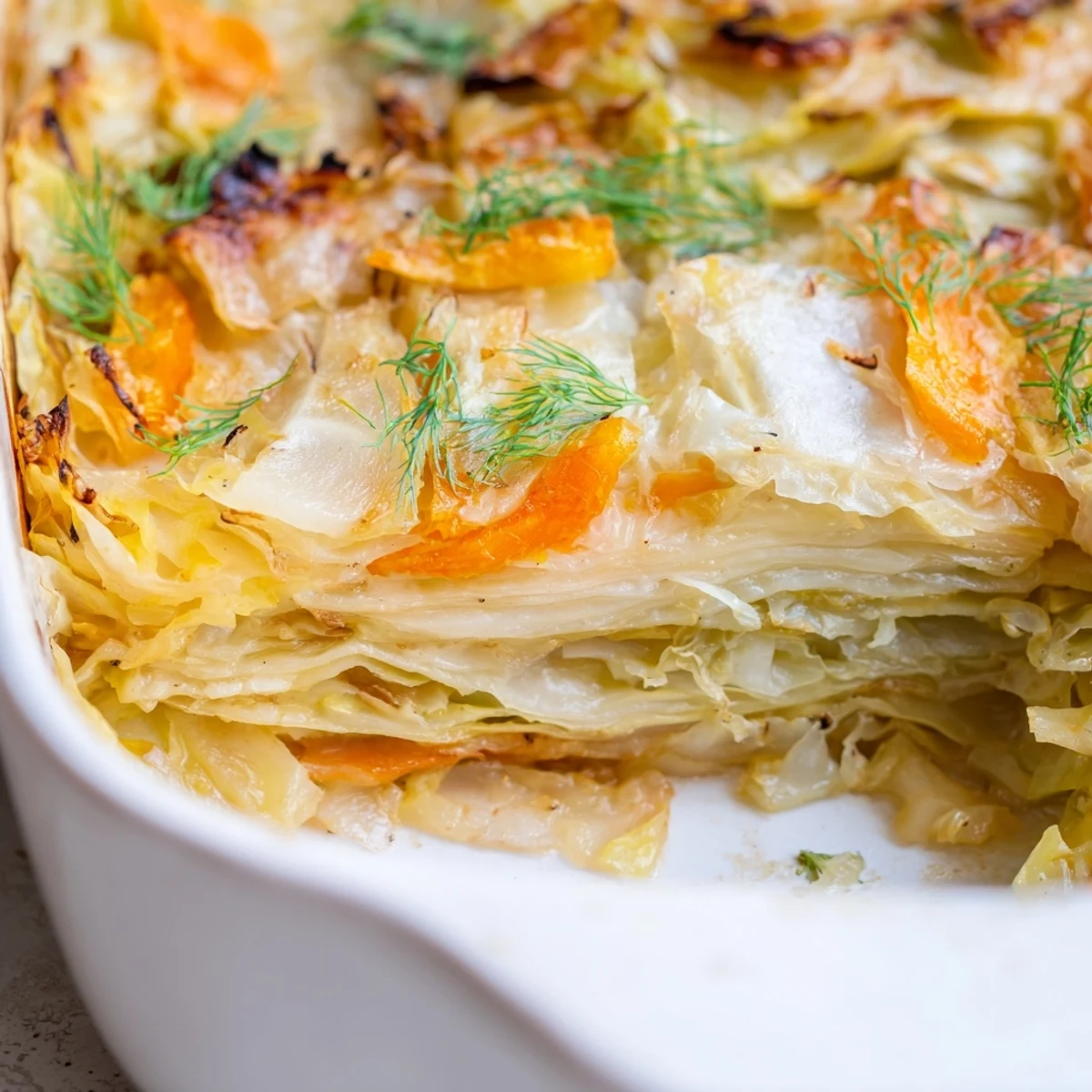
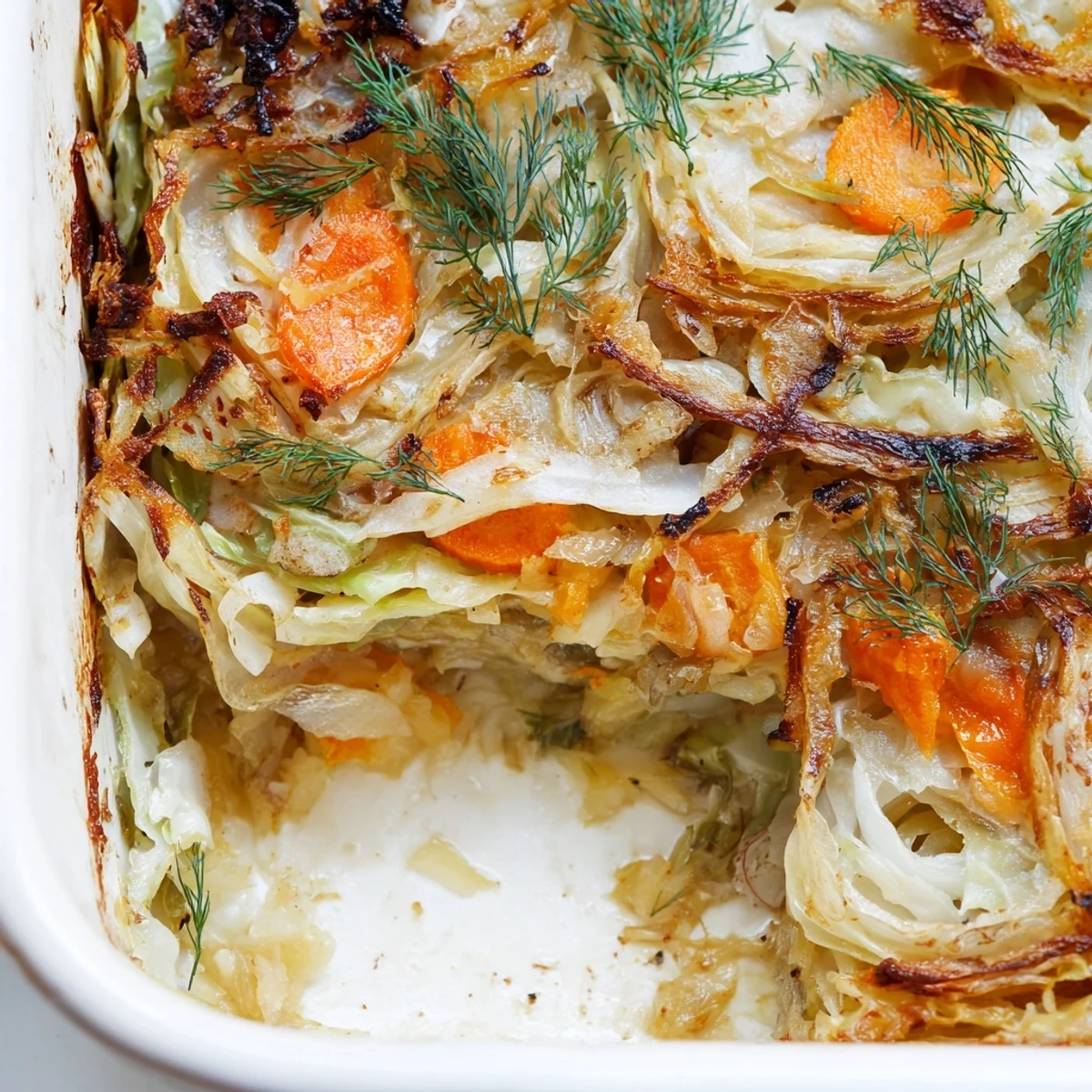
Save This comforting German-inspired casserole features layers of tender slow-roasted cabbage mingled with tangy sauerkraut, creating a hearty and satisfying dish. The slow roasting process at 325°F allows the flavors to meld beautifully, while caraway seeds and smoked paprika add aromatic depth. After an hour of covered roasting, the dish finishes uncovered at a higher temperature to develop lightly browned, caramelized edges.
Perfect for cozy family dinners, this vegetarian and gluten-free main course serves six generously. The natural sweetness from grated apple balances the sauerkraut's tang, while fresh dill brightens each bite. Optional sour cream and cheese toppings add creaminess, though it's equally delicious without. The result is a warming, nourishing dish that improves with time, making it excellent for meal prep or leftovers.
The smell of cabbage roasting low and slow in the oven is one of those things that fills every corner of the house and pulls people toward the kitchen without a word. My neighbor once knocked on my door during a snowstorm asking what on earth I was cooking because the aroma had drifted through the shared hallway of our building. That day I was making this casserole, and I ended up inviting her in to share it with a loaf of crusty bread and a bottle of Riesling. We sat at my table for three hours, and she left with the recipe scribbled on the back of an envelope.
I started making this dish years ago when a friend from Munich casually mentioned that her grandmother never bothered with meat at Sunday dinners because a well made cabbage casserole was all anyone really wanted. I was skeptical at first, having grown up thinking of cabbage as something boiled into submission and forgotten on a plate. But the first bite changed my mind completely, the edges caramelized and golden, the sauerkraut cutting through with just enough sharpness to keep everything interesting.
Ingredients
- 1 medium green cabbage (about 2 lb), cored and sliced into thin strips: The foundation of the dish, slice it thin so it melts into tender layers during the long roast.
- 2 medium onions, thinly sliced: They sweeten as they cook down and form a fragrant base that ties everything together.
- 2 cloves garlic, minced: Fresh garlic makes a noticeable difference here, do not skip it.
- 2 large carrots, grated: They add subtle sweetness and a lovely golden color throughout the casserole.
- 3 cups sauerkraut, drained and lightly rinsed: Rinsing tames the sharpness just enough while keeping that essential tang.
- 1 apple, peeled and grated: This is the secret weapon, it brings a gentle sweetness that balances the sauerkraut beautifully.
- 1 cup vegetable broth: Keeps everything moist during the long roast and adds savory depth.
- 1/4 cup dry white wine (optional): If you have an open bottle, pour it in, it elevates the whole dish.
- 2 tbsp olive oil: Use a good quality one since there are so few fats in this recipe.
- 1 tsp caraway seeds: The soul of Eastern European cabbage cookery, do not leave these out.
- 1 tsp smoked paprika: Adds a whisper of campfire warmth that makes each bite more interesting.
- 1/2 tsp ground black pepper and 1/2 tsp salt: Adjust the salt at the end since sauerkraut brings its own sodium to the party.
- 2 tbsp fresh dill, chopped: Stir it into the sauerkraut layer and save a little for garnish at the end.
- 1/2 cup sour cream and 1/4 cup grated cheese (optional toppings): Creamy and golden on top, these are worth adding if dairy is welcome at your table.
Instructions
- Get the oven ready:
- Preheat to 325°F and grease a large casserole dish with a drizzle of olive oil so nothing sticks later.
- Build the aromatic base:
- Warm olive oil in a large skillet over medium heat and sauté the sliced onions until they turn translucent and soft, about 5 minutes. Toss in the minced garlic and stir for another minute until your kitchen smells incredible.
- Wilt the cabbage:
- Add the shredded cabbage to the skillet and cook it gently, stirring now and then, until it begins to soften and shrink down. Mix in the grated carrots, salt, pepper, caraway seeds, and smoked paprika until evenly coated.
- Prepare the sauerkraut layer:
- In a separate bowl, fold together the drained sauerkraut with the grated apple and chopped dill, tasting to make sure the sweet and sour balance feels right.
- Layer everything into the dish:
- Spread half the cabbage mixture across the bottom of your prepared casserole, then cover it with half the sauerkraut mixture. Repeat with the remaining layers, pressing down gently so everything nestles together.
- Add the liquids:
- Pour the vegetable broth and white wine evenly over the top, letting it seep down through the layers naturally.
- Slow roast covered:
- Cover the dish tightly with foil or a lid and slide it into the oven for 1 hour, letting the flavors meld at a gentle pace.
- Finish uncovered:
- Remove the foil, turn the heat up to 375°F, and bake uncovered for 30 to 45 more minutes until the top turns golden and most of the liquid has cooked away.
- Add toppings and rest:
- If using sour cream and cheese, spread them over the top during the last 10 minutes of baking. Let the casserole sit for 10 minutes before serving so it holds together, then scatter fresh dill over the top.
 Save
Save One winter I brought this to a potluck where everyone else had made elaborate dishes with expensive ingredients, and I felt a little embarrassed setting down a cabbage casserole. It disappeared first, and three people asked for the recipe before the night was over.
Serving Suggestions That Actually Work
This casserole loves something starchy beside it, boiled potatoes with butter and parsley are the classic pairing, but thick slices of sourdough toasted with garlic work just as well for a weeknight dinner. A glass of dry Riesling or a light red wine alongside turns a simple meal into something worth lingering over. If you want to make it heartier, tuck sautéed mushrooms or cooked lentils between the layers before baking.
Making It Your Own
The beauty of a dish like this is how forgiving it is. I have thrown in leftover roasted vegetables, swapped the dill for thyme when I had no dill, and once used apple cider instead of wine with surprisingly lovely results. Let the seasons guide you and trust your taste buds over any written instruction.
Storage and Reheating
This casserole actually tastes better the next day when the flavors have had time to settle and marry in the fridge. Reheat it covered at 350°F until warmed through, about 20 minutes, and it will be every bit as good as the first night.
- Store leftovers in an airtight container in the refrigerator for up to 4 days.
- Freeze individual portions for up to 2 months, though the texture of the cabbage softens slightly.
- Always taste before adding extra salt when reheating since the sauerkraut continues to release flavor as it sits.
 Save
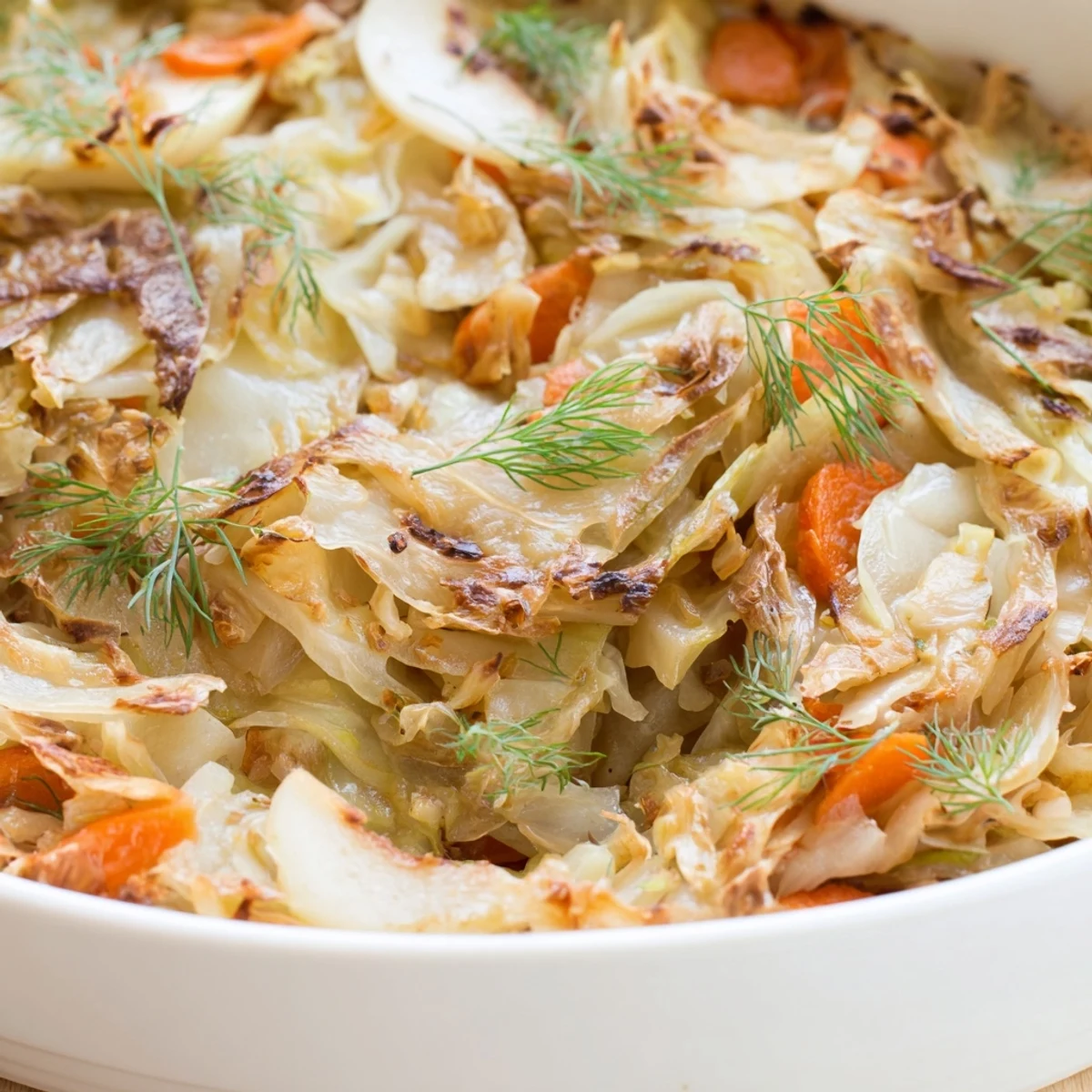
Save Some dishes feed the body and some feed the people gathered around your table, and this one manages to do both with nothing more than cabbage, patience, and a little love.
Recipe FAQs
- → What makes slow roasting different from regular baking?
-
Slow roasting at a lower temperature (325°F) allows the cabbage to become tender gradually while developing deeper, more complex flavors. The longer cooking time breaks down the cabbage's fibers, creating a meltingly soft texture that regular baking can't achieve. The final high-heat uncovered stage adds delicious caramelization.
- → Can I prepare this dish ahead of time?
-
Absolutely. This casserole actually benefits from sitting overnight, as the flavors continue to meld. Prepare through step 7, cool completely, refrigerate, and finish baking the next day. Add 10-15 minutes to the covered baking time if baking from cold.
- → Is sauerkraut too sour for this dish?
-
The sauerkraut's tang is beautifully balanced by the natural sweetness of cabbage, carrots, and grated apple. Slow roasting also mellows the sauerkraut's intensity. If you're sensitive to sour flavors, rinse the sauerkraut more thoroughly or use a mild variety.
- → What can I serve with this casserole?
-
Crusty bread, boiled potatoes, or German spaetzle make excellent accompaniments. A simple green salad with vinaigrette cuts through the richness. For a complete German-inspired meal, pair with a light cucumber salad or roasted root vegetables.
- → Can I make this vegan?
-
Yes, simply omit the optional sour cream and cheese toppings. The casserole is delicious and satisfying on its own. You can also use a dairy-free sour cream alternative or nutritional yeast for a cheesy, savory element without dairy.
- → How long do leftovers keep?
-
Store leftovers in an airtight container in the refrigerator for up to 5 days. The flavors continue to develop, making it taste even better. Reheat in the oven at 350°F for 15-20 minutes or microwave individual portions until steaming hot.