
 Save
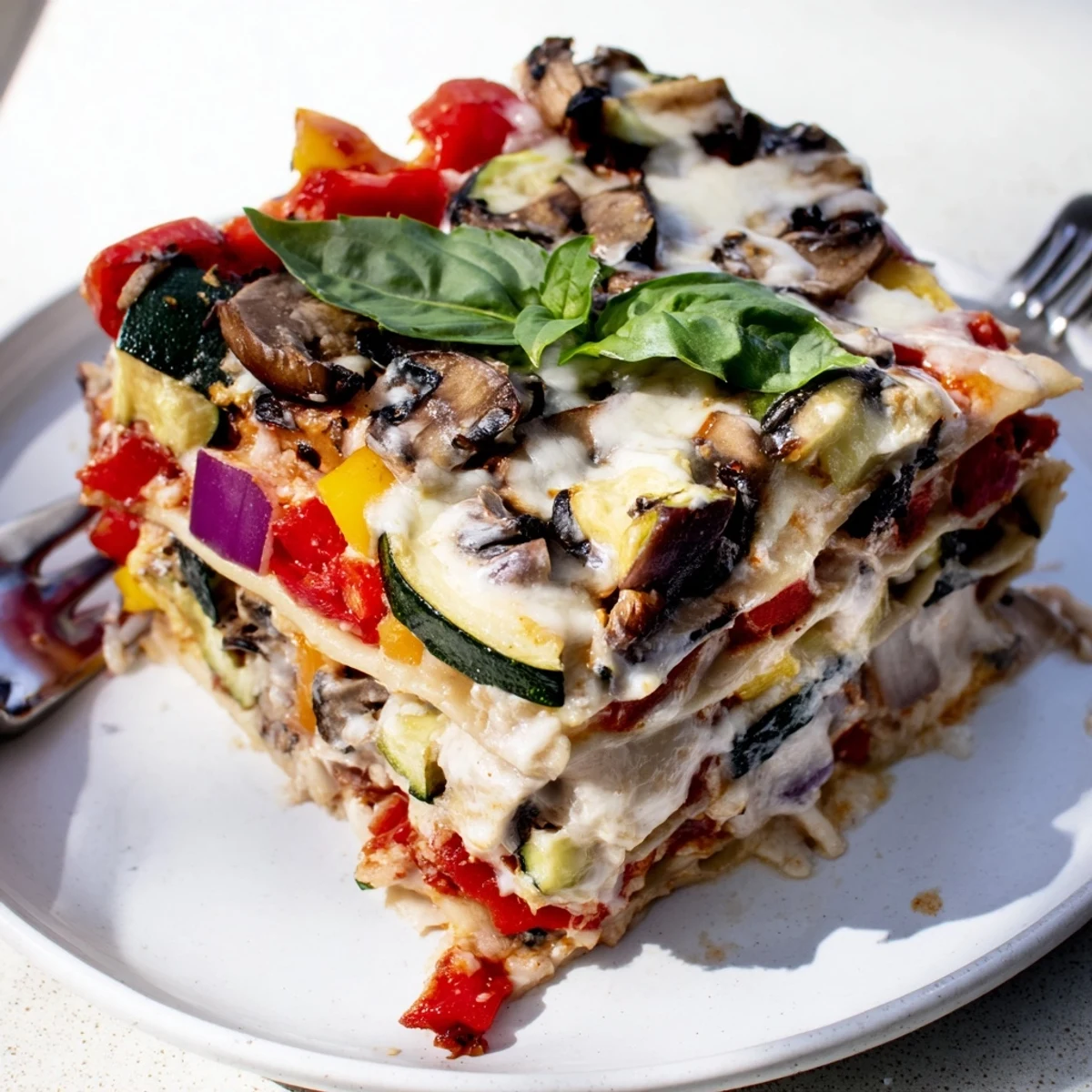
Save This oven-baked lasagna features tender roasted vegetables like zucchini, eggplant, and bell peppers layered with smooth cheese and rich tomato sauces. The creamy cheese sauce blends mozzarella and parmesan with a hint of nutmeg, complementing the oven-roasted vegetables beautifully. Baked until golden and bubbling, this dish offers a satisfying and hearty combination of flavors and textures, perfect for those seeking a warm, comforting main course with vibrant vegetable layers and delicate pasta sheets.
There's something about the way roasted vegetables lose their sharp edges and turn glossy and caramelized that always catches me off guard, even after making this lasagna dozens of times. One Sunday afternoon, my kitchen filled with that warm, honeyed smell of roasting zucchini and mushrooms, and I realized this wasn't just another dinner—it was the kind of meal that makes people linger at the table. That's when I knew this combination of tender roasted vegetables, creamy sauce, and pasta was worth perfecting.
I made this for my sister's book club once, and she texted me three days later asking if I'd give her the recipe because everyone was still talking about it. I remember her slightly embarrassed laugh when she admitted she'd already made it twice. That moment—when a recipe becomes something people ask for—is when you know you've really got something good.
Ingredients
- Zucchini: Buy medium ones; larger ones can get watery. Dicing them evenly ensures they roast at the same pace.
- Eggplant: This is the vegetable that transforms under heat, going from dense to silky and sweet. Don't skip it.
- Bell peppers (red and yellow): The color contrast matters both visually and in flavor—they bring natural sweetness to balance the earthy mushrooms.
- Red onion: It softens beautifully when roasted and adds a subtle depth that regular onion can't.
- Cremini mushrooms: Their earthy, meaty texture is essential here; button mushrooms work but feel less intentional.
- Olive oil and oregano: Quality olive oil and dried oregano are your secret weapons for making roasted vegetables taste restaurant-quality.
- Unsalted butter and flour: These are the foundation of your cheese sauce; don't rush the roux or it'll taste floury.
- Whole milk: Use full-fat; it creates a silky sauce that feels indulgent without being heavy.
- Ground nutmeg: Just a whisper of it in the cheese sauce changes everything—it's the ingredient no one can identify but everyone notices is there.
- Mozzarella and parmesan: The mozzarella melts and softens, while parmesan adds sharp depth; both together are absolutely necessary.
- Crushed tomatoes: A good crushed tomato is worth seeking out; it should taste bright and fresh, not metallic or watery.
- No-boil lasagna noodles: They save time and honestly hold the layers together better than regular noodles in this case.
Instructions
- Get your oven ready and prep the vegetables:
- Preheat your oven to 425°F and line a baking sheet with parchment paper. Dice your zucchini and eggplant into roughly the same size—this matters more than you'd think, as uneven pieces won't roast evenly. Chop your peppers and onion, slice the mushrooms.
- Season and roast:
- Toss everything with olive oil, oregano, salt, and pepper in a big bowl, then spread it out in a single layer on your baking sheet. Roast for 25–30 minutes, stirring halfway through, until the edges are golden and the vegetables have softened. Once they're done, reduce your oven to 375°F.
- Build your tomato sauce while vegetables roast:
- Heat olive oil in a saucepan over medium heat, then add minced garlic and let it perfume the oil for about a minute. Add your crushed tomatoes, basil, thyme, a pinch of sugar, salt, and pepper, then let it simmer gently for 15 minutes, stirring now and then so it doesn't catch on the bottom.
- Make the cheese sauce—this is where the magic lives:
- Melt butter in another saucepan over medium heat, then whisk in flour and cook for just about a minute to remove that raw flour taste. Slowly pour in your milk while whisking constantly to avoid lumps forming. Keep stirring as it thickens, which takes about 5–7 minutes, then stir in the nutmeg, salt, and pepper. Remove from heat and fold in both cheeses until smooth and creamy.
- Layer everything with intention:
- Spread a thin layer of tomato sauce on the bottom of your 9x13-inch baking dish. Lay down noodles, then half your roasted vegetables, a third of the cheese sauce, and a third of the remaining tomato sauce. Repeat: noodles, remaining vegetables, another third of cheese sauce, another third of tomato sauce. Top with a final layer of noodles, the last of the cheese sauce, and sprinkle your extra mozzarella and parmesan on top.
- Bake low, then high:
- Cover with foil and bake at 375°F for 30 minutes so everything gets hot through. Remove the foil and bake another 15 minutes until the top is golden and bubbling at the edges. Let it rest for 10–15 minutes before slicing; this gives the layers a chance to set so you don't end up with a lasagna avalanche on the plate.
 Save
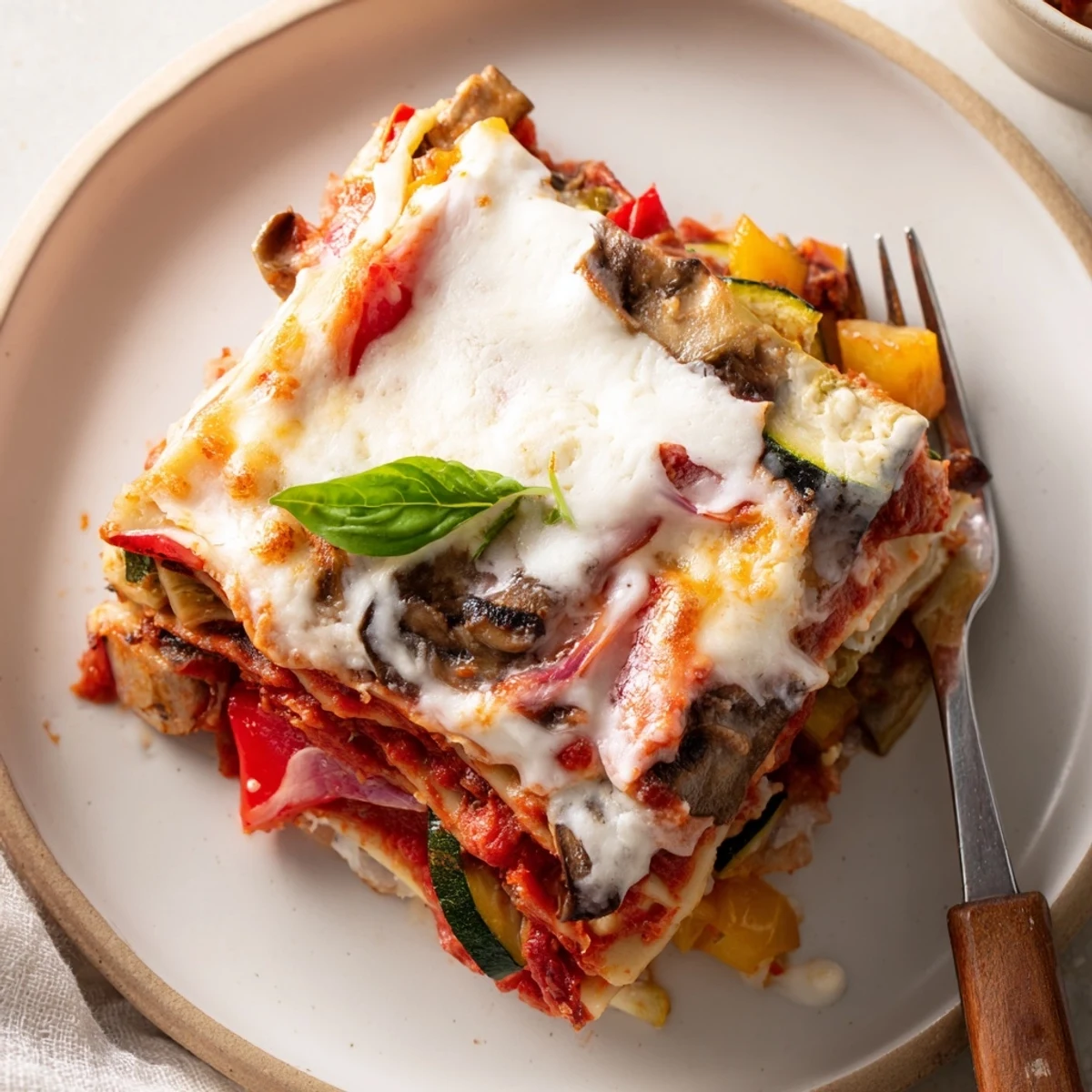
Save My friend Marco tasted this and said, almost reverently, 'This is what my nonna was trying to make,' which might be the highest compliment a lasagna can receive. I realized then that it's not about being fancy or complicated—it's about treating simple ingredients with respect and letting each one do what it does best.
Roasting Vegetables Is Everything
I used to think roasting was a fancy technique, but it's actually the easiest way to make vegetables taste like the best version of themselves. Heat and time do the work for you; the eggplant becomes silky instead of spongy, the mushrooms get deep and savory, and the peppers turn honeyed. Oven time is yours to use for other things—making the sauces, setting the table, or just standing in the quiet for five minutes.
The Sauces Make It
People always ask if the cheese sauce is too rich, and the answer is that it balances beautifully against the bright, slightly acidic tomato sauce. The real trick is not being afraid of the nutmeg—it doesn't announce itself as 'nutmeg' but it makes everything taste warmer and more complete. I've made this with shortcuts before, and it was fine, but the moment I stopped rushing the sauces is when people started asking for the recipe.
Making It Your Own
The beautiful thing about this lasagna is that it's actually a framework, not a rigid rule. I've made it with spinach and kale mixed in, with roasted carrots, with extra garlic in the tomato sauce, and it's been wonderful every time. The structure stays the same—roasted vegetables, two sauces, cheese, noodles—but you can rearrange the players.
- If you want it gluten-free, use gluten-free noodles and swap in cornstarch or a gluten-free flour blend for the roux, using a 1:1 ratio.
- A crisp green salad and a glass of Chianti alongside makes this feel like a proper meal, not just dinner.
- Leftovers heat beautifully, and honestly, they taste better the next day when all the flavors have had time to know each other.
 Save
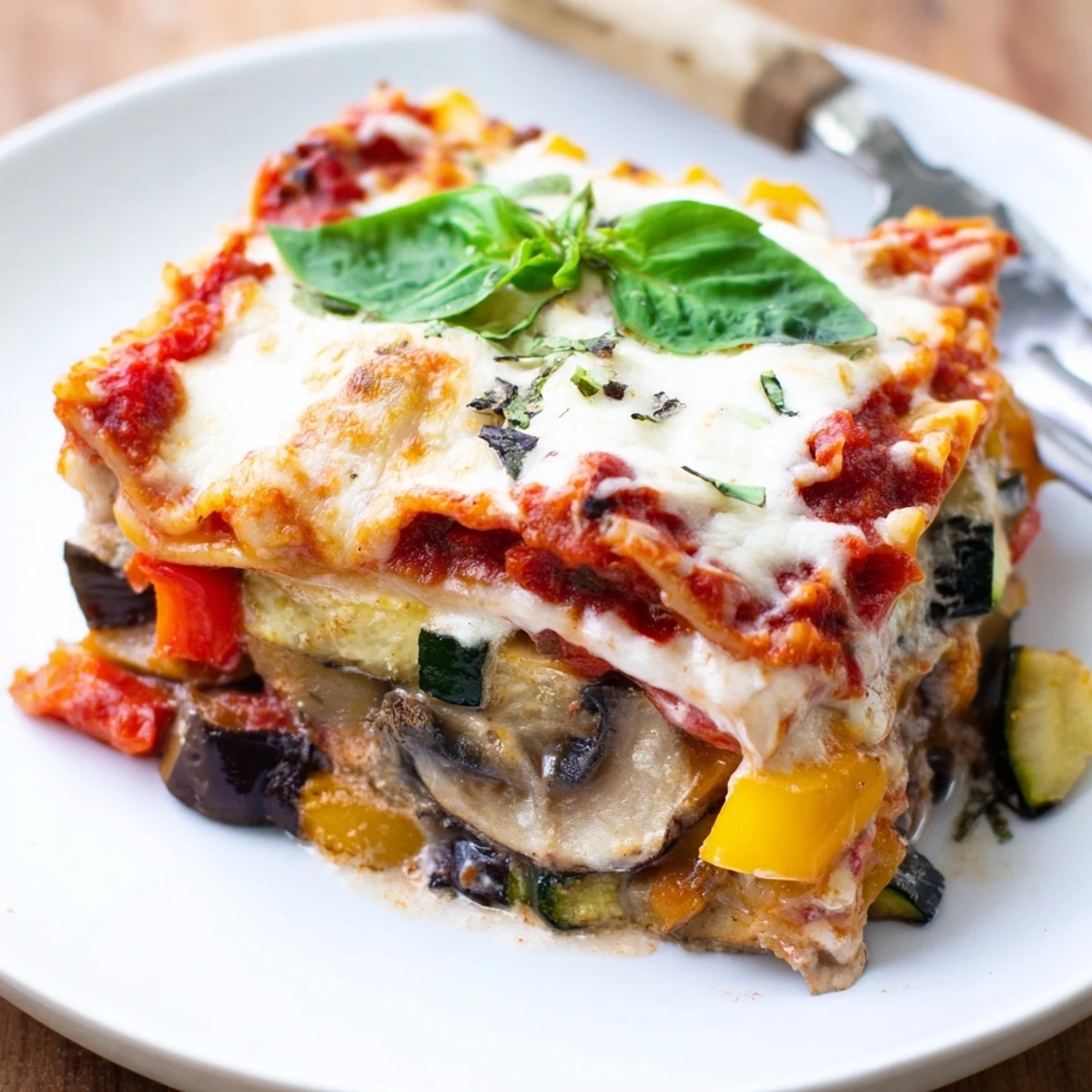
Save This lasagna has become the dish I make when I want to tell someone I care, without saying it out loud. It's the kind of food that makes people feel taken care of, and that's everything.
Recipe FAQs
- → What vegetables work best for roasting in this dish?
-
Zucchini, eggplant, bell peppers, red onion, and mushrooms roast well, becoming tender and flavorful while retaining texture.
- → How is the cheese sauce made creamy and smooth?
-
Butter and flour create a roux; milk is whisked in thereafter, thickening to a creamy base, then mozzarella and parmesan are folded in off heat.
- → Can I prepare the tomato sauce in advance?
-
Yes, simmering garlic, crushed tomatoes, and herbs ahead of time helps deepen flavor and saves time during assembly.
- → What baking temperatures and times ensure a perfectly cooked lasagna?
-
Initial roasting occurs at 425°F for vegetables, then the layered dish bakes covered at 375°F for 30 minutes, uncovered for 15 to brown.
- → Are there suggested vegetable substitutes to customize the dish?
-
Spinach, kale, or carrots can replace or complement roasted vegetables for varied flavors and textures.