
 Save
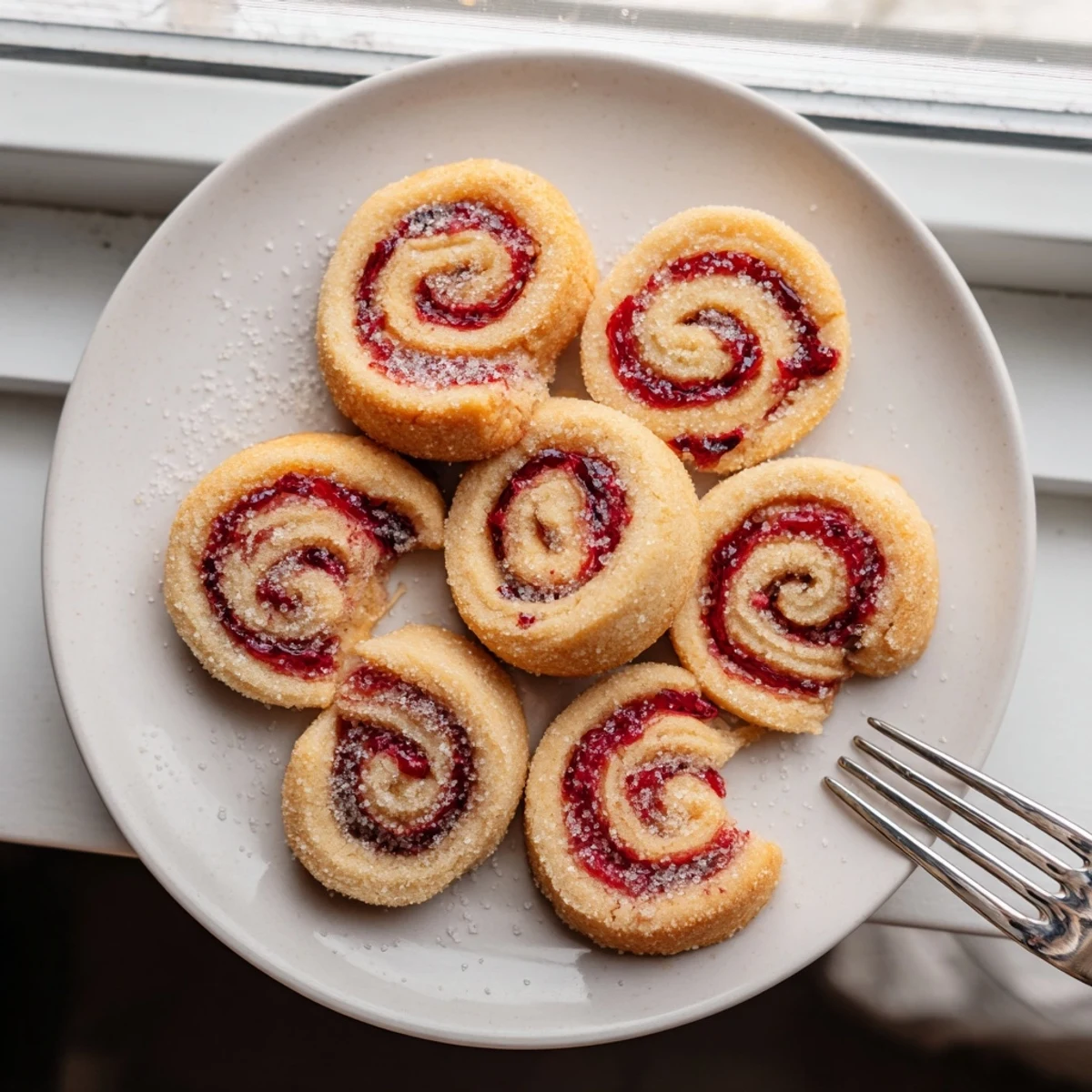
Save These elegant pinwheel cookies combine tender vanilla dough with a vibrant cranberry-orange filling, creating beautiful swirls that look as impressive as they taste. The dough features fresh orange zest for bright citrus notes, while the filling balances tart dried cranberries with sweet sugar and additional orange zest.
The process involves chilling the dough twice—once before rolling and once after forming the logs—which ensures clean slices and helps the cookies hold their signature spiral shape during baking. After just 13-15 minutes in the oven, the edges turn golden while the centers remain soft and tender.
These cookies are exceptionally versatile: they're perfect for holiday cookie exchanges, elegant enough for afternoon tea, and make lovely homemade gifts. The recipe yields 36 cookies, and they store beautifully for up to a week in an airtight container. For extra visual appeal and texture, roll the logs in coarse sugar before slicing.
My grandmother's kitchen always smelled like oranges during December, and when I found fresh cranberries on sale last winter, those memories came rushing back. I spent an entire Sunday experimenting with pinwheel designs, making a mess of flour across the counter while Christmas music played in the background. The first batch came out slightly lopsided but disappeared so quickly at work that I knew I had to perfect the technique. Now these colorful swirls are my go-to when I need something impressive but actually manageable to bake.
Last Christmas Eve, my sister called in a panic realizing she'd forgotten dessert for her in laws. I talked her through slicing these frozen logs I'd stashed away weeks earlier, and she texted me later saying they asked for the recipe three times during dinner. Something about those bright red spirals makes people assume you have professional pastry skills, which I find hilarious given how straightforward the process actually is.
Ingredients
- All-purpose flour: The structure here is crucial since this dough needs to roll without cracking, so avoid substituting with whole grain
- Unsalted butter: Soften it properly at room temperature for the creamiest texture that incorporates air into the dough
- Orange zest: Use a microplane to get just the colorful outer layer and avoid the bitter white pith beneath
- Dried cranberries: Pulse these thoroughly in the food processor so the filling spreads smoothly without tearing the delicate dough
- Orange juice: Fresh squeezed makes a noticeable difference in brightness compared to the bottled stuff
Instructions
- Whisk your dry base:
- In a medium bowl, combine flour, baking powder, and salt until evenly blended
- Build a creamy foundation:
- Beat softened butter and sugar for 2 to 3 minutes until noticeably lighter and fluffy
- Bring in the flavor:
- Add the egg, vanilla extract, and orange zest, beating until fully incorporated
- Form the dough:
- Gradually mix in the flour blend just until everything comes together into a smooth ball
- Let it rest:
- Divide dough in half, flatten into discs, wrap well, and refrigerate for 1 hour
- Make the filling:
- Pulse cranberries, sugar, orange zest, orange juice, and water until finely chopped and spreadable
- Roll with precision:
- Between parchment sheets, roll one dough portion into a 9x12 inch rectangle
- Spread and roll:
- Evenly coat the dough with half the filling, leaving a border, then roll tightly into a log
- Chill again:
- Wrap your logs and refrigerate at least 1 hour or freeze for easier slicing
- Slice and bake:
- Cut rounds 1/4 inch thick and bake at 350°F for 13 to 15 minutes until golden edged
 Save
Save My neighbor smelled these baking and actually knocked on my door to ask what I was making. I ended up bringing over a small plate, and now every time she sees me buying cranberries at the store, she gives me this knowing wink like I'm planning something special. Food really does build those little bridges between people.
Getting The Perfect Swirl
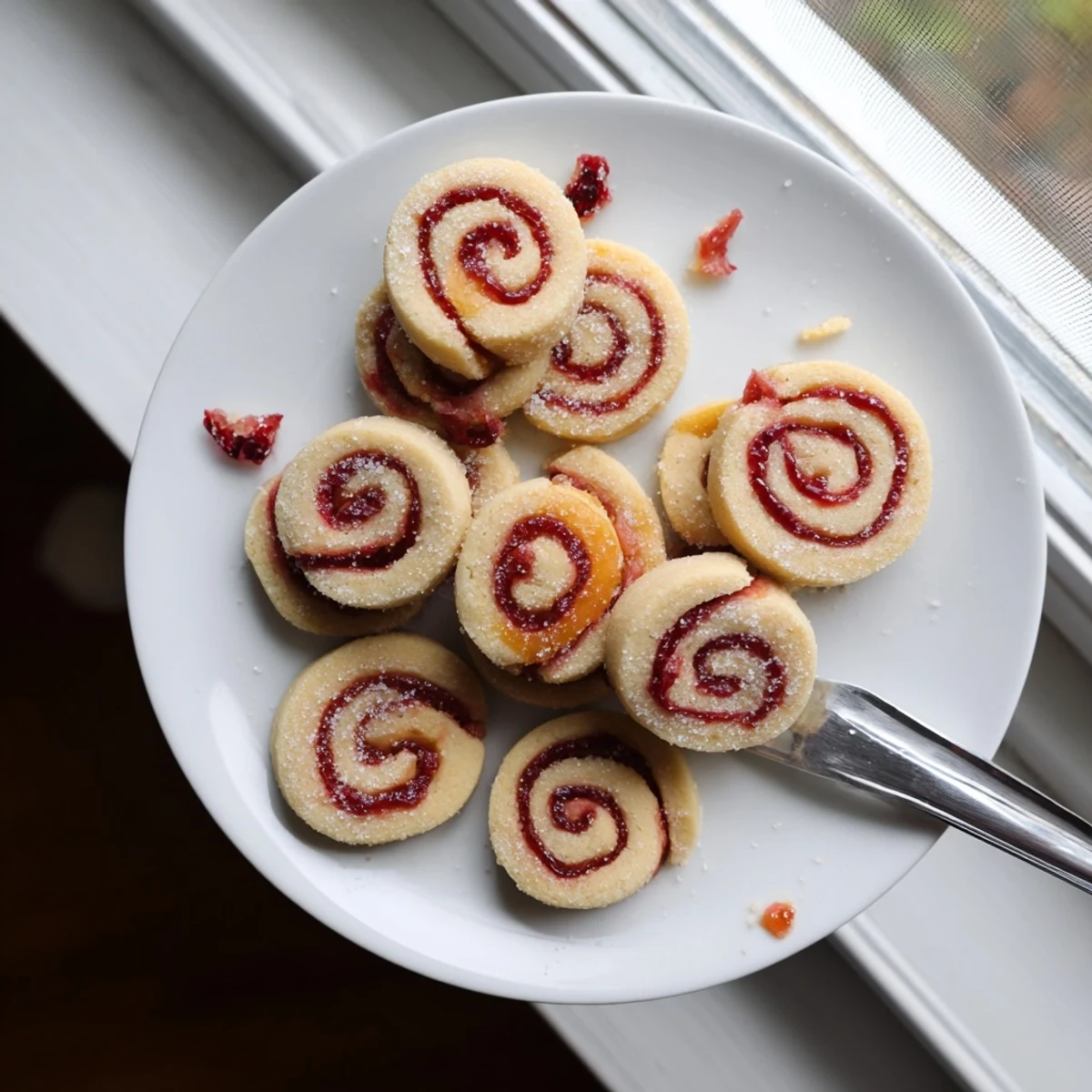
The secret to those Instagram worthy spirals is rolling the dough as tightly as you can without squeezing out the filling. I learned to use the parchment paper like a conveyor belt, lifting it to help roll the dough forward rather than trying to manipulate the log with my hands alone. One holiday I rushed this step and ended up with loose spirals that baked into uneven shapes, but slowing down made such a difference in the final presentation.
Timing Your Baking Day
I break this into two manageable sessions, making the dough and filling one evening, then rolling and chilling overnight. Fresh dough rolls out so much easier when it's had that extended rest in the refrigerator, and I appreciate not having to clean up the food processor and mixing bowls on baking day. Plus, slicing cold, firm logs feels almost therapeutic compared to wrestling with soft dough.
Storing And Gifting
These cookies actually improve slightly after a day as the flavors meld together and the texture sets. I keep them in layers between parchment paper in airtight containers, and they maintain their lovely spiral definition for over a week. For gifts, I wrap stacks in clear bags with ribbon and attach a little note about slicing frozen logs for fresh cookies anytime.
- Dip one edge in white chocolate for an extra festive touch
- Try lemon lime or grapefruit zest variations for different seasons
- Double the recipe and keep extra logs in your freezer for unexpected guests
 Save
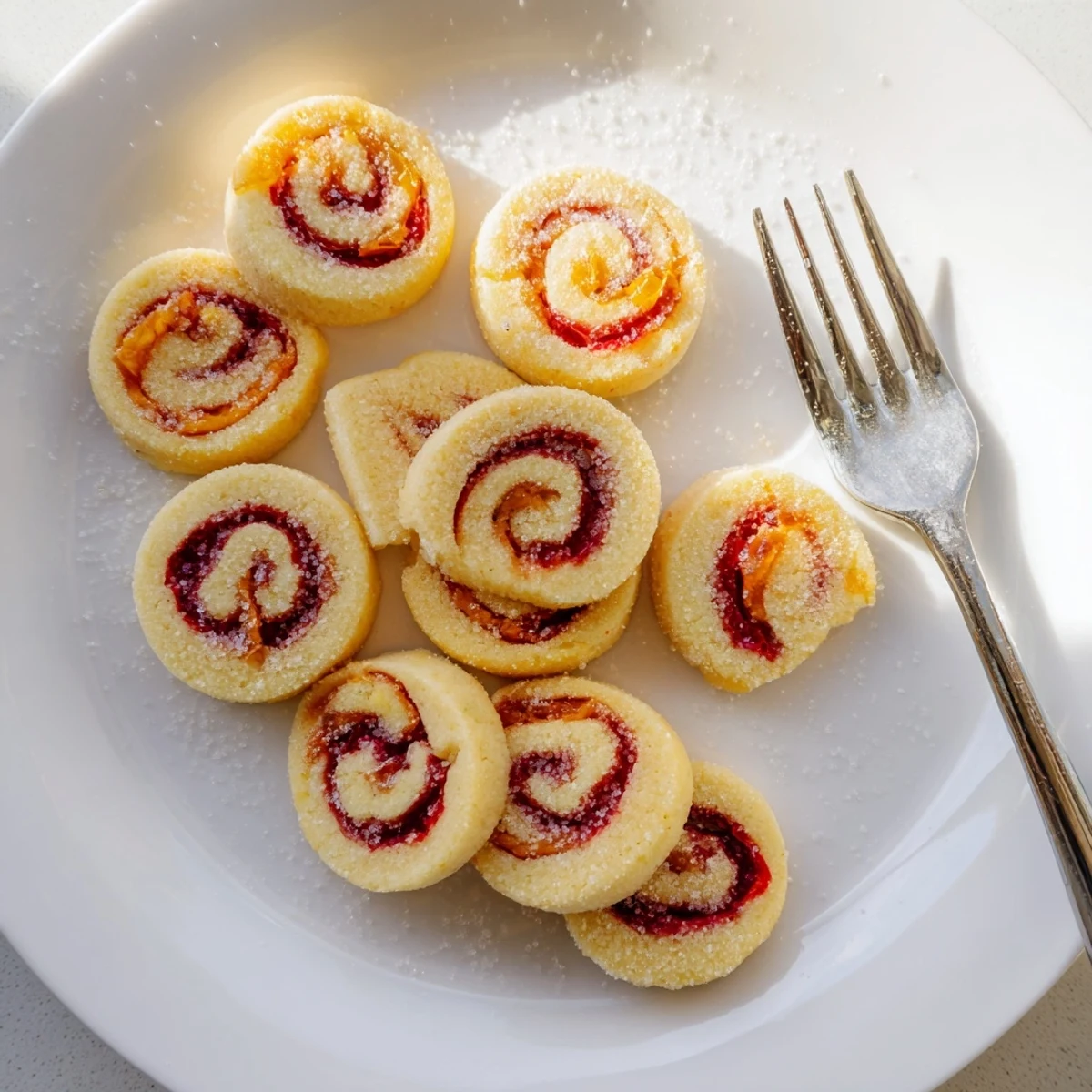
Save There's something so satisfying about revealing those perfect spirals when you slice into the chilled log. Every batch still feels like a tiny victory.
Recipe FAQs
- → Can I make the dough ahead of time?
-
Yes, the dough can be prepared and refrigerated for up to 24 hours before rolling. The filled logs can also be wrapped and frozen for up to 2 months—just slice them frozen and add an extra minute or two to the baking time.
- → Why do the edges of my cookies look uneven after slicing?
-
For perfectly clean slices, use a sharp knife and wipe it clean between cuts. Alternatively, use dental floss or unflavored waxed thread—slide it under the log, cross the ends over the top, and pull tightly to slice through the dough without compressing the spiral.
- → Can I use fresh cranberries instead of dried?
-
Fresh cranberries contain too much moisture and would make the filling soggy, causing the dough to become difficult to roll and slice. Dried cranberries provide the right consistency and concentrated tartness needed for the filling.
- → How do I know when the cookies are done baking?
-
The cookies are ready when the edges are lightly golden and the centers are set but still soft. They will continue to firm up as they cool on the baking sheet. Avoid overbaking, as this can dry out the delicate swirl pattern.
- → Can I substitute lemon or lime for the orange?
-
Absolutely! Lemon zest and juice work beautifully for a bright, tangy variation. Lime can also be used for a more tropical twist. Keep the same measurements and expect a slightly different flavor profile that's equally delicious.