
 Save
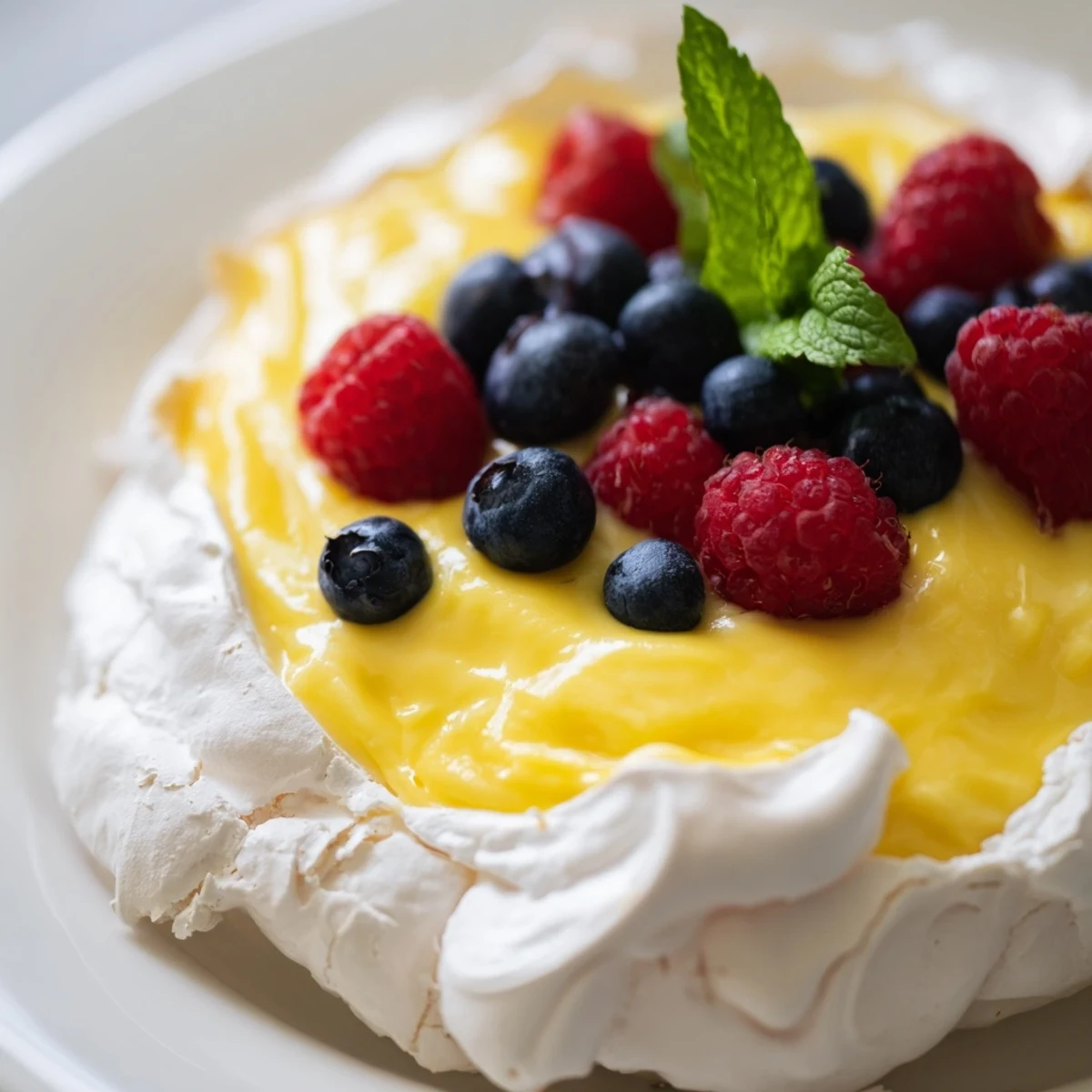
Save Create an elegant dessert featuring crisp, cloud-like meringue shells filled with vibrant citrus curd. The meringues emerge from low-temperature baking with delicate crunch and marshmallow-soft centers, while the curd balances bright lemon and orange notes against rich butter.
This European-style sweet shines for dinner parties yet remains simple enough for weekday treats. The naturally gluten-free preparation delivers sophisticated flavors through straightforward technique—beat egg whites to glossy peaks, slowly dry in a gentle oven, and whisk yolks with fresh citrus over simmering water.
The afternoon sun was streaming through my kitchen window when I first attempted meringues, convinced they would be simple. Instead, I watched eight puffy white clouds collapse into sticky puddles within minutes. Three attempts later, standing in my pajamas at midnight, I finally understood the magic of patience and room temperature eggs. Now these crisp shells filled with bright citrus curd are my go-to when I need something that looks impressive but actually requires mostly waiting.
I made these for my mothers birthday last spring, nervously piping the meringue nests while she pretended not to watch. When she bit into that first spoonful of tangy curd against the sweet crunch, she closed her eyes and didnt speak for a full minute. That silent approval meant more than any compliment could have.
Ingredients
- 4 large egg whites at room temperature: Cold whites wont whip properly, so leave them out for at least 30 minutes
- 1 cup superfine sugar: Dissolves faster than regular sugar, preventing grainy meringues
- 1/2 teaspoon cream of tartar: Stabilizes the egg whites so they hold their shape beautifully
- 1/2 teaspoon vanilla extract: Adds a subtle warmth that balances the bright citrus
- Pinch of salt: Helps strengthen the egg white structure
- 3 large egg yolks: Room temperature yolks emulsify better with the butter
- 2/3 cup granulated sugar: Regular sugar works perfectly in the curd
- 1/4 cup fresh lemon juice plus 2 tablespoons orange juice: The combination creates a complex citrus flavor
- 1 tablespoon each lemon and orange zest: Fresh zest is non negotiable for that bright aromatic punch
- 4 tablespoons unsalted butter cubed: Creates that luxurious velvety texture
Instructions
- Prepare your oven and baking sheets:
- Preheat to 225°F and line two baking sheets with parchment paper, tracing 8 circles as guides if you want uniform meringues
- Begin the egg whites:
- Beat room temperature egg whites with salt on medium speed until foamy, then add cream of tartar
- Add sugar gradually:
- With mixer on high, add superfine sugar one tablespoon at a time, waiting 10 seconds between additions
- Check for stiff glossy peaks:
- The meringue should stand straight up when beaters are lifted and look smooth and glossy, then beat in vanilla
- Shape the meringues:
- Spoon or pipe 8 mounds onto prepared sheets, using the back of a spoon to create a small well in each center
- Bake slowly:
- Bake for 1 hour 15 minutes until dry to the touch, then turn off oven and let cool completely inside for 30 minutes
- Start the citrus curd:
- Whisk egg yolks, sugar, both juices, and both zests in a heatproof bowl until smooth
- Cook the curd gently:
- Set bowl over simmering water, stirring constantly until thickened enough to coat a spoon, about 8 to 10 minutes
- Finish the curd:
- Remove from heat and whisk in butter one cube at a time until melted and silky, then cool to room temperature
- Assemble and serve:
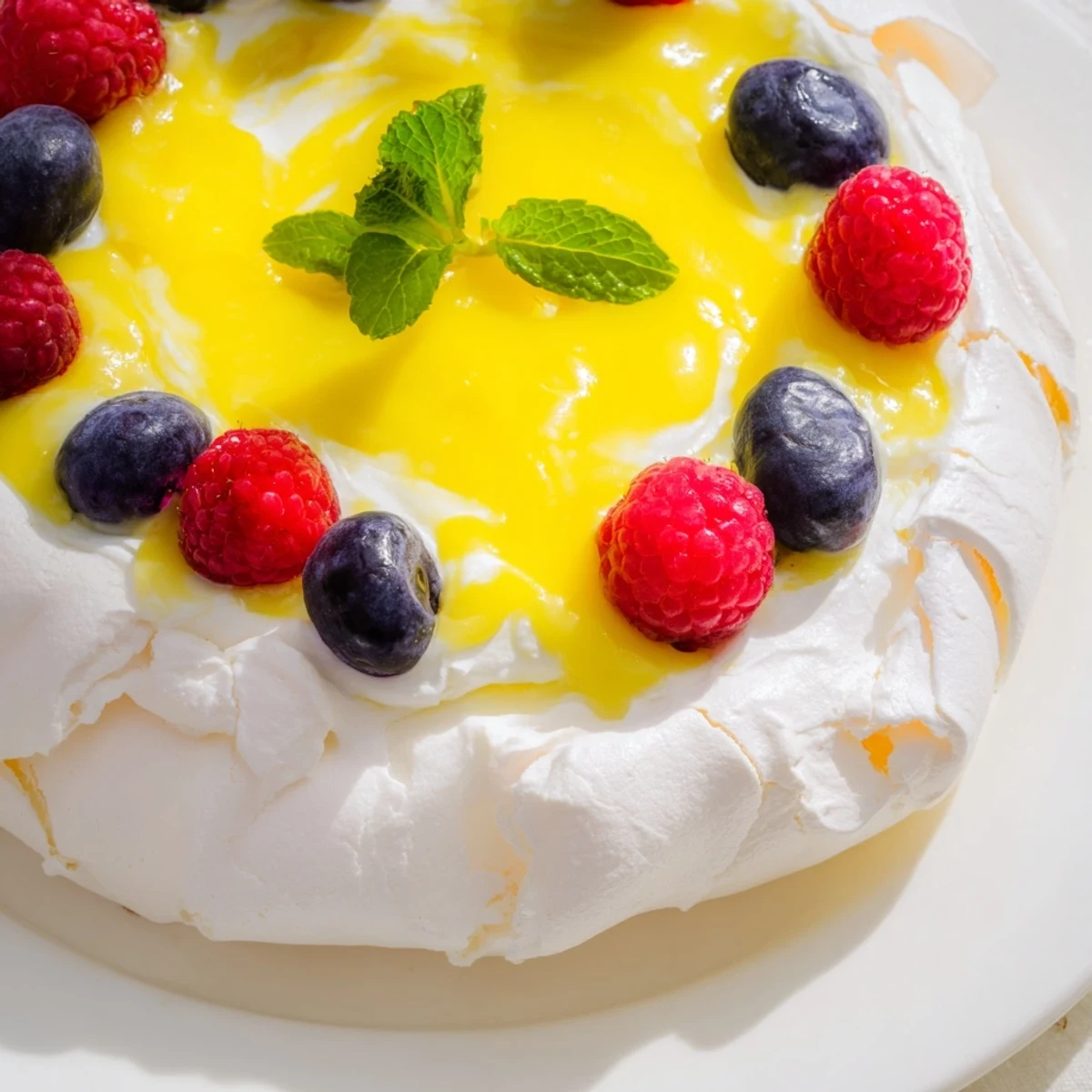
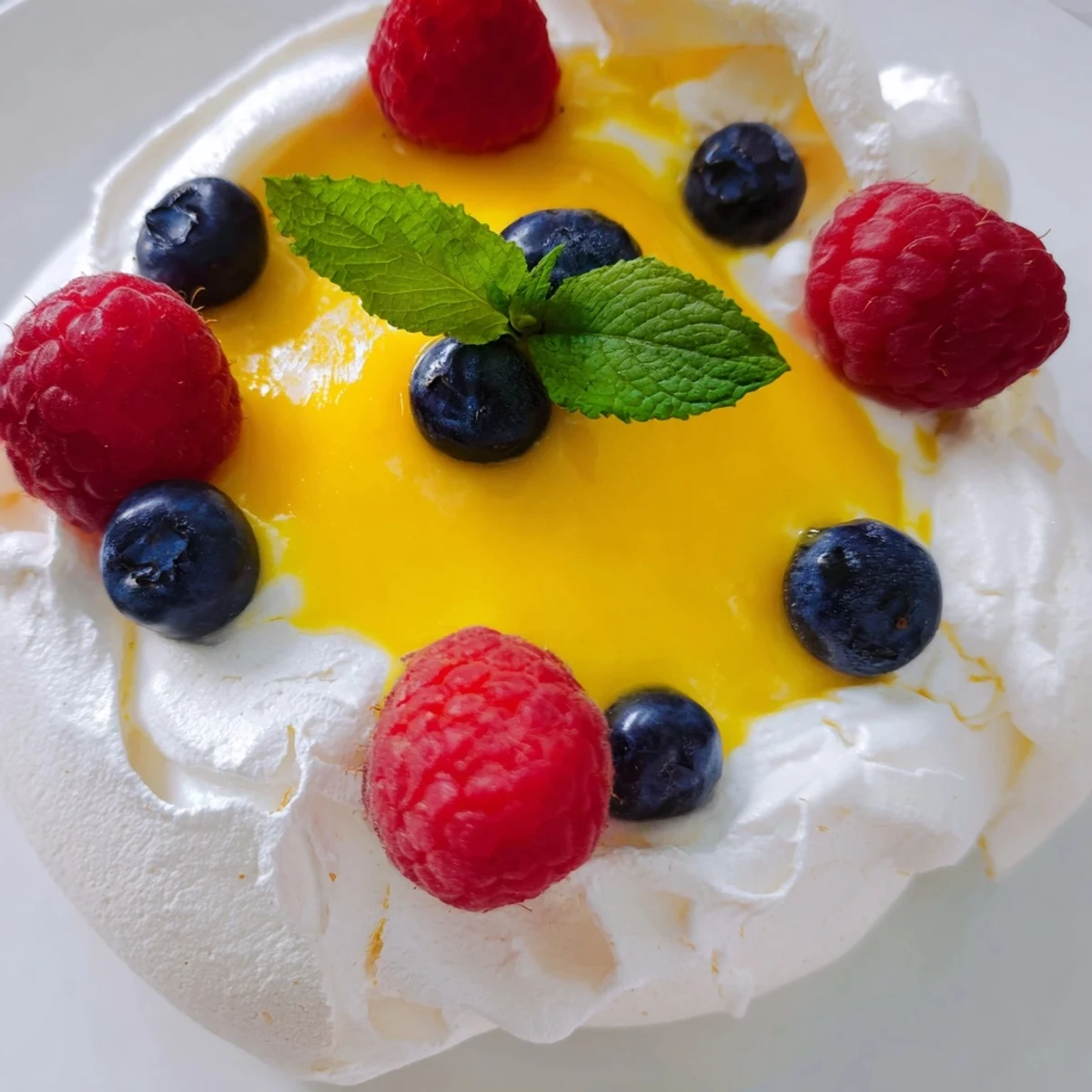
- Spoon cooled curd into meringue centers and add fresh berries or mint if you like
 Save
Save My neighbor Teresa came over during that midnight baking session, attracted by the persistent whirring of my mixer. We ate the collapsed failures straight from the bowl with spoons, laughing at my determination to master these seemingly simple clouds. Now she texts me every time she spots meringues on a restaurant menu, remembering our kitchen floor picnic.
Getting The Perfect Peaks
The secret to meringues that dont weep is adding sugar slowly, giving it time to dissolve completely. If you rub a bit between your fingers and still feel grit, keep beating. Those undissolved sugar crystals attract moisture and make your beautiful meringues sticky and sad.
Mastering The Curd
Double boilers feel fussy but they prevent scrambled eggs, which nobody wants in their dessert. Keep the water at a gentle simmer, never boiling, and stir constantly. The moment it thickens is sudden and satisfying, transforming from thin liquid into pudding like velvet right before your eyes.
Serving Suggestions
Serve these within an hour of filling, otherwise the meringues start to soften from the moisture in the curd. That said, slightly softened meringues have their own charms, like a marshmallow texture that some people actually prefer.
- Leftover curd is incredible stirred into yogurt or spread on toast
- Try grapefruit or lime juice instead of lemon for different seasons
- A dusting of powdered sugar right before serving makes them look extra special
 Save
Save These are the kind of dessert that make people feel special without realizing how simple they actually are. Watch their faces when they bite into that impossible combination of crisp and creamy.
Recipe FAQs
- → What makes meringues crisp?
-
Drying meringues at low temperature (225°F) for over an hour removes moisture completely, creating the signature crisp exterior. Cooling them inside the turned-off oven prevents sudden temperature changes that could cause cracking or sogginess.
- → Can I make citrus curd ahead?
-
Yes, citrus curd keeps well refrigerated for up to one week in an airtight container. The butter helps preserve it, and flavors often deepen after chilling. Bring to room temperature before serving for smoother texture.
- → Why use cream of tartar?
-
Cream of tartar stabilizes egg whites, helping them hold their volume during beating and baking. It creates stronger protein bonds, resulting in stiffer peaks that maintain shape during the long drying process.
- → How do I know when curd is thick enough?
-
The curd is ready when it coats the back of a spoon and leaves a clear trail when you drag your finger through it. This typically takes 8-10 minutes of constant stirring over the double boiler.
- → Can I substitute the citrus juices?
-
Absolutely. Try all lemon for sharper tang, all orange for milder sweetness, or incorporate lime, grapefruit, or tangerine. Maintain the same total liquid measurement for proper thickening.
- → Why must the bowl be clean and dry?
-
Any fat or water residue interferes with egg white protein structure, preventing proper volume development. Even trace amounts of yolk or grease can ruin meringue texture, so use thoroughly cleaned, grease-free equipment.