
 Save
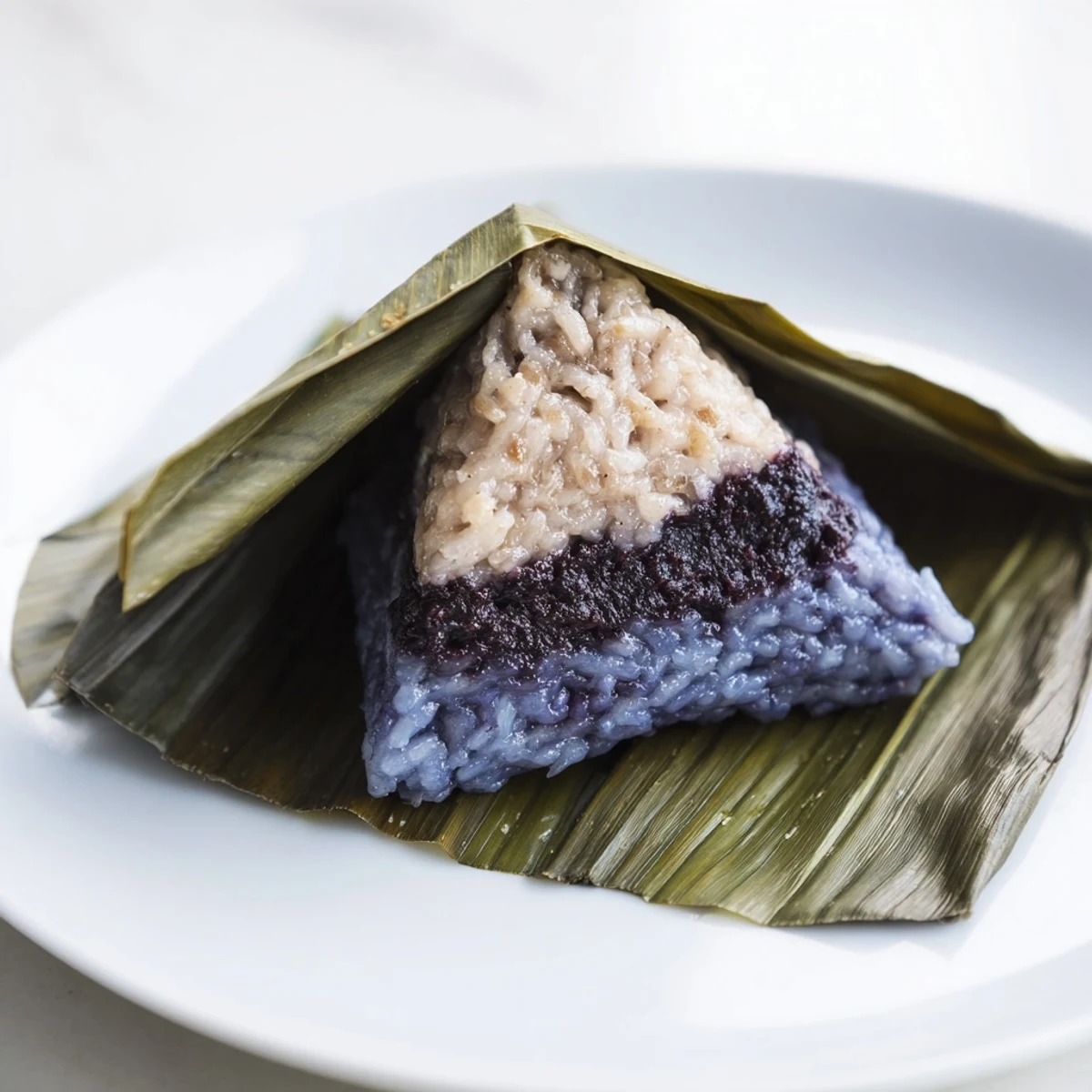
Save Pulut Inti represents the essence of Malaysian kuih culture, combining pillowy steamed glutinous rice with a rich, caramel-like coconut topping. The rice absorbs creamy coconut milk during steaming, creating a perfectly balanced base for the sweetened coconut mixture. Palm sugar lends deep, complex sweetness while pandan leaf adds subtle floral notes.
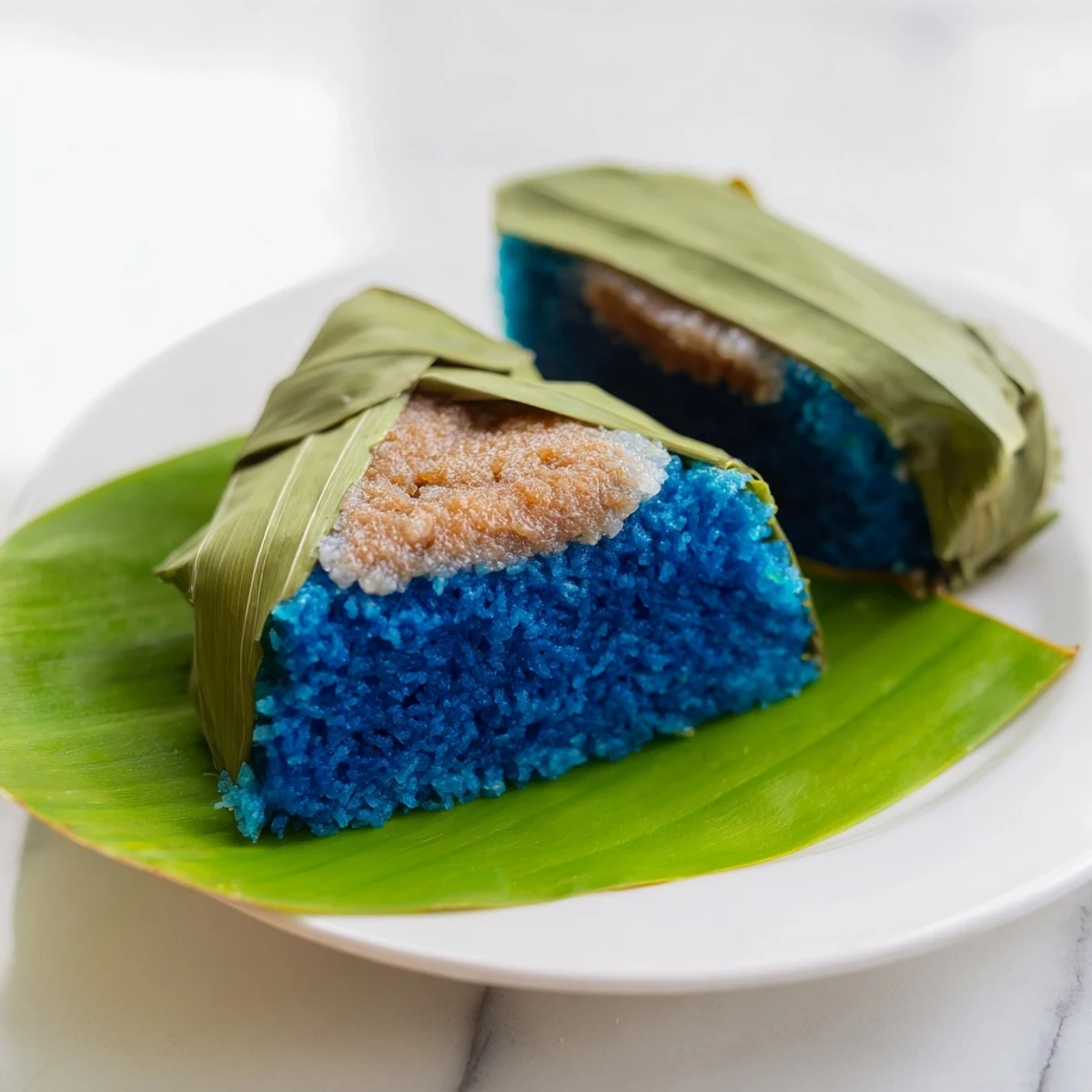
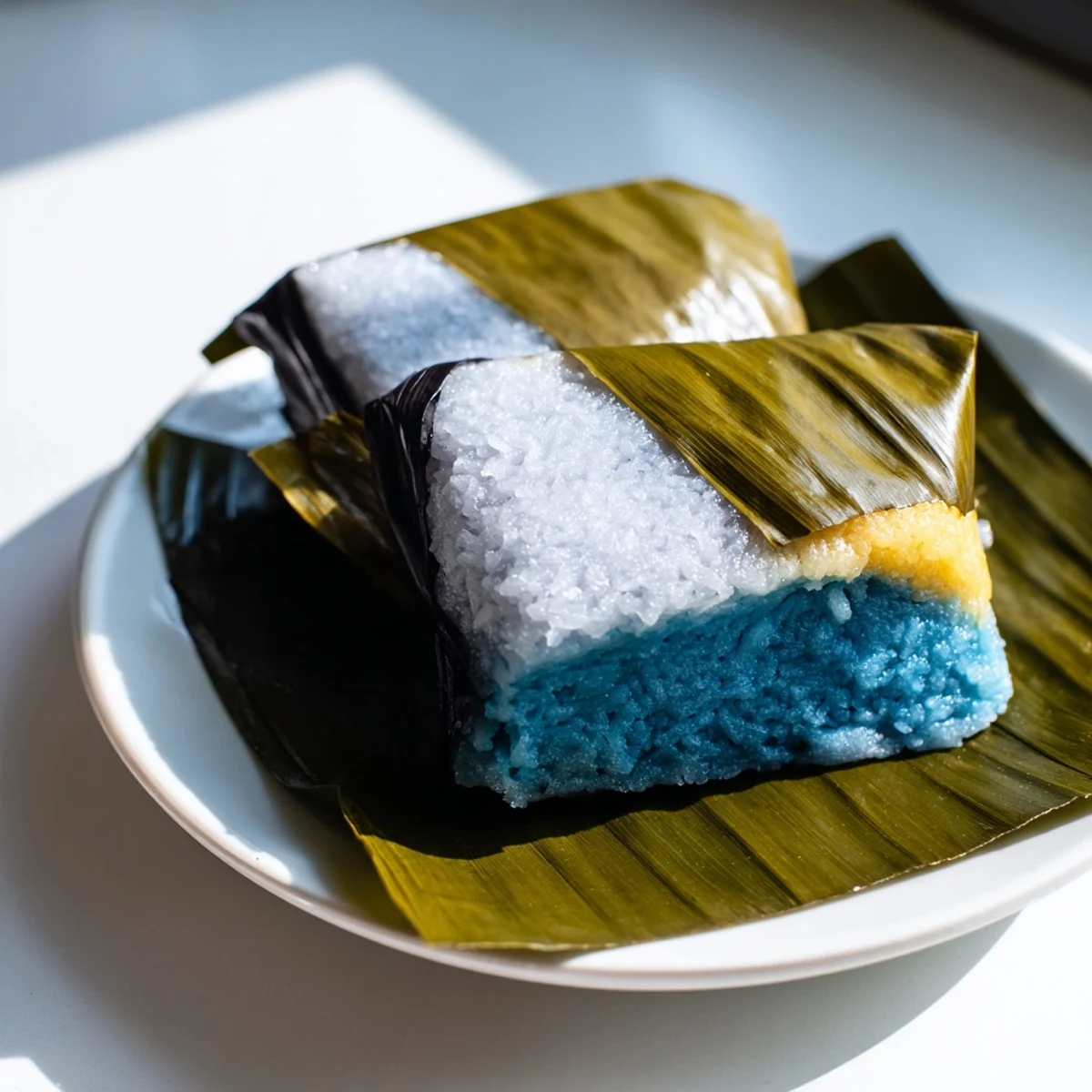
The optional blue pea flower extract creates stunning indigo hues, making this dessert visually striking. Wrapping in banana leaves imparts an earthy aroma and keeps the layers intact. Best enjoyed at room temperature, the contrast between chewy rice and moist coconut topping creates an irresistible texture.
The first time I bit into a homemade pulut inti at my aunt's house in Kuala Lumpur, the combination of sticky rice and sweet coconut stopped me mid conversation. I spent the entire afternoon pestering her in the kitchen, watching how she folded the banana leaves with practiced hands. Now whenever that distinctive pandan fragrance fills my kitchen, I'm transported back to that humid afternoon where I learned patience is the secret ingredient.
Last Ramadan, I made a huge batch to share with neighbors. One elderly Malay auntie came by and told me my blue tint from butterfly pea flowers reminded her of her grandmothers version. That small moment of connection over something so simple made all the steaming and stirring worth it.
Ingredients
- 1 cup glutinous rice soaked 4+ hours: This long soak is non negotiable it transforms hard grains into the tender sticky texture that defines this kuih
- 2/3 cup coconut milk: Full fat is best here since it creates that rich creamy mouthfeel that water alone cant achieve
- 1/4 tsp salt: Just enough to balance the sweetness without making it savory
- 1–2 drops blue pea flower extract: Completely optional but that striking blue color makes people gasp when you unwrap them
- 1 cup fresh grated coconut: Frozen works in a pinch but fresh gives you those fluffy separate strands we want
- 1/2 cup palm sugar chopped: Gula Melaka has this incredible smoky caramel flavor that brown sugar cant quite replicate
- 1/4 cup water: Just enough to dissolve the sugar into a syrup that coats every coconut strand
- 1 pandan leaf knotted: The vanilla of Southeast Asian cooking it adds this subtle floral background note
- Banana leaves cut into squares: Soften them in hot water first or theyll crack when you try to fold
Instructions
- Get your rice ready:
- Drain that soaked rice well and stir it together with the coconut milk salt and blue drops until every grain is coated
- Steam until tender:
- Let it steam for 30 to 35 minutes but give it a gentle stir halfway through so the bottom doesnt get too mushy
- Make the sweet coconut topping:
- Dissolve the palm sugar in water with that pandan leaf swimming around then fish out the leaf before adding coconut
- Cook the filling:
- Keep stirring over low heat for 5 to 8 minutes until the coconut is coated in glossy syrup but still looks moist not dry
- Wrap it all up:
- Scoop about 2 tablespoons of rice onto a softened leaf press it down gently and pile that coconut filling on top before folding
 Save
Save My daughter now asks for these every weekend calling them Malaysian rice cakes. Watching her small hands try to fold the leaves imperfectly but with such concentration reminds me food is about connection not perfection.
Getting the Rice Texture Right
The soaked rice should feel slightly tacky between your fingers before steaming. After steaming press a grain between your thumb and index finger it should mash easily but still hold its shape. If its still crunchy give it another 5 minutes.
Mastering the Coconut Topping
The key is cooking the coconut just until it absorbs all that beautiful dark syrup. You want it glossy and fragrant not dry and clumpy. Trust your nose more than the timer when that toasty coconut smell hits you youre close to done.
Wrapping Like a Pro
Dont stress about perfect folds the rustic look is part of the charm. Just make sure the rice layer is even so the topping doesnt slide off. Place them seam side down on a plate so they hold their shape.
- Wet your fingers with a little oil when shaping the rice to prevent sticking
- Leftover banana leaves can be frozen for months
- These taste even better the next day as the flavors meld together
 Save
Save Make a double batch because these disappear faster than you expect. Happy wrapping.
Recipe FAQs
- → What does Pulut Inti taste like?
-
Pulut Inti features chewy, slightly salty glutinous rice balanced against sweet, aromatic coconut topping. The palm sugar provides deep caramel notes while the coconut milk creates richness. Banana leaf wrapping adds subtle earthy undertones.
- → Can I make Pulut Inti without banana leaves?
-
Absolutely. Serve the steamed rice topped with coconut mixture on small plates or use parchment paper squares for wrapping. The flavor remains authentic, though you'll miss the aromatic banana leaf essence.
- → How long should I soak glutinous rice?
-
Soak for at least 4 hours, ideally overnight. Proper soaking ensures even steaming and the desired sticky, tender texture. Insufficient soaking results in undercooked, hard grains.
- → What can substitute palm sugar?
-
Brown sugar works in a pinch, though the flavor profile changes. Palm sugar (gula Melaka) has distinctive smoky, caramel notes. For closest alternative, use dark brown sugar with a touch of molasses.
- → How do I store Pulut Inti?
-
Keep at room temperature in an airtight container for up to one day. For longer storage, refrigerate and re-steam briefly before serving to restore texture. Avoid freezing as it affects the rice's consistency.
- → Is Pulut Inti gluten-free?
-
Yes, glutinous rice is naturally gluten-free despite its name. Verify your coconut milk and other ingredients are certified gluten-free to avoid cross-contamination if you have severe sensitivities.