
 Save
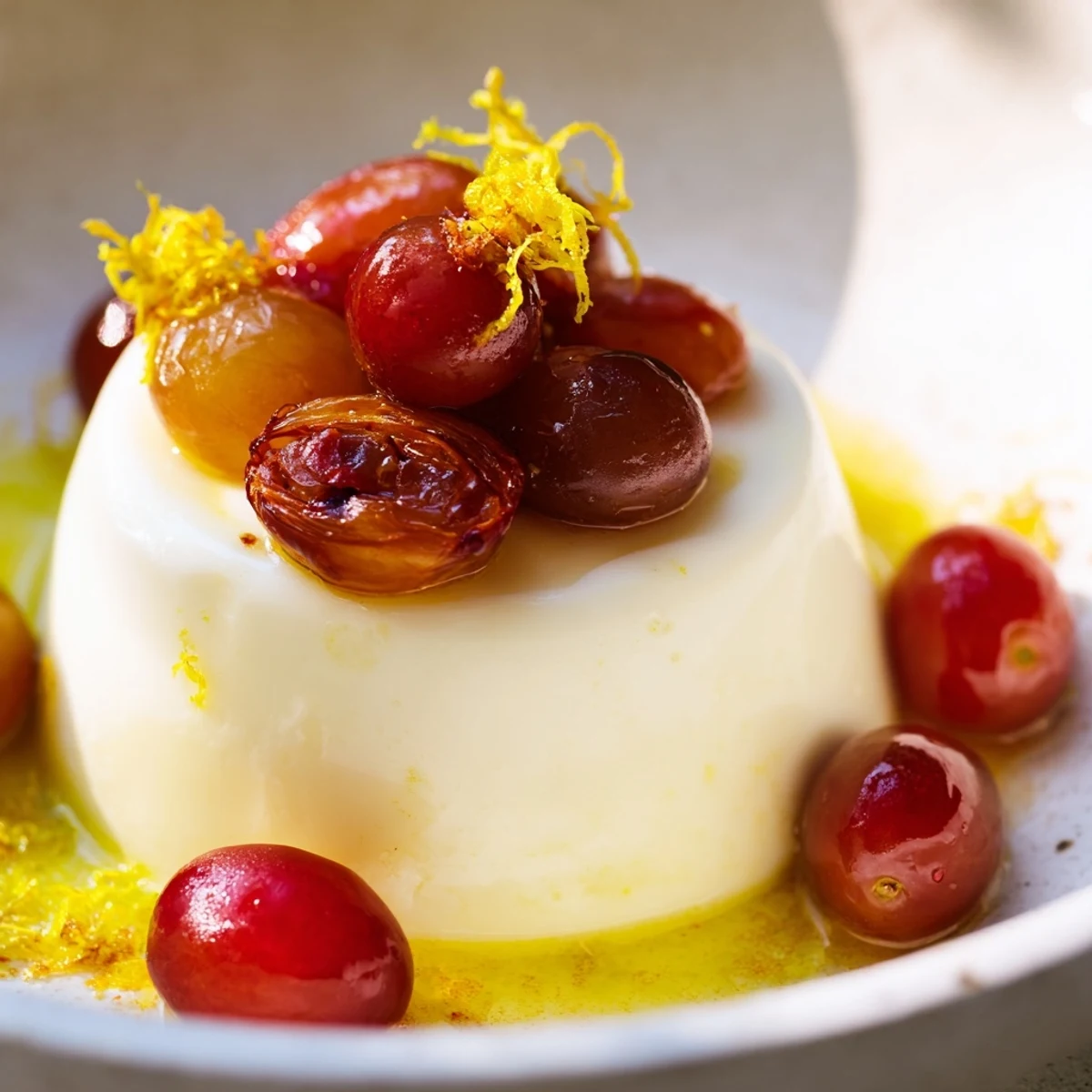
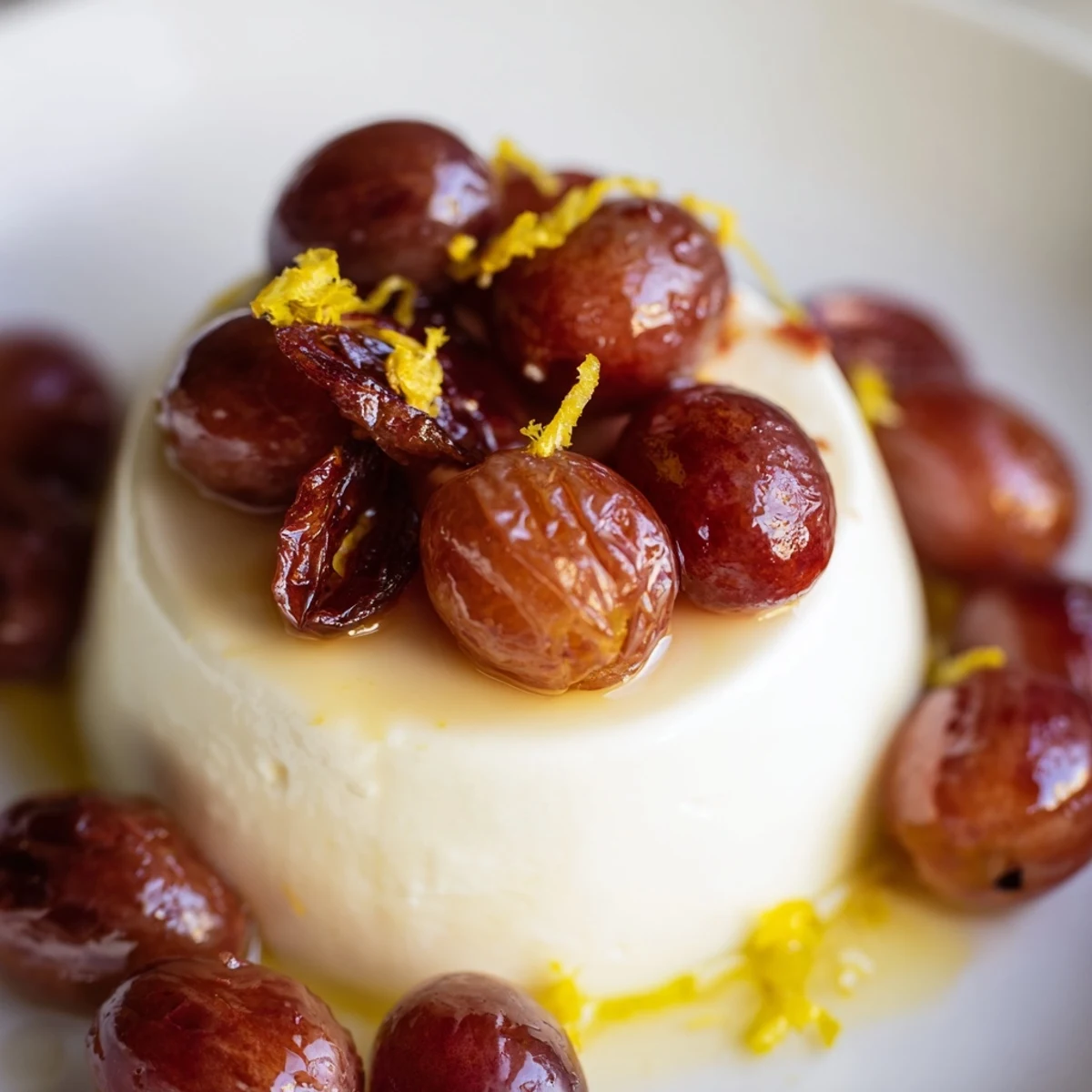
Save This elegant Italian dessert combines a silky, citrus-infused cream base with the sweet-tart pop of grapes prepared two ways. The lemon panna cotta sets into a smooth, velvety texture that balances beautifully against warm, caramelized roasted grapes and cool, fresh grape halves.
Perfect for dinner parties or special occasions, this make-ahead dessert requires just 20 minutes of active prep time before chilling to set. The combination of heavy cream and whole milk creates richness, while fresh lemon zest and juice provide bright, refreshing notes that cut through the creamy base.
Roasting half the grapes concentrates their natural sugars and adds depth, while keeping the remaining grapes raw offers juicy freshness and visual appeal. A touch of olive oil, honey, and optional thyme elevates the roasted grapes to something truly special.
The first time I served panna cotta to my Italian neighbors, they looked skeptical until they took that first bite. Something about the way the roasted grapes collapse into sweet, jammy pools while the fresh ones pop with juice just makes absolute sense on top of all that creamy lemon. I've made this for dinner parties in every season, and it never fails to make people pause mid-conversation.
Last summer I made this for a backyard dinner when our kitchen AC broke and I refused to turn on the oven for anything but the grapes. Everyone sat around in the twilight, spooning into these little glasses and not saying much because sometimes food just needs quiet appreciation. Someone asked for the recipe before they'd even finished their portion.
Ingredients
- Heavy cream: Use the good stuff here, this is the backbone of the whole dessert and nothing ruins panna cotta faster than watery cream
- Whole milk: Lightens it just slightly so you're not hitting a pure fat wall, plus it helps the gelatin distribute evenly
- Granulated sugar: Don't reduce this too much or the gelatin structure gets weird, sugar actually helps it set properly
- Lemon zest: Use a microplane if you have one, you want those tiny fragrant threads not bitter white pith
- Fresh lemon juice: Room temperature juice incorporates better than cold, which can cause the gelatin to seize up into tiny lumps
- Unflavored powdered gelatin: One standard packet is perfect, bloom it properly and you'll get that elegant wobble every time
- Cold water: Use exactly two tablespoons and pour it over the gelatin in a thin layer so every crystal gets hydrated
- Pure vanilla extract: Warm things up a bit, the lemon needs something to lean against so it's not too sharp
- Pinch of salt: Almost invisible but pulls everything together, like that final adjustment you make to a sauce before serving
- Seedless red or black grapes: Concords are too seedy, green grapes too tart, you want that deep wine flavored sweetness
- Olive oil: Just a tiny amount helps the grapes caramelize instead of just drying out in the heat
- Honey: Adds a floral note that plays really nicely with the thyme, if you have citrus honey even better
- Fresh thyme leaves: Optional but honestly it makes this taste like it came from a restaurant kitchen
Instructions
- Prep your vessels:
- Give six ramekins or pretty glasses the lightest coating of oil, you want them to release later but not taste greasy
- Bloom the gelatin:
- Sprinkle it over cold water and walk away for five minutes, this step is non-negotiable for smooth results
- Warm the dairy base:
- Heat cream, milk, sugar, zest, and salt until it's barely steaming, bubbles will ruin the texture so pay attention
- Dissolve the gelatin:
- Whisk the bloomed gelatin into the hot cream until you can't see any grains or strands
- Add the bright notes:
- Pour in lemon juice and vanilla, whisking gently to avoid creating too many air bubbles
- Strain for silkiness:
- Pour everything through a fine mesh sieve to catch any rogue bits of zest or undissolved gelatin
- Portion and chill:
- Divide evenly among your prepared vessels, let them cool completely, then refrigerate for at least four hours
- Roast half the grapes:
- Toss one cup with oil, honey, and thyme, then roast at 400°F until they're soft and bubbling, about twelve minutes
- Prep the fresh ones:
- Cut the remaining grapes in half and keep them cold, this temperature difference matters when you're eating
- Assemble with intention:
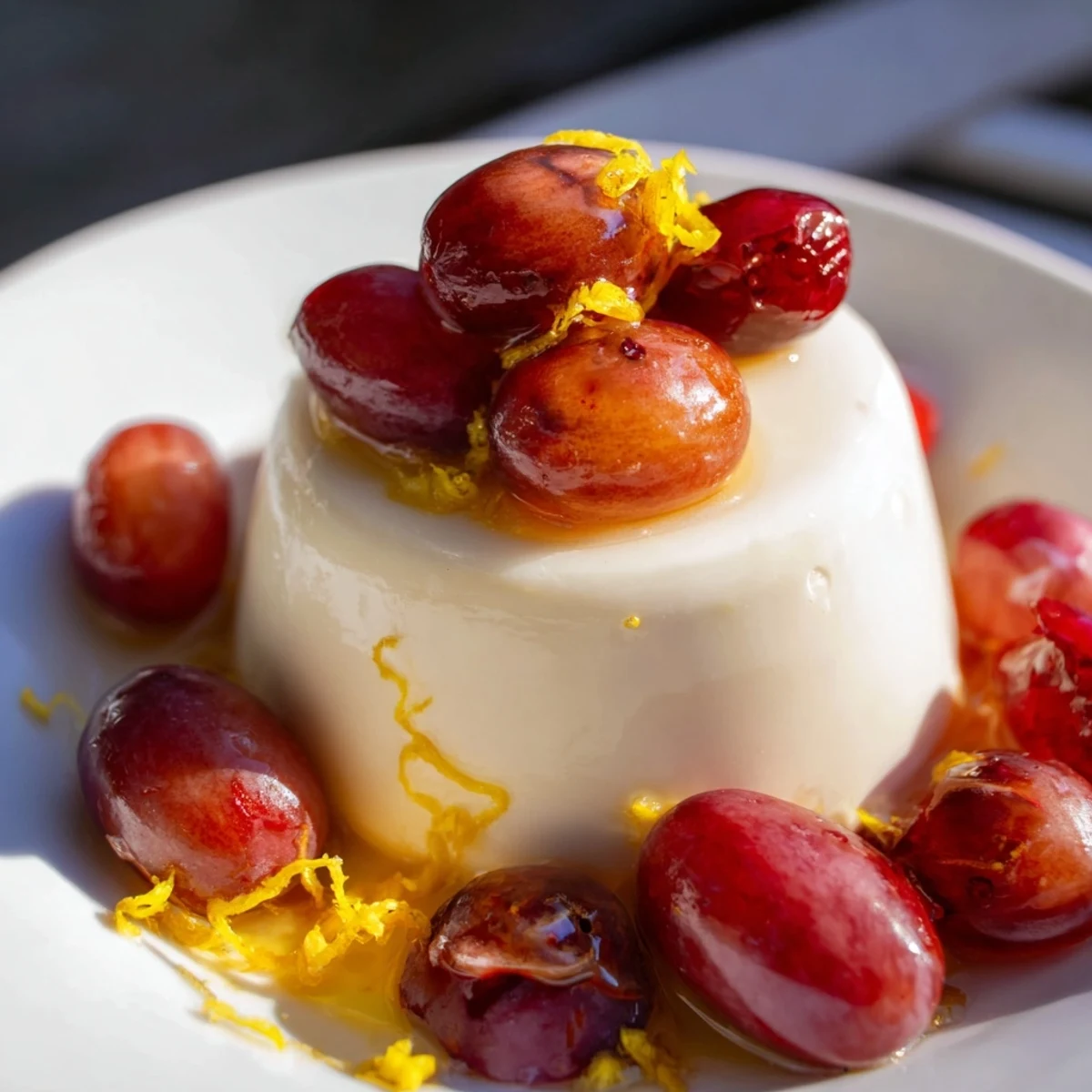
- Unmold the panna cottas or serve in the glasses, arrange roasted grapes and their juices on one side and fresh halves on the other
 Save
Save My friend who claims she doesn't like dessert because she's not sweet enough actually asked for seconds, which might be the highest compliment I've ever received about something I've made. There's something about the combination of warm, jammy, cold, and creamy that just hits every satisfaction sensor at once.
Make It Ahead
The panna cotta base needs to chill anyway, so you can make it up to two days in advance and just roast the grapes before serving. They reheat beautifully at 350°F for about five minutes if you're doing last minute assembly.
Serving Suggestions
I like to put everything out on the table and let people spoon their own ratios of roasted to fresh grapes. Some want mostly the warm jammy ones, others prefer the bright snap of fresh, and half the fun is watching everyone customize their plate.
Perfect Pairings
A glass of Moscato d'Asti is classic but honestly a dry Prosecco cuts through the richness better if that matters to you. If you're not drinking wine, an espresso with a tiny bit of sugar actually works surprisingly well against the lemon.
- Make sure the panna cotta is fully set before you unmold it, give it a little wiggle test first
- The roasted grape juices will thin slightly as they sit, spoon them over anyway they're delicious
- If you're transporting these, assemble everything at your destination for the prettiest presentation
 Save
Save There's something deeply satisfying about a dessert that looks this impressive and comes together with so little active cooking time. Leftovers (if you somehow have them) make the best breakfast with coffee.
Recipe FAQs
- → Can I make lemon panna cotta ahead of time?
-
Yes, this dessert is perfect for making ahead. You can prepare the panna cotta up to 2 days in advance and store it covered in the refrigerator. The roasted grapes can also be made a day ahead and kept refrigerated. Assemble just before serving for the best texture contrast.
- → Why do I need to bloom the gelatin?
-
Blooming gelatin in cold water for 5 minutes before adding it to the hot cream mixture ensures it dissolves evenly and completely. This step prevents grainy texture and helps your panna cotta set properly with a smooth, silky consistency throughout.
- → Can I use other fruits instead of grapes?
-
Absolutely. Roasted figs, berries, stone fruits like peaches or plums, or even poached pears work wonderfully with the lemon cream base. Adjust roasting times as needed—softer fruits like berries need less time, while firmer fruits may require a few more minutes in the oven.
- → How do I know when the panna cotta is set?
-
After chilling for at least 4 hours, gently shake the ramekin. The panna cotta should jiggle as a single unit, like a solid custard, not ripple like liquid. It should hold its shape when spooned but still feel silky and smooth on the palate.
- → What's the purpose of straining the mixture?
-
Straining through a fine mesh sieve removes any bits of lemon zest, undissolved gelatin, or cooked milk proteins that could create an uneven texture. This extra step ensures your finished dessert is perfectly smooth and creamy throughout.
- → Can I make this vegetarian or vegan?
-
Yes. For vegetarian, replace the gelatin with an equal amount of agar-agar powder. For vegan, use full-fat coconut cream instead of dairy and agar-agar instead of gelatin. Note that coconut cream will add a subtle coconut flavor to the final dish.