
 Save
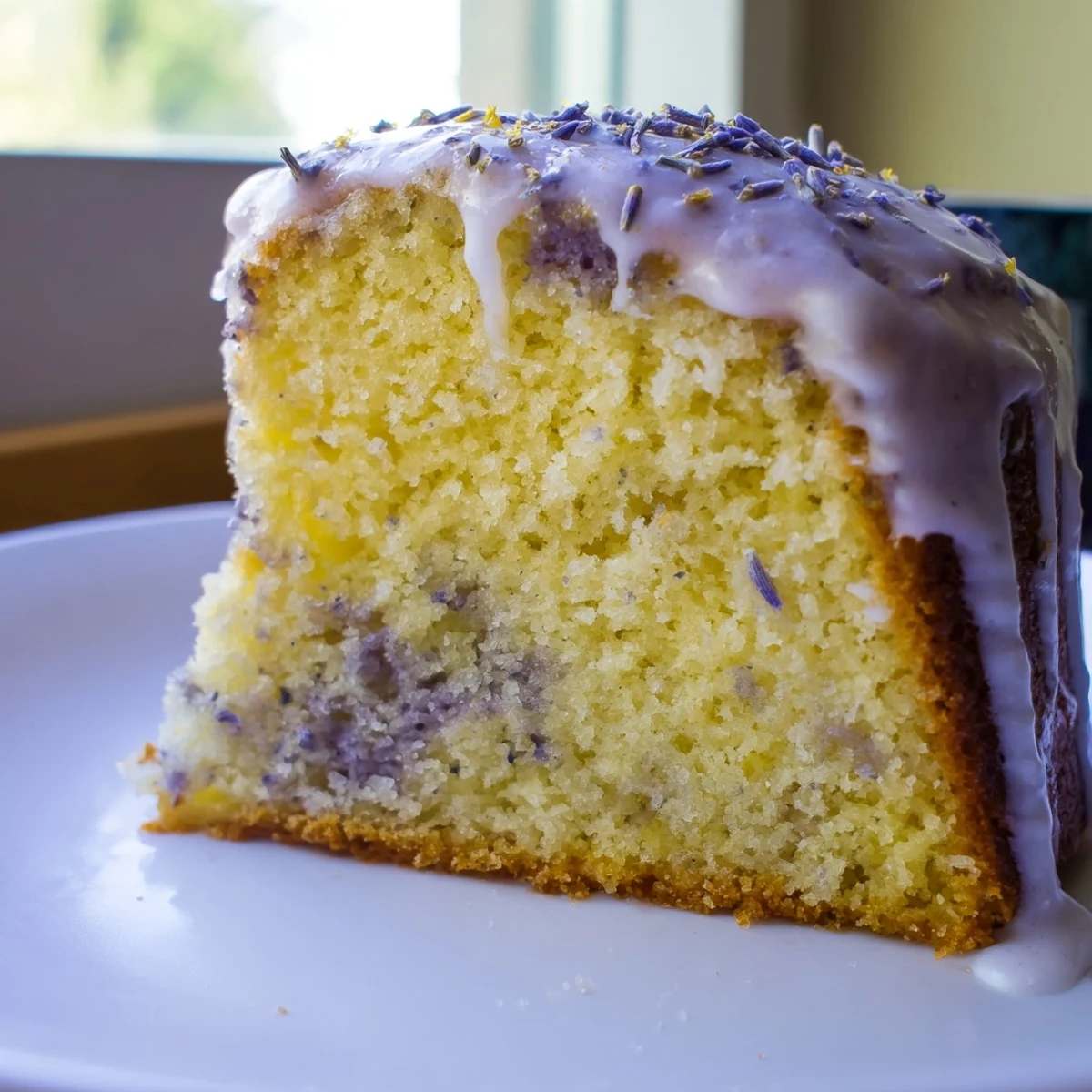
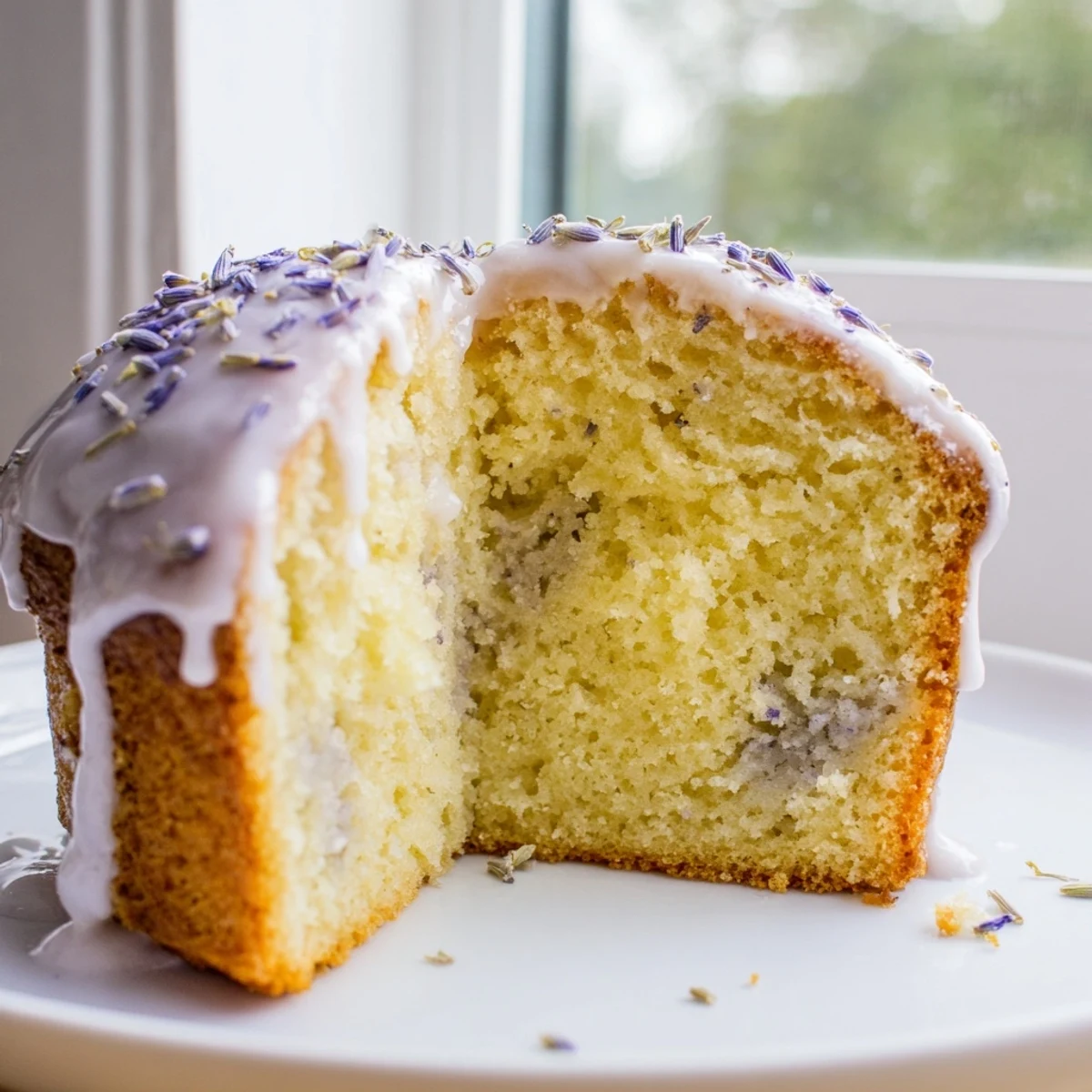
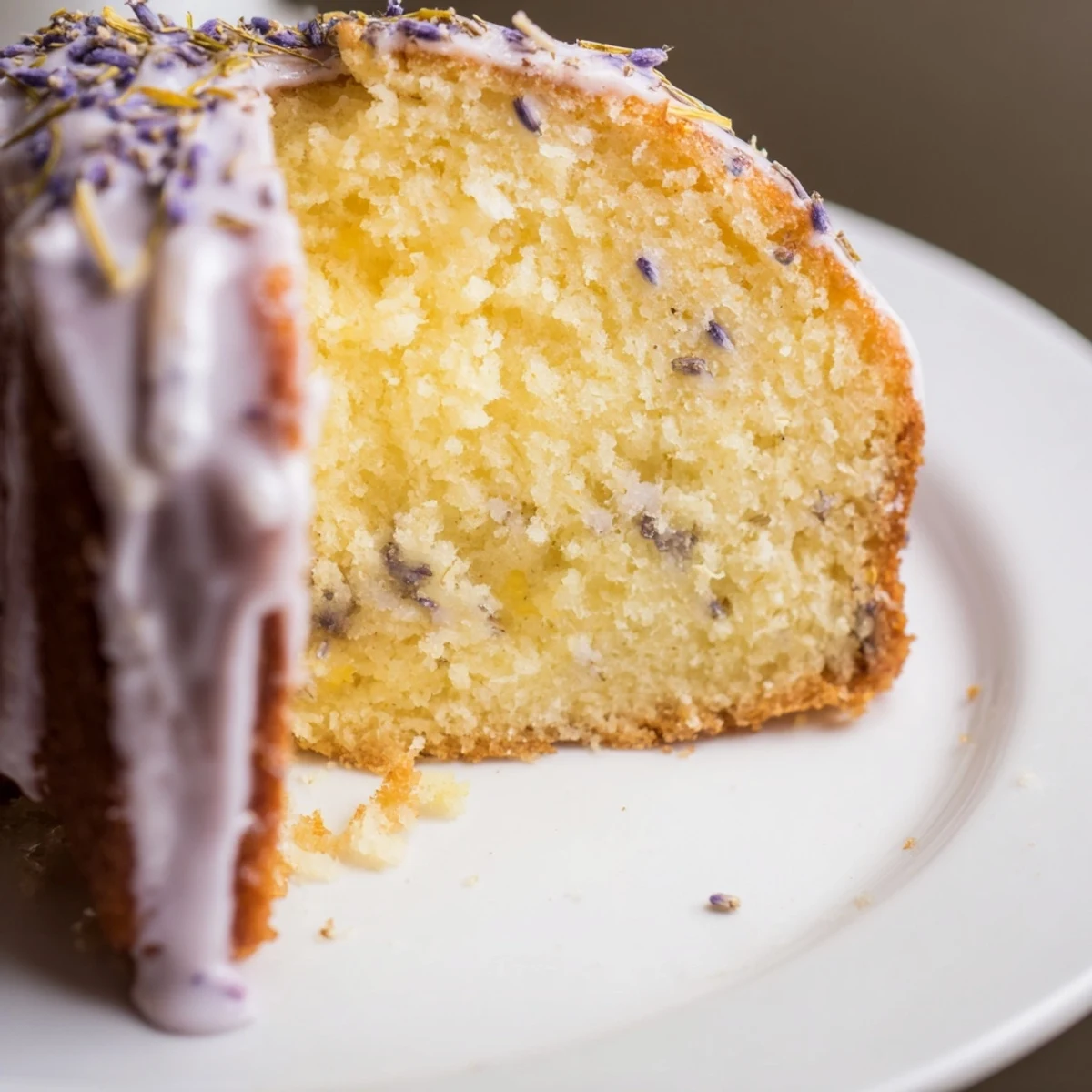
Save This delicate European-style cake brings the aromatic essence of culinary lavender to your table. The tender crumb features finely chopped lavender buds woven throughout, while an optional syrup infusion adds extra moisture and fragrance. A bright lemon glaze complements the floral notes beautifully, creating a sophisticated dessert perfect for afternoon tea or spring celebrations.
The medium-difficulty preparation takes about 50 minutes from start to finish, yielding eight elegant servings. You can easily adjust the lavender intensity to suit your taste preferences, and the cake pairs wonderfully with Earl Grey tea for an elevated presentation.
The scent of lavender always pulls me back to my friend Sarah's garden, where she first pressed a tiny bud into my palm and told me flowers belong in cakes. I was skeptical until that first bite—floral without being perfumey, delicate yet present. Now whenever summer heat settles over the afternoon, I find myself reaching for culinary lavender.
I made this cake last June for my sister's birthday, completely forgot to document the process, and had three people begging for the recipe before they even finished their first slice. My brother-in-law, who claims to hate anything 'fancy,' went back for seconds and asked if I'd added some secret ingredient.
Ingredients
- All-purpose flour (1½ cups): The structure for your tender crumb—scoop and level gently to avoid packing it down
- Baking powder (1 tsp): Your lift agent—check the expiration date because old baking powder means flat cakes
- Salt (¼ tsp): Just enough to wake up all the other flavors without tasting salty
- Unsalted butter (½ cup, softened): Room temperature butter creates that perfect fluffy texture when creamed with sugar
- Granulated sugar (1 cup): Cream this thoroughly with the butter—like, seriously fluffy—for the best rise
- Large eggs (2): Also at room temperature so they emulsify properly into the batter
- Culinary lavender buds (2 tbsp, finely chopped): Food grade only—garden lavender might be treated with chemicals
- Vanilla extract (1 tsp): Pure vanilla makes a difference here—imitation can taste harsh against the delicate lavender
- Whole milk (½ cup): Creates tenderness—warmed slightly it incorporates more smoothly into the batter
- Water (¼ cup): For your lavender syrup—simmer this gently to extract maximum flavor
- Extra sugar (2 tbsp): Dissolves into the syrup to sweeten just enough for soaking
- Additional lavender (1 tsp): For the syrup infusion—strain it out completely so no gritty bits remain
- Powdered sugar (1 cup): Sift this first or your glaze will have stubborn lumps
- Fresh lemon juice (1½ tbsp): Brightens everything—bottled juice can taste metallic in such a delicate glaze
- More lavender (1 tsp, finely chopped): Finely chop these buds so they distribute evenly through the drizzle
Instructions
- Get your oven ready:
- Preheat to 350°F (175°C) and generously butter and flour your 8-inch round pan—tap out the excess flour so you don't get dusty patches on the crust
- Whisk the dry team:
- Combine flour, baking powder, and salt in a bowl—giving it a quick whisk distributes everything more evenly than sifting alone
- Make the butter magic:
- Cream that softened butter and sugar until it's pale and fluffy, about 3-4 minutes, then beat in eggs one at a time before folding in your lavender and vanilla
- Bring it all together:
- Add the flour mixture in three parts, alternating with milk in two parts, mixing only until you see the last streaks of flour disappear
- Bake to golden:
- Smooth the batter evenly and bake 25-30 minutes until the top springs back when touched and a toothpick comes out clean
- Optional syrup step:
- While the cake bakes, simmer water, sugar, and lavender for 3 minutes, then strain carefully—you want clear syrup, no buds
- Soak if you want:
- Cool the cake 10 minutes in the pan, then poke it gently with a skewer and brush with warm syrup if you're using it
- Make the glaze:
- Whisk powdered sugar, lemon juice, and finely chopped lavender until smooth and pourable—it should coat a spoon but still drip off
- Finish and rest:
- Drizzle that glaze slowly over the completely cooled cake, letting it cascade down the sides, then wait 20 minutes for it to set before slicing
 Save
Save This cake became my go-to for unexpected guests because it looks impressive but comes together faster than most people think. Last month my neighbor dropped by unannounced, and within an hour we were sitting on her porch with slices and Earl Grey, talking until the sun went down.
Making It Your Own
I've learned that half the lavender quantity gives you this subtle floral whisper instead of a full-on bouquet. Some people find even 2 tablespoons too intense, so start with less if you're unsure—you can always add more to the glaze for a bigger finish.
Serving Moments
This cake shines alongside something that can stand up to its delicate perfume. Earl Grey is classic, but I've also loved it with a bright strawberry compote or just a simple bowl of fresh raspberries to cut through the sweetness.
Make Ahead Wisdom
The cake layers actually develop deeper flavor overnight, wrapped tightly at room temperature. Make the glaze fresh though—it loses that pristine smoothness if it sits too long.
- Wrap the unglazed cake in plastic and it stays perfect for two days
- Freeze unfrosted slices for up to a month, wrapped individually
- Always bring refrigerated cake to room temperature before serving—the texture transforms
 Save
Save There's something almost meditative about baking with lavender, like you're capturing a piece of summer in cake form. Hope this recipe finds its way into your rotation.
Recipe FAQs
- → What type of lavender should I use?
-
Use only culinary-grade lavender buds meant for cooking. Regular garden lavender or decorative lavender may contain pesticides or have an unpleasant flavor. Look for food-grade lavender at specialty stores or online spice retailers.
- → Can I make this cake ahead of time?
-
Yes, the cake can be baked one day in advance. Wrap it tightly in plastic wrap once completely cooled and store at room temperature. Add the glaze shortly before serving for the freshest appearance and texture.
- → How do I adjust the lavender flavor intensity?
-
For a more subtle flavor, reduce the lavender buds to 1 tablespoon in both the cake and glaze. If you prefer a stronger floral presence, increase to 3 tablespoons. Keep in mind that the flavor intensifies slightly as the cake rests.
- → What can I substitute for whole milk?
-
Almond milk, oat milk, or soy milk work well as dairy-free alternatives. For a richer version, you can use half-and-half or cream. The liquid measurement remains the same regardless of your choice.
- → Why is my cake dense or dry?
-
Overmixing the batter can create a dense texture. Mix only until ingredients are just combined. Dryness usually results from overbaking—check for doneness at 25 minutes and remove when a toothpick comes out clean with just a few moist crumbs.
- → Can I freeze this lavender cake?
-
Yes, freeze the unglazed cake by wrapping it tightly in plastic wrap followed by aluminum foil. It will keep well for up to 3 months. Thaw overnight at room temperature before glazing and serving.