
 Save
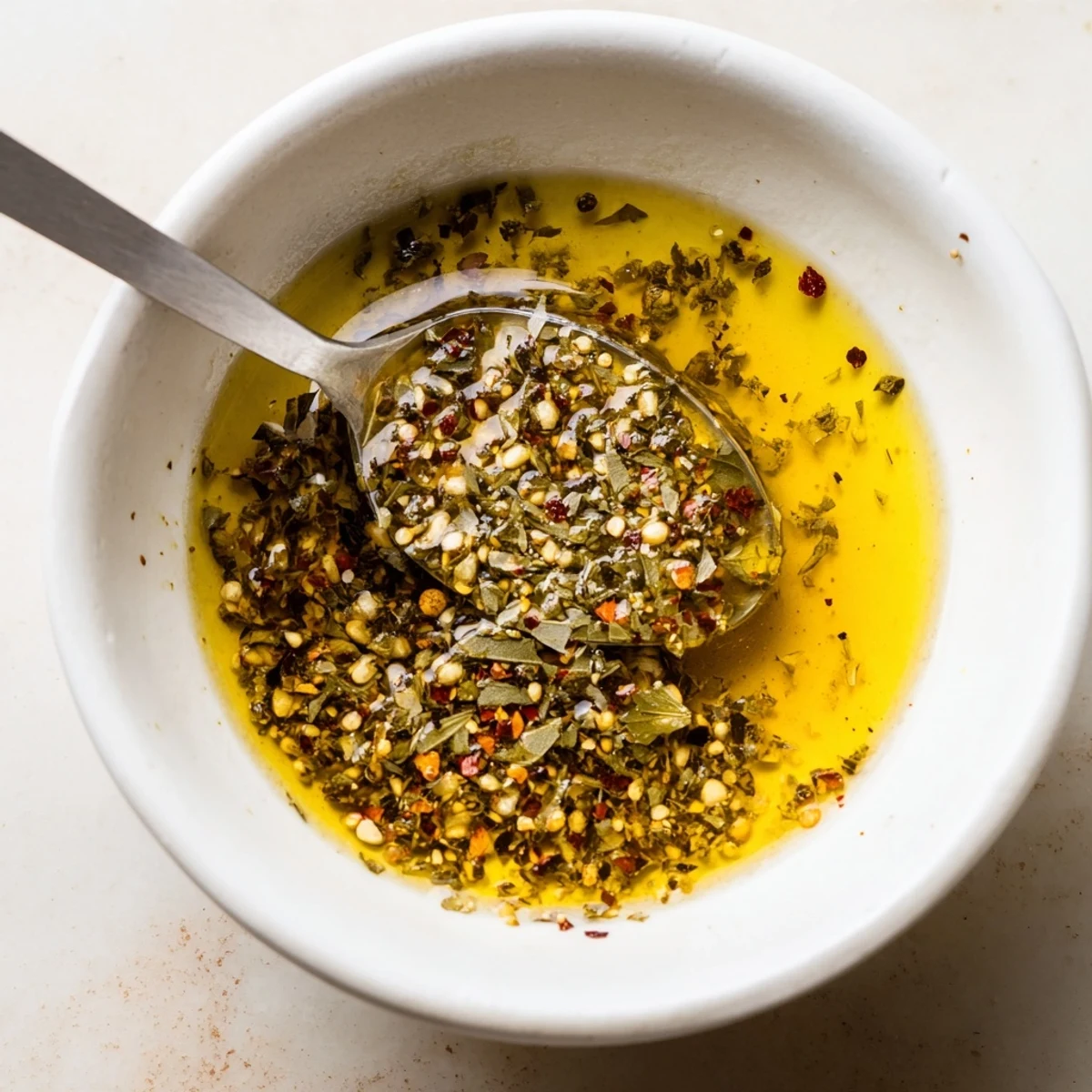
Save This Italian vinaigrette combines extra virgin olive oil, red wine vinegar, lemon juice, garlic, Dijon and dried herbs. Whisk the acids, mustard and seasonings, then drizzle oil in slowly to emulsify. Adjust salt, pepper and a touch of honey for balance. Use immediately on greens, grilled veg, or as a quick marinade; keeps in fridge up to one week.
The summer my neighbor left a bag of garden tomatoes on my porch, I stood in the kitchen staring at them and realized I had nothing in the fridge worthy of dressing them. A bottle of supermarket vinaigrette sat in the door, half empty and suspiciously orange. I grabbed olive oil, vinegar, and a handful of dried herbs, and whisked something together that smelled like every good Italian restaurant I had ever walked past.
My friend Marco once watched me make this at a barbecue and refused to eat the steak he had marinated in anything else for the rest of the summer.
Ingredients
- Extra virgin olive oil: Use the good stuff here because this dressing is raw and every flaw in your oil will show through.
- Red wine vinegar: Provides a sharp, fruity tang that anchors the whole dressing.
- Fresh lemon juice: Brightens the acidity and adds a floral note that vinegar alone cannot give you.
- Garlic cloves: Mince them as finely as you can because raw garlic chunks can overpower each bite.
- Dijon mustard: Acts as the emulsifier that holds everything together and adds a subtle heat.
- Dried oregano, basil, and parsley: A classic Italian trio that infuses the oil with herbaceous depth.
- Crushed red pepper flakes: Optional, but a gentle warmth behind the tang makes the whole thing more interesting.
- Honey or sugar: Just a teaspoon rounds off the sharp edges without making it sweet.
- Kosher salt and black pepper: Season to taste and remember the dressing should taste slightly overseasoned on its own.
Instructions
- Build the flavor base:
- In a medium bowl or mason jar, combine the red wine vinegar, lemon juice, Dijon mustard, garlic, oregano, basil, parsley, red pepper flakes, honey, salt, and pepper. Whisk or shake until the mustard dissolves completely into the liquid.
- Emulsify with olive oil:
- While whisking constantly, pour the olive oil in a thin, steady stream. Keep going until the dressing thickens and turns creamy, which means the oil and vinegar have bonded into something that will not separate easily.
- Taste and adjust:
- Dip a piece of lettuce or a crust of bread into the vinaigrette and see if it needs more salt, a squeeze of lemon, or a pinch of sugar. Trust your tongue over the recipe.
- Store or serve:
- Use it right away or pour it into a jar with a tight lid and refrigerate for up to a week. Shake vigorously before each use because it will settle.
 Save
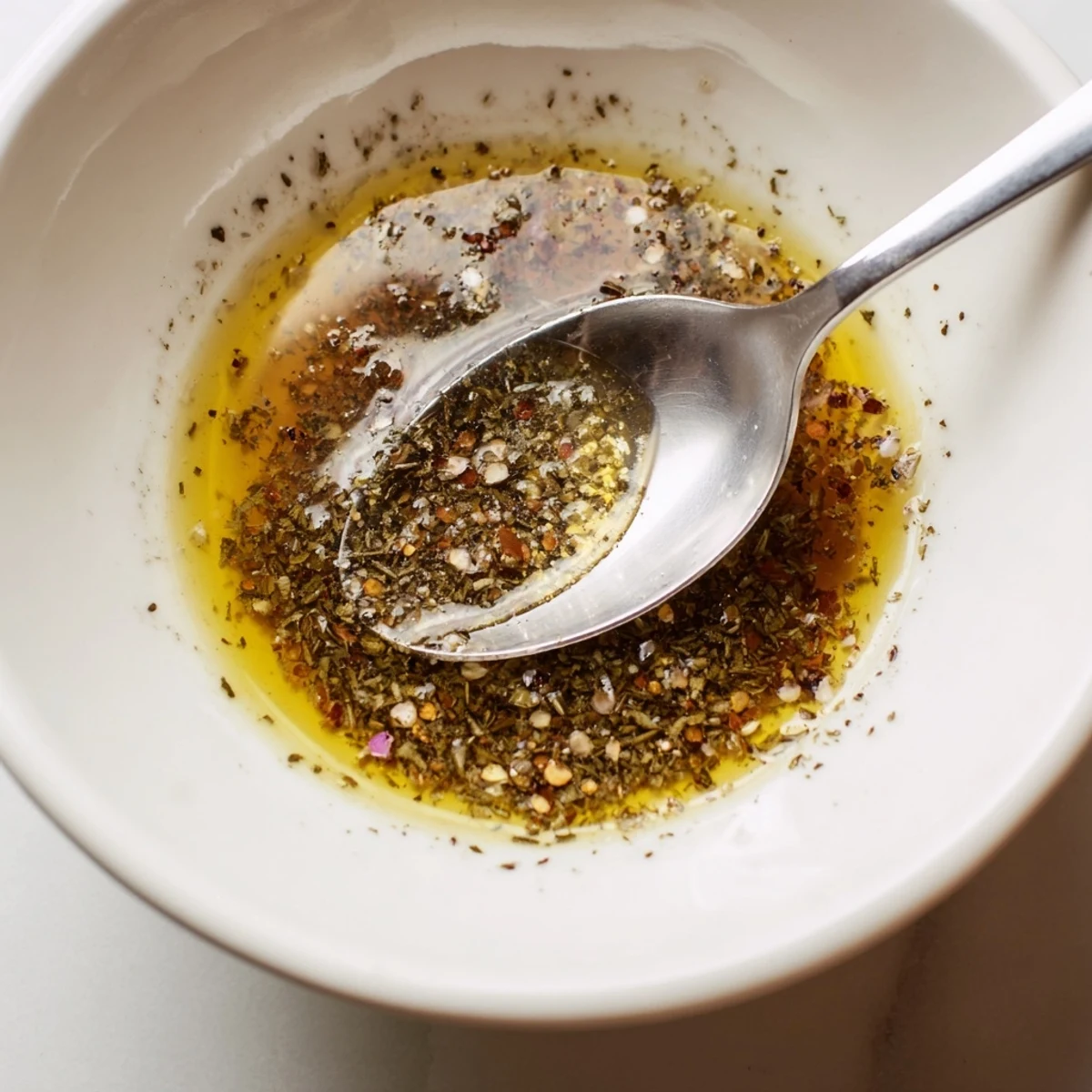
Save There is something deeply satisfying about shaking a jar of homemade vinaigrette and hearing the liquid slap against the glass, knowing you made something this good from pantry staples.
What to Put It On
Beyond the obvious green salad, try drizzling this over sliced ripe tomatoes, roasted potatoes right out of the oven, or grilled zucchini while it is still hot enough to absorb the flavor.
Swaps and Variations
White wine vinegar gives a softer, cleaner tang if red wine vinegar feels too aggressive. Two tablespoons of grated Parmesan folded in at the end turns it into something richer and more complex, though it will no longer be dairy free.
Keeping It Fresh
The dressing will keep beautifully in the refrigerator for about a week, though the garlic flavor intensifies over time so taste before using on day five.
- Always bring refrigerated vinaigrette to room temperature before serving so the oil liquefies.
- A clean jam jar with a screw top lid works even better than a bowl and whisk.
- Double the batch because it disappears faster than you expect.
 Save
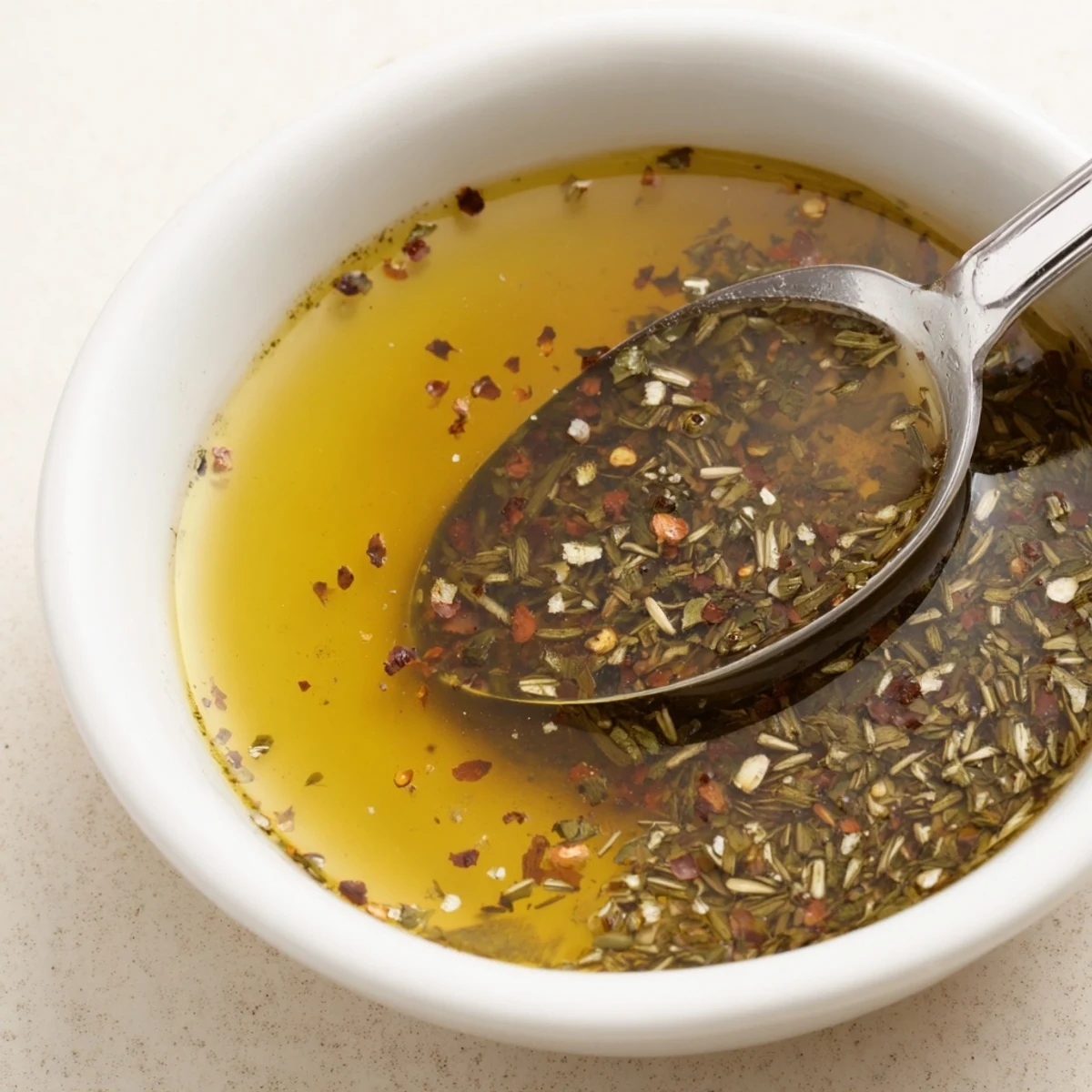
Save Once you start making vinaigrette from scratch, you will never go back to the bottled stuff. It is one of those small kitchen habits that makes everything you cook feel a little more intentional.
Recipe FAQs
- → How do I emulsify the dressing properly?
-
Whisk the vinegar, lemon, mustard and seasonings first, then slowly drizzle in the olive oil while whisking constantly. The gradual addition and brisk whisking bind the oil and acid into a smooth emulsion.
- → Can I use fresh herbs instead of dried?
-
Yes. Fresh parsley, basil or oregano add bright flavor; use about three times the amount of dried herbs and chop them finely so they disperse through the vinaigrette.
- → How long will the vinaigrette keep?
-
Stored in an airtight container in the refrigerator, the vinaigrette keeps up to one week. Shake or whisk before each use to reincorporate any separated oil.
- → What can I swap for red wine vinegar?
-
White wine vinegar offers a milder tang, while sherry or apple cider vinegar will change the flavor profile—adjust lemon or honey to balance acidity accordingly.
- → Is there a way to mellow harsh garlic?
-
Rinse peeled garlic under cold water or briefly smash and let sit to mellow. Roasted garlic can be used for a sweeter, gentler note without raw bite.
- → How can I adapt this for a marinade?
-
Increase the acid slightly and add a bit more oil to coat; marinate chicken or vegetables for 30 minutes to a few hours, depending on the protein and desired intensity.