
 Save
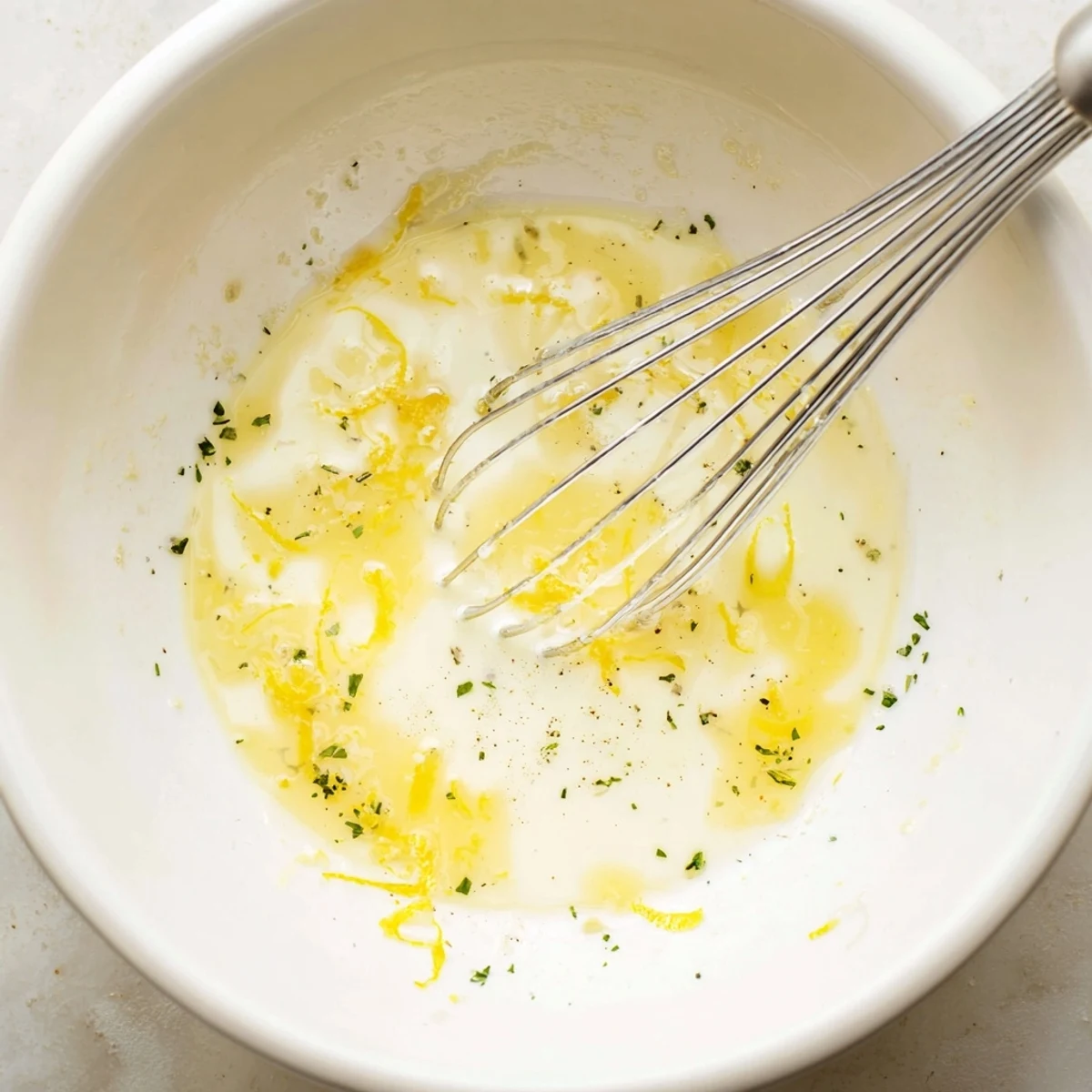
Save Whisk freshly squeezed lemon juice with Dijon, kosher salt and black pepper, then slowly stream in extra-virgin olive oil until fully emulsified. Stir in honey or maple, minced garlic, or finely chopped herbs if desired. Use immediately or store chilled up to 3 days; shake or whisk before serving. Swap oils or add a splash of white wine vinegar for a different tang.
Something about the sound of lemon juice hitting a bowl of mustard and watching it bloom into gold just makes a Tuesday dinner feel intentional. Ina Garten has this unshakable conviction that simple ingredients treated with care will always outperform something complicated, and this vinaigrette is proof she is right. Five minutes and a whisk are all you need to turn a bag of greens into something worth sitting down for. I started making it years ago and have never once thought about buying bottled dressing since.
My friend Maria once watched me whisk this together in her kitchen while she was chopping vegetables and stopped mid slice to ask what smelled so good. It was just lemon and olive oil, but the way the mustard pulls everything together creates this unexpectedly rich aroma that fills the room. She now makes a double batch every Sunday and keeps a jar in her fridge door like it is a staple, right next to the hot sauce and the jam. That is the highest compliment a dressing can receive.
Ingredients
- Freshly squeezed lemon juice (1/4 cup, about 2 lemons): Bottled juice will never give you the same brightness, so squeeze it yourself and strain out the seeds.
- Extra virgin olive oil (1/2 cup): Use the good stuff here since it is a raw dressing and the flavor really comes through.
- Dijon mustard (1 teaspoon): This is the emulsifier that holds everything together and adds a gentle heat.
- Kosher salt (1 teaspoon): Season boldly because dressing needs to be slightly over salted on its own to taste balanced on greens.
- Freshly ground black pepper (1/2 teaspoon): Pre ground tastes flat, so grind it right into the bowl.
- Honey or maple syrup (1 teaspoon, optional): A whisper of sweetness rounds out the acidity without making it sweet.
- Minced garlic (1 small clove, optional): Rub the clove directly into the bowl if you want flavor without chunks.
- Fresh herbs (1 tablespoon, optional): Parsley, basil, or chives each give it a completely different personality.
Instructions
- Build the foundation:
- In a small bowl or glass measuring cup, whisk the lemon juice, Dijon mustard, kosher salt, and pepper until the salt dissolves and the mixture looks unified.
- Create the emulsion:
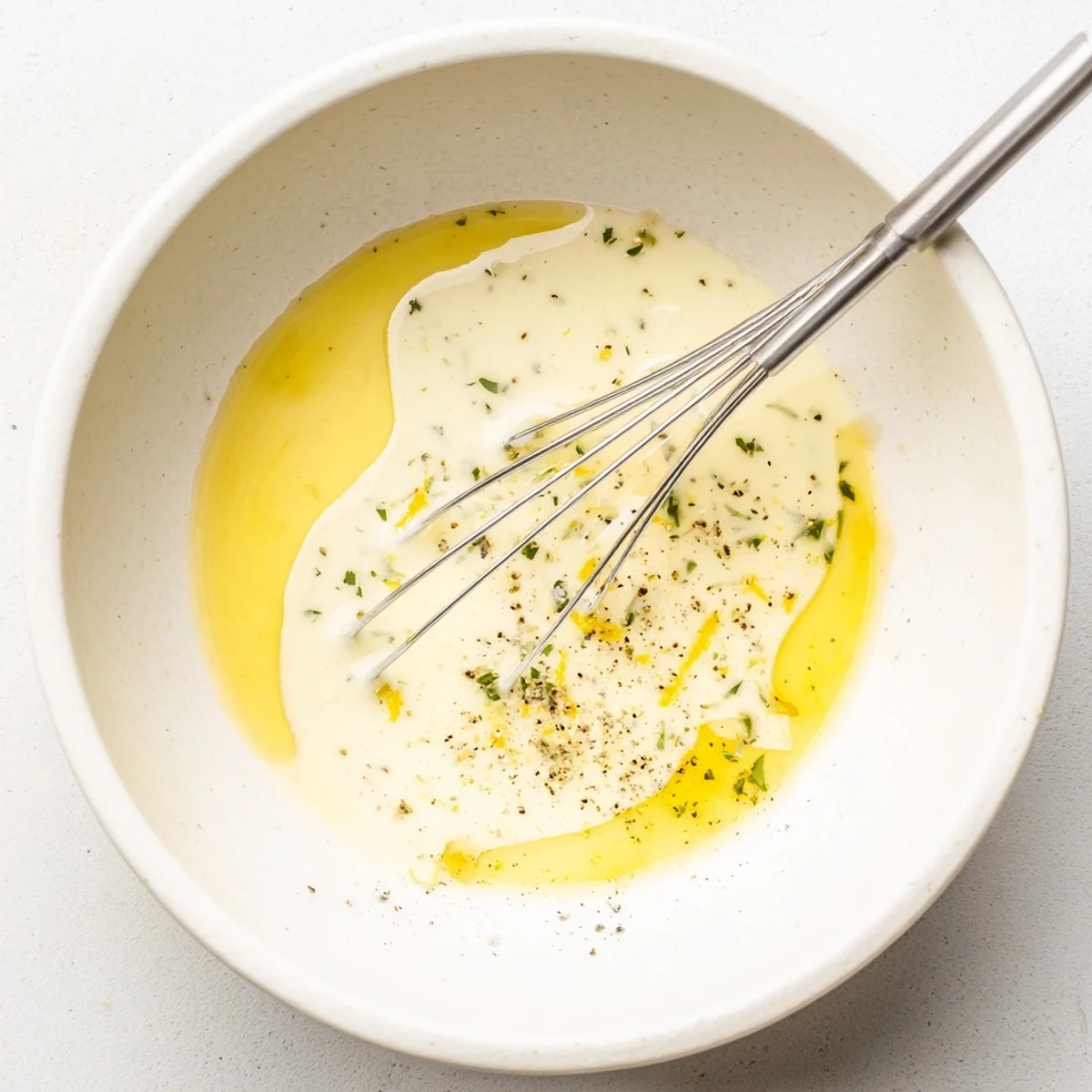
- Drizzle the olive oil in a very thin stream while whisking constantly, and you will feel the dressing thicken and turn creamy as the mustard works its magic.
- Add your personal touch:
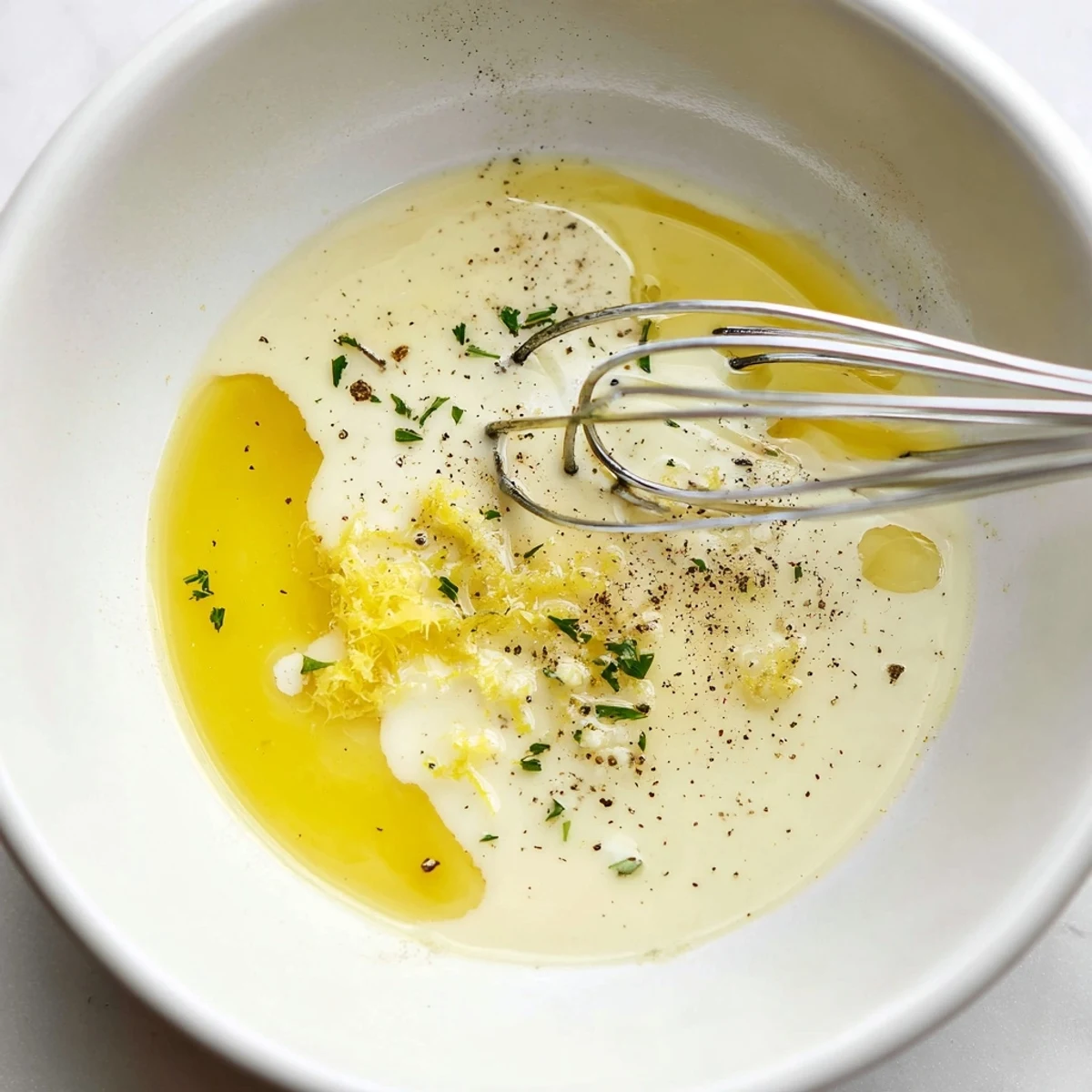
- If you are using honey, garlic, or herbs, fold them in now with a few gentle strokes so everything is evenly distributed.
- Taste and adjust:
- Dip a leaf of whatever greens you are serving into the dressing rather than tasting it with a spoon, because that is how it will actually be eaten.
- Store or serve:
- Pour it into a jar with a tight lid and refrigerate for up to three days, shaking vigorously before each use to bring it back to life.
 Save
Save A jar of this vinaigrette sitting in the fridge door is like having a secret weapon against boring meals all week long.
Getting the Emulsion Right
The key to a vinaigrette that clings to every leaf instead of pooling at the bottom of the bowl is patience during the oil drizzle. Think of it like mayo, you are asking two liquids that do not want to mix to hold hands, and the mustard is the friend making the introduction. If it breaks, do not panic, just add a teaspoon of water and whisk aggressively until it comes back together. Once you feel that satisfying thickness under your whisk, you know you have won.
Flavor Variations Worth Trying
This recipe is more of a method than a rule, and once you understand the ratio of acid to oil you can play endlessly. Try swapping the lemon for lime and adding a pinch of cumin for something that loves tacos. A splash of white wine vinegar alongside the lemon juice gives it more dimension, and a teaspoon of minced shallot turns it into something that feels almost French bistro. The herbs you choose change the entire mood, so consider what you are serving it with and let that guide you.
Storing and Using Leftovers
Leftover vinaigrette is one of those things that actually improves after a day in the fridge as the flavors settle and marry. Just remember to take it out about fifteen minutes before you need it so the olive oil liquefies again. Shake it like you mean it, taste again, and add a tiny squeeze of lemon if it needs waking up.
- Try it drizzled over roasted vegetables straight from the oven for a bright finish.
- Use it as a quick marinade for chicken breasts or fish fillets before grilling.
- Always make a double batch because the jar will empty faster than you expect.
 Save
Save A good vinaigrette is the difference between eating a salad because you should and eating one because you actually want to. This one lands firmly in the second category every single time.
Recipe FAQs
- → How do I emulsify the vinaigrette?
-
Whisk vigorously while adding the oil in a thin stream so the lemon and mustard bind the oil into a creamy emulsion. A small blender or jar shaken vigorously works well for a very smooth finish.
- → Can I make this in advance?
-
Yes. Store in a sealed jar in the refrigerator for up to 3 days. The oil may separate—give it a good shake or whisk before using.
- → What can I use instead of extra-virgin olive oil?
-
For a milder flavor use a neutral oil like grapeseed or avocado. Extra-virgin olive oil adds richness and peppery notes that pair well with lemon.
- → How do I balance sweetness and acidity?
-
Add a teaspoon of honey or maple syrup to soften acidity, or a splash of white wine vinegar to boost tang. Adjust in small increments and taste as you go.
- → Which herbs complement this vinaigrette?
-
Finely chopped parsley, basil, or chives add freshness without overpowering the lemon. Add herbs just before serving to preserve bright flavor and color.
- → Is Dijon mustard necessary?
-
Dijon helps emulsify the dressing and adds a gentle sharpness. You can use a milder whole-grain mustard or reduce the amount if preferred, but it improves stability and flavor.