
 Save
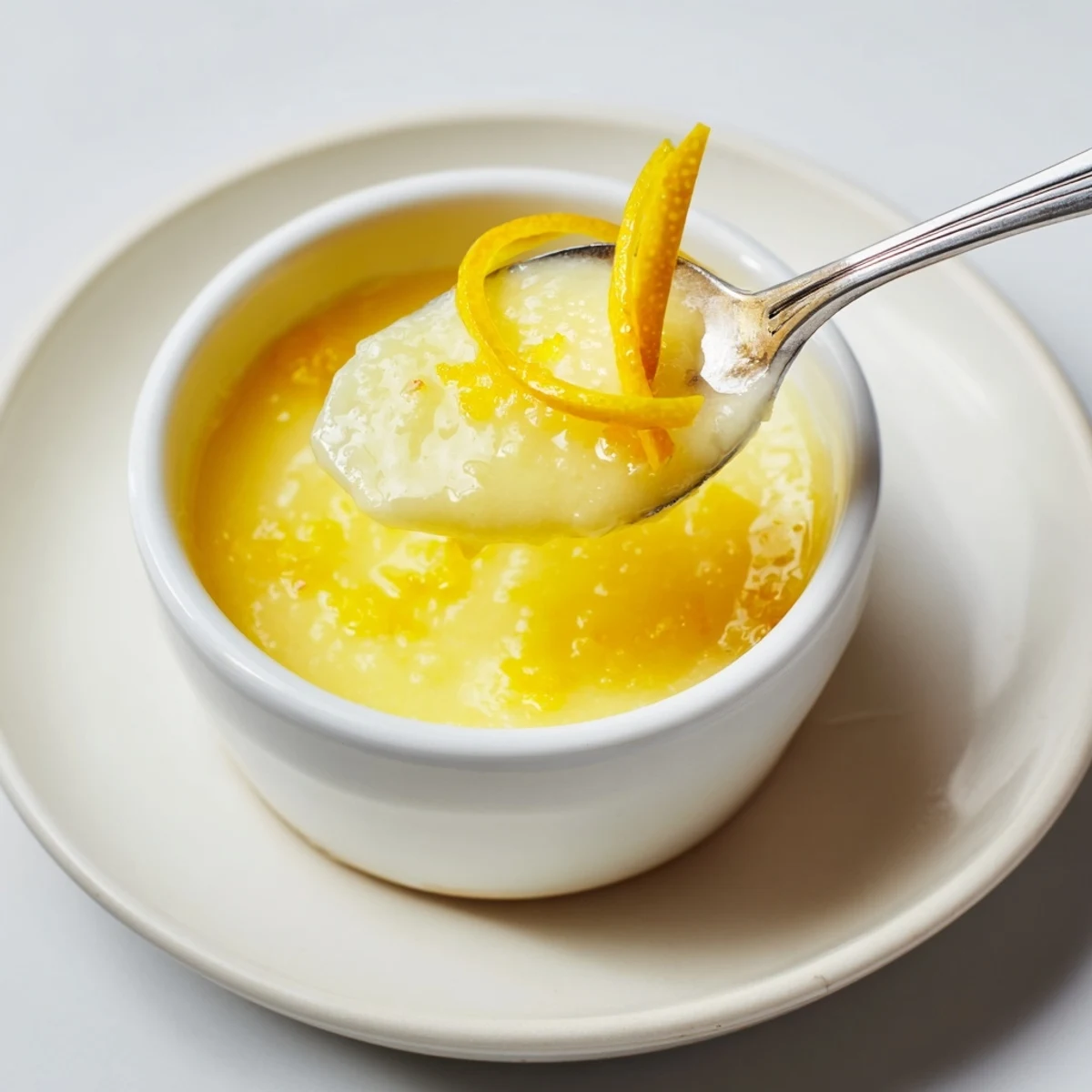
Save This silky lemon curd combines fresh lemon juice and zest, sugar, butter and whole eggs. Cook gently over a double boiler, whisking constantly until it thickly coats a spoon, then strain for a smooth finish. Chill until set; it keeps in the fridge for up to two weeks. Great for spreading on scones, filling tarts or layering into desserts; swap extra yolks for a richer texture.
The smell of lemon zest hitting a warm whisk is one of those small kitchen pleasures that makes you stop and breathe deeper. My neighbor Mrs. Patel once brought me a jar of her lemon curd after a rainy Tuesday conversation over the fence, and I stood in my kitchen eating it with a spoon before I even unpacked my groceries. That jar lasted maybe ten minutes. I have been making my own version ever since, chasing that exact balance of tart and buttery she handed me through a mason jar lid.
I made a double batch for a friend is brunch last spring and accidentally spilled half of it on my counter while straining. Instead of being upset, we just stood there scooping it off the marble with our fingers, laughing at how absurd we must have looked. The remaining batch barely survived the morning.
Ingredients
- 3 large lemons (zest and juice, about 120 ml): Use room temperature lemons for maximum juice yield and roll them firmly on the counter before zesting.
- 115 g unsalted butter, cubed: Cold cubed butter melts gradually into the mixture, preventing greasy separation and keeping everything silky.
- 3 large eggs plus 1 yolk: The extra yolk gives the curd its characteristic richness and helps it set beautifully without cornstarch.
- 200 g granulated sugar: This amount balances the sharpness of the lemons without muting their bright personality.
Instructions
- Whisk everything together:
- Crack the eggs and yolk into a medium heatproof bowl, then pour in the sugar, lemon zest, and juice. Whisk until the mixture looks uniform and slightly frothy on top, with no streaks of yolk visible.
- Set up your double boiler:
- Fill a saucepan with about an inch of water and bring it to a gentle simmer, not a rolling boil. Rest the bowl on top so it sits above the water without touching the surface beneath.
- Cook and stir with patience:
- Drop in the cubed butter and whisk constantly as the heat slowly transforms the mixture from thin and cloudy to thick, glossy, and coat the back of a spoon. This usually takes between ten and fifteen minutes and the transformation happens faster at the end than you expect.
- Strain for silkiness:
- Remove the bowl from heat and pour the curd through a fine mesh sieve into a clean container, pressing gently with a spatula to push it through. This catches any tiny bits of cooked egg and stray zest chunks.
- Cool and chill:
- Press plastic wrap directly against the surface of the warm curd to prevent a skin from forming, then let it cool completely before refrigerating for at least two hours. The texture thickens dramatically as it chills.
 Save
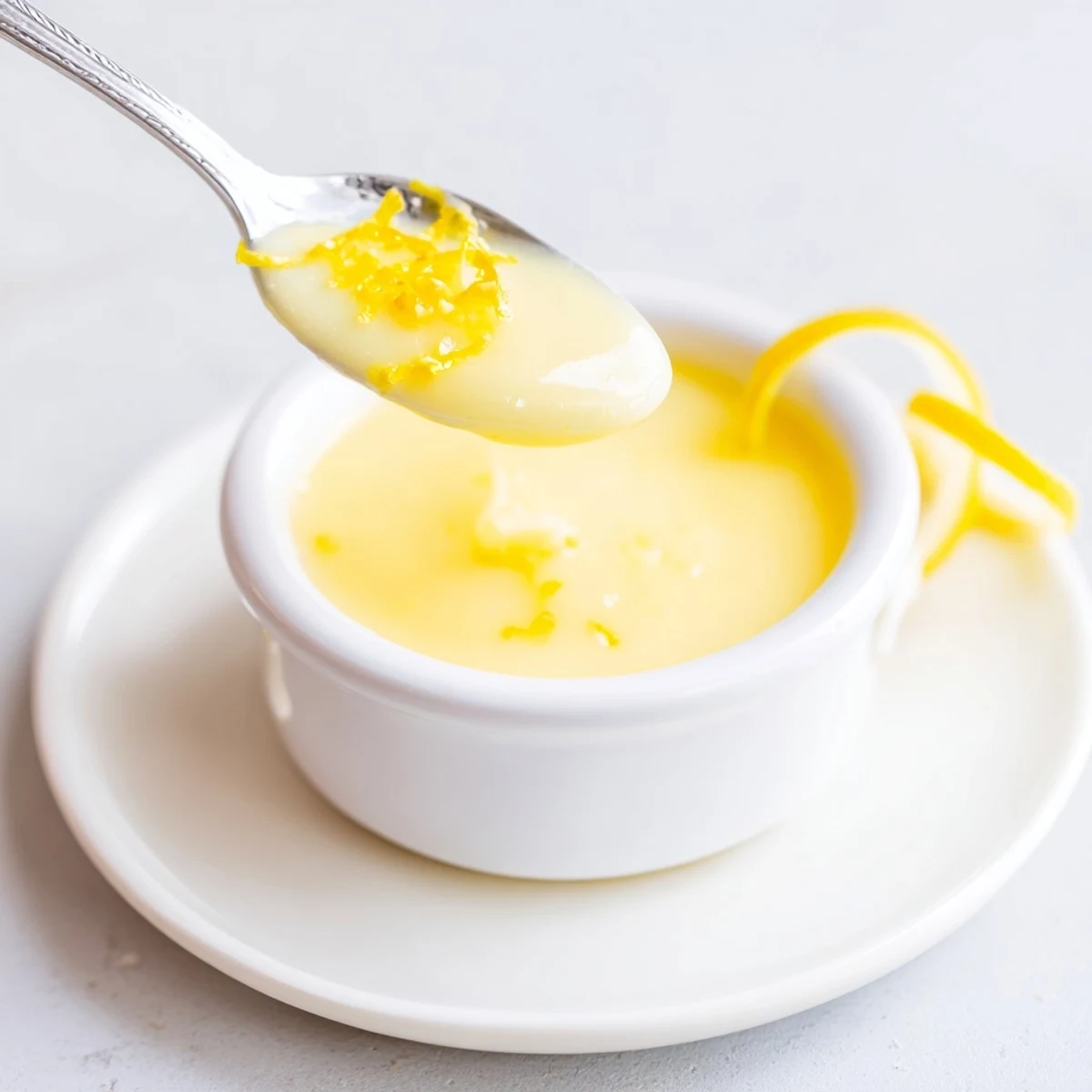
Save There is something quietly powerful about filling small jars with something golden and handmade, labeling them with a scrap of masking tape, and leaving one on a friend is doorstep without warning.
Storing Your Curd Properly
Keep the curd in airtight jars in the refrigerator and it will maintain its flavor and texture for up to two weeks. I have never actually tested the upper limit because it disappears long before that in my house. Use clean spoons every time you dip into the jar to avoid introducing bacteria that could shorten its life.
Ways to Use Every Last Spoonful
Beyond the obvious toast and scones, try swirling it through whipped cream for a quick dessert topping or spreading it between layers of vanilla cake for a bright surprise. A thin layer on a buttered English muffin on a gray morning is its own form of therapy. It also makes an incredible filling for thumbprint cookies during the holidays.
Troubleshooting Common Curd Problems
Most issues trace back to heat management, so trust your instincts and your whisk over any timer. Here are the quick fixes I have learned through trial and error over the years.
- If your curd looks scrambled, pour it through the sieve immediately and blend what passes through with an immersion blender.
- If it seems too thin after chilling for hours, it likely needed a few more minutes over the water bath.
- Always zest your lemons before juicing them because trying to zest a squeezed lemon half is a frustrating exercise in futility.
 Save
Save A jar of homemade lemon curd on the shelf is a small act of warmth you can return to all week long. Share it generously and keep a secret jar for yourself tucked behind the leftovers.
Recipe FAQs
- → How do I get a silky, lump-free texture?
-
Whisk the mixture gently over a double boiler and strain through a fine-mesh sieve after cooking. Cover the surface with plastic wrap while cooling to prevent a skin and ensure smoothness.
- → Can I use only egg yolks for a richer result?
-
Yes. Using only yolks produces a richer, more custardy curd and a thicker final texture; reduce the number of whole eggs accordingly to balance volume.
- → What should I do if the curd starts to curdle or looks grainy?
-
Remove from heat immediately and whisk briskly. Passing the mixture through a sieve will eliminate grains; gentle reheating over low indirect heat while whisking can help re-emulsify.
- → Is a double boiler essential?
-
A double boiler gives the most reliable gentle heat to prevent scrambling. If using direct heat, keep the flame very low and whisk constantly to avoid curdling.
- → How long will it keep in the refrigerator?
-
Stored in an airtight container, it will keep for up to two weeks. Always use clean utensils to prevent contamination and check for off odors before use.
- → Can lemon curd be frozen?
-
Freezing is possible but can change texture. Freeze in an airtight container for up to three months, thaw in the fridge and whisk before serving to restore consistency.