
 Save
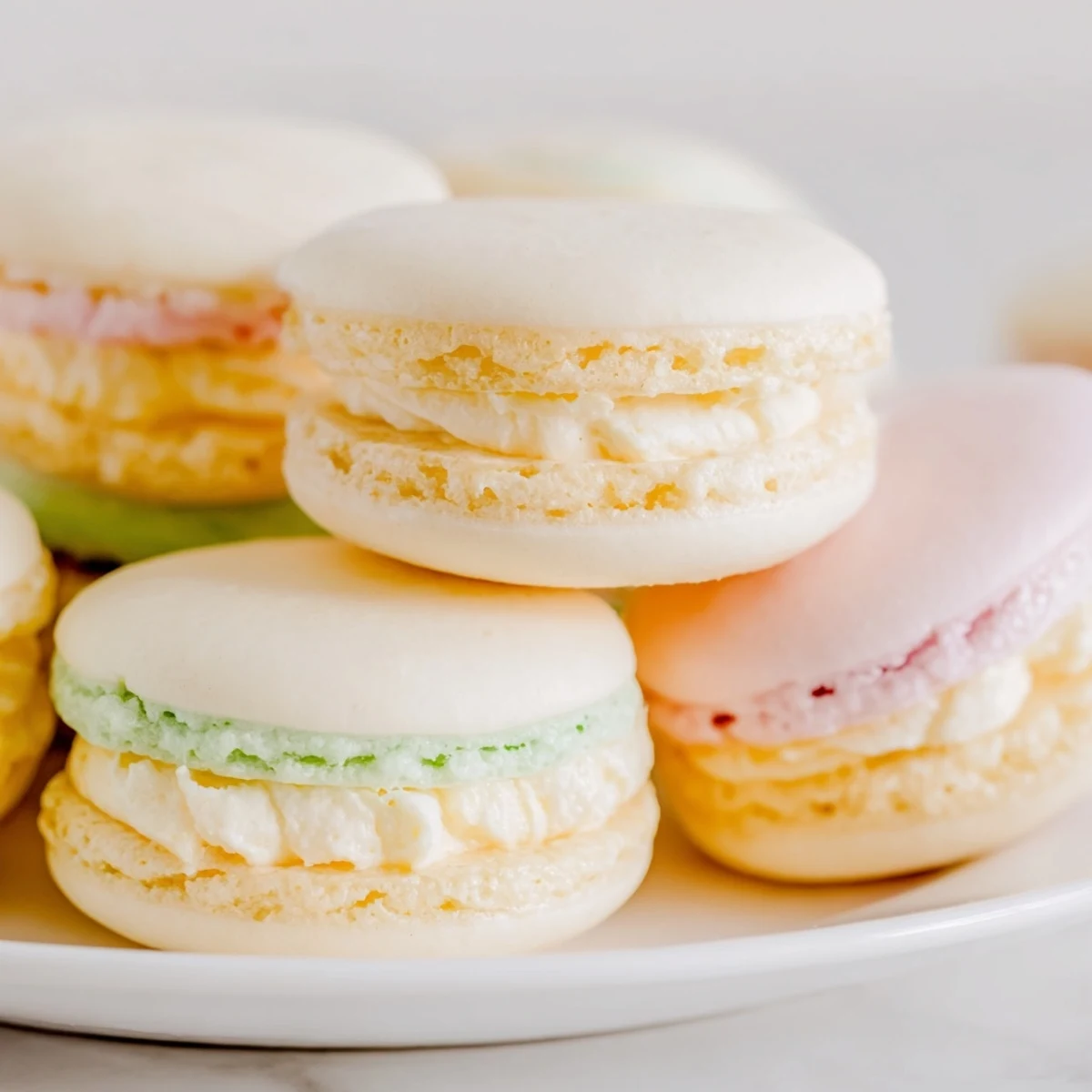
Save Master the art of creating delicate French macarons with our comprehensive foolproof technique. These elegant almond meringue cookies feature perfectly crisp exteriors, irresistibly chewy interiors, and can be filled with luscious buttercream, ganache, or jam. The secret lies in properly aged egg whites, precise macaronage folding technique, and essential resting time to develop that signature smooth surface and dainty feet. While humidity sensitive and requiring patience during the 30-60 minute resting period, the impressive results are worth the effort. Pair with Champagne or light white wine for a sophisticated dessert experience.
I had been baking for years before I finally attempted French macarons, convinced they were the domain of pastry chefs and patience I didnt possess. The first batch emerged from the oven with no feet, cracked shells, and my ego thoroughly bruised. But something about those delicate, colorful cookies kept calling me back to the kitchen. Now, after countless batches and many lessons learned, I've discovered that macarons aren't nearly as intimidating as they seem.
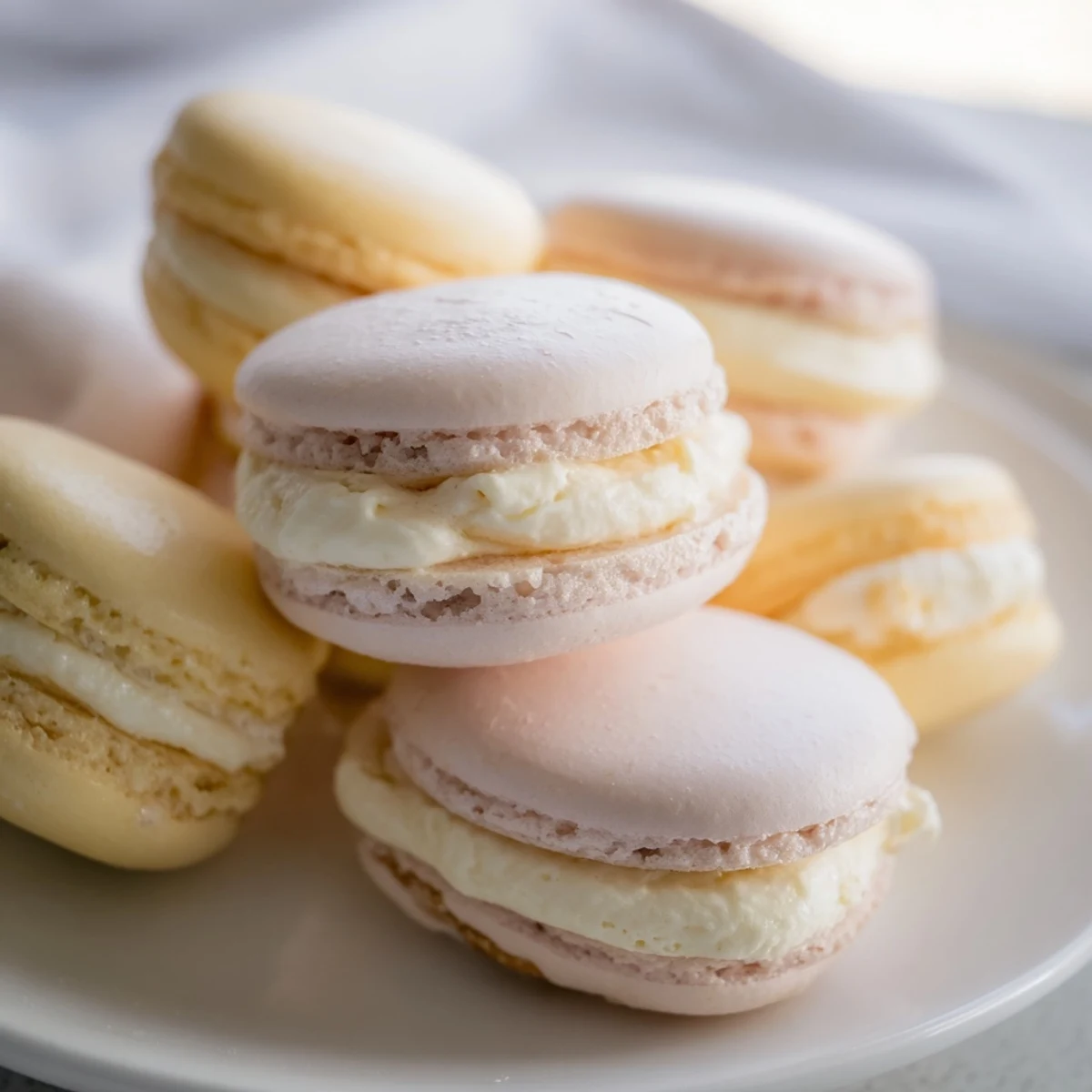
My sister in law requested macarons for her wedding shower, and I foolishly agreed despite having never successfully made them. After three practice batches and some very patient taste testing friends, I finally understood what macaronage really feels like. Serving those perfectly formed, rose colored cookies with vanilla buttercream felt like a genuine culinary victory.
Ingredients
- 120 g fine almond flour: The foundation of macarons, sift thoroughly to remove any coarse bits that could crack your shells
- 200 g powdered sugar: Creates that signature delicate texture, sifting alongside the almond flour ensures smooth batter
- 100 g egg whites (about 3 large eggs): Age these overnight at room temperature for better stability and stronger meringue
- 100 g granulated sugar: Adds structure to your meringue, incorporate gradually for maximum volume
- 1/4 tsp cream of tartar: Optional but helpful insurance for stable peaks, especially in humid climates
- Gel food coloring: Use only gel coloring to avoid adding liquid that could deflate your delicate meringue
- 100 g unsalted butter: Should be completely softened for smooth, pipeable buttercream without lumps
- 150 g powdered sugar: Sweetens the filling while maintaining structure, adjust to your taste preference
- 1–2 tbsp whole milk: Creates the perfect consistency for piping, add gradually
- 1 tsp pure vanilla extract: Classic flavor that complements the almond shells beautifully
- Pinch of salt: Balances the sweetness and enhances overall flavor depth
Instructions
- Prepare your workspace:
- Line baking sheets with parchment paper or silicone macaron mats, then fit a piping bag with a round tip about 1 cm in diameter. Having everything ready before you start prevents rushed mistakes with delicate meringue.
- Sift the dry ingredients:
- Sift almond flour and powdered sugar together into a large bowl, discarding any coarse bits that refuse to pass through. This step is crucial for smooth, crack free shells.
- Create the meringue:
- In a completely clean, grease free bowl, beat egg whites until foamy before adding cream of tartar if using. Gradually incorporate granulated sugar while beating until stiff, glossy peaks form that hold their shape firmly.
- Master the macaronage:
- Gently fold the sifted dry mixture into the meringue in three additions, using a spatula to fold and press the batter against the bowl. Continue until the batter flows in thick ribbons and you can make a figure 8 without it breaking apart.
- Add color if desired:
- Add gel food coloring now and fold until evenly distributed. The batter will slightly loosen during this step, which is normal and expected.
- Pipe the shells:
- Transfer batter to the prepared piping bag and hold it perpendicular to the baking sheet. Pipe 3–4 cm circles, spacing them about 3 cm apart to allow for slight spreading.
- Remove air bubbles:
- Firmly tap the baking sheets on the counter several times to release trapped air bubbles. Use a toothpick to pop any remaining visible bubbles for perfectly smooth tops.
- Form the skin:
- Let the piped shells rest uncovered at room temperature for 30–60 minutes. They're ready when a skin forms and the shells no longer stick to your finger when lightly touched.
- Bake to perfection:
- Preheat oven to 150°C (300°F) and bake one tray at a time for 12–15 minutes, rotating halfway through. The shells are done when they've formed those signature feet and lift cleanly off the parchment.
- Cool completely:
- Let shells cool completely on the baking sheets before attempting to remove them. This prevents breakage and ensures they maintain their delicate structure.
- Prepare the filling:
- Beat softened butter until creamy, then add powdered sugar, vanilla, salt, and 1 tbsp milk. Continue beating until fluffy, adding more milk as needed for a smooth, pipeable consistency.
- Assemble the macarons:
- Pair similar sized shells for even sandwiches. Pipe a small dollop of buttercream onto the flat side of half the shells, then top with remaining shells and press gently until the filling reaches the edges.
- Mature for perfection:
- Refrigerate assembled macarons in an airtight container for 24 hours before serving. Bring to room temperature before enjoying for the ideal texture and flavor.
 Save
Save Bringing those first successful macarons to the shower and watching guests' eyes light up made all the practice batches worth it. There's something deeply satisfying about mastering a technique that seemed so impossibly difficult at first.
Understanding Macaronage
The folding process, called macaronage, is where most bakers go wrong. Under fold and your shells will have peaks and cracks, over fold and they'll spread into flat puddles. I've learned to watch for that specific ribbon consistency and test with the figure 8 method every single time.
Troubleshooting Common Issues
Hollow shells usually mean your oven temperature was too high or your meringue was over beaten. Cracked tops typically indicate insufficient resting time or under mixed batter. Keep notes on each batch to track what works in your specific kitchen environment.
Filling Variations and Storage
While vanilla buttercream is classic, try dark chocolate ganache, lemon curd, or raspberry jam for different flavor profiles. The filling possibilities are endless once you've mastered the shells.
- Always fill macarons the day before serving to let flavors meld and textures mature
- Store filled macarons in the refrigerator for up to one week or freeze for up to three months
- Bring refrigerated macarons to room temperature for 20 minutes before serving for the best experience
 Save
Save These little cookies have taught me that patience and practice truly do pay off in the kitchen. Every successful batch feels like a tiny victory worth celebrating.
Recipe FAQs
- → Why must egg whites be aged overnight?
-
Aging egg whites at room temperature for 24 hours allows them to lose moisture and become more stable. This increased stability helps create stronger meringue with better volume, resulting in macaron shells that hold their shape perfectly during piping and baking.
- → What is macaronage and why is it crucial?
-
Macaronage refers to the folding technique where almond flour and sugar mixture is incorporated into meringue. The batter must flow in thick ribbons and form a figure 8 without breaking. Over-mixing creates flat shells while under-mixing causes lumpy surfaces—proper consistency ensures smooth tops and those signature feet.
- → How do I know when shells have rested enough?
-
The shells are ready when you can lightly touch the surface with your finger without any batter sticking. This typically takes 30-60 minutes at room temperature. A thin skin forms on top, which allows steam to escape during baking and creates the characteristic foot while keeping the surface smooth.
- → Can I use liquid food coloring instead of gel?
-
Liquid food coloring is not recommended as it adds moisture to the batter, which can ruin the delicate balance needed for proper macaronage. Gel food coloring provides vibrant color without affecting consistency, ensuring your shells still develop the perfect texture and appearance.
- → Why should macarons rest for 24 hours before serving?
-
Refrigerating assembled macarons for 24 hours allows moisture from the filling to slowly soften the interior shells, creating that signature chewy texture that contrasts beautifully with the crisp exterior. This resting period lets flavors mature and the cookie achieve optimal texture.
- → What alternative fillings work well?
-
Beyond basic vanilla buttercream, try chocolate ganache, fruit preserves, lemon curd, salted caramel, or flavored buttercream with citrus zest, espresso powder, or matcha. Ganache provides rich indulgence while jams offer bright fruity contrast—the possibilities are endless for customization.