
 Save
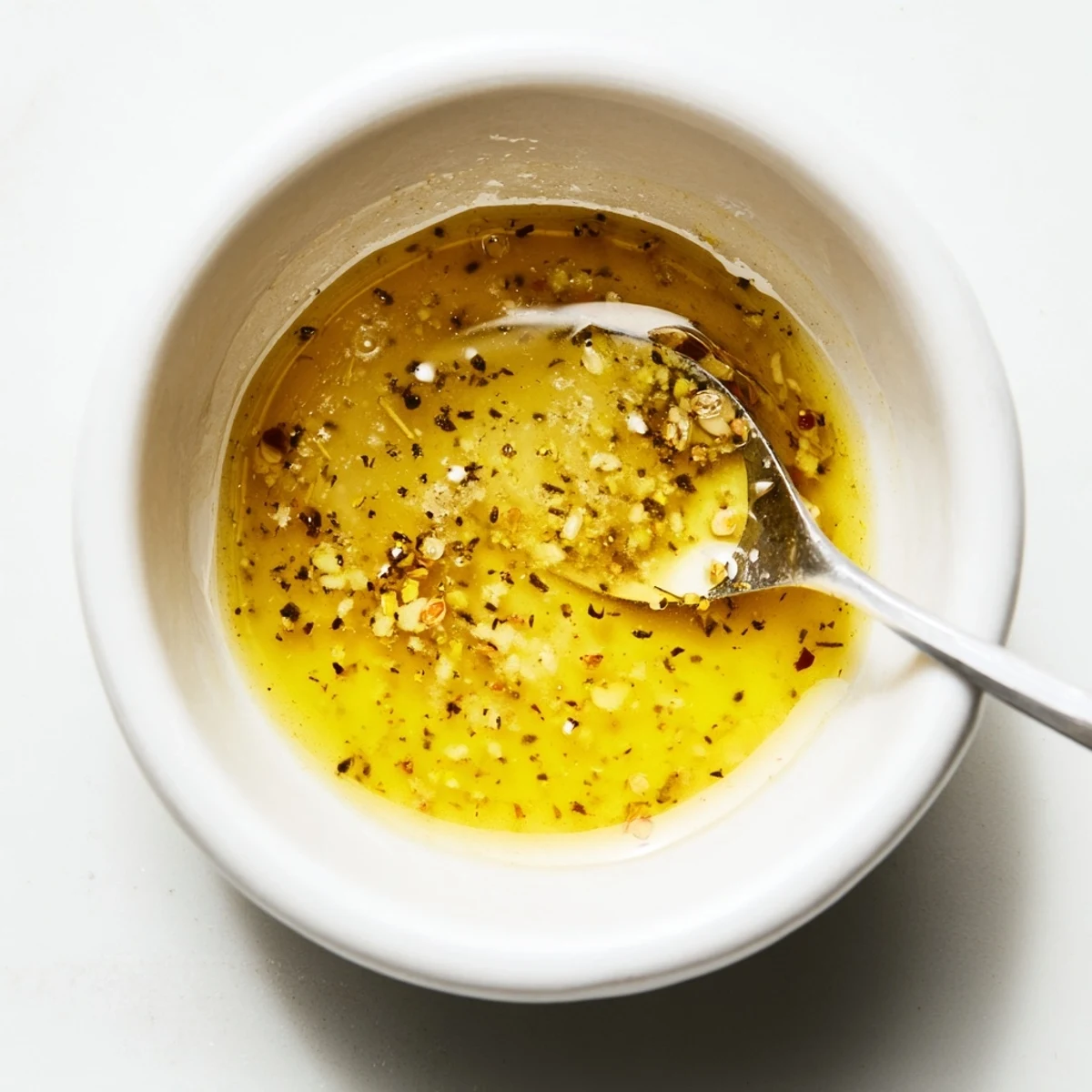
Save This Dijon vinaigrette blends Dijon mustard, white wine vinegar, extra-virgin olive oil, a touch of honey, minced garlic, sea salt, and freshly ground black pepper into a silky emulsion. Whisk the mustard with the vinegar and flavorings, then slowly drizzle in oil while whisking until slightly thick. Taste and adjust acidity or sweetness. Refrigerate in a sealed jar up to one week; stir before serving.
The summer my neighbor left a bag of garden tomatoes on my porch, I stood in the kitchen absentmindedly reaching for store bought dressing before catching myself. Those tomatoes deserved better. I threw together a Dijon vinaigrette with whatever I had on hand, and the sharp, silky result made me a believer in homemade dressing forever.
I brought this dressing to a potluck once and three people pulled me aside to ask what was in it, expecting some complicated secret ingredient. The look on their faces when I said it was just mustard, oil, and vinegar was genuinely priceless.
Ingredients
- Extra-virgin olive oil (3 tablespoons): Use the good stuff here since it is the backbone of the dressing and its grassy flavor really comes through.
- White wine vinegar (1 tablespoon): Red wine vinegar works just as well, but white keeps the color clean and bright.
- Dijon mustard (1 teaspoon): This is the heart of the whole recipe, so reach for a brand you genuinely enjoy eating on its own.
- Honey or maple syrup (1 teaspoon, optional): A touch of sweetness rounds out the sharpness without making it taste sugary.
- Garlic, finely minced (1 small clove, optional): Mince it as finely as you can because raw garlic can overpower everything if the pieces are too large.
- Sea salt (1/4 teaspoon): Start here and adjust upward after tasting since you can always add more.
- Freshly ground black pepper (1/8 teaspoon): Freshly cracked makes a noticeable difference compared to preground.
Instructions
- Build the base:
- In a small bowl, combine the Dijon mustard, vinegar, honey if you are using it, garlic, salt, and pepper. Whisk until the mixture looks smooth and unified, with no mustard clumps hiding in the corners.
- Emulsify with oil:
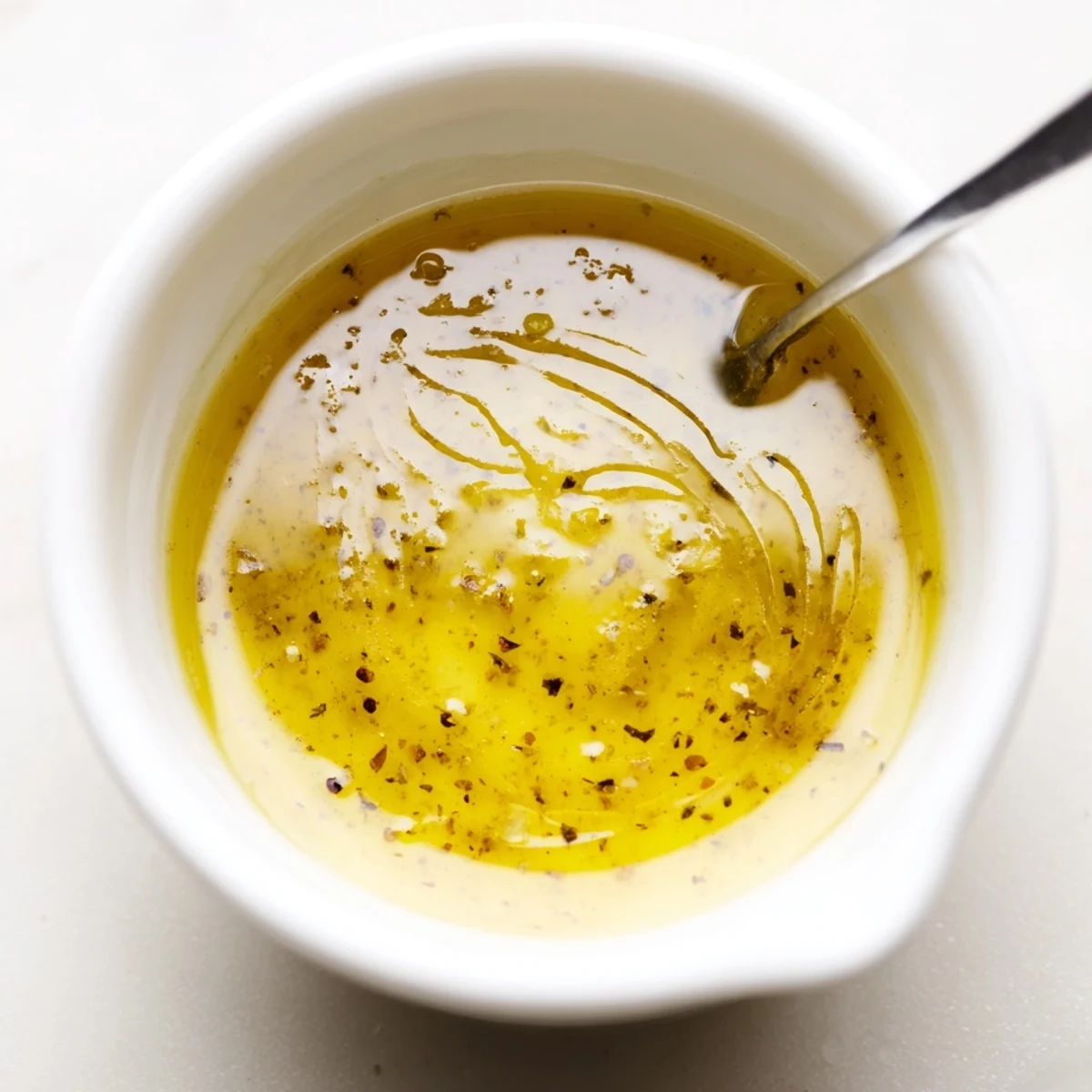
- Drizzle the olive oil in very slowly while whisking constantly so the dressing thickens into a creamy, cohesive liquid rather than separating into oily streaks.
- Taste and tweak:
- Dip a leaf of whatever you plan to dress into the vinaigrette and taste it that way, since dressing on its own always tastes more intense than it will on food.
- Store or serve:
- Use it right away over salad or vegetables, or pour it into a sealed jar and refrigerate for up to one week, giving it a good shake before each use.
 Save
Save There is something quietly satisfying about shaking a jar of your own vinaigrette while everyone else is still unscrewing plastic bottles. It feels like a small act of kitchen independence.
Sharp vs Mellow: Finding Your Balance
I started adding extra vinegar by accident once and discovered I actually preferred it sharper and more assertive. Play around with the ratio until you land on the version that makes you happy.
Fresh Herbs Change Everything
Chopped chives or tarragon folded in at the last second turn this from a solid everyday dressing into something that feels occasion worthy. Parsley is the safest bet if you are unsure which herb to try first.
Beyond the Salad Bowl
This vinaigrette is surprisingly versatile once you start thinking past leafy greens.
- Spoon it over roasted carrots or grilled zucchini while they are still warm so they soak up the flavor.
- Use it as a quick marinade for chicken thighs before grilling or pan searing.
- Toss leftover cooked lentils or grains with it for an instant side dish that actually tastes exciting.
 Save
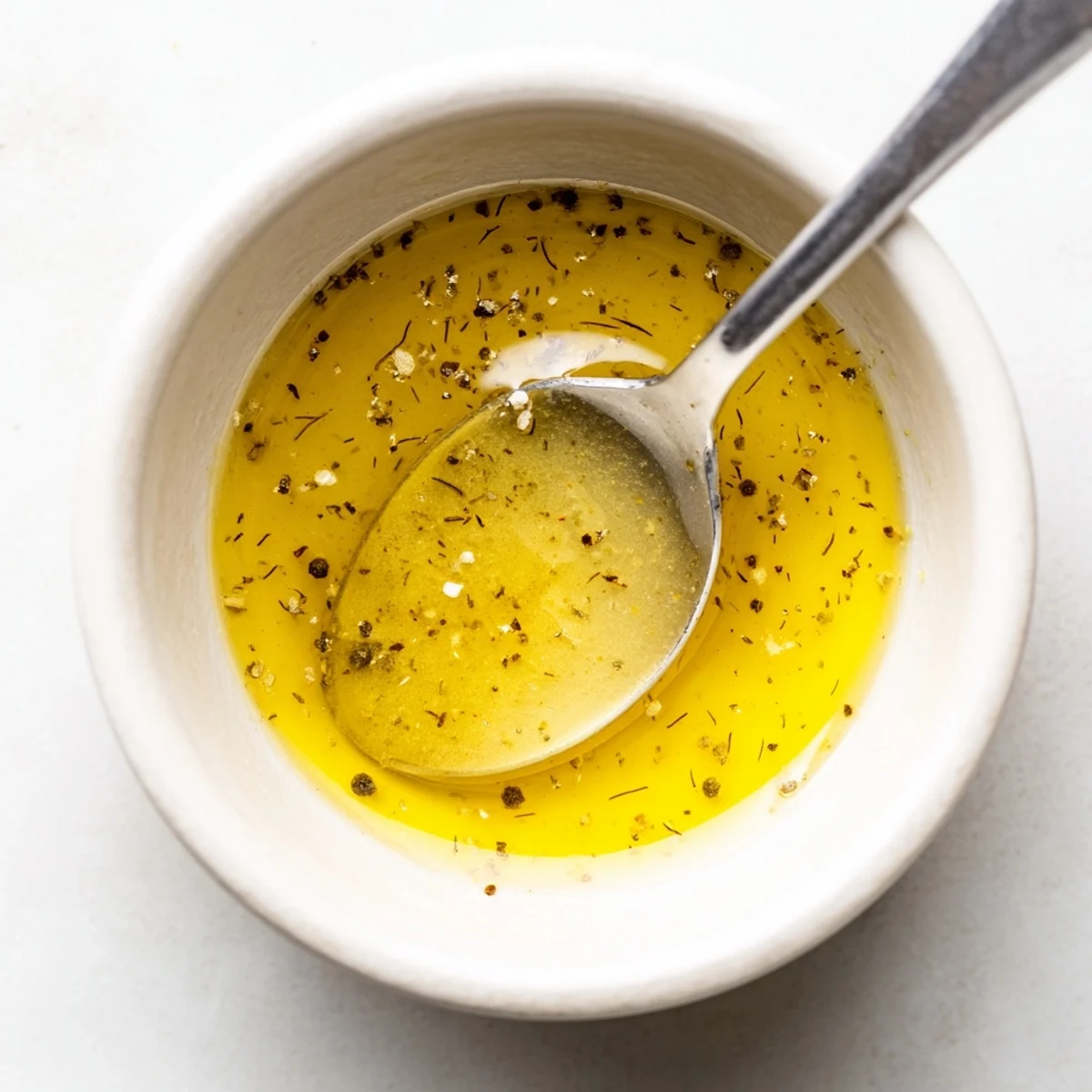
Save Once you start making your own vinaigrette, the bottled stuff starts tasting like a compromise you no longer have to accept. Five minutes, a bowl, and a whisk are genuinely all it takes.
Recipe FAQs
- → How do I get a stable emulsion?
-
Whisk the mustard with the vinegar and seasonings first, then add the oil in a slow, steady drizzle while whisking vigorously. The mustard acts as an emulsifier and helps bind oil and vinegar into a silky dressing.
- → Can I swap the white wine vinegar?
-
Yes. Red wine vinegar, apple cider vinegar, or lemon juice can be used; each changes the acidity and flavor. Increase or reduce the amount to balance brightness against the oil.
- → Is honey necessary?
-
Honey (or maple syrup) is optional. A small amount balances acidity and rounds the mustard's sharpness. Omit it for a purer, tarter finish or replace with a pinch of sugar if needed.
- → How long will the vinaigrette keep?
-
Stored in a sealed jar in the refrigerator, it keeps up to one week. Oil may solidify slightly when chilled; let it sit at room temperature briefly and shake or whisk before using.
- → What herbs or add-ins work well?
-
Chopped parsley, tarragon, or chives freshen the dressing. A pinch of mustard seeds, lemon zest, or a splash of shallowly seared shallot oil can add depth without overpowering the mustard base.
- → Any allergy or labeling notes?
-
Contains mustard. Check ingredient labels on prepared mustard and vinegars for additives or cross-contaminants if cooking for someone with allergies.