
 Save
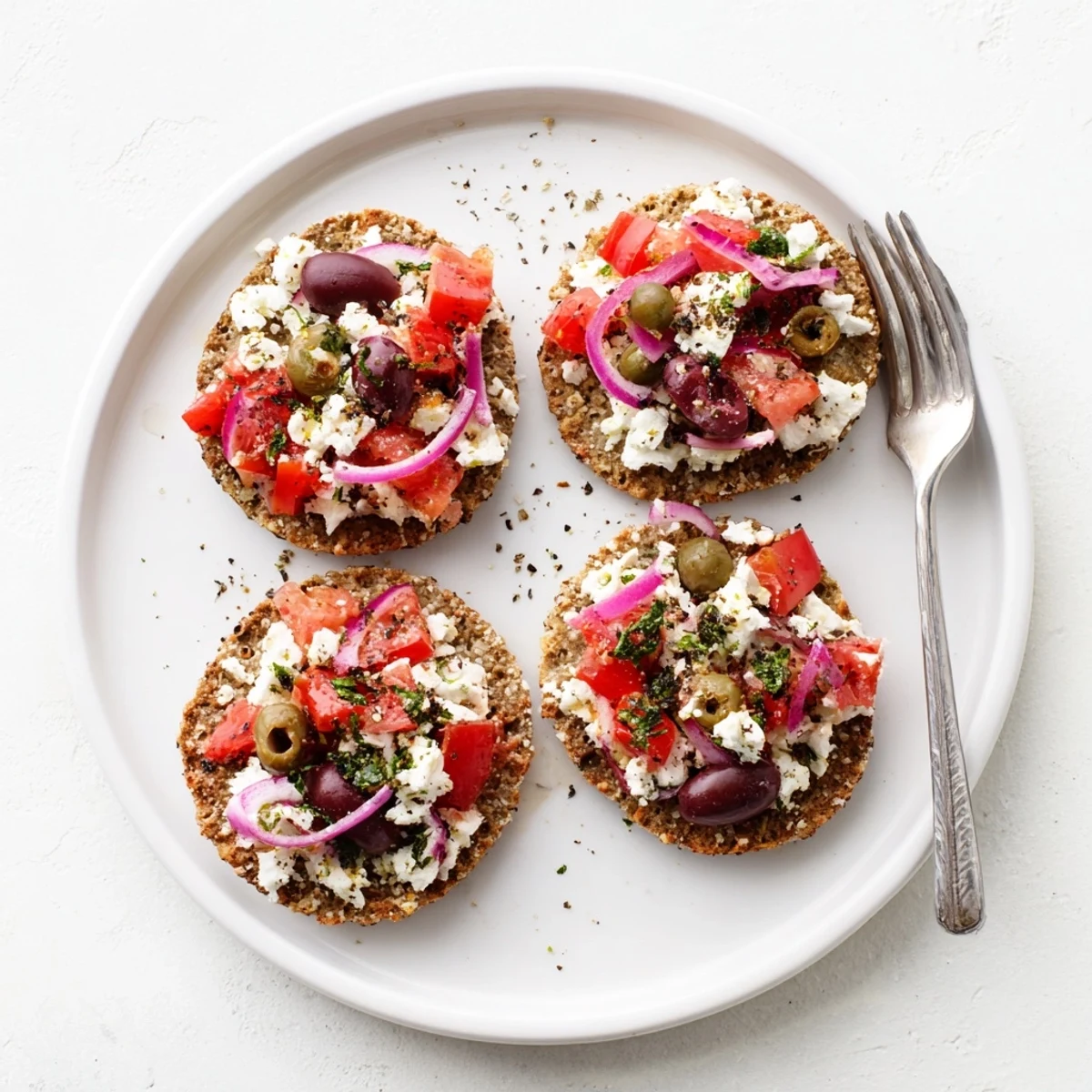
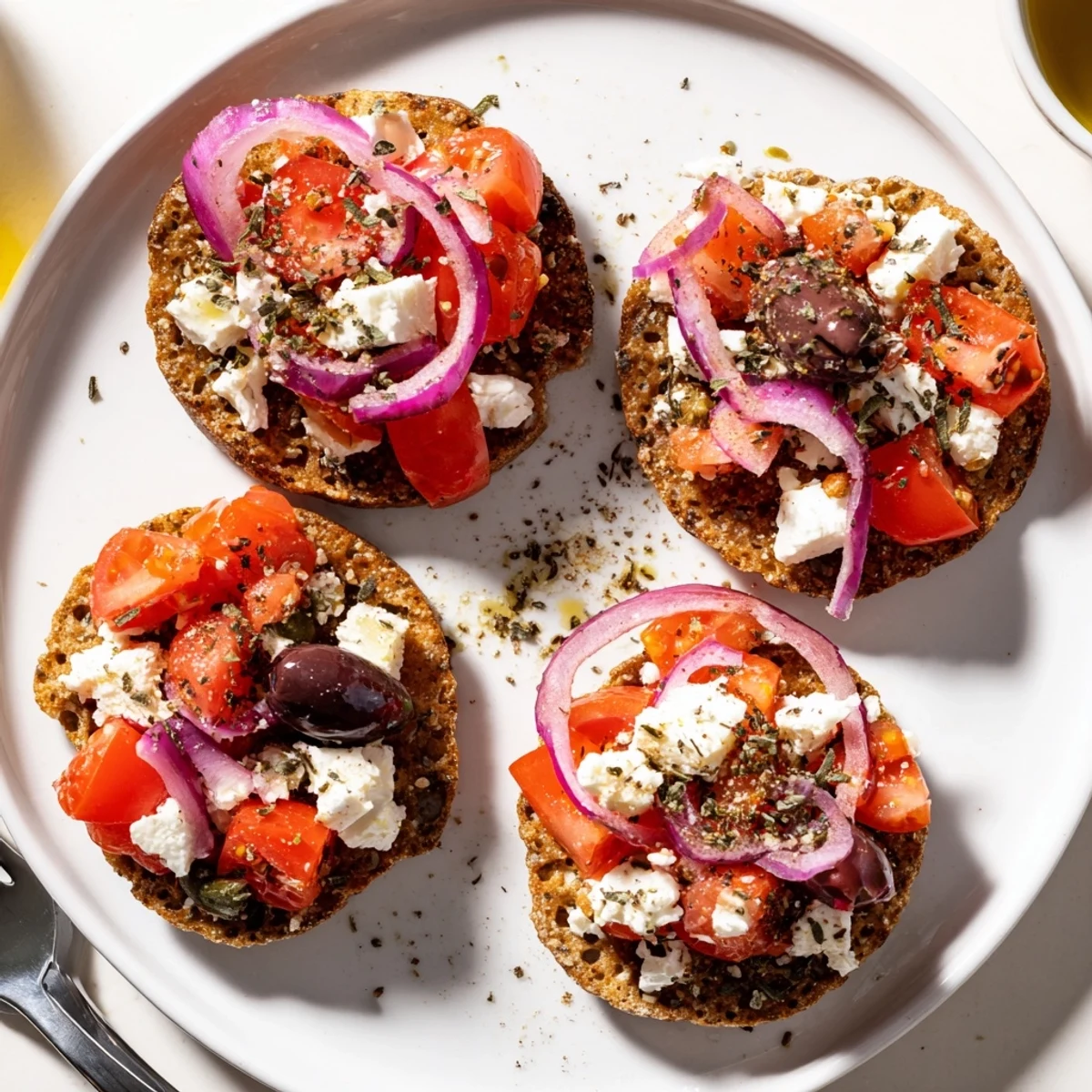
Save These crispy Cretan feta rusks bring the flavors of Greece straight to your table in just 30 minutes. Barley rusks are lightly brushed with olive oil and baked until golden and fragrant, then topped with a vibrant mix of ripe tomatoes, crumbled feta cheese, Kalamata olives, capers and fresh oregano.
The contrast between the crunchy base and the juicy, savory topping makes every bite irresistible. Serve them as a meze platter alongside chilled retsina or a crisp white wine for an authentic taste of Crete that guests will love.
The afternoon sun hit our tiny kitchen table wrong and I could barely read the scribbled recipe card from a taverna owner in Chania, but my hands already knew what to do with those rock hard barley rusks wed brought home. Something about crushing feta between your fingers and smelling oregano that has traveled in a paper bag for two days brings the whole Aegean back in a single breath.
I made a double batch for a friends rooftop birthday last summer and watched three people abandon the fancy charcuterie board to hover over this humble platter instead.
Ingredients
- Cretan barley rusks (paximadia): These are dense and dry by design, built to soak up oil and tomato juice without collapsing into mush.
- Extra virgin olive oil: Use the good stuff here because it is a core flavor, not a background player.
- Feta cheese, crumbled: A crumbly, salty block of real Greek feta makes all the difference, so skip the pre crumbled tubs.
- Ripe tomatoes, finely diced: Wait for summer tomatoes or roast winter ones because pale out of season fruit will drag everything down.
- Fresh oregano, chopped: Dried works in a pinch but fresh oregano has a peppery brightness that ties the whole dish together.
- Red onion, finely sliced: Soak the slices in cold water for five minutes if you want to tame their bite.
- Capers (optional): Their briny pop cuts through the richness of the feta beautifully.
- Kalamata olives, pitted and sliced: Do not skip pitting them yourself because no one wants to crack a tooth at a dinner party.
- Freshly ground black pepper: A generous finish of pepper over the top adds a subtle warmth that balances the salt.
Instructions
- Warm up the oven:
- Preheat to 180 degrees Celsius while you line a baking tray and set out your rusks, letting the kitchen start to feel purposeful.
- Give the rusks a drink:
- Brush each rusk lightly with olive oil on both sides so they toast rather than char, then arrange them on the tray with a little breathing room.
- Bake until fragrant:
- Slide them into the oven for five to eight minutes until the edges turn golden and your whole kitchen smells like a bakery in Rethymno.
- Build the tomato mixture:
- Toss the diced tomatoes with half the oregano and a few cracks of pepper in a bowl, tasting as you go because every tomato behaves differently.
- Cool the rusks briefly:
- Pull the tray out and let the rusks rest for just a minute so they firm up and hold their crunch under the toppings.
- Layer with confidence:
- Spoon the tomato mixture onto each rusk, then scatter crumbled feta over the top, letting some pieces fall into the crevices.
- Finish with flair:
- Arrange red onion slices, olives, and capers across the tops, drizzle generously with the remaining olive oil, and sprinkle the rest of the oregano and black pepper over everything.
- Serve while they sing:
- Get them to the table immediately because the magic lives in that first crunchy, juicy bite before the rusks soften.
 Save
Save There is something quietly powerful about serving a dish that costs almost nothing and watching it disappear before anything else on the table.
What to Serve Alongside
A chilled glass of retsina or a crisp Assyrtiko turns this simple appetizer into a proper occasion. If wine is not your thing, cold sparkling water with a wedge of lemon does the job just as well.
When You Cannot Find Paximadia
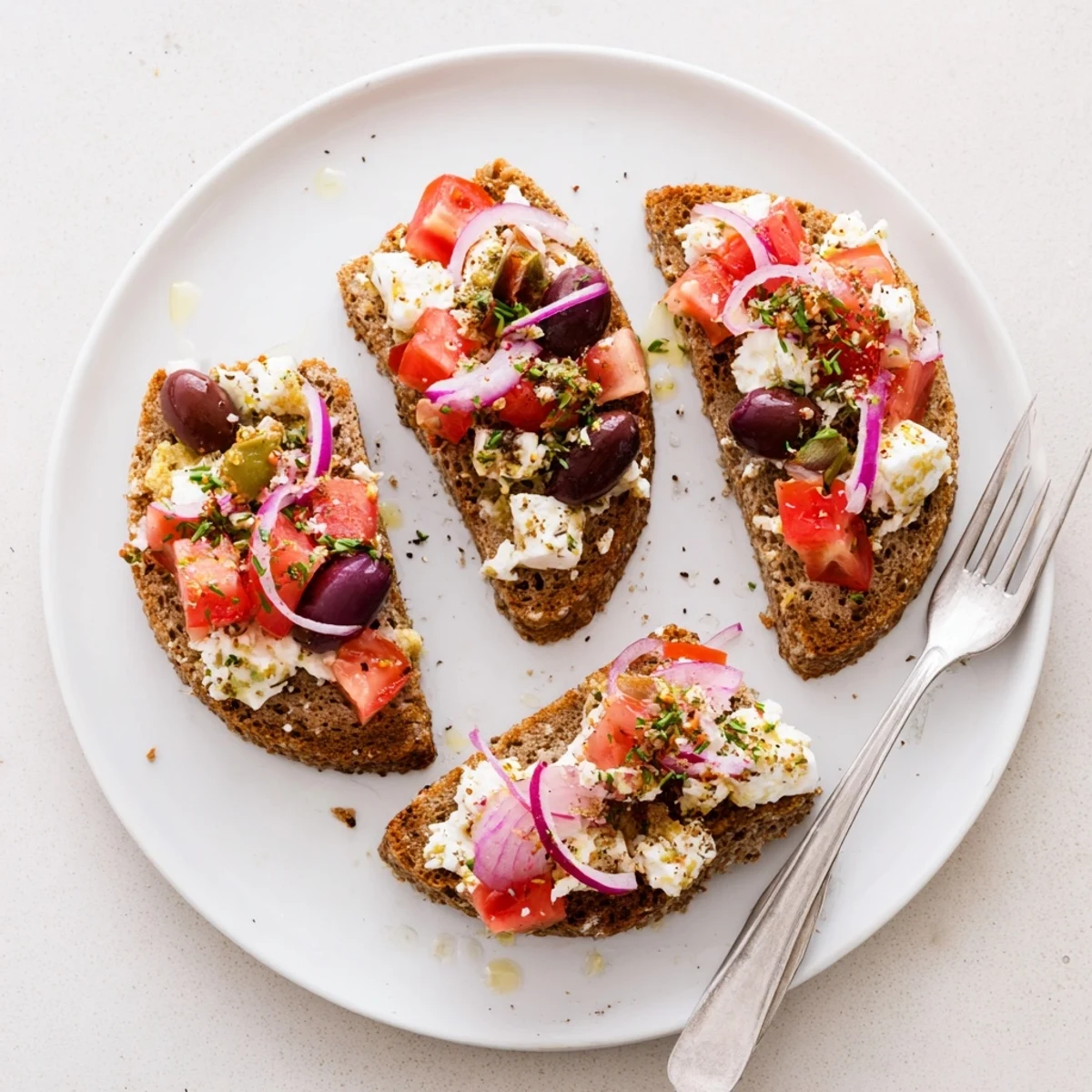
Whole wheat crackers or thick slices of day old sourdough, toasted until firm, will carry the toppings respectably. The soul of the dish is really about something hard and crunchy meeting something soft and bright, so do not stress the exact carrier.
Making It Your Own
Once you have the basic formula down, this recipe bends to whatever you have on hand. A sprinkle of chili flakes over the top is my favorite way to shake things up on a cold evening.
- Try a squeeze of lemon juice over the finished platter for extra brightness.
- Swap feta for ricotta salata if you want a milder, creamier salt profile.
- Always assemble right before serving so nothing goes soggy on you.
 Save
Save Keep it simple, keep it generous, and let the ingredients do the talking the way they do on that sun bleached island.
Recipe FAQs
- → What are Cretan barley rusks (paximadia)?
-
Cretan barley rusks, known as paximadia, are traditional twice-baked barley bread rounds from Crete. They are rock-hard and extremely dry, which makes them incredibly long-lasting. When moistened with olive oil or tomato juices, they soften slightly while retaining a satisfying crunch.
- → Can I substitute barley rusks with something else?
-
Yes, if you cannot find paximadia, you can use whole wheat crackers, thick slices of crusty bread toasted until very crisp, or even large crostini. The key is having a sturdy, crunchy base that can hold the toppings without becoming soggy too quickly.
- → How do I keep the rusks crispy after topping them?
-
Assemble the rusks just before serving to maintain maximum crunch. Brushing them with olive oil and baking beforehand creates a moisture barrier. You can also drain the tomato mixture briefly before spooning it on, and always serve immediately.
- → Is this dish suitable for vegetarians?
-
Yes, these Cretan feta rusks are completely vegetarian. They contain no meat or animal-derived ingredients beyond dairy feta cheese. Just verify that the barley rusks you purchase are processed in a facility free from cross-contamination if this is a concern.
- → What wine pairs best with Cretan feta rusks?
-
A chilled glass of retsina, the traditional Greek white wine infused with pine resin, is the most authentic pairing. Alternatively, any crisp, dry white wine such as Assyrtiko or Sauvignon Blanc complements the salty feta and herbaceous oregano beautifully.