
 Save
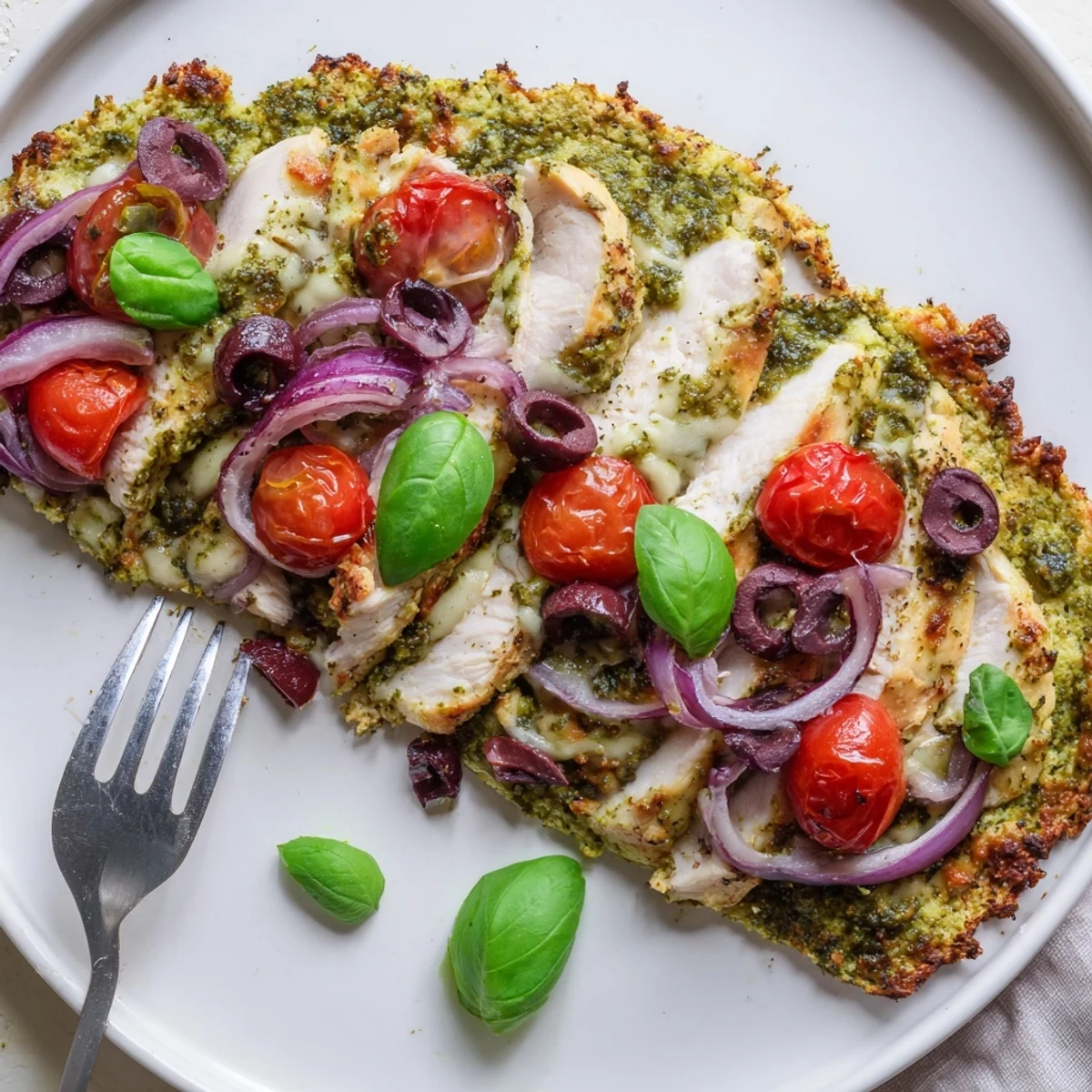
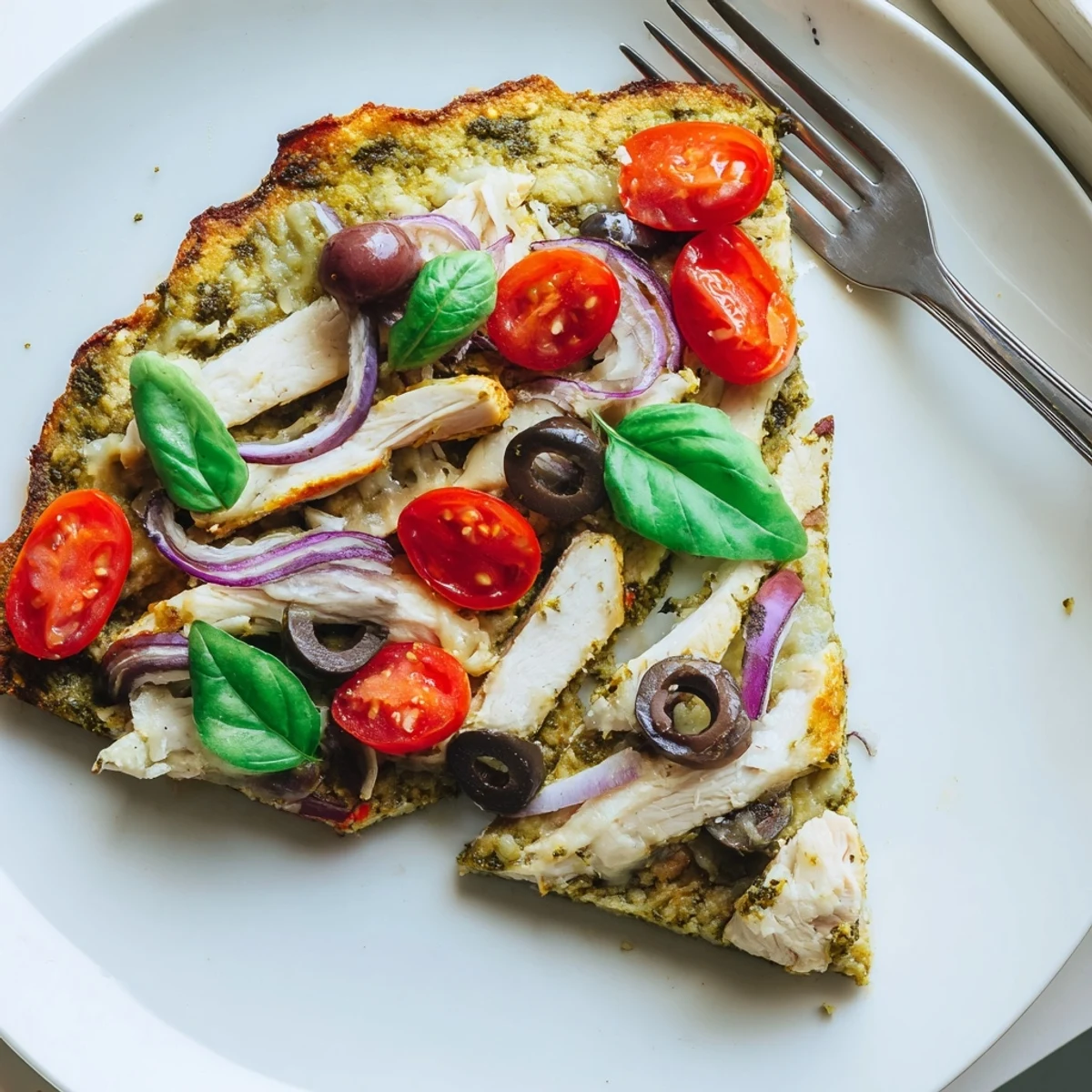
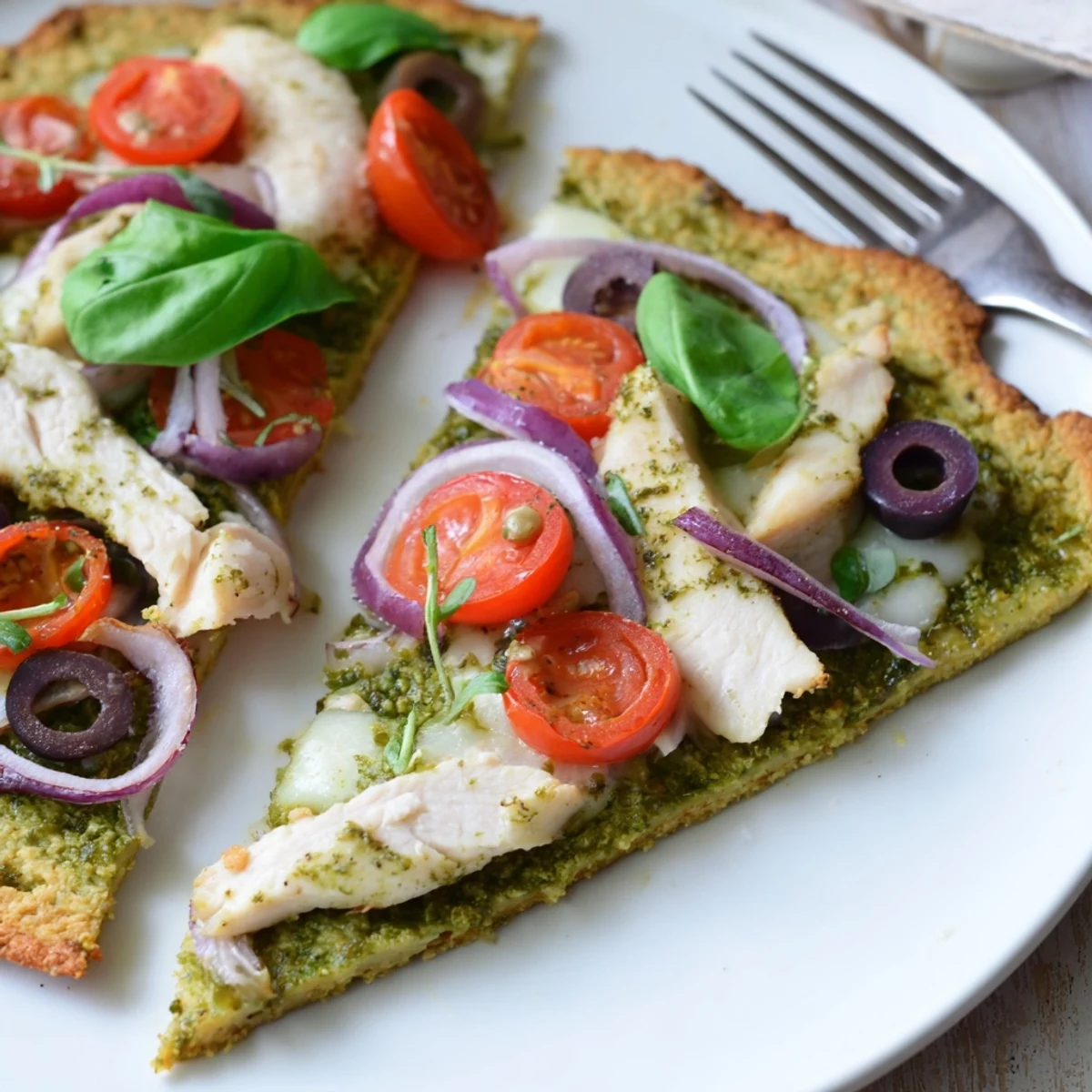
Save This grain-free pizza pairs juicy cooked chicken with bright basil pesto on a crisp almond-coconut crust. Combine almond, tapioca and coconut flours with eggs, oil and almond milk, shape a 10–12" base and bake 12–14 minutes at 400°F. Blend basil, nuts, garlic and olive oil for pesto, spread over the base, top with chicken and vegetables, then bake 8–10 minutes more. Garnish with fresh basil and serve warm.
The smell of basil and garlic hitting the food processor always pulls me straight into the kitchen, no matter what room I am in. There is something deeply satisfying about pressing a paleo pizza crust into shape with your bare hands, feeling the dough come together under your palms. This chicken pesto pizza came out of a rainy Tuesday when I had leftover chicken and a windowsill full of basil that needed using. It has since become the one meal I make when I want comfort food without the heaviness that follows.
I served this to my neighbor once after she helped me carry groceries up three flights of stairs in the August heat. She stood in my kitchen eating a slice straight off the cutting board, too impatient for a plate, and declared it better than the wood fired place down the street. That reaction alone was worth every minute of prep.
Ingredients
- Almond flour (1 cup): The base of the crust, giving it a nutty richness and sturdy structure that holds up under toppings without going soggy.
- Tapioca flour (1/4 cup): Adds elasticity and chew that mimics traditional dough, something coconut flour alone cannot achieve.
- Coconut flour (1/4 cup): Absorbs moisture like a sponge, binding the dough together and keeping it tender inside while the outside crisps.
- 2 large eggs: The glue that holds this grain free crust intact, and they contribute a slight richness to the crumb.
- Olive oil (2 tbsp for crust, 1/3 cup for pesto): Use a good quality oil for the pesto since its flavor will be front and center on every bite.
- Unsweetened almond milk (1/4 cup): Helps bring the dough to the right consistency without adding sugar or dairy, keeping it fully paleo compliant.
- Sea salt (1/2 tsp for crust, 1/2 tsp for pesto): Do not skip this in either component, as both the crust and pesto need it to bring their flavors alive.
- Baking soda (1/2 tsp): Gives the crust a gentle lift so it does not turn into a dense flatbread.
- Fresh basil leaves (1 1/2 cups): Pack them tightly when measuring and use the freshest leaves you can find, as wilted basil makes flat tasting pesto.
- Pine nuts or walnuts (1/3 cup): Pine nuts are classic and buttery, but toasted walnuts add an earthy depth that works just as well for half the price.
- Garlic cloves (2): Raw garlic in the pesto gives it a sharp, vibrant kick that mellows slightly during the final bake.
- Nutritional yeast (2 tbsp): This is the secret to making dairy free pesto taste like it has parmesan in it, adding a savory umami note.
- Lemon juice (from 1/2 lemon): Brightens the entire pesto and keeps the basil from tasting muddy or overly heavy.
- 2 cooked chicken breasts: Sliced or shredded, this is a great place to use leftover roasted chicken or even store bought rotisserie chicken to save time.
- Red onion (1/2, thinly sliced): Adds a sweet sharp crunch that cuts through the richness of the pesto and chicken beautifully.
- Cherry tomatoes (1/2 cup, halved): They burst slightly during baking, creating little pockets of juicy sweetness across the pizza.
- Black olives (1/4 cup, optional): Salty and briny, they round out the Mediterranean flavor profile if you enjoy them.
- Fresh basil for garnish: Torn and scattered on after baking, these raw leaves add a perfumed freshness that cooked basil cannot provide.
Instructions
- Preheat and prepare your baking sheet:
- Set your oven to 400 degrees Fahrenheit and line a baking sheet with parchment paper so the crust lifts off cleanly after baking.
- Mix the dry ingredients:
- In a large bowl, whisk together the almond flour, tapioca flour, coconut flour, sea salt, and baking soda until evenly distributed and free of lumps.
- Combine the wet ingredients:
- In a separate bowl, whisk the eggs, olive oil, and almond milk until smooth, then pour this mixture into the dry ingredients and stir until a soft dough forms.
- Shape and parbake the crust:
- Transfer the dough onto your parchment lined sheet and use your hands to press it into a 10 to 12 inch round, then bake for 12 to 14 minutes until the edges turn a warm golden brown.
- Blend the pesto:
- While the crust bakes, add basil, pine nuts, garlic, nutritional yeast, olive oil, sea salt, and lemon juice to a food processor and blend until mostly smooth with a few flecks of green remaining for texture.
- Assemble the pizza:
- Spread the pesto generously over the parbaked crust, then arrange the chicken, red onion slices, cherry tomato halves, and olives evenly on top.
- Final bake:
- Return the topped pizza to the oven for 8 to 10 minutes until the toppings are heated through and the crust is firm and crispy at the edges.
- Garnish and serve:
- Pull the pizza from the oven, scatter torn fresh basil leaves across the top, let it rest for a minute, then slice and serve warm.
 Save
Save The first time I pulled this pizza from the oven and set it on the counter, my partner walked in and paused mid sentence, just staring at it. That moment of quiet before the first slice is something I now look forward to every single time I make it.
Smart Swaps and Shortcuts
Rotisserie chicken from the grocery store is a completely valid shortcut here, and honestly it often tastes better than chicken I have cooked and refrigerated myself. If you tolerate dairy, a scattering of fresh mozzarella or goat cheese over the top before the final bake takes this into truly indulgent territory without much extra effort.
Pairing Suggestions
A simple arugula salad with lemon juice and olive oil is really all you need alongside this pizza to make it a complete meal. A chilled glass of Sauvignon Blanc or even a sparkling water with a wedge of lime keeps things light and lets the pesto stay the star of the plate.
Storage and Reheating Advice
Leftovers keep well in the refrigerator for up to three days when stored in an airtight container, though the crust softens slightly overnight. The best way to bring it back to life is a quick stint in a hot skillet rather than the microwave, which makes the crust rubbery.
- Reheat slices in a dry cast iron pan over medium heat for about two minutes per side to restore the crispness.
- If freezing, wrap individual slices tightly in parchment and then foil, and they will keep well for up to one month.
- Always garnish with fresh basil after reheating, not before storing, to keep the leaves from turning black and slimy.
 Save
Save This pizza proved to me that eating well does not mean giving up the foods you love, it just means finding a smarter way to make them. Share it with someone who thinks paleo food is boring, and watch them change their mind before the second slice is gone.
Recipe FAQs
- → How do I keep the crust crisp?
-
Bake the shaped crust until the edges are golden before adding toppings, and avoid overloading with wet ingredients. Using parchment and a preheated sheet helps draw moisture away for a crisper base.
- → Can I swap the nuts in the pesto?
-
Yes. Pine nuts can be replaced with walnuts or almonds for a similar texture and flavor. Toasting the nuts lightly enhances their aroma before blending.
- → What are good protein swaps for the chicken?
-
Shredded turkey, rotisserie poultry, or thinly sliced grilled pork work well. Pre-cooked proteins should be heated briefly on the pizza to avoid drying out.
- → How should leftovers be stored and reheated?
-
Cool completely, then refrigerate in an airtight container for up to 3 days. Reheat in a 350°F oven or toaster oven until warmed through to restore crispness; avoid microwaving if possible.
- → Can I make the pesto ahead of time?
-
Yes. Store pesto in an airtight jar with a thin film of olive oil on top to limit oxidation, and refrigerate for up to 4 days. You can also freeze portions for longer storage.
- → Any tips for a dairy-free cheese option?
-
Use a dairy-free mozzarella or a sprinkle of nutritional yeast for a savory, cheesy note that stays aligned with paleo and dairy-free preferences.