
 Save
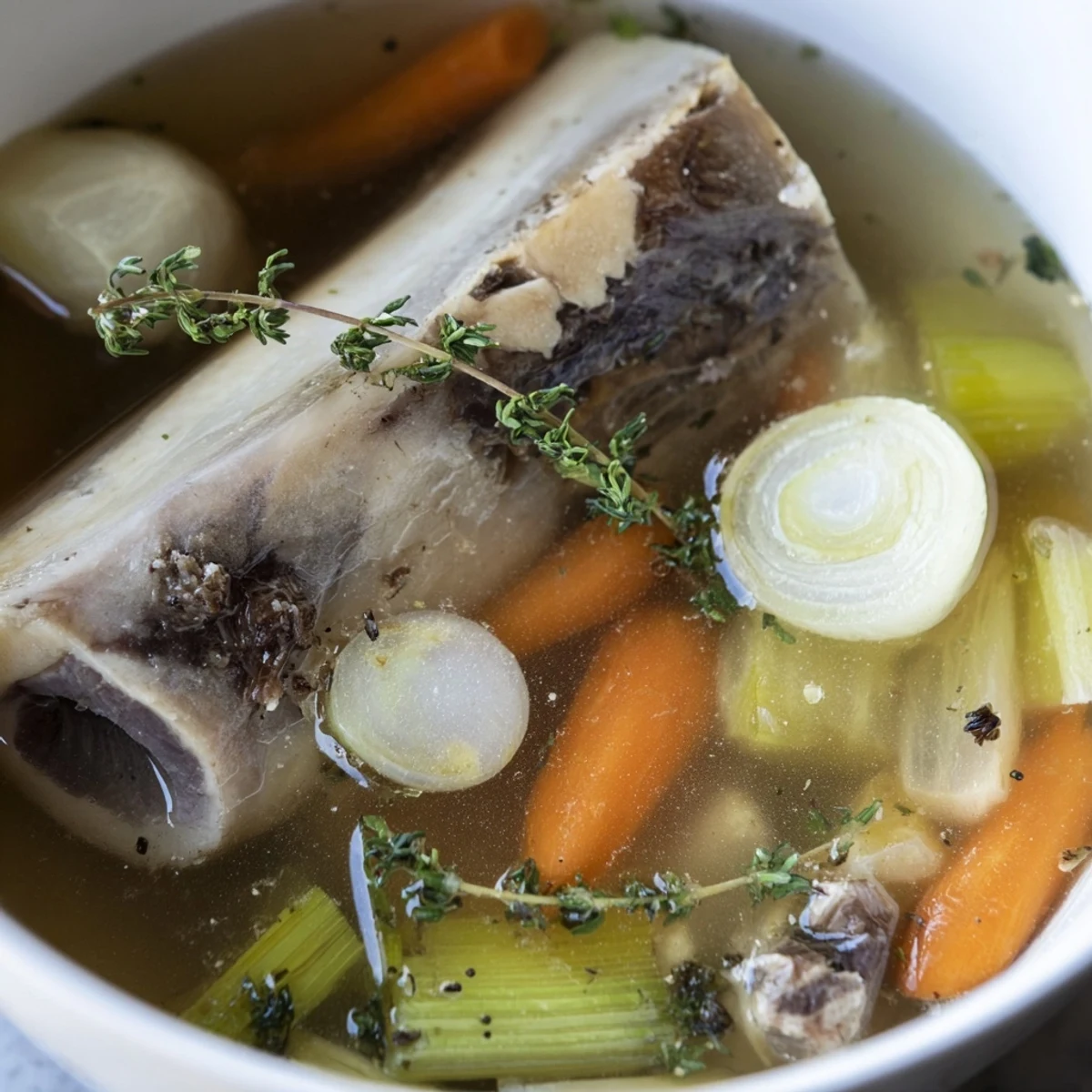
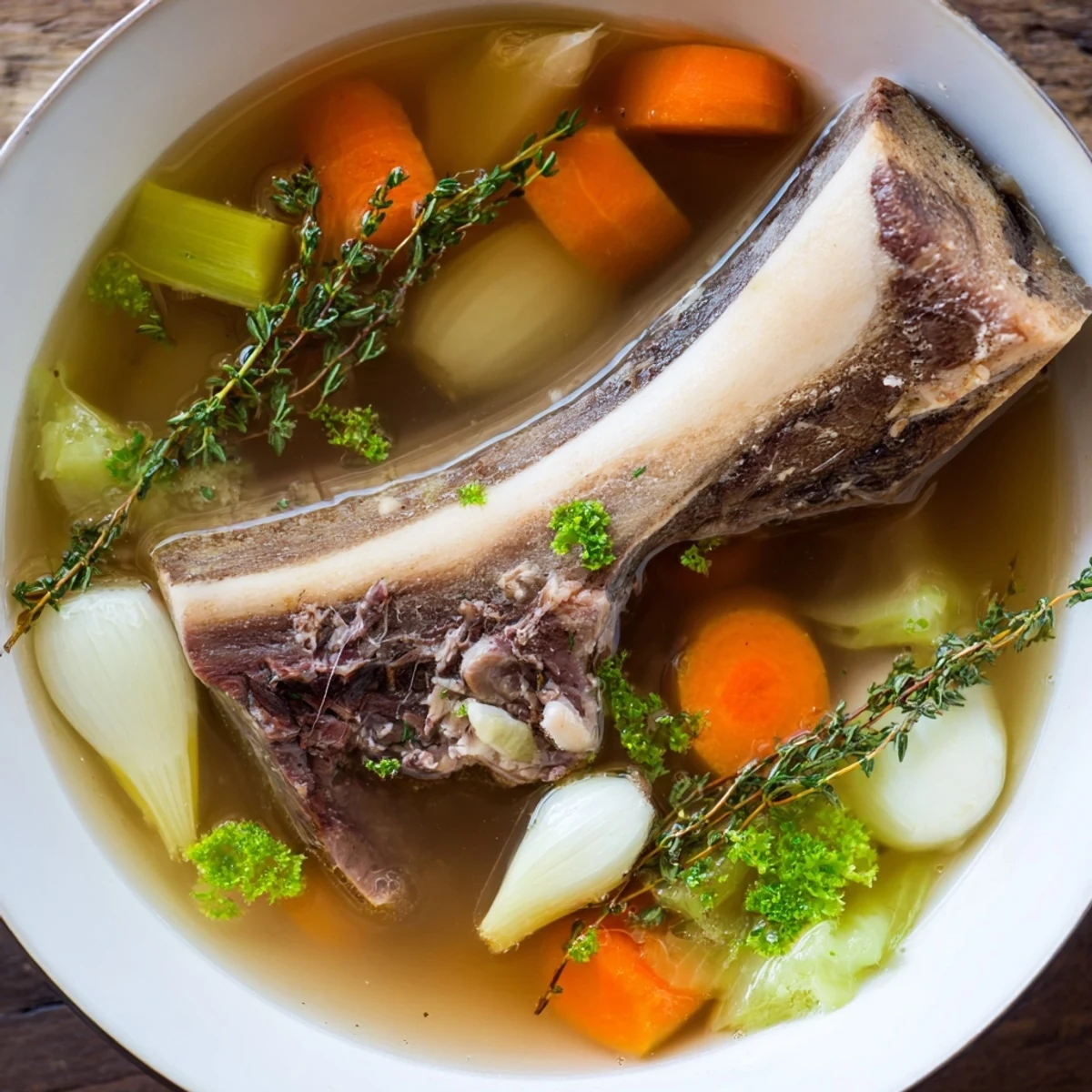
Save This rich beef stock derives deep flavor from roasting beef bones alongside aromatic vegetables and herbs. The bones are slowly simmered to extract gelatin and nutrients, creating a full-bodied liquid perfect for enhancing soups, stews, gravies, and sauces. The roasting step intensifies the savory notes, while careful skimming ensures clarity. Once cooled, the stock can be refrigerated or frozen for future use, providing a foundational element in many hearty dishes. Optional tomato paste adds depth and color, delivering a balanced, nourishing broth.
There's something almost meditative about the quiet work of making stock—the kind of cooking that doesn't demand your constant attention but rewards your patience. I stumbled into serious stock-making by accident one winter when my mother sent over a bag of beef bones from the butcher, insisting I'd "understand why restaurants taste different" once I tried making my own. She was right, but not in the way I expected. The real revelation wasn't just the taste, it was how a simple pot simmering on the back burner became the foundation for everything that followed.
The first time I served a soup made from my own stock to friends, I caught myself watching their faces as they tasted it—that small pause before someone says "this is really good." No one knew they were tasting four hours of simmered bones and vegetables, the kind of foundation you can't fake. Since then, making stock has become my quiet ritual, something I do without thinking, the way some people make coffee.
Ingredients
- Beef bones (2 kg / 4.5 lbs): Marrow and knuckle bones with meat attached give you collagen and flavor—ask your butcher for a mix, and don't shy away from bones that look meaty.
- Carrots (2 medium, roughly chopped): The natural sweetness balances the richness of the bones; rough chopping means more surface area touching the pot.
- Celery stalks (2, roughly chopped): These add a subtle herbaceous note that deepens as they cook; I always save the leaves for the parsley bundle.
- Onions (2 medium, quartered with skins on): The skins give your stock a golden color—a trick learned from watching a French chef work, skins and all.
- Garlic (1 head, halved horizontally): Left in its papery skin and split open, it releases sweet, mellow notes rather than harsh bite.
- Bay leaves (2): Two is enough; more than three and they start to overpower.
- Black peppercorns (1 tsp): Whole peppercorns stay subtle over long cooking, unlike ground pepper which turns bitter.
- Fresh thyme (6 sprigs or 1 tsp dried): Fresh is worth seeking out for stock; it brings green, living notes that dried can't quite match.
- Parsley stems (1 small bunch): Don't throw away the stems—they have more flavor than the leaves and are exactly what you want simmering for hours.
- Tomato paste (2 tbsp, optional): A small amount adds depth and helps give your stock a richer color without making it taste tomatoey.
- Salt (2 tsp, adjust to taste): Add it early so the salt has time to integrate, but taste at the end and adjust—you can always add more.
- Cold water (4 liters / 16 cups): Cold water helps pull impurities to the surface as it heats, keeping your stock clear and clean-tasting.
Instructions
- Get the bones golden:
- Preheat your oven to 220°C (425°F) and spread the beef bones in a single layer on a roasting pan—don't crowd them. Roast for 30–40 minutes, turning them once halfway through, until they're deep golden-brown on all sides. You'll know they're ready when the kitchen smells incredible and the exposed marrow looks caramelized.
- Begin the stock:
- Transfer those roasted bones to your largest stockpot, then if you're using tomato paste, smear it directly over the bones—this small step makes a visible difference in the final color. Set the roasting pan aside; you're not done with it yet.
- Roast the vegetables:
- Roast the vegetables:
- Put the chopped carrots, celery, onions, and garlic halves into that same roasting pan—they'll pick up all the browned bits left behind—and roast for about 15 minutes until they're lightly caramelized and soft at the edges. This isn't about cooking them through; it's about developing flavor.
- Gather the pan liquids:
- Pour a small amount of cold water into the roasting pan and scrape vigorously with a wooden spoon, breaking up every stuck-on bit of browned meat and vegetable. This is liquid gold—pour it all into the stockpot with the bones and vegetables.
- Add the aromatics:
- Toss in the bay leaves, peppercorns, thyme sprigs, parsley stems, and salt. Pour in the cold water slowly, covering all the solids by a few inches. The cold water pulls impurities upward as it heats, which you'll skim away.
- Start the simmer:
- Set the pot over medium heat and bring it slowly—not a rolling boil, but a gentle, lazy simmer. You'll see foam and gray scum rise to the surface, especially in the first 30–60 minutes; skim this off with a fine skimmer or ladle. This step keeps your stock clear and clean-tasting.
- Let time do the work:
- Once you've skimmed away the impurities, reduce heat to low and let the stock simmer gently, uncovered, for 4 hours. It should barely bubble—just the occasional lazy movement on the surface. Peek in every hour or so, skim if needed, and top up with water if the bones aren't covered.
- Strain everything:
- Pour the stock through a fine-mesh sieve or cheesecloth into a large, clean bowl or pot, letting the liquid drip slowly rather than forcing it through. Discard all the solids—they've given everything they have.
- Cool and store:
- Let the stock cool to room temperature, then cover and refrigerate overnight. Once chilled, a solid layer of fat will form on top—you can remove it and discard it, or leave it as a protective seal. Store in airtight containers in the refrigerator for up to 5 days or freeze for up to 3 months.
 Save
Save I realized halfway through my first batch that this wasn't just cooking—it was an act of care, something you're doing for future-you, for meals you haven't even planned yet. Now when I open my freezer and see those containers of golden stock, I feel a small flash of satisfaction, knowing that any soup or stew I make from here on is already better than it would have been.
The Bones You Choose Matter
Not all beef bones are created equal, and your butcher is your ally in getting the right ones. Marrow bones have that creamy interior that releases gelatin, while knuckle bones are all collagen and connective tissue—exactly what makes stock silky and rich when it cools. Asking for a mix, and never shying away from bones with some meat still clinging to them, gives you depth. One afternoon I grabbed whatever was on sale, and the difference was noticeable; now I'm willing to spend a little more or call ahead to reserve the good bones.
Why This Takes Time
Four hours sounds like a long time, but it's not arbitrary—it's how long it takes for heat and moisture to slowly break down the proteins in bones and connective tissue, turning them into gelatin and flavor compounds that make your stock rich and silky. You can't rush this without losing something essential. I've tried shortcutting it with higher heat, and every time the result was thinner, cloudier, less satisfying.
What Comes Next
Once you have good stock in your freezer, you're not just cooking differently—you're cooking with intention and foundation. Use it for risottos where the stock becomes part of the grain, for slow-cooked braises where it deepens every spoonful, or simply for soups where the stock is the whole story. Some people clarify theirs into crystal-clear consommé, which is beautiful but unnecessary unless you're feeling fancy.
- Freeze stock in ice-cube trays so you can grab exactly what you need for a quick pan sauce or to deglaze after searing meat.
- Label your containers with the date—you'll be amazed how quickly you use it once you start cooking with it regularly.
- A splash of apple cider vinegar added at the beginning helps extract minerals from the bones if you're after maximum nutrition.
 Save
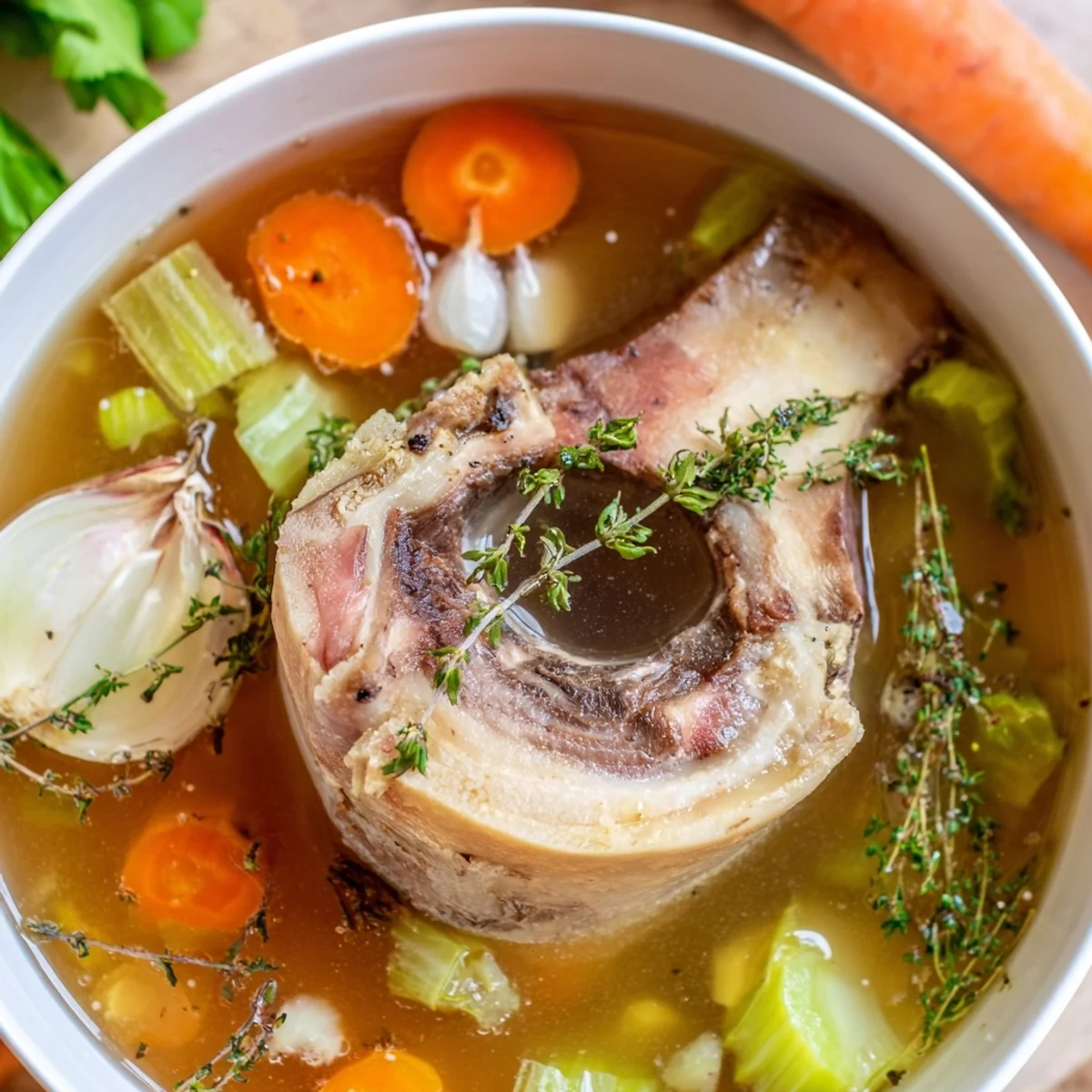
Save Making stock is one of those kitchen habits that quietly changes how you cook forever, and it costs almost nothing but time. Once you've tasted soup built on your own stock, store-bought will never feel the same.