
 Save
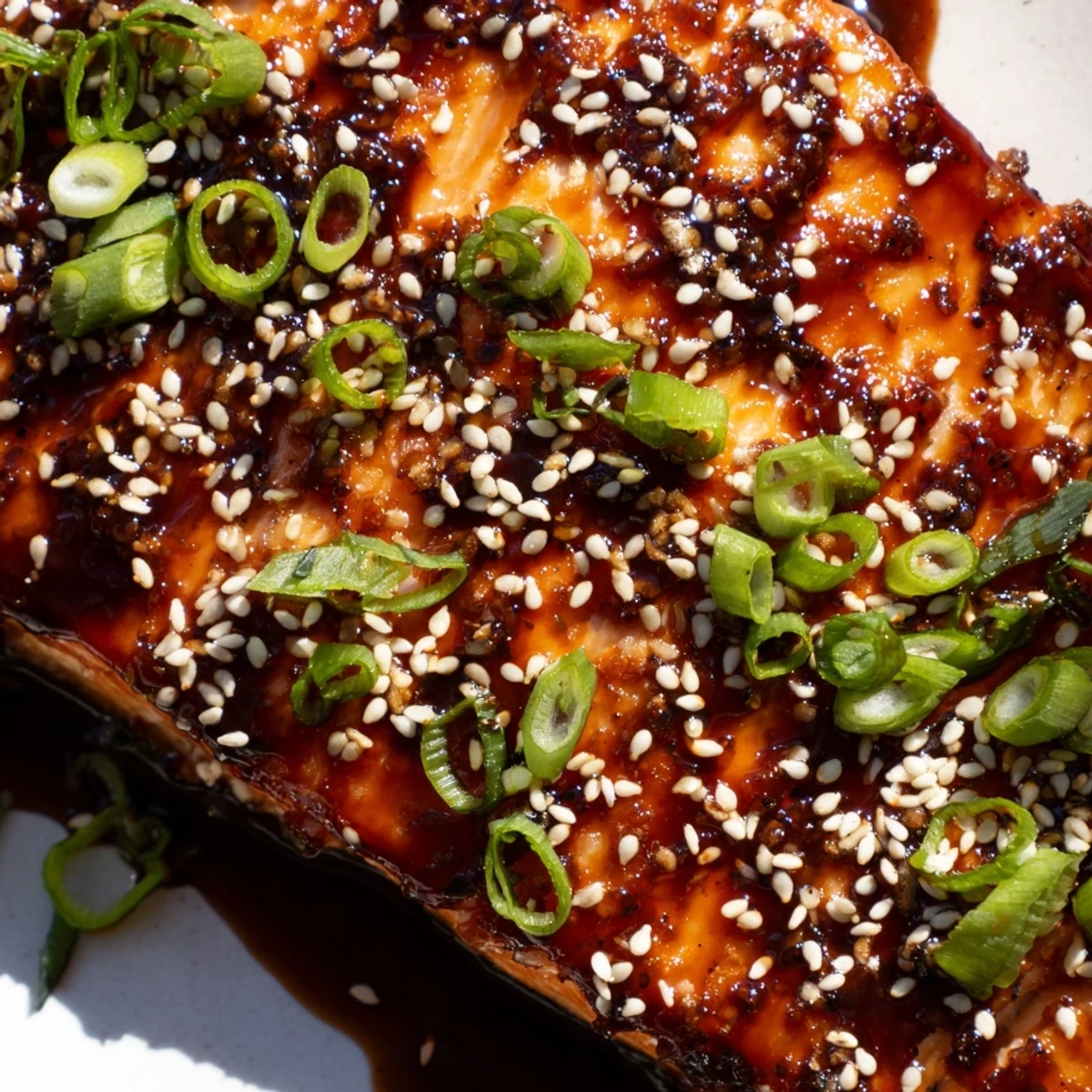
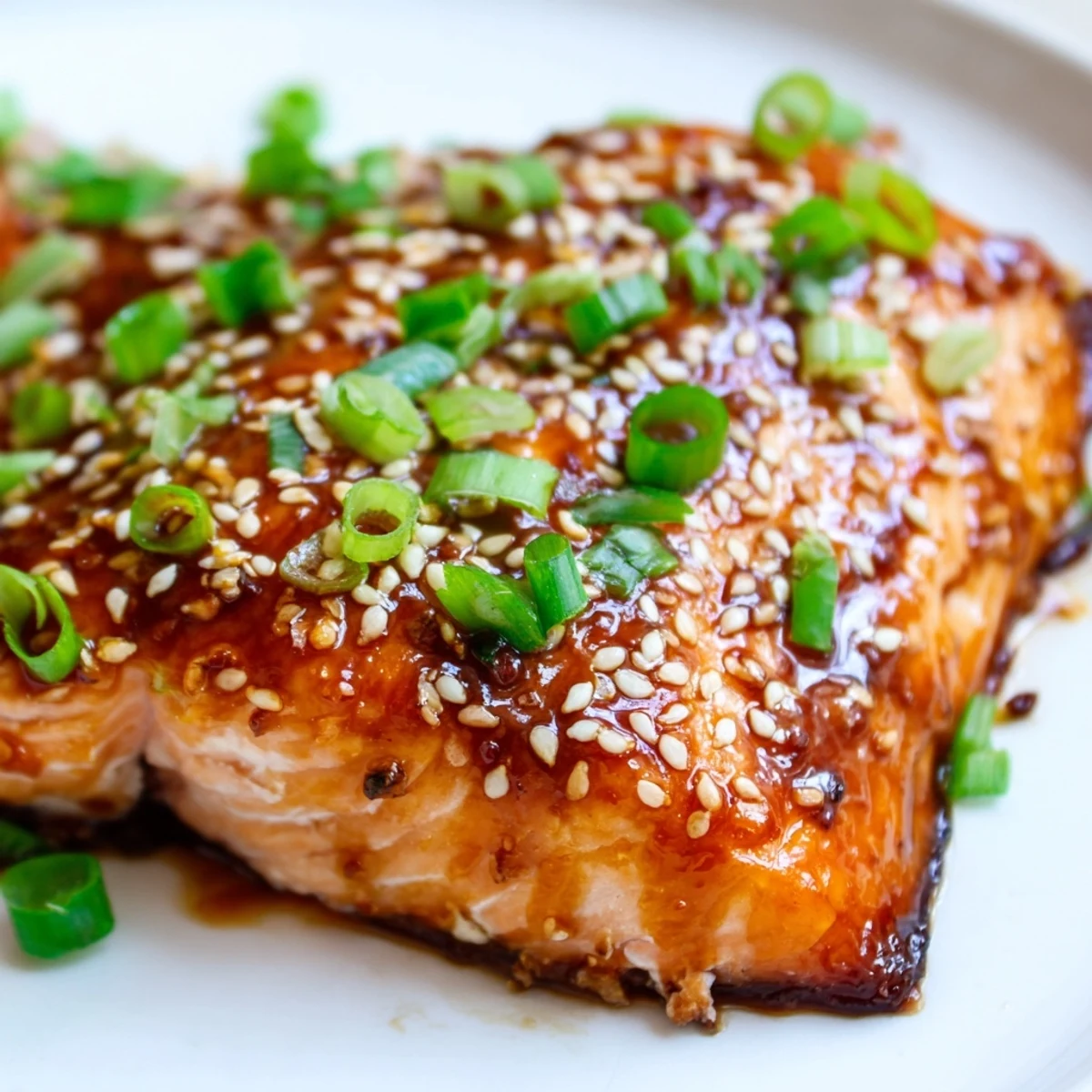
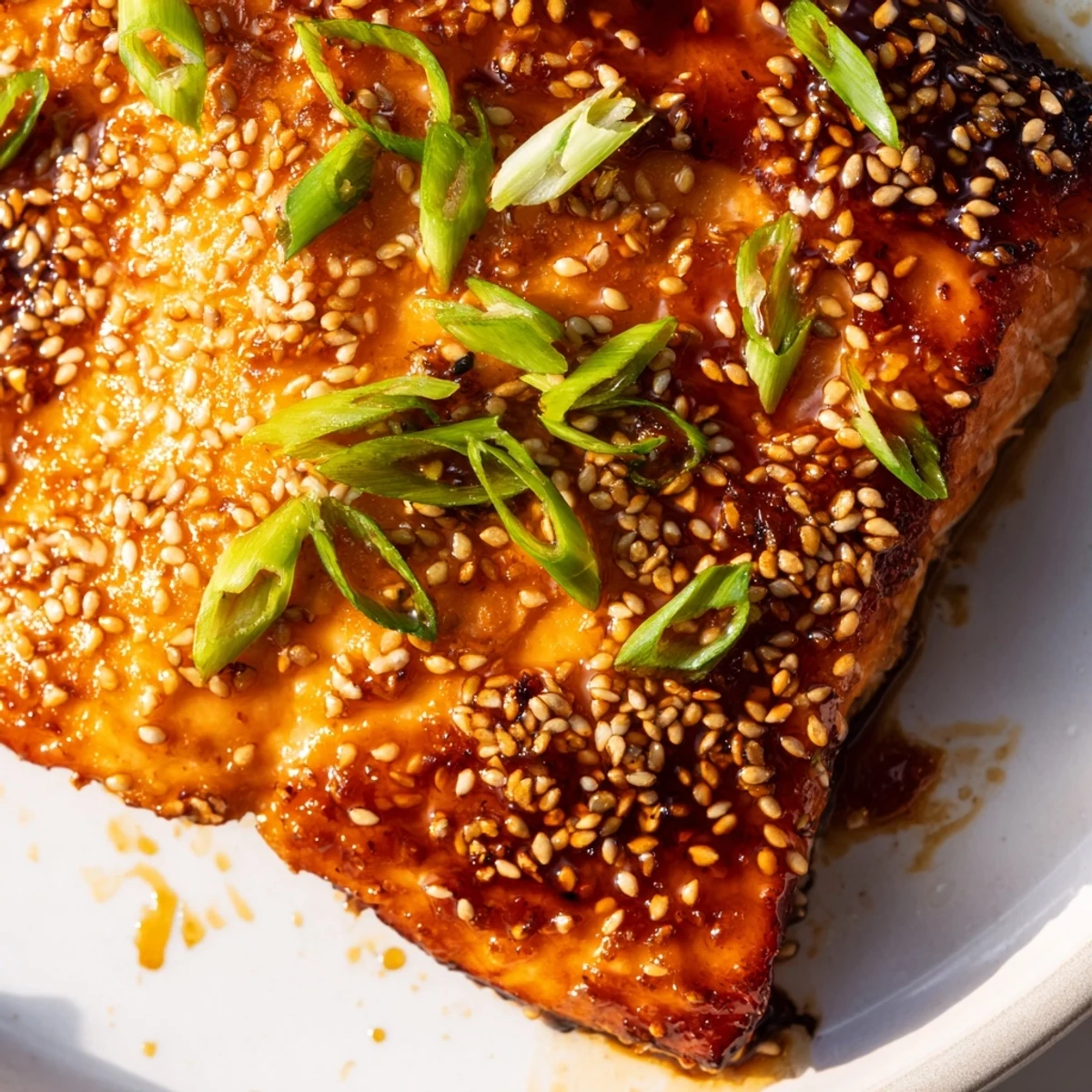
Save This dish features tender salmon fillets baked to flaky perfection, brushed with a sweet-savory teriyaki glaze made from soy sauce, honey, garlic, and ginger. The glaze is thickened slightly for a luscious finish. Toasted sesame seeds and sliced green onions add a satisfying crunch and fresh flavor layer, delivering an Asian-inspired main that’s quick to prepare and full of depth. Perfect as a wholesome pescatarian option for weeknight meals or entertaining.
One weeknight, I pulled a salmon fillet from the fridge without a plan, remembering how my neighbor had raved about a teriyaki glaze she'd brushed onto fish. Twenty minutes later, the kitchen smelled like toasted sesame and caramelized honey, and I understood exactly why she'd been so excited. That simple glaze—sweet, savory, with just a whisper of ginger—transformed the salmon into something that felt both comforting and restaurant-worthy.
I made this for my parents on a quiet Sunday, and my dad actually put his phone down mid-meal—something that never happens. He kept asking about the glaze, whether it was store-bought or something I'd created. When I told him it was just soy sauce, honey, and ginger simmered together, he looked genuinely impressed that something so straightforward could taste so sophisticated.
Ingredients
- Salmon fillets (4, about 6 oz each): The star of the show—look for fillets with a slight sheen and firm flesh, and don't worry about whether the skin is on or off, it's your preference.
- Kosher salt and black pepper: These are your foundation, bringing out the natural sweetness of the salmon without overpowering it.
- Low-sodium soy sauce (1/3 cup): The backbone of your glaze—using low-sodium gives you control over saltiness and lets the other flavors shine.
- Honey or maple syrup (3 tablespoons): This is what creates that glossy, caramelized finish; maple syrup adds earthiness if you prefer.
- Mirin (2 tablespoons): A gentle Japanese rice wine that adds subtle sweetness and body—if you can't find it, dry sherry works in a pinch.
- Rice vinegar (1 tablespoon): The bright note that balances richness and prevents the glaze from feeling cloying.
- Toasted sesame oil (2 teaspoons): This small amount brings a toasty, nutty depth that tastes like it took hours to develop.
- Garlic and ginger (2 cloves and 1 teaspoon, grated): Freshly grated ginger is worth the effort—it's more lively than ground, and raw garlic becomes mellow when simmered.
- Cornstarch slurry (1 teaspoon cornstarch mixed with 2 teaspoons water): This thickens your glaze into something that clings to the salmon instead of running off.
- Toasted sesame seeds and green onions (for garnish): These finish the dish with color, texture, and a final burst of nutty, fresh flavor.
Instructions
- Heat your oven and prepare:
- Get your oven to 400°F (200°C) and line a baking sheet with parchment paper—this prevents sticking and makes cleanup effortless. You want everything ready before the salmon hits the sheet.
- Season the salmon:
- Pat your fillets completely dry with paper towels, then season both sides gently with salt and pepper. Place them skin-side down on the sheet, giving each fillet room to breathe.
- Build your glaze:
- Combine soy sauce, honey, mirin, rice vinegar, sesame oil, garlic, and ginger in a small saucepan over medium heat. Let it warm through and the flavors start to marry—you'll smell the ginger wake up as it heats.
- Thicken the glaze:
- Stir your cornstarch slurry one more time (the starch settles), then pour it into the simmering glaze while stirring constantly. In about a minute, it'll shift from glossy liquid to silky coating, and you'll know it's ready when it clings to your spoon.
- First brush of glaze:
- Using a basting brush, paint about half the glaze over each salmon fillet, getting into any curves. Don't be timid here—this is flavor.
- Bake until just cooked through:
- Bake for 12 to 15 minutes depending on thickness; the salmon should flake easily when you test it with a fork but still feel tender inside. Thicker fillets need the longer time, thinner ones the shorter.
- Final glaze and garnish:
- Remove from the oven and brush the remaining glaze over each fillet while they're still warm. Sprinkle toasted sesame seeds and sliced green onions on top, and serve with lime wedges if you want a bright, acidic finish.
 Save
Save The first time I served this to someone who claimed they didn't usually like salmon, watching them finish their plate and ask for the recipe felt like a small victory. It's funny how a good glaze and a little attention can change someone's mind about an ingredient they thought they'd already decided on.
The Science Behind the Glaze
The magic of teriyaki isn't mysterious—it's chemistry. Honey and soy sauce caramelize together when heated, which means the sugars break down and create new flavors that neither ingredient has on its own. The ginger and garlic soften and become almost sweet, while the rice vinegar cuts through the richness so every bite feels balanced instead of heavy. That cornstarch slurry is what transforms liquid into a glaze that actually stays on the fish instead of pooling at the bottom of the pan.
What to Serve Alongside
I've learned that what you put around the salmon matters as much as the salmon itself. Steamed jasmine rice soaks up the glaze beautifully, and its subtle fragrance pairs so well with the sesame. Sautéed bok choy with garlic provides a slight bitterness that contrasts with the sweet glaze, while roasted broccoli adds earthiness and a little char. The greens ground the meal, keeping it from feeling like it's all about the glaze.
Making It Your Own
The foundation here is strong enough to play with. I've tried adding a teaspoon of sriracha for heat, or a splash of lime juice for brightness, and both times the glaze adapted beautifully. Some nights I marinate the salmon for 30 minutes before baking, and the flavor penetrates deeper, creating something even more complex. You can also brush the glaze on halfway through cooking if you prefer a lighter coat, or be generous if you love the teriyaki flavor dominating every bite.
- If you want extra shine and stickiness, save a bit of raw glaze to drizzle over the top right before serving.
- Toasted sesame seeds make a real difference—buy them already toasted or toast raw ones in a dry pan for 2 minutes until fragrant.
- Leftover glaze keeps in the fridge for a week and works beautifully on chicken, tofu, or roasted vegetables.
 Save
Save This dish taught me that sometimes the simplest recipes, the ones that take less than 30 minutes, can be the ones you return to again and again. That's not because they're easy, but because they're reliable, they taste genuinely good, and they make you feel capable in the kitchen.
Recipe FAQs
- → How can I ensure the salmon stays moist when baking?
-
Patting the salmon dry before seasoning and brushing it with glaze helps retain moisture. Avoid overcooking by baking until just flaky for the best texture.
- → Can I prepare the teriyaki glaze ahead of time?
-
Yes, the glaze can be made in advance and stored in the refrigerator. Reheat gently before brushing onto the salmon.
- → What alternatives can I use for honey in the glaze?
-
Maple syrup is a great substitute for honey, offering a similar sweetness and compatibility with the teriyaki flavors.
- → How do toasted sesame seeds enhance the dish?
-
Toasted sesame seeds add a nutty crunch and aromatic depth that complement the glaze and salmon's rich flavor.
- → Is it necessary to use skin-on salmon fillets?
-
Skin-on fillets help hold the fish together during baking and add flavor, but skinless fillets work well too for easier serving.