
 Save
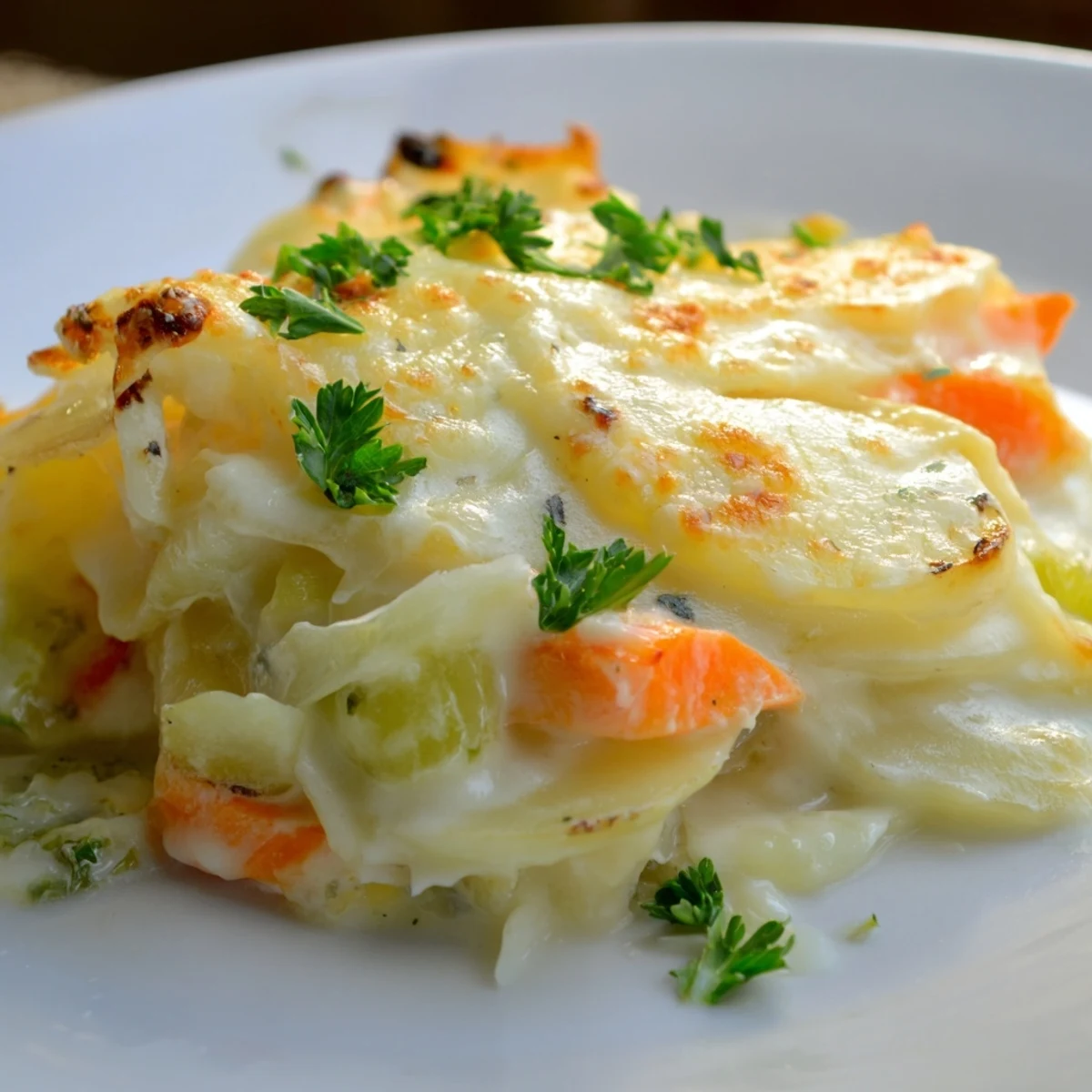
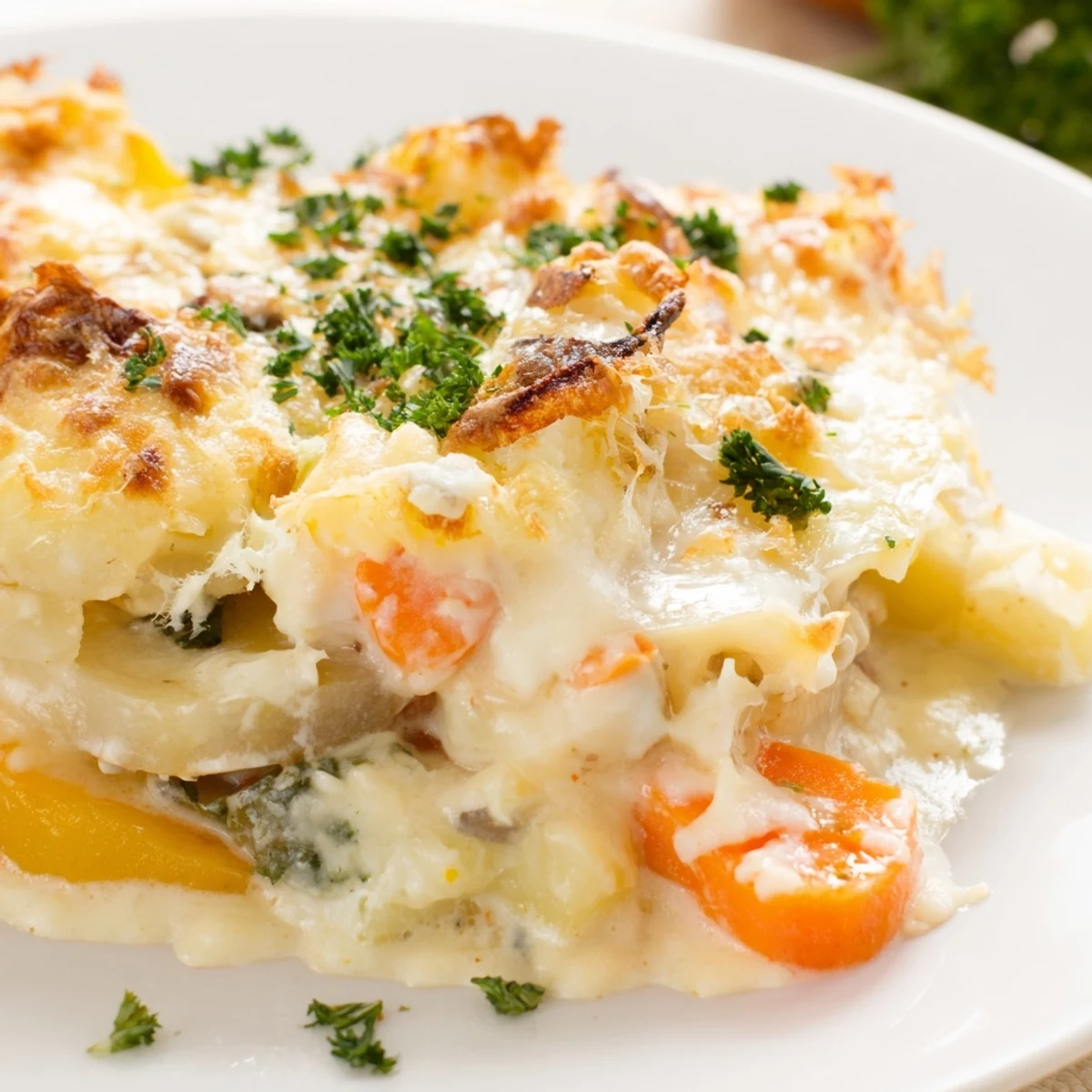
Save This cozy winter gratin layers thinly sliced parsnips, carrots, rutabaga, celeriac, potato, and leek in a creamy sauce made rich with butter, milk, cream, and a touch of Dijon mustard. Topped generously with melted Gruyere and Parmesan cheese, it bakes until golden and bubbling, offering a warm, hearty dish that suits both main and side purposes. Garnished with fresh parsley, it’s a perfect balance of silky sauce, tender vegetables, and savory melted cheese for chilly days.
A neighbor once brought a winter gratin to our door during the coldest snap of January, and I remember standing in my kitchen at dusk, the dish still warm in my hands, realizing that sometimes the most comforting meals are the simplest ones. That creamy, golden top and the layers of tender vegetables beneath it became something I craved every winter after. Now, whenever November rolls around and the root vegetables start appearing at the market, I find myself thinking about that gift and wanting to recreate that exact feeling of warmth and care.
The first time I made this for my partner's family on a snowy Sunday, I was genuinely nervous about whether the vegetables would cook through evenly. Halfway through baking, I peeked under the foil and caught that unmistakable aroma of nutmeg and cheese—and I knew right then that the dish was going to be perfect. When we pulled it out and that golden crust glistened under the kitchen light, everyone went quiet for a moment before digging in, and that silence said everything.
Ingredients
- Parsnips: Their natural sweetness becomes almost creamy when they soften in the oven, and thin slices ensure they don't dominate the dish.
- Carrots: The earthiness here anchors everything—they hold their shape beautifully and add genuine sweetness without any processed taste.
- Rutabaga: Often overlooked, but this is where a subtle peppery undertone comes from that makes people ask what the secret ingredient is.
- Yukon Gold potatoes: Their buttery flavor and slightly waxy texture keep the gratin creamy rather than starchy and heavy.
- Celeriac: This might seem like an odd choice, but it brings a delicate celery note that ties all the vegetables together.
- Leeks: Cleaned thoroughly and sliced thin, they almost dissolve into the sauce and add an onion-like depth without any harsh bite.
- Unsalted butter and flour: The foundation of the sauce—the butter should smell almost toasted when the roux forms, which means you're building real flavor, not just coating.
- Whole milk and heavy cream: The cream lifts the sauce from basic to silky, but the milk keeps it from being too heavy or dairy-cloying.
- Dijon mustard: Just a teaspoon, but it acts as a secret amplifier for all the savory notes without making anyone taste mustard directly.
- Nutmeg: Freshly grated, never ground from a tin—it's the difference between a nice gratin and one that makes people close their eyes while eating.
- Gruyere and Parmesan: Gruyere gets melty and nutty on top, while Parmesan adds a salty crystalline edge that prevents the whole thing from feeling one-dimensional.
Instructions
- Get your oven ready and prep the vessel:
- Set your oven to 375°F and butter a 9x13-inch baking dish generously—this prevents sticking and adds a whisper of extra flavor. Having everything ready before you start means you won't be panicking mid-sauce.
- Slice everything thin and uniform:
- A mandoline slicer makes this faster and more even, but a sharp chef's knife works just as well if you go slowly and pay attention. The goal is thin enough that vegetables cook through in 50 minutes, not thick enough to stay crunchy in the center.
- Make the sauce with intention:
- Melt butter over medium heat, then whisk in flour for about a minute—you want it to smell slightly toasted and smell nutty, not raw. Slowly pour in the milk and cream while whisking constantly to avoid lumps, and you'll feel the sauce thicken under your whisk around the 4-5 minute mark, which is your signal that the starch is doing its job.
- Season with courage:
- Add the mustard, nutmeg, salt, and pepper all at once, then taste a tiny spoonful—this is your moment to adjust, and it's easier now than trying to fix it in the oven. The nutmeg should whisper, not shout.
- Layer like you mean it:
- Arrange half the vegetables in an even layer, pour half the sauce over, and scatter half the Gruyere across the top. Then repeat with the remaining vegetables, sauce, and finish with both the rest of the Gruyere and all the Parmesan for that golden crust.
- Bake with patience:
- Cover with foil for the first 35 minutes so the vegetables steam through, then uncover and bake another 15 minutes until the top turns deep golden and the edges bubble slightly. The foil is crucial—it prevents the cheese from browning before the vegetables are tender.
- Rest and serve:
- Let it sit for 10 minutes after coming out of the oven—this gives the sauce a chance to set and makes serving cleaner and more elegant. A scatter of fresh parsley adds color and brightness, cutting through the richness.
 Save
Save There's something about serving a homemade gratin that makes an ordinary dinner feel like an occasion. The way people's faces light up when they taste that combination of tender vegetables and creamy, cheesy sauce reminds me why I cook in the first place.
The Story Behind Root Vegetables
Root vegetables were once considered peasant food, but there's profound wisdom in how they cook and store—they're humble, reliable, and deeply flavorful when treated with respect. Winter vegetables like parsnips and rutabaga develop their sweetness through the soil and the cold, which is why a gratin made in January tastes completely different from one attempted in July. Learning to love what grows in winter rather than pining for summer produce is when you start cooking like you actually live where you live.
Why This Matters as a Side Dish
A really good gratin shouldn't feel like it's sitting on the plate apologizing for existing—it should be so satisfying that it could absolutely be dinner on its own. The vegetables soak up the sauce in a way that makes each bite feel almost creamy, even though there's nothing heavy about it, just vegetables, dairy, and time. This is the kind of side dish that people remember and ask you to make again, which is really the only measure of success that counts.
Building Flavor Layers
The real magic happens when you treat the sauce and vegetables not as two separate components but as a conversation between them. The mustard and nutmeg in the sauce aren't there to announce themselves—they're there to make the vegetables taste more like themselves, which is what good seasoning actually does. Each vegetable brings something different to the table, and the sauce acts as the thing that ties them into a unified, cohesive whole.
- The order of layering matters more than you'd think—alternating vegetables with sauce and cheese ensures nothing gets left behind on the bottom.
- Save some cheese for the final top layer so you get that crispy, golden finish that makes the dish look restaurant-quality.
- If you're reheating leftovers, cover them loosely with foil in a 350°F oven for about 15 minutes so the top doesn't burn while the inside heats through.
 Save
Save Winter gratin is the kind of food that gets better every time you make it, because you'll taste something new and start adjusting without thinking about it. This isn't a dish that needs protecting with instructions—it just needs your attention and a warm kitchen, and it will become something you return to every year when the weather turns cold.
Recipe FAQs
- → What vegetables are used in this gratin?
-
A mix of parsnips, carrots, rutabaga, Yukon Gold potato, celeriac, and leek creates a rich medley of flavors and textures.
- → Can other cheeses replace Gruyere?
-
Yes, Emmental or sharp white cheddar can be used to provide a similar melty and savory topping.
- → How is the creamy sauce made?
-
Butter and flour are whisked into a roux, then milk and cream are gradually added and thickened with Dijon mustard, nutmeg, salt, and pepper.
- → What is the best way to slice the vegetables?
-
Thin, even slices help the vegetables cook uniformly; a mandoline slicer or a sharp knife works best.
- → Is this dish suitable for vegetarians?
-
Yes, it contains no meat and relies on vegetable ingredients and cheese for flavor and richness.
- → How can the dish be served?
-
This gratin pairs well as a comforting side alongside roast meats or can stand alone with a crisp green salad for a light meal.