
 Save
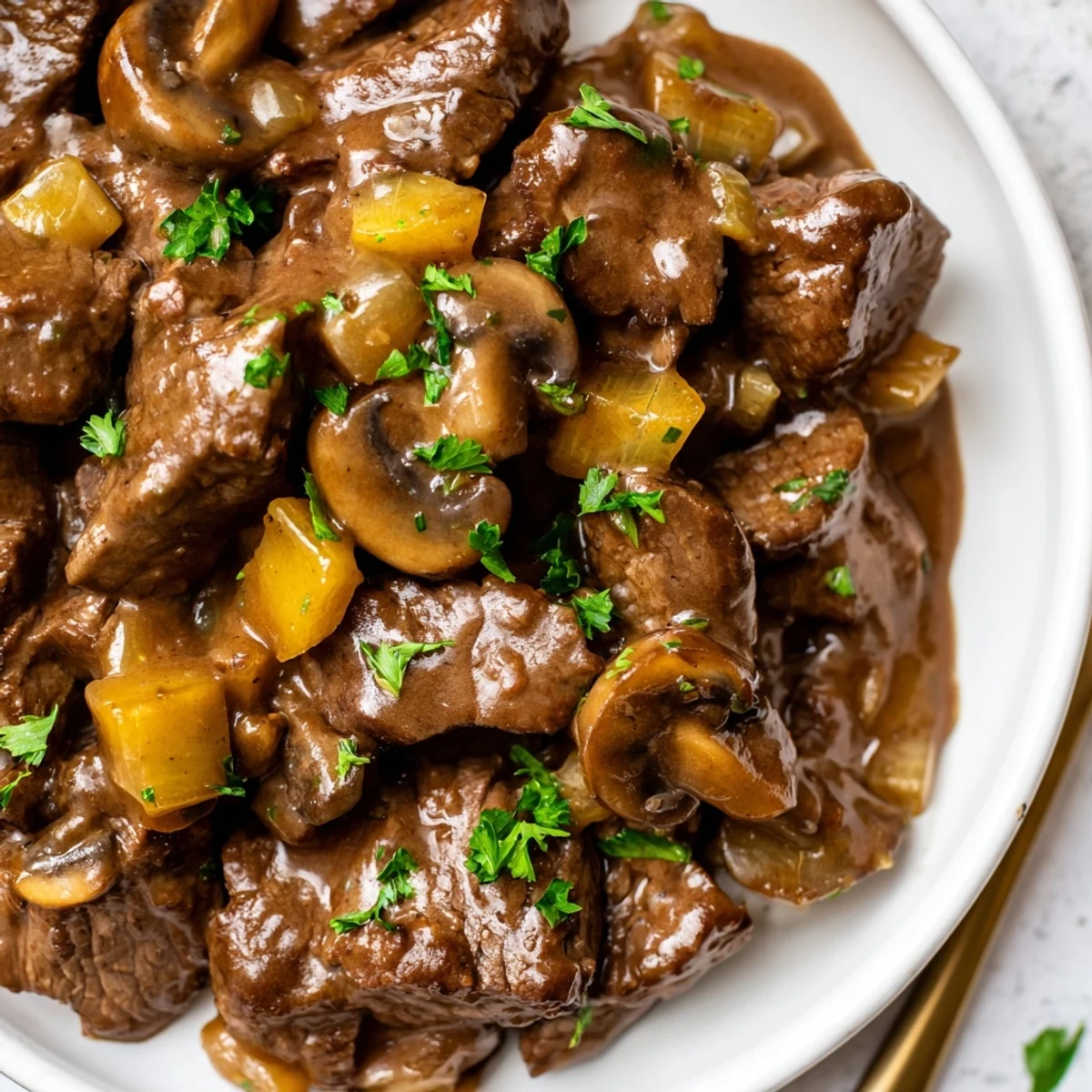
Save This comforting American classic combines bite-sized beef sirloin pieces seared to perfection, then simmered in a rich, savory gravy built from beef broth, aromatics, and a flour-based roux.
The entire dish comes together in about 40 minutes, making it an ideal choice for busy weeknights when you crave something hearty and satisfying.
Serve it over mashed potatoes, rice, or egg noodles for a complete meal the whole family will enjoy.
The smell of beef browning in butter is something no kitchen exhaust fan can fully contain, and honestly, I have never wanted it to be. My neighbor once knocked on my door during a snowstorm not to borrow anything but to ask what was cooking because the aroma had drifted through the shared hallway of our apartment building. That night I made steak tips and gravy, and we ended up eating together at my tiny kitchen table with a loaf of crusty bread between us. It remains the most rewarding accidental dinner party I have ever thrown.
I started making this on Tuesday nights when the weekend cooking energy had completely faded and delivery apps felt like a capitulation. Something about the sizzle of meat hitting a hot skillet woke me up faster than coffee ever could. My roommate at the time would appear in the kitchen doorway within minutes, drawn by sound before smell, asking if that was the steak thing again. It always was.
Ingredients
- 1 1/2 lbs beef sirloin or stew beef, cut into bite-sized pieces: Sirloin gives you tenderness without the price tag of tenderloin, and cutting it yourself lets you control the size better than pre-cut stew meat from the store.
- 1 medium yellow onion, diced: The onion melts into the gravy and provides a sweetness that balances the deep savory notes of the beef broth.
- 2 cloves garlic, minced: Fresh garlic matters here because the sauce is simple and every ingredient speaks loudly.
- 1 cup sliced cremini or button mushrooms (optional): Cremini add an earthy depth that makes the gravy taste like it simmered all afternoon, but skip them if someone at the table objects.
- 2 tbsp olive oil: The neutral oil keeps the butter from burning during the high-heat sear.
- 2 tbsp unsalted butter: Butter and beef are old friends, and the fat here carries flavor into every corner of the pan sauce.
- 3 tbsp all-purpose flour: This is your thickening agent, and toasting it briefly in the pan before adding liquid removes the raw cereal taste.
- 2 cups beef broth (low sodium preferred): Low sodium gives you control over the final salt level, which regular broth can easily overwhelm.
- 1 tbsp Worcestershire sauce: Just a tablespoon adds umami complexity that makes people ask what your secret is.
- 1/2 tsp dried thyme: Thyme and beef have a quiet understanding that dates back centuries, and even a small amount ties the whole dish together.
- Salt and freshly ground black pepper, to taste: Season in layers, once on the meat before searing and again at the end, and you will never oversalt.
- 1 tbsp chopped fresh parsley, for garnish (optional): A sprinkle of green at the end is less about flavor and more about letting the dish know you care how it looks.
Instructions
- Get the pan ripping hot:
- Heat 1 tablespoon of olive oil and 1 tablespoon of butter in a large skillet over medium-high heat until the butter just stops foaming. You want that shimmer across the surface because it means the meat will sear instead of steam.
- Sear the beef in batches:
- Add the beef pieces in a single layer with space between them, season with salt and pepper, and let them sit undisturbed for 2 to 3 minutes per side until a deep brown crust forms. Resist the urge to move them around because the fond that builds on the pan is pure flavor.
- Build the vegetable base:
- Lower the heat to medium, add the remaining oil and butter, then toss in the onions and mushrooms, stirring for 2 to 3 minutes until everything softens and smells sweet. Stir in the garlic and cook for just 1 minute until fragrant, being careful not to let it darken.
- Make the roux right in the pan:
- Sprinkle the flour over the vegetables and stir constantly for about 1 minute until everything looks evenly coated and slightly golden. This quick toast is the difference between gravy that tastes like flour and gravy that tastes like comfort.
- Build the gravy:
- Slowly pour in the beef broth while stirring and scraping up every browned bit stuck to the bottom of the pan because that is where the magic lives. Stir in the Worcestershire sauce and thyme, then bring everything to a gentle simmer.
- Let it all come together:
- Return the seared beef and any juices that pooled on the plate back into the skillet and cook uncovered for 8 to 10 minutes, stirring occasionally. The gravy will thicken and the beef will finish cooking to tender perfection right in the sauce.
- Finish and serve:
- Taste the gravy and adjust the salt and pepper, then sprinkle with fresh parsley and spoon it over mashed potatoes, rice, or egg noodles. Serve it immediately because this dish waits for no one and peaks the moment it hits the plate.
 Save
Save One January evening my father stopped by unannounced just as I was finishing this dish, and he stood in the kitchen watching me scrape fond off the skillet with a wooden spoon. He told me his mother used to do the exact same thing with leftover roast beef on Mondays, calling it her depression-era instinct to never waste a flavorful crust. We stood there eating straight from the pan with forks, no plates, no sides, just two people and a skillet of gravy.
Choosing the Right Cut of Beef
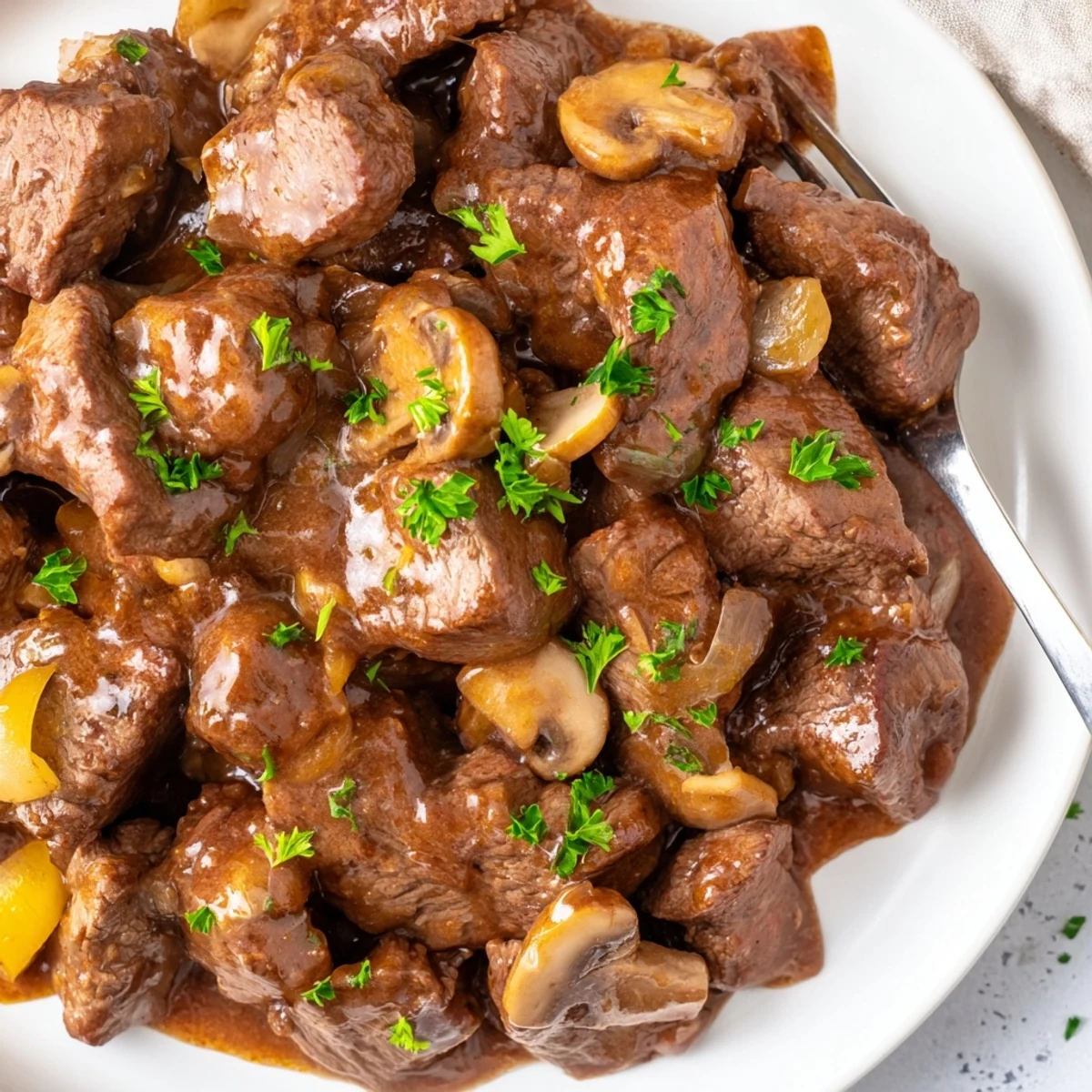
Sirloin is my go-to because it balances cost, tenderness, and beefy flavor, but stew meat works beautifully if you are willing to let it simmer a few extra minutes. The real trick is cutting the pieces uniformly so everything cooks at the same rate, and patting the meat dry with paper towels before it hits the pan ensures a proper crust rather than a gray boil.
Making It Your Own
A splash of red wine added with the broth deepens the sauce into something that tastes like a Sunday dinner at someone's grandmother's house. I have swapped mushrooms for diced bell peppers when cooking for a friend who treats fungi with deep suspicion, and the result was brighter and sweeter in a way that paired perfectly over buttered egg noodles.
Serving and Storing
Mashed potatoes are the classic landing pad, but rice soaks up the gravy like a sponge and egg noodles bring a slight chew that makes every bite more satisfying. Leftovers keep well in the refrigerator for up to two days, though in my experience they rarely last that long.
- Reheat gently on the stove with a splash of broth to loosen the gravy back to its original consistency.
- If freezing, leave off the parsley garnish and add it fresh when you reheat.
- Always taste for salt after reheating because flavors can mellow overnight in the fridge.
 Save
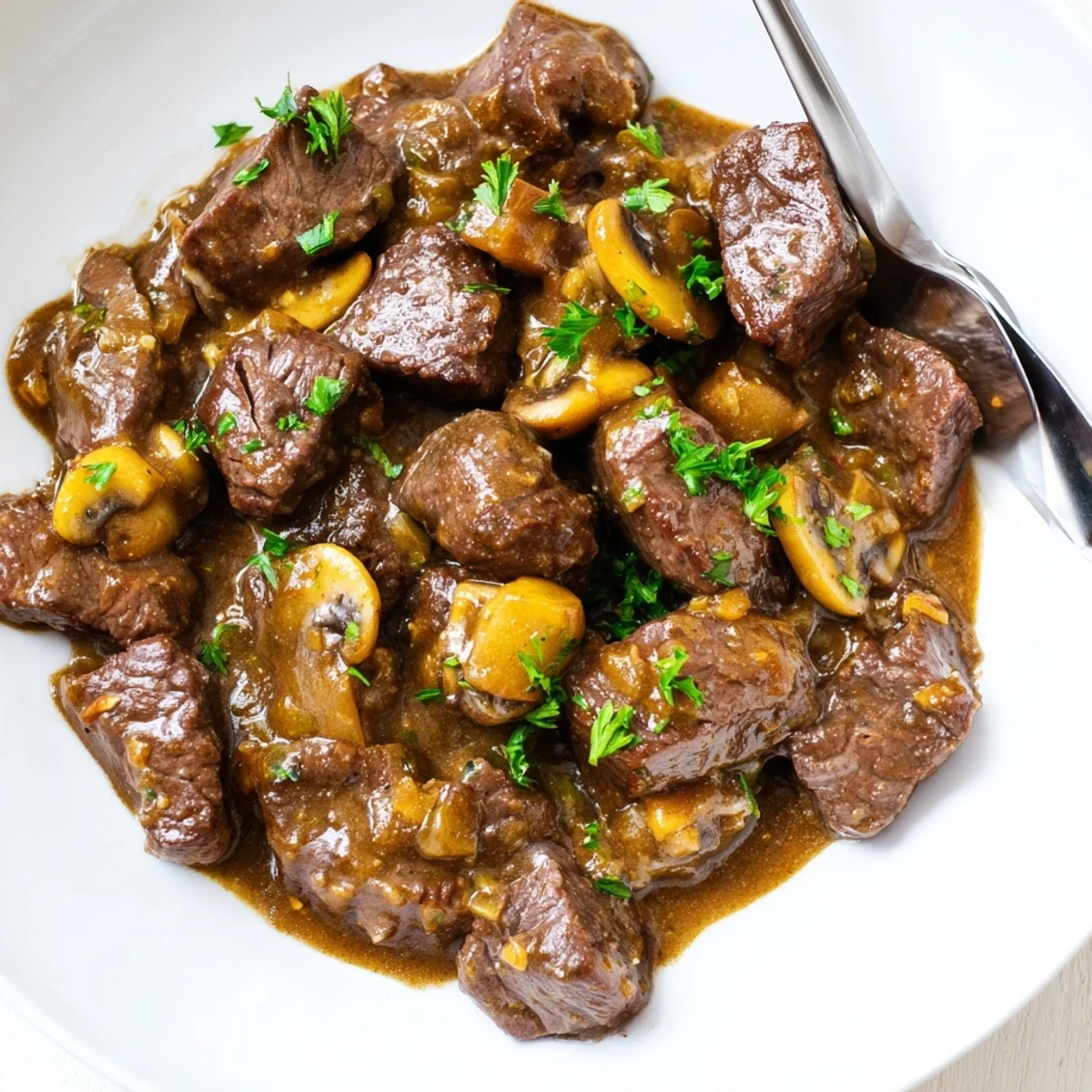
Save Some meals feed the body and some feed the calendar on the wall, but a skillet of steak tips and gravy manages to do both on a random Tuesday when you least expect it. Keep this one close because the night you need it is always the night you did not plan for.
Recipe FAQs
- → What cut of beef works best for steak tips?
-
Beef sirloin or stew beef works excellently for this dish. Sirloin offers great tenderness and flavor, while stew beef becomes wonderfully tender during the simmering process. You can also use flap meat or sirloin flap for a more traditional steak tip experience.
- → Can I make this without the mushrooms?
-
Absolutely. Mushrooms are listed as optional in this preparation. You can omit them entirely or substitute with diced bell peppers for a different flavor profile and added texture.
- → What should I serve with steak tips and gravy?
-
Mashed potatoes, steamed white rice, or egg noodles are all classic pairings that soak up the delicious gravy beautifully. A side of roasted vegetables or a simple green salad also complements the richness of the dish nicely.
- → How do I thicken the gravy if it's too thin?
-
Continue simmering the gravy uncovered for a few additional minutes, allowing it to reduce and thicken naturally. Alternatively, you can mix a tablespoon of cornstarch with cold water and stir it into the simmering gravy until it reaches your desired consistency.
- → How should I store and reheat leftovers?
-
Store leftovers in an airtight container in the refrigerator for up to 2 days. To reheat, warm gently in a skillet over medium-low heat, adding a splash of beef broth if the gravy has thickened too much. You can also microwave in 30-second intervals, stirring between each.
- → Can I make this dish gluten-free?
-
Yes, you can easily adapt this for a gluten-free diet. Substitute the all-purpose flour with a gluten-free flour blend or cornstarch for the roux, and ensure your Worcestershire sauce is labeled gluten-free. Always verify your beef broth is certified gluten-free as well.