
 Save
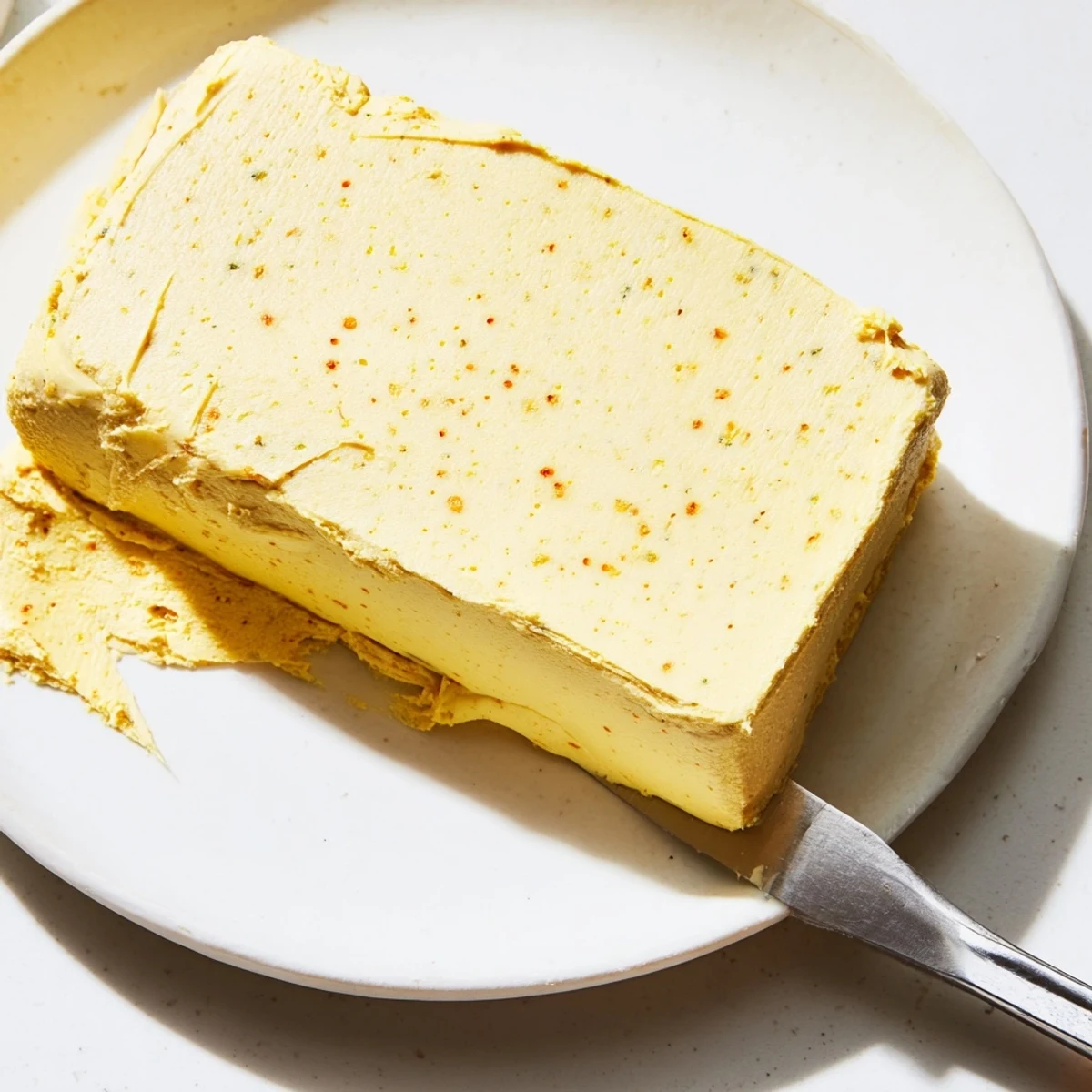
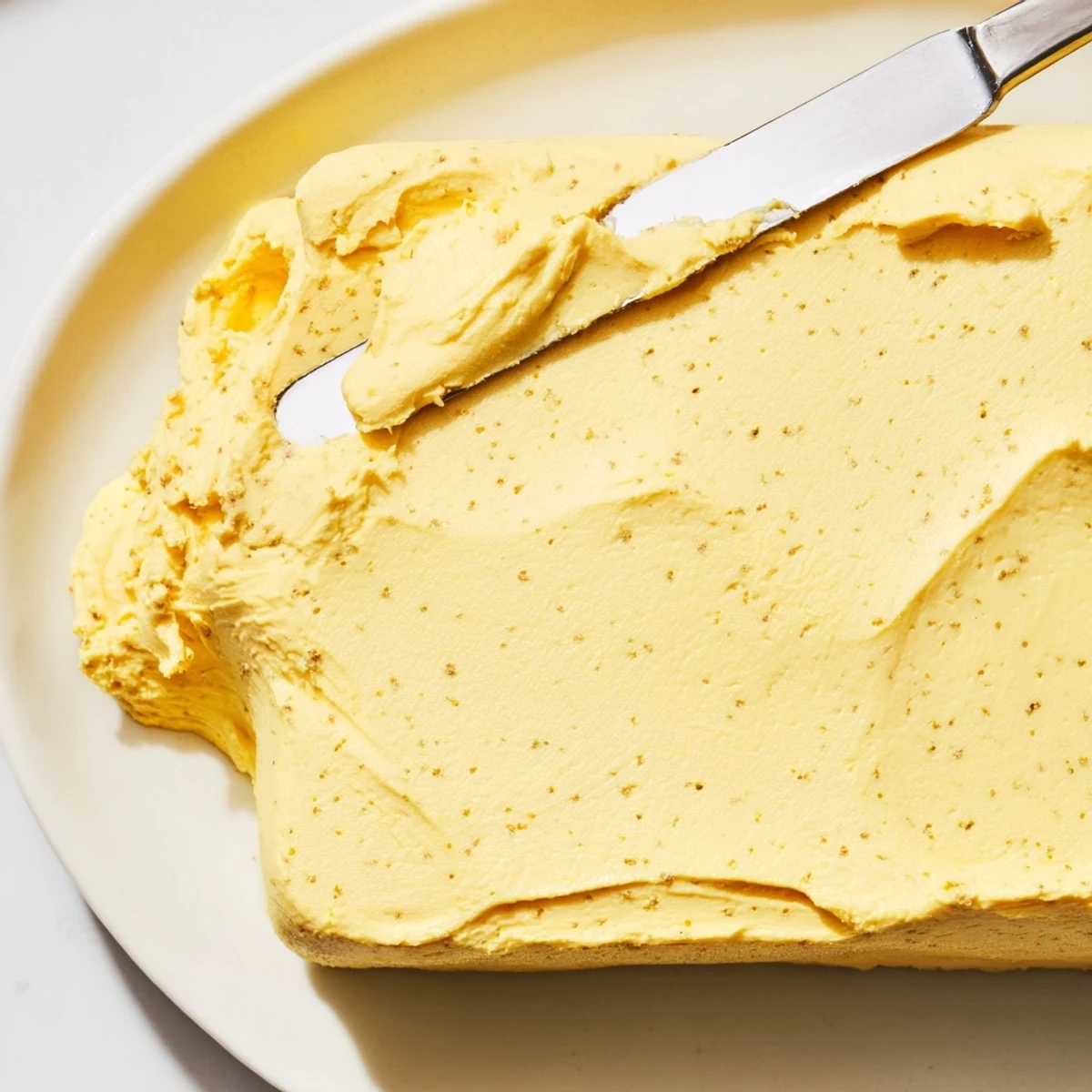
Save Whip up your own velvety smooth spreadable butter using melted coconut oil blended with neutral oils and plant milk. The secret lies in emulsifying lecithin which creates that perfect creamy texture you love. Simply blend all ingredients until fully incorporated, chill until firm, and spread onto warm toast or use in your favorite baked treats.
The first time I made homemade vegan butter, I stood in my kitchen staring at two perfectly spreadable jars wondering why I'd spent years buying expensive store versions. My roommate walked in, taste-tested both, and immediately declared one tasted suspiciously like the fancy European butter her grandmother swore by. That week, we put it on everything from morning toast to late-night popcorn.
I started experimenting with vegan butter when my daughter developed a dairy allergy, and store-bought options either tasted like coconut or had an unsettling waxy mouthfeel. After testing countless ratios, I discovered that combining coconut oil with neutral oil creates that perfect creamy consistency. Now I keep a batch in the fridge constantly, and it's become the one homemade staple I refuse to be without.
Ingredients
- Refined coconut oil: This provides the structure but refined means no coconut flavor taking over
- Neutral oil: Sunflower or grapeseed keeps the butter soft and spreadable right from the fridge
- Unsweetened soy milk: The proteins help create that authentic dairy-like creaminess
- Apple cider vinegar: Just a hint replicates the slight tang of real butter
- Sea salt: Essential for that buttery flavor we all crave
- Nutritional yeast: Optional but creates those subtle buttery notes that make it taste authentic
- Ground turmeric: A tiny pinch gives that golden yellow color we expect from butter
- Sunflower lecithin: This is the secret that keeps everything emulsified and prevents separation
Instructions
- Melt and prep your oils:
- Gently warm the coconut oil until just melted, then let it cool for a couple minutes so it's not hot to the touch
- Blend everything together:
- Pour all ingredients into your blender and process on high for one to two minutes until the mixture looks silky smooth
- Pour and chill:
- Transfer to your chosen container and refrigerate for at least two hours until it firms up completely
 Save
Save Last Thanksgiving, I served this butter to my extended family without mentioning it was vegan. My uncle, a self-proclaimed butter connoisseur, kept asking where I'd found such high-quality European butter. When I finally told him it was homemade and plant-based, he actually asked for the recipe instead of reaching for the dairy version.
Getting The Texture Right
The ratio of coconut oil to neutral oil is what determines whether your butter spreads straight from the fridge or needs a few minutes to soften. In warmer months, you might need slightly more coconut oil, while winter calls for more neutral oil. Keep a mental note of how your first batch behaves and adjust accordingly.
Flavor Variations
Once you've mastered the base recipe, the possibilities are endless. I love adding garlic powder and fresh herbs for dinner rolls, or maple syrup and cinnamon for a breakfast version. My daughter's favorite is when I mix in a little strawberry jam directly into the butter for instant toast upgrade.
Storage And Shelf Life
This butter keeps beautifully in the refrigerator for two weeks, though I've personally pushed it to three with no issues. You can also freeze portions for up to three months if you like to batch cook. Just thaw overnight in the fridge before using.
- Label your container with the date so you can track freshness
- Bring to room temperature for 15 minutes if you need extra spreadability
- Never leave this butter out overnight since it lacks dairy's natural preservatives
 Save
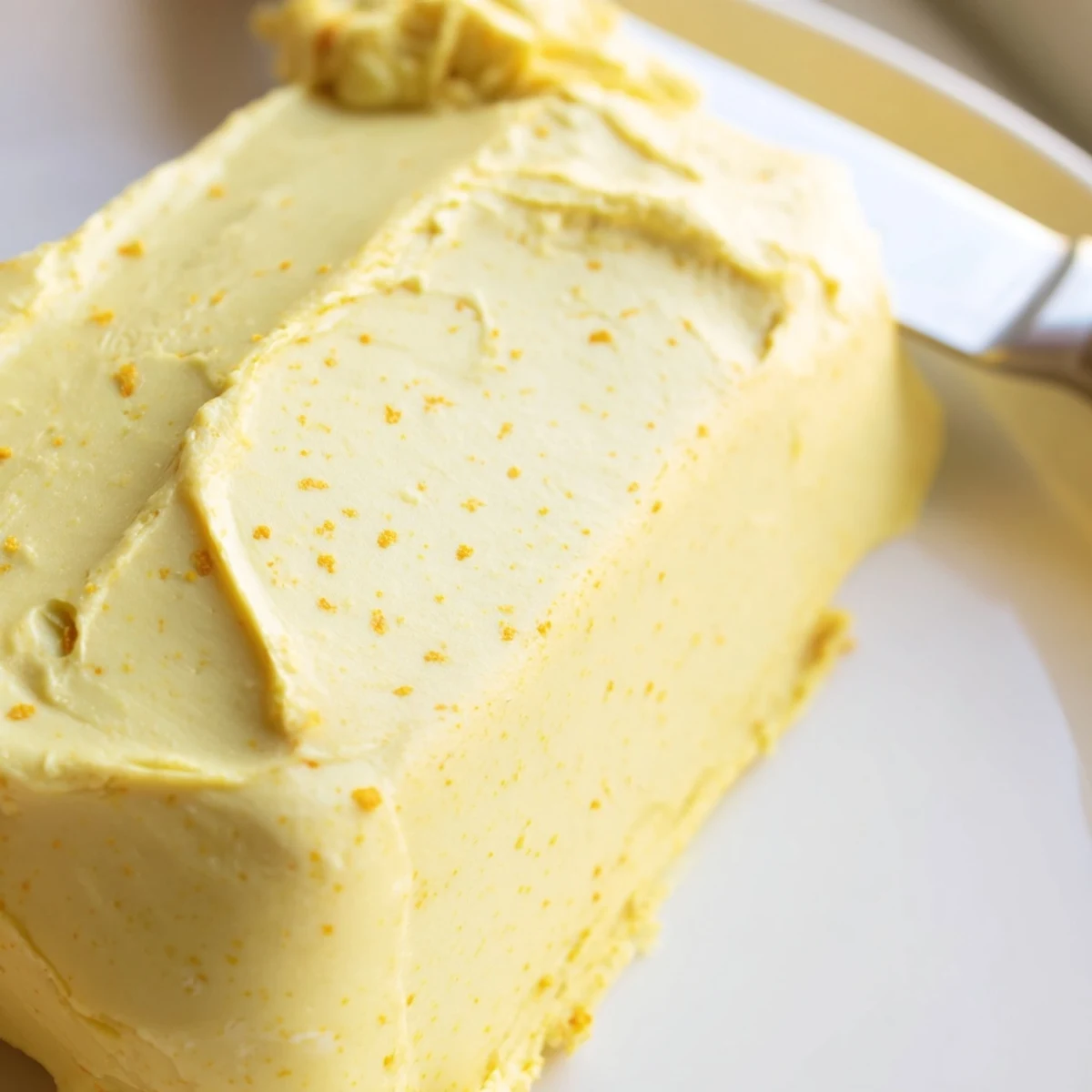
Save There's something deeply satisfying about making something as fundamental as butter with your own hands. Once you start, you might find yourself wondering why anyone ever pays for store-bought versions again.
Recipe FAQs
- → What oils work best for this spread?
-
Refined coconut oil provides structure while neutral oils like sunflower or grapeseed ensure a smooth consistency without overpowering flavors.
- → How long does it stay fresh?
-
Keep refrigerated in an airtight container for up to two weeks. The emulsified mixture maintains its texture beautifully when properly stored.
- → Can I make it soy-free?
-
Absolutely. Simply swap soy milk for oat or almond milk, and use sunflower lecithin instead of soy lecithin for a completely soy-free version.
- → Why use refined versus unrefined coconut oil?
-
Refined coconut oil has no coconut flavor, making it ideal for a neutral taste. Unrefined adds a subtle coconut sweetness if you prefer that variation.
- → What gives it the golden yellow color?
-
A pinch of ground turmeric creates that familiar buttery yellow hue. It's completely optional but adds visual appeal reminiscent of traditional dairy butter.
- → Can I add savory flavors?
-
Try incorporating garlic powder, smoked paprika, or fresh herbs for savory variations perfect for vegetables, breads, or cooking.