
 Save
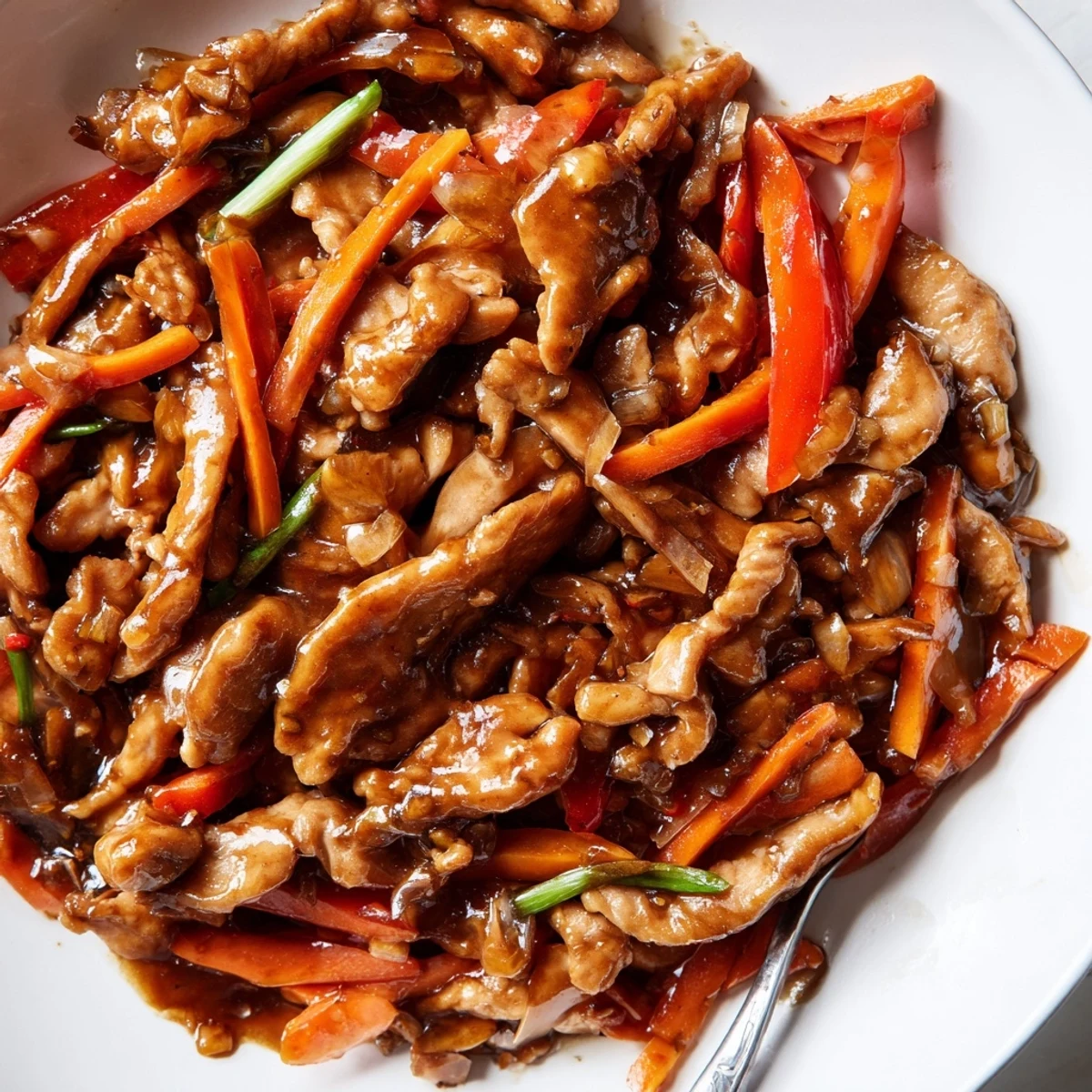
Save This Chinese garlic chicken brings tender, marinated strips of chicken together with a generous amount of aromatic garlic and fresh ginger in a sizzling hot wok.
Crisp bell peppers, julienned carrots, and spring onions add vibrant color and crunch, while a savory blend of soy sauce, oyster sauce, and hoisin creates a glossy, deeply flavored coating that clings to every bite.
From prep to plate in just 30 minutes, it's an ideal weeknight dinner served over steamed jasmine rice. The marinade of soy sauce, Shaoxing wine, and sesame oil ensures the chicken stays incredibly tender and absorbs maximum flavor.
The sizzle of chicken hitting a smoking hot wok is one of those sounds that instantly pulls me into the kitchen, curious and hungry. My neighbor Mrs. Chen once taught me that the secret to great stir fry isnt complexity but confidence and heat. This garlic chicken became my weeknight anchor during a particularly chaotic summer when I needed dinner on the table fast without sacrificing flavor. Thirty minutes start to finish, and every bite tastes like you spent far longer.
I once made this for a friend who claimed she didnt like garlic, and she went back for thirds without a word of complaint. The garlic here doesnt overpower but rather builds a warm, savory base that makes everything else taste more like itself.
Ingredients
- Chicken (500 g boneless, skinless breast or thigh): Thigh stays juicier if you have the choice, but breast works beautifully when sliced thin against the grain.
- Soy sauce (2 tablespoons for marinade): This is where the seasoning starts, so dont skip it thinking the sauce will cover everything later.
- Shaoxing wine (1 tablespoon): Adds a mild, nutty depth that regular cooking wine cant match, though dry sherry steps in nicely if needed.
- Cornstarch (1 teaspoon for marinade): Creates a velvety coating on the chicken that locks in moisture during the fierce heat of the wok.
- Sesame oil (1 teaspoon for marinade): Just a whisper of toasted sesame transforms the whole marinade from salty to aromatic.
- Red bell pepper (1, sliced): Brings sweetness and bright color that balances the deeply savory sauce.
- Carrot (1 small, julienned): Thin matchsticks cook quickly and add a satisfying crunch that holds up against the tender chicken.
- Spring onions (2, cut into 2 inch pieces): Tossed in near the end, they stay fresh and slightly sharp, cutting through the richness.
- Garlic (6 large cloves, finely chopped): Six may sound bold, but this is a garlic chicken after all, and mellowed by the wok heat they become sweet and golden.
- Fresh ginger (1 tablespoon, minced): Ginger and garlic together form the backbone of nearly every great Chinese stir fry, and this one is no exception.
- Light soy sauce (2 tablespoons for sauce): Lighter and saltier than dark soy, it seasons the sauce without making it thick or overwhelmingly dark.
- Oyster sauce (1 tablespoon): The umami bomb that rounds everything out with a subtle sweetness and body.
- Hoisin sauce (1 tablespoon): Adds a gentle tang and extra clinging power so the sauce really grabs onto each piece of chicken.
- Sugar (1 teaspoon): Just enough to balance the saltiness and bring the sauce into harmony.
- Chicken broth or water (60 ml): Provides the liquid volume needed for the sauce to bubble and thicken rather than scorch.
- Cornstarch (1 teaspoon for slurry): Dissolved into the broth, it transforms thin liquid into that glossy, restaurant quality coating.
- Vegetable or peanut oil (2 tablespoons): Peanut oil handles high heat beautifully and adds a faint nuttiness, but neutral vegetable oil works just fine.
Instructions
- Marinate the Chicken:
- Toss the chicken strips with soy sauce, Shaoxing wine, cornstarch, and sesame oil in a bowl, massaging the mixture in with your hands until every piece is evenly coated. Let it sit for ten minutes while you prep everything else.
- Mix the Sauce:
- Stir together the light soy sauce, oyster sauce, hoisin, sugar, and chicken broth in a small bowl, making sure the cornstarch dissolves completely so you dont get lumps later.
- Sear the Chicken:
- Heat one tablespoon of oil in your wok over high heat until it just begins to shimmer, then add the chicken in a single layer and let it sear for a minute before stirring. Cook two to three minutes total until golden and just cooked through, then transfer to a plate.
- Bloom the Aromatics:
- With the remaining oil in the same wok, tumble in the garlic and ginger, stirring fiercely for about thirty seconds until your kitchen smells incredible and the garlic turns faintly golden at the edges.
- Stir Fry the Vegetables:
- Add the bell pepper, carrot, and spring onion pieces, tossing them over high heat for two to three minutes so they soften slightly but still snap when you bite them.
- Bring It All Together:
- Slide the chicken back into the wok, pour the sauce over everything, and stir fry for two to three minutes until the sauce bubbles, thickens, and clings to every surface in a glossy sheen.
 Save
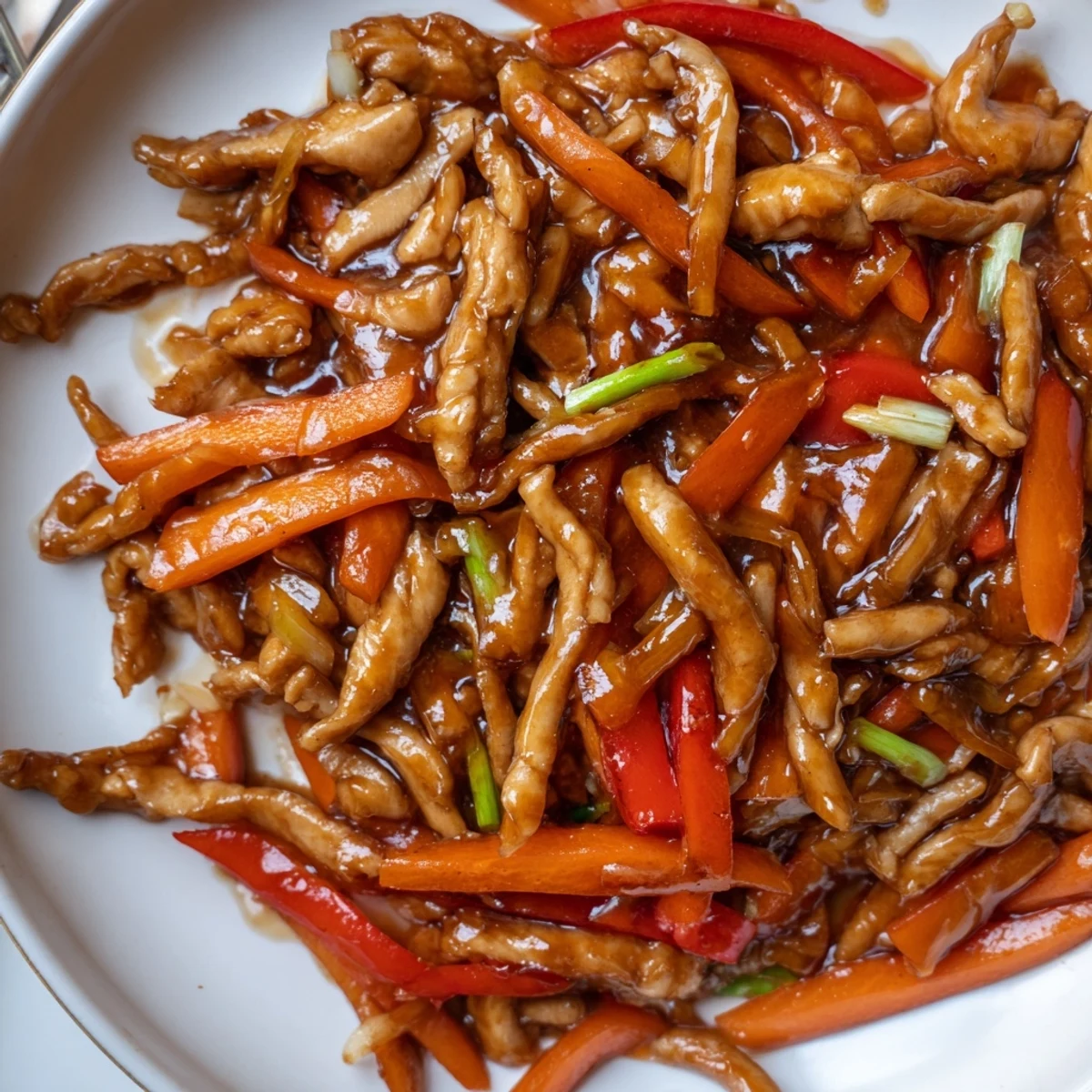
Save There was a Tuesday night, rain on the windows and nothing on the calendar, when this dish turned an ordinary evening into something worth remembering. Sometimes the simplest meals carry the most weight.
Choosing Your Wok
A well seasoned carbon steel wok is ideal because it radiates heat quickly and develops a natural nonstick patina over months of use. If you only have a large stainless steel or cast iron skillet, that works too, just make sure it gets screaming hot before the oil goes in.
Making It Your Own
Snap peas, broccoli florets, or sliced mushrooms all swap in beautifully depending on what is wilting in your crisper drawer. For extra warmth, toss a sliced red chili in with the garlic and ginger, and the whole dish shifts from comforting to electrifying.
What to Serve Alongside
Steamed jasmine rice is the obvious and correct choice, though noodles tossed with a little sesame oil make a wonderful bed for the saucy chicken. A cold glass of dry Riesling or a pot of jasmine tea alongside turns a quick dinner into a proper meal worth lingering over.
- Press the chicken strips flat with the palm of your hand before marinating so they cook more evenly in the wok.
- If you are gluten sensitive, tamari replaces soy sauce one to one and coconut aminos work in a pinch for the oyster sauce.
- Leftovers reheat beautifully in a dry skillet over medium heat, though they rarely last long enough to become leftovers.
 Save
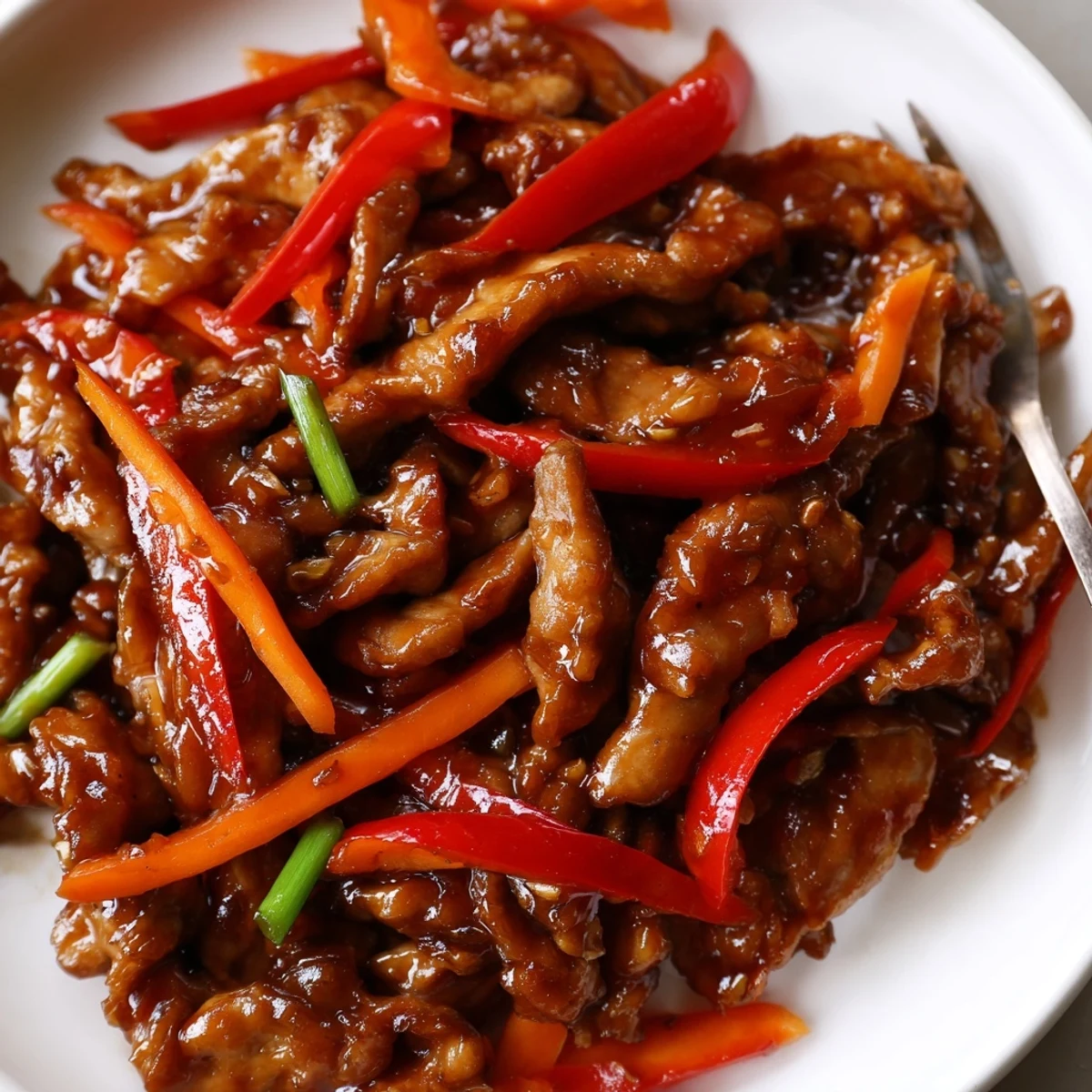
Save Keep this recipe close for the nights when cooking feels like a chore and you will find yourself reaching for it more often than you expect. Great garlic chicken has a way of solving problems you did not know a wok could fix.
Recipe FAQs
- → What cut of chicken works best for stir-frying?
-
Both boneless skinless chicken breast and thigh work well. Thigh meat stays slightly more tender and juicy during high-heat cooking, while breast meat is leaner. Slice whichever you choose into thin, even strips for quick and uniform cooking.
- → Can I substitute Shaoxing wine with something else?
-
Yes, dry sherry is the closest substitute for Shaoxing wine. In a pinch, you can use mirin or even a splash of rice vinegar diluted with a little water, though the flavor profile will shift slightly.
- → How do I get the best stir-fry results at home?
-
Preheat your wok or skillet until it's smoking hot before adding oil. Cook in batches if needed — overcrowding the pan causes steaming instead of searing. Have all ingredients prepped and sauces mixed before you start, since stir-frying moves fast.
- → What vegetables can I swap in?
-
Snap peas, broccoli florets, baby corn, mushrooms, or zucchini all work beautifully. Aim for a mix of textures and colors. Cut harder vegetables smaller so everything finishes cooking around the same time.
- → Is this dish gluten-free?
-
As written, it is not gluten-free due to the soy sauce, oyster sauce, and hoisin sauce which typically contain wheat. You can use tamari or coconut aminos in place of soy sauce and seek out gluten-free versions of oyster and hoisin sauces.
- → How should I store and reheat leftovers?
-
Store cooled leftovers in an airtight container in the refrigerator for up to 3 days. Reheat in a hot wok or skillet for a few minutes to restore the sauce's consistency and keep the vegetables from turning soggy. A brief blast in the microwave works too.