
 Save
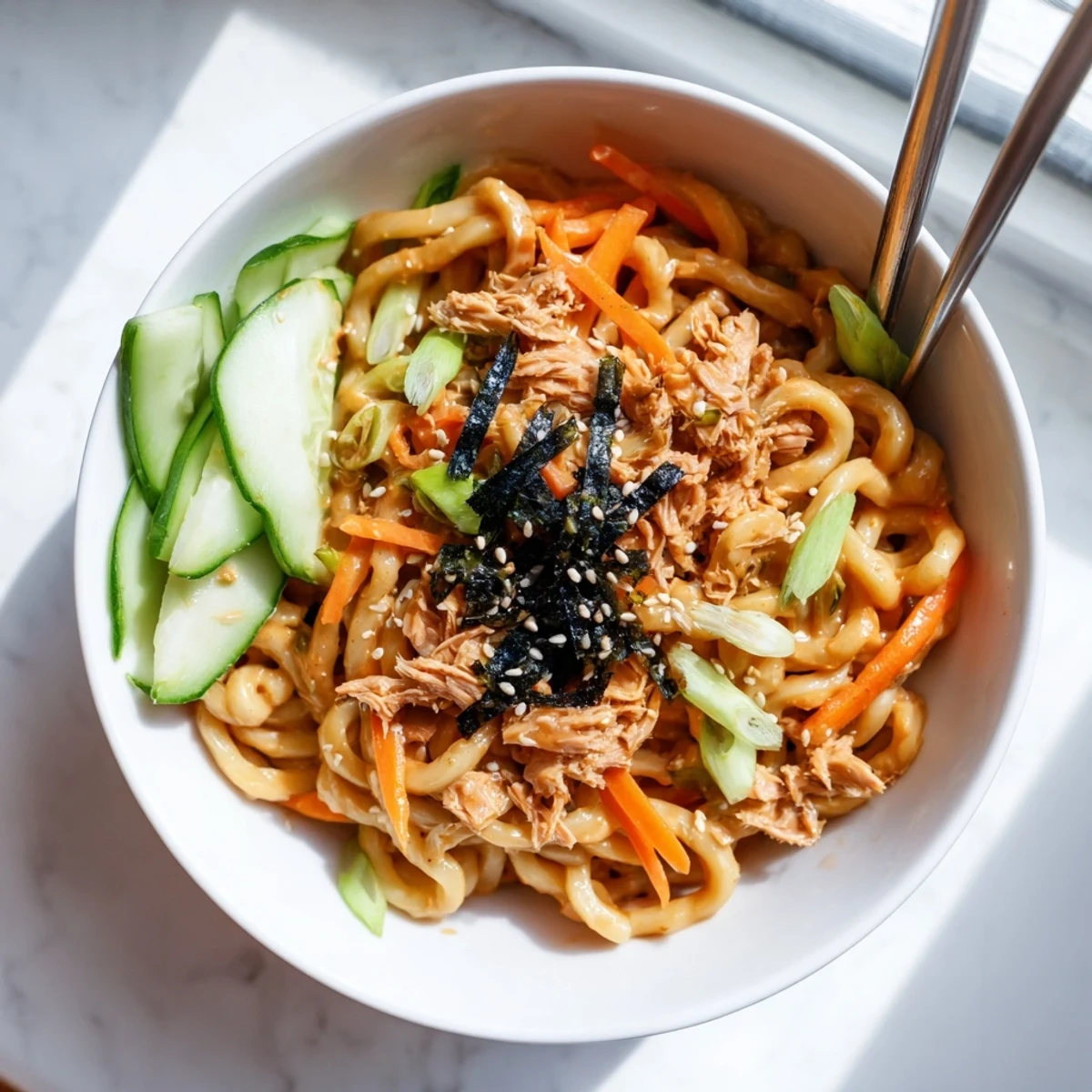
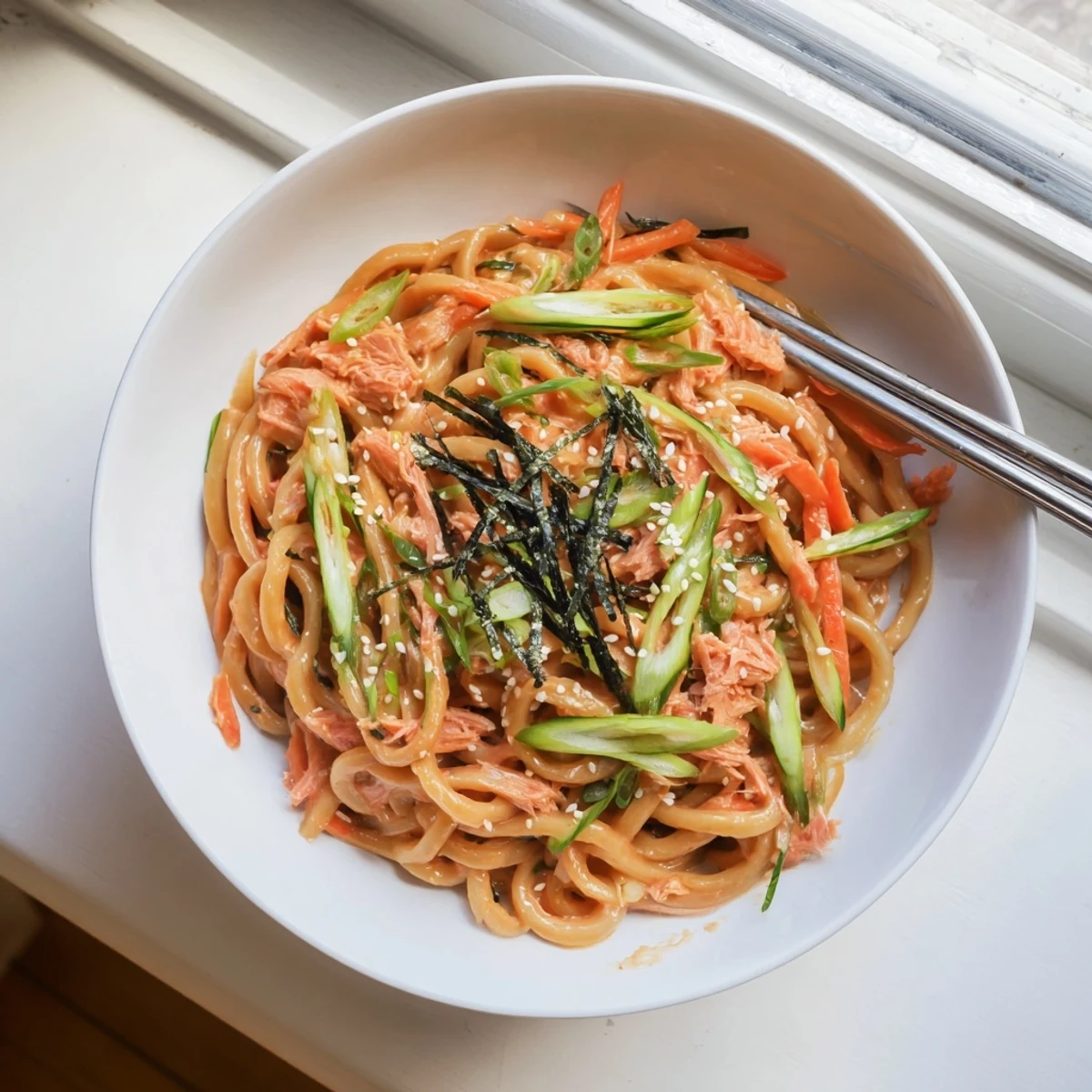
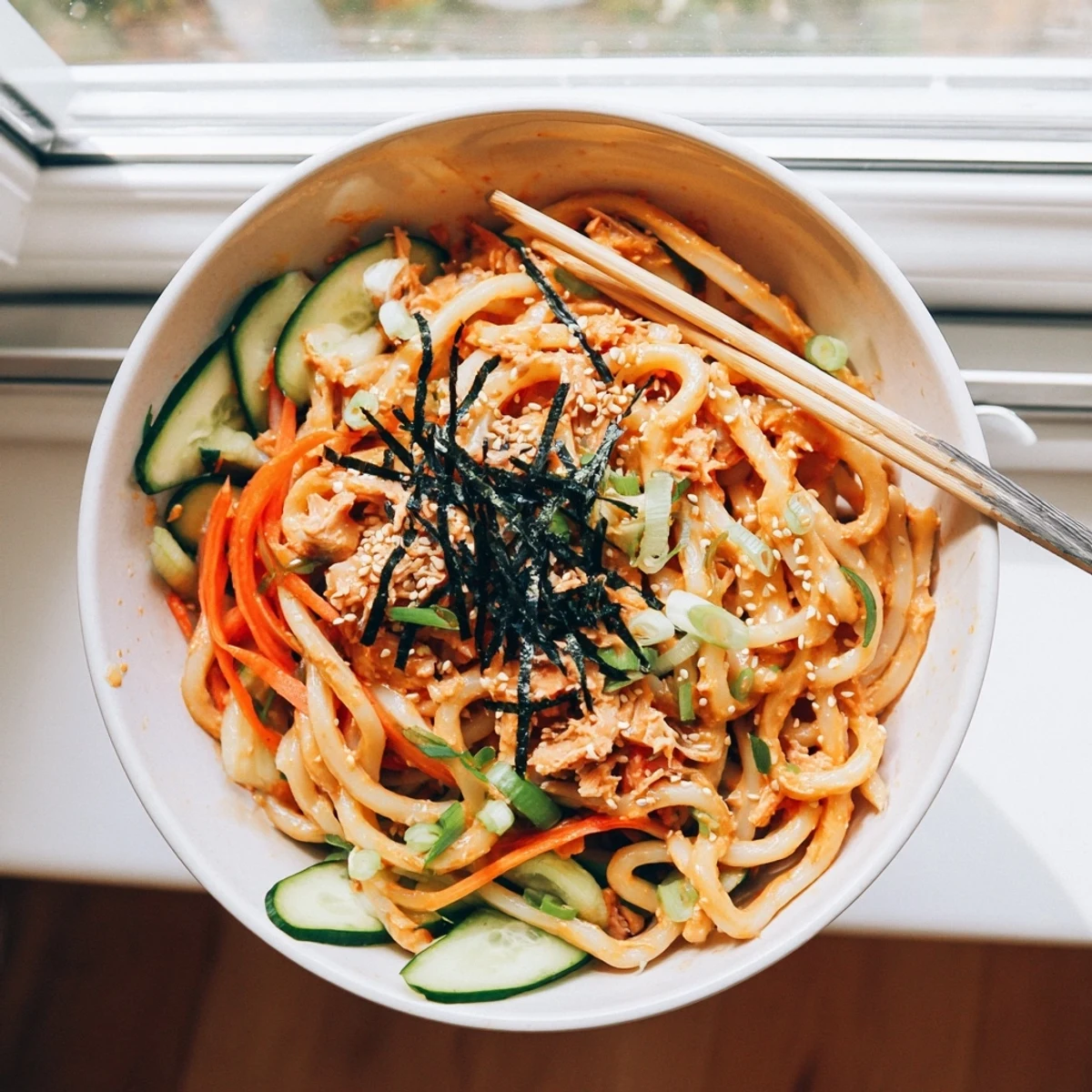
Save This vibrant Japanese-inspired dish combines thick, chewy udon noodles with a spicy tuna mixture coated in a creamy Sriracha-mayo sauce. Fresh julienned carrots, crisp cucumber, and zesty spring onions add texture and brightness, while toasted sesame seeds and nori bring authentic umami depth.
The preparation comes together in just 25 minutes—boil the noodles, mix the spicy sauce, toss everything together, and serve. Enjoy it chilled for summer or at room temperature for a satisfying meal any time of year.
The exhaust fan in my tiny apartment kitchen was broken the summer I discovered spicy tuna udon, which meant every meal came with a lingering aroma that haunted the hallway for hours. This dish was different though. The sesame oil hit the air like a quiet announcement, and my neighbor actually knocked on my door to ask what I was making. It took me all of fifteen minutes from pot to bowl, and I have been making it at least twice a month since that sweltering July evening.
I once packed this for a beach picnic thinking it would be a quick lunch, and three friends ended up sitting cross legged on the blanket passing the bowl around until nothing remained but a few sesame seeds. Something about the combination of cold noodles and that fiery tuna mixture makes people forget their manners.
Ingredients
- Udon noodles (200 g fresh or frozen): Fresh udon has a chewy, slippery texture that frozen or dried simply cannot match, though frozen works in a pinch.
- Canned tuna in water, 120 g drained: Water packed tuna keeps the sauce from turning greasy, and draining it thoroughly is the step most people skip.
- Julienned carrot (1/2 cup): Cut these as thin as possible because the crunch against the soft noodles is what makes each bite interesting.
- Thinly sliced cucumber (1/2 cup): Persian or English cucumbers work best since you avoid the watery seed core.
- Spring onions, 2 sliced: The sharp green bite cuts through the richness of the mayonnaise beautifully.
- Pickled ginger, 1 tablespoon finely chopped (optional): This adds a tangy warmth that ties the whole dish to its Japanese roots.
- Japanese Kewpie mayonnaise, 2 tablespoons: Kewpie is richer and more umami packed than standard mayo, and it makes a noticeable difference here.
- Sriracha, 1 tablespoon: Start with less if you are sensitive to heat because the spice blooms as it sits.
- Soy sauce, 1 tablespoon: Use a good quality Japanese soy sauce for a rounder, less salty flavor.
- Sesame oil, 1 teaspoon: This is the aromatic backbone of the entire sauce, so do not skip it.
- Rice vinegar, 1 teaspoon: A small amount of acidity balances the creamy and salty elements perfectly.
- Sugar, 1/2 teaspoon: Just enough to round off the sharp edges of the vinegar and hot sauce.
- Toasted sesame seeds, 1 tablespoon: Toast them yourself in a dry pan for thirty seconds and you will never go back to the untoasted kind.
- Nori sheet, torn into pieces: Tearing it by hand instead of cutting gives a rustic look and actually releases more of that ocean scent.
- Fresh chili slices (optional): Thin rings of red Thai chili make the dish photogenic and add a raw, bright heat.
Instructions
- Boil and shock the noodles:
- Cook the udon according to the package, then immediately drain and rinse under cold running water until the noodles feel firm and slippery between your fingers.
- Build the spicy tuna sauce:
- In a large mixing bowl, combine the drained tuna, mayonnaise, Sriracha, soy sauce, sesame oil, rice vinegar, and sugar, stirring until the mixture looks unified and slightly glossy.
- Fold in the vegetables:
- Add the carrot, cucumber, spring onions, and pickled ginger to the sauce, tossing gently so the fragile cucumber strips do not bruise.
- Bring it all together:
- Add the cooled udon to the bowl and use tongs to lift and fold rather than stir aggressively, ensuring every noodle gets coated without turning the tuna into mush.
- Plate and finish:
- Divide between two bowls, then scatter sesame seeds, torn nori, and chili slices over the top so each garnish lands in visible patches rather than one homogenous pile.
- Serve at the right temperature:
- Eat it right away at room temperature or let it chill for ten minutes in the fridge, because this dish is never as good when it is warm from the noodles.
 Save
Save The first time I served this to my sister she was quiet for an unusually long time, which for her is a glowing review. She now texts me every few weeks asking for the sauce ratio, and I pretend I do not have it memorized.
When Udon Becomes a Weeknight Ritual
This recipe has a way of sneaking into your regular rotation because it asks almost nothing of you. Keep a can of tuna and a bottle of Sriracha in the pantry and you are never more than one boiling pot away from a real meal.
Playing With the Heat Level
The beauty of this sauce is how forgiving it is. A half teaspoon of Sriracha makes it family friendly, while a full tablespoon plus a drizzle of chili oil turns it into something that will clear your sinuses and make you happy about it.
Making It Your Own
Once you have the base down, the dish becomes a canvas for whatever is sitting in your fridge. A soft boiled egg split over the top turns it into something luxurious, and swapping Greek yogurt for mayo makes it lighter without losing the creaminess.
- Edamame shells add protein and a satisfying pop of green.
- A squeeze of lime juice right before eating brightens everything up unexpectedly.
- Always taste the sauce before mixing in the noodles because adjusting after is nearly impossible.
 Save
Save Some dishes feed you and some dishes remind you that cooking does not have to be complicated to be worth remembering. This one does both, quietly and without fuss.
Recipe FAQs
- → Can I use fresh tuna instead of canned?
-
Yes, fresh tuna works beautifully. Cook and flake it before adding to the spicy sauce mixture. It adds a more delicate texture and slightly sweeter flavor profile.
- → How do I adjust the spice level?
-
Start with one tablespoon Sriracha and taste. Add more gradually or incorporate chili oil for extra heat. For a milder version, reduce Sriracha to half or substitute with a mild chili paste.
- → Can I make this ahead of time?
-
Absolutely. The flavors develop beautifully when stored overnight. Keep the noodles and sauce separate until serving to prevent them from becoming too soft. Toss together just before eating.
- → What can I substitute for udon noodles?
-
Somen, ramen, or even soba noodles work well. For a gluten-free option, use rice noodles or buckwheat soba. Adjust cooking time according to package instructions.
- → Is this served hot or cold?
-
It's versatile—serve chilled on warm days or at room temperature. The dish tastes excellent both ways, though chilling enhances the refreshing vegetable crunch and spicy kick.
- → Can I make it lighter?
-
Replace mayonnaise with Greek yogurt for a lighter version. You can also add more vegetables like bell peppers, edamame, or shredded cabbage to increase volume while keeping calories in check.