
 Save
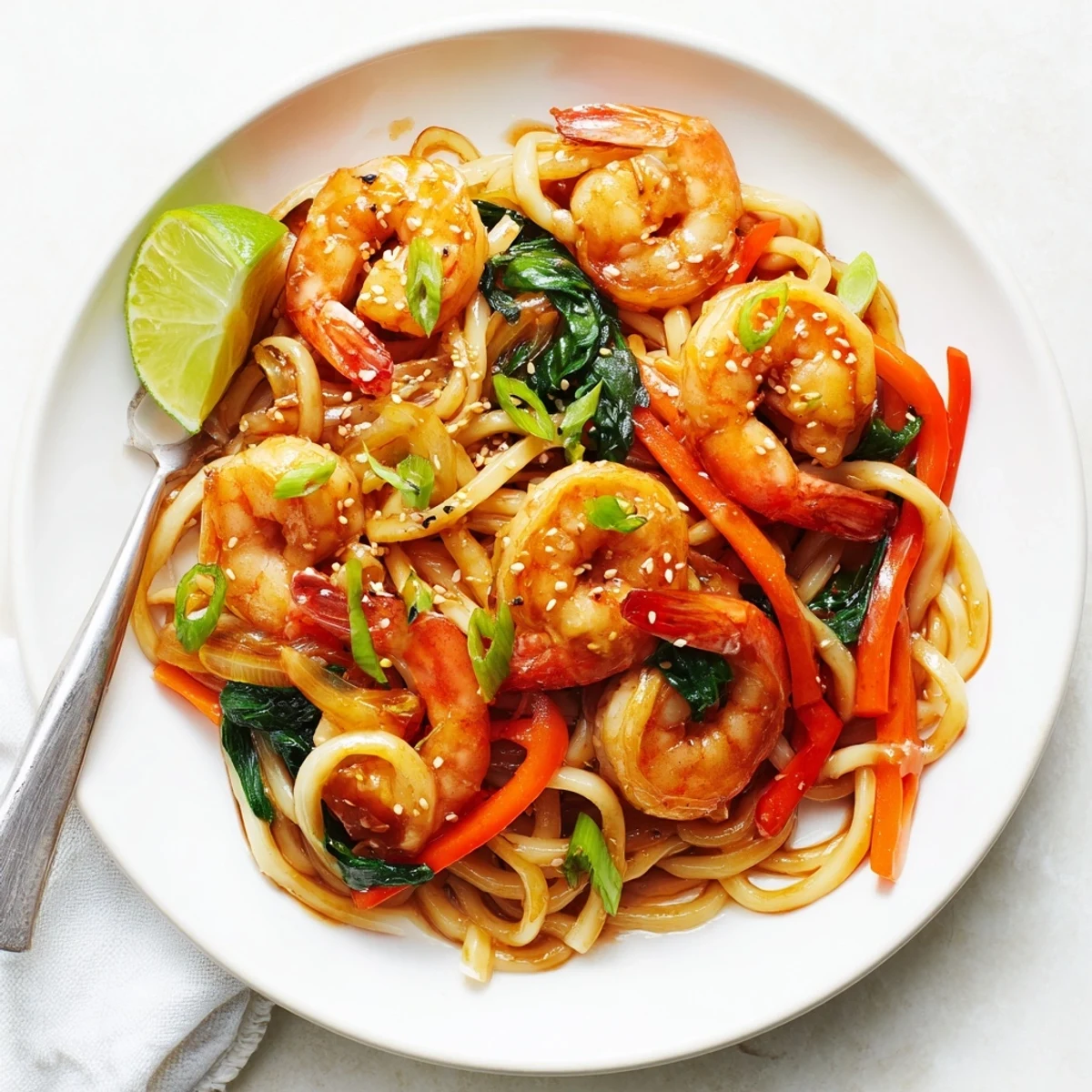
Save In about 30 minutes you can stir-fry plump shrimp with thick udon noodles and crisp vegetables in an umami-rich soy, oyster and mirin sauce. Whisk the sauce, cook or loosen the noodles, then sear shrimp briefly and set aside. Sauté garlic, ginger and vegetables, return shrimp and noodles, pour sauce and toss until glossy; finish with greens, scallions and toasted sesame. Serves 4.
The sizzle of shrimp hitting a screaming hot wok on a Tuesday evening is one of those sounds that makes everyone wander into the kitchen asking when dinner will be ready. My neighbor Akiko once brought over a bag of fresh udon noodles from her favorite Japanese market, and we ended up standing around the stove eating straight from the pan with chopsticks. Thirty minutes later there was nothing left but a few sesame seeds on the counter and a lot of laughter about how we never even made it to the table.
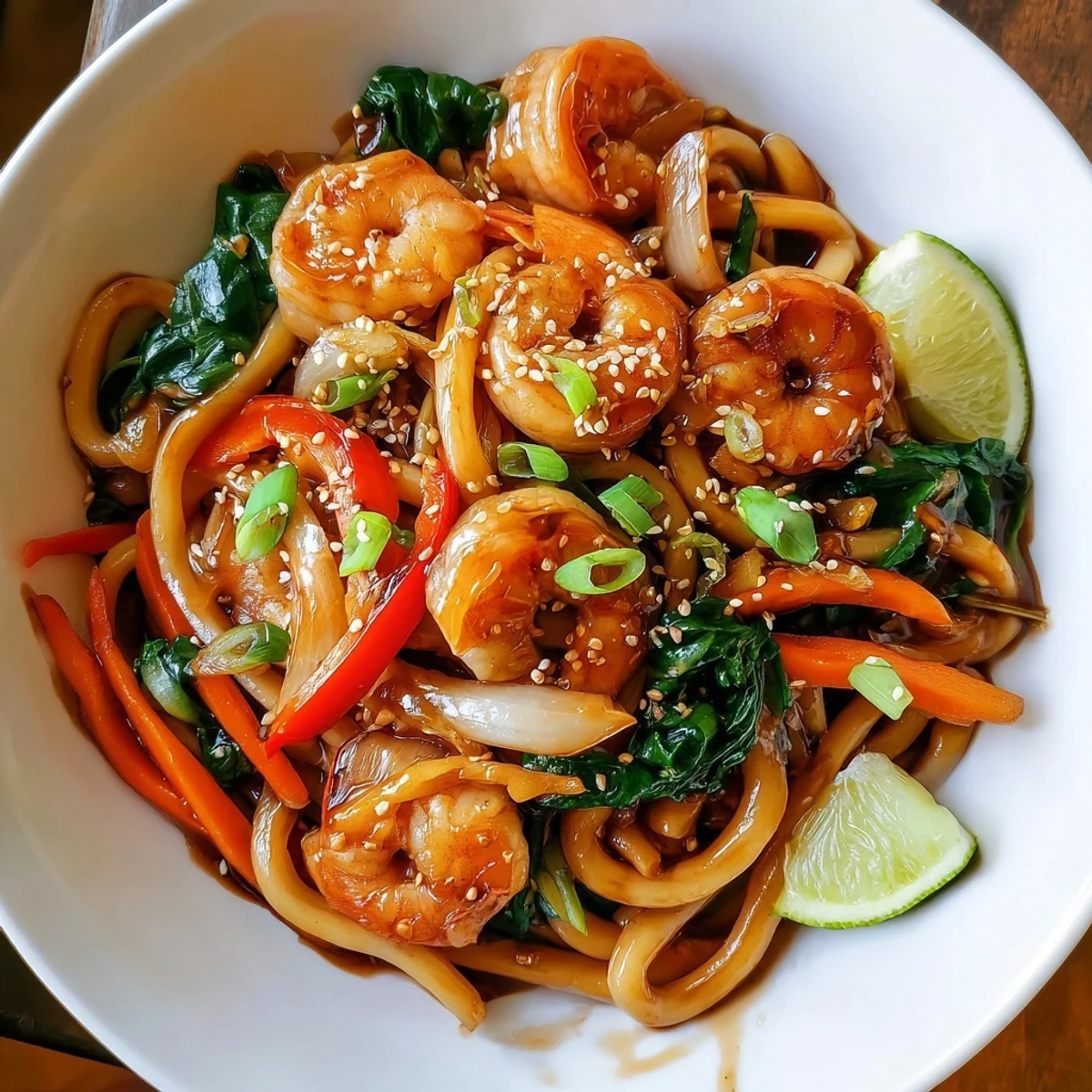
I started making this on rainy weeknights when cooking felt like a chore but I wanted something that would warm me from the inside out. The colors alone, bright orange carrot, glossy pink shrimp, emerald spinach, make the kitchen feel alive even when it is dark outside.
Ingredients
- Large shrimp (400 g): Peeled and deveined, these cook in just a couple of minutes so do not walk away from the pan.
- Fresh or frozen udon noodles (400 g): Those thick chewy noodles are the heart of this dish, and frozen ones actually work beautifully if you cannot find fresh.
- Carrot (1 small): Julienned thin so they cook quickly and add a gentle sweetness to every bite.
- Onion (1 small): Thinly sliced, it melts into the stir fry and provides a savory base you will barely notice but would absolutely miss.
- Red bell pepper (1): Thinly sliced for crunch and a pop of color that makes the whole plate sing.
- Baby spinach or bok choy (2 cups): Either works, but bok choy gives a more authentic Japanese restaurant feel.
- Green onions (2): Sliced and tossed in at the very end for a fresh oniony bite.
- Soy sauce (3 tbsp): The salty backbone of the sauce, and if you have a lighter hand you can always add more later.
- Oyster sauce (2 tbsp): This is what gives the sauce its deep savory richness and slight gloss.
- Mirin (1 tbsp): A touch of sweetness that rounds everything out, or use dry sherry if that is what you have.
- Sesame oil (1 tsp): Just a teaspoon is enough to perfume the whole dish with that toasty nutty aroma.
- Sugar (2 tsp): Balances the saltiness and helps the sauce cling to the noodles.
- Garlic (2 cloves): Minced fine because nobody wants a surprise chunk of raw garlic in their noodles.
- Fresh ginger (1 tbsp): Grated so it melts into the oil and flavors everything without being overpowering.
- Vegetable oil (2 tbsp): Split between cooking the shrimp and the vegetables so nothing sticks.
- Garnishes (optional): Toasted sesame seeds, shredded nori, and lime wedges make it feel like a restaurant meal at home.
Instructions
- Whisk the sauce together:
- In a small bowl, combine soy sauce, oyster sauce, mirin, sesame oil, and sugar and stir until the sugar dissolves. Give it a taste and adjust if you like it a little sweeter or saltier.
- Cook the udon noodles:
- Follow the package directions whether you are using frozen or dried noodles, then drain well and set aside. A little tip is to toss them with a drop of sesame oil so they do not stick together while you wait.
- Sear the shrimp:
- Heat one tablespoon of vegetable oil in a large wok or skillet over medium high heat and toss the shrimp in for two to three minutes until they turn pink and curl into tight C shapes. Pull them out and set them aside before they overcook and become rubbery.
- Wake up the aromatics:
- Add the remaining oil to the same pan and sauté the garlic and ginger for about thirty seconds until your kitchen smells incredible. Keep them moving so they soften without burning.
- Stir fry the vegetables:
- Toss in the onion, carrot, and bell pepper and stir fry for three to four minutes until they are just tender but still have some bite. You want crunch here, not mush.
- Bring it all together:
- Add the drained noodles and cooked shrimp back to the pan and pour the sauce over everything. Use tongs to toss and coat every strand and morsel evenly.
- Finish with greens:
- Throw in the spinach or bok choy and sliced green onions and stir fry for one more minute until the greens just wilt. Serve immediately with sesame seeds, shredded nori, and lime wedges if you are feeling fancy.
 Save
Save There was a night my friend Carlos stopped by unannounced right as I was finishing a batch of this, and he ended up sitting on the kitchen counter eating from the wok while telling me about his week. That is the kind of food this is, the kind that makes people comfortable and keeps them close.
Making It Your Own
This recipe is endlessly flexible once you understand the basic rhythm of sauce, protein, vegetables, and noodles. I have swapped shrimp for torn tofu on meatless Mondays and used whatever vegetables were wilting in the crisper drawer, and it has never once disappointed me.
What to Serve Alongside
A cold glass of sake or a crisp white wine pairs beautifully with the salty umami flavors, but honestly a cold Japanese beer on a Friday night is my favorite match. Sometimes I add a simple cucumber salad with rice vinegar on the side for something refreshing.
Storing and Reheating Leftovers
If you are lucky enough to have leftovers they keep well in the fridge for up to two days, though the noodles will soak up the sauce and become even softer. Reheat in a skillet with a splash of water rather than the microwave for the best texture.
- Toss the noodles with a tiny bit of sesame oil before storing so they do not clump into one giant mass.
- Add a splash of water or soy sauce when reheating to wake the sauce back up.
- Know that the greens will lose some vibrancy overnight but will still taste wonderful.
 Save
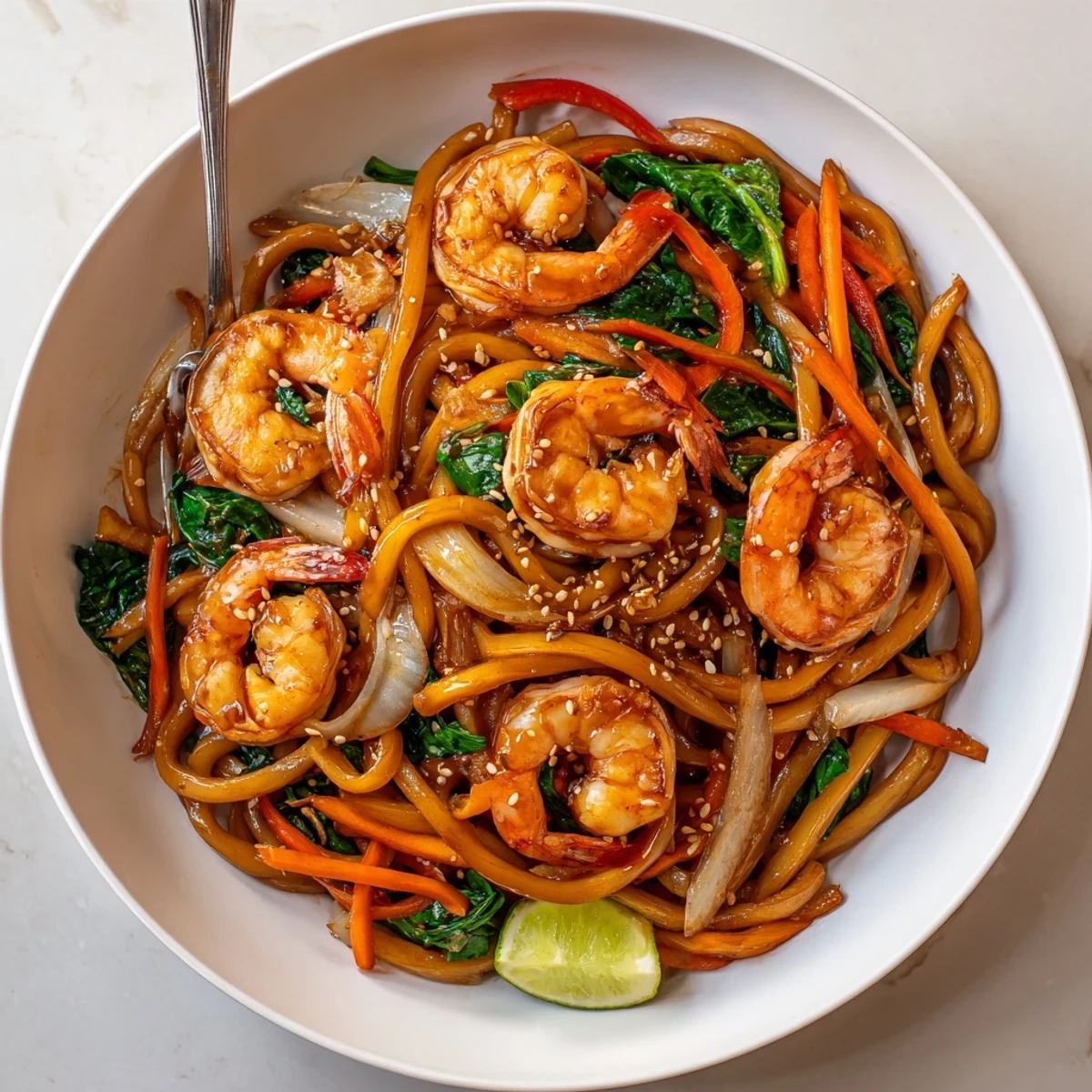
Save Keep this one in your back pocket for the nights when you want something fast, colorful, and deeply satisfying without a sink full of dishes afterward. It is the kind of recipe that makes you feel like a better cook than you probably think you are.
Recipe FAQs
- → How do I keep shrimp tender and not rubbery?
-
Sear shrimp quickly over medium-high heat just until they turn pink and opaque (2–3 minutes). Remove them from the pan immediately to avoid overcooking, then add back at the end to warm through while tossing with the sauce.
- → Which udon works best for this dish?
-
Fresh or frozen thick udon is ideal for a chewy, satisfying bite. If using dried udon, cook to al dente and rinse under cold water to stop cooking, then loosen with a little oil before stir-frying to prevent clumping.
- → Can I make a gluten-free version?
-
Yes. Use gluten-free udon or rice noodles and replace soy and oyster sauce with tamari and a gluten-free oyster alternative or mushroom-based sauce. Always check labels for hidden gluten.
- → How can I add heat without overpowering the other flavors?
-
Add a small amount of chili oil, sliced fresh chili, or red pepper flakes while sautéing aromatics, then taste and adjust. A little goes a long way with the savory soy-oyster base.
- → What are good protein swaps for shrimp?
-
Firm tofu, thinly sliced chicken, or meaty mushrooms like shiitake or king oyster all work well. Cook each protein to proper doneness—sear tofu until golden, or fully cook chicken—then proceed with the same toss-and-sauce method.
- → How do I prevent the noodles from sticking together?
-
After cooking, rinse noodles briefly under cold water (unless fresh) and toss with a small drizzle of oil. When stir-frying, give them space and use tongs to separate and toss quickly so they heat evenly without clumping.