
 Save
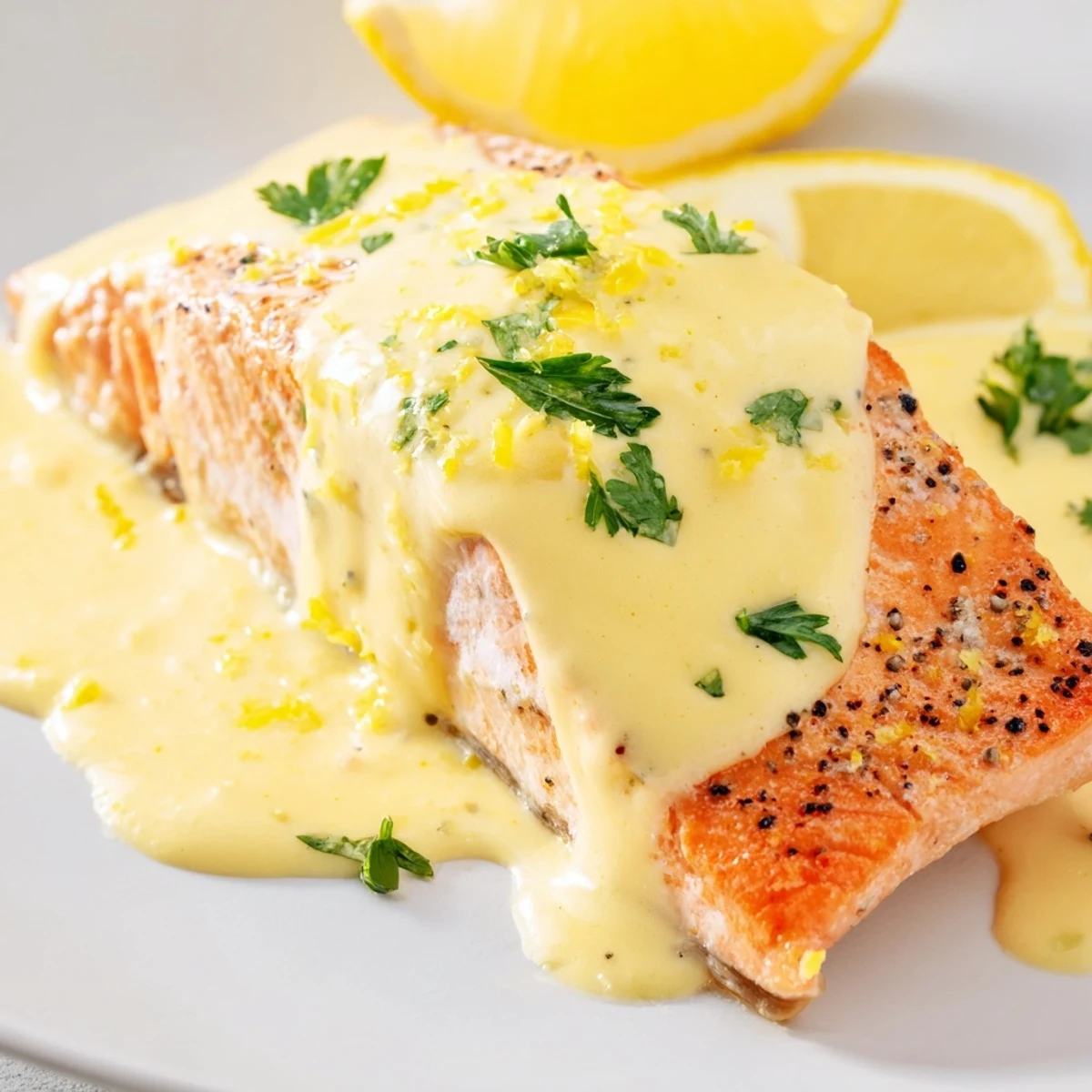
Save This dish features perfectly pan-seared salmon fillets with a golden crust, complemented by a luscious lemon cream sauce. The sauce balances bright citrus notes with rich cream, enhanced by garlic, Dijon mustard, and fresh parsley. Ready in just 30 minutes, this elegant yet simple preparation works beautifully for both casual weeknight dinners and special gatherings. The sauce clings beautifully to the flaky fish, creating a harmonious blend of textures and flavors.
The sizzle of salmon hitting a hot pan is one of those sounds that instantly makes a kitchen feel alive. I discovered this lemon cream sauce on a rainy Tuesday when the fridge held nothing but cream, a lonely lemon, and four salmon fillets I had nearly forgotten about. What happened next was pure kitchen accident magic: a sauce so bright and silky that my spouse stopped mid sentence, fork hovering, and just stared at the plate. That accidental dinner has since become the most requested meal in our house, outranking even pizza night.
One Saturday evening my neighbor knocked on the door to return a borrowed casserole dish right as the garlic was hitting the butter. She leaned into the doorway, sniffed the air dramatically, and said whatever that is, I am not leaving. I set an extra place without hesitation. We spent the next hour eating salmon, drinking the last of a Sauvignon Blanc, and laughing about her terrible sense of direction that had brought her to my door in the first place.
Ingredients
- 4 skinless salmon fillets (about 170 g each): Thick, evenly cut fillets sear more uniformly, so try to pick pieces that look nearly identical in size.
- 2 tablespoons butter: Unsalted butter gives you complete control over the seasoning and creates a richer foundation for the sauce.
- 2 cloves garlic, minced: Fresh garlic makes a real difference here because its sweetness blooms quickly in butter and forms the backbone of the sauce.
- 1 cup heavy cream: Full fat heavy cream is nonnegotiable for that velvety texture that clings to every curve of the salmon.
- Zest of 1 lemon: Zest carries the fragrant essential oils of the lemon and adds a floral brightness that juice alone cannot provide.
- 2 tablespoons fresh lemon juice: Freshly squeezed is the only option because bottled juice tastes flat and metallic against the delicate cream.
- 1 teaspoon Dijon mustard: Just a small amount adds depth and a gentle sharpness that makes the sauce taste more complex without announcing itself.
- 2 tablespoons fresh parsley, chopped: Parsley stirred in at the end adds a flash of green freshness and a mild herbal note that lightens the whole dish.
- Salt and freshly ground black pepper: Seasoning at every stage builds layers of flavor rather than just salting the surface.
- 1 tablespoon olive oil: A neutral flavored olive oil with a high smoke point works best for getting that golden sear on the salmon.
Instructions
- Dry and season the salmon:
- Grab paper towels and pat each fillet until the surface is completely dry, then season both sides generously with salt and pepper because this is your only chance to season the fish itself.
- Sear the fillets:
- Heat olive oil in a large nonstick skillet over medium high heat until it shimmers, then lay the salmon in gently and let it cook undisturbed for 4 to 5 minutes until a golden crust forms before flipping and cooking the other side to your liking.
- Rest the salmon:
- Transfer the fillets to a warm plate and tent loosely with foil while you build the sauce, keeping every bit of flavor left behind in the pan.
- Start the sauce base:
- Reduce the heat to medium, drop the butter into the same skillet, and let it melt into the golden residual salmon juices before adding the minced garlic and stirring until your whole kitchen smells incredible.
- Build the cream sauce:
- Pour in the heavy cream and bring it to a gentle simmer, then stir in the lemon zest, lemon juice, and Dijon mustard, letting it bubble softly for 3 to 4 minutes until it coats the back of a spoon.
- Finish with herbs and seasoning:
- Stir the chopped parsley into the sauce, taste it carefully, and adjust with salt and pepper until the balance of rich and bright feels exactly right on your palate.
- Reunite and serve:
- Nestle the salmon fillets back into the sauce, spooning it generously over the top, and let everything simmer together for 2 to 3 minutes so the fish drinks in every bit of that lemony cream before serving immediately.
 Save
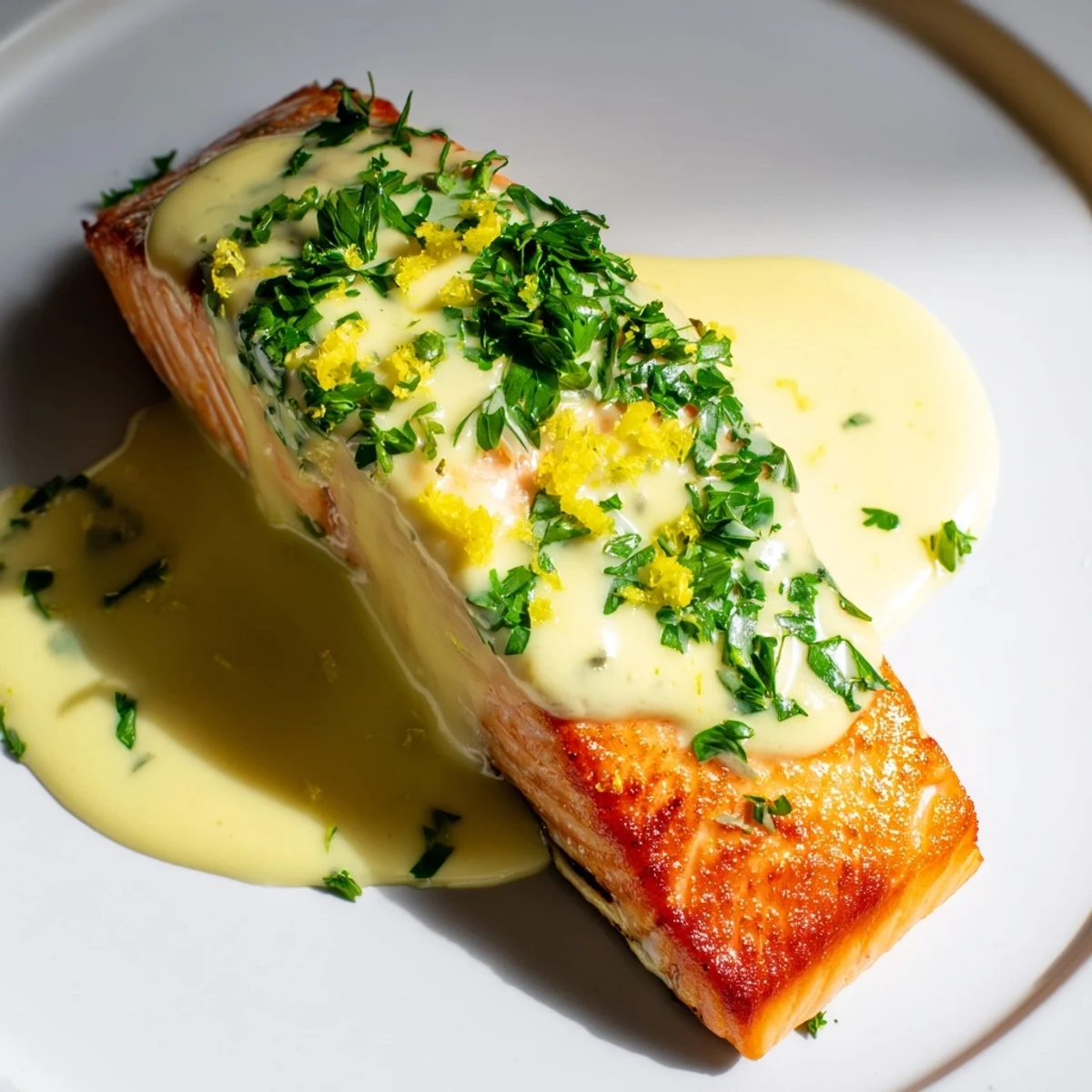
Save There is something about the way this dish gathers people around a table that goes beyond the food itself. I have made it for celebrations and I have made it for nights when someone just needed to feel taken care of. Either way, the room always gets a little quieter after the first bite, and that silence tells me everything.
What to Serve Alongside
Mashed potatoes are my go-to because they soak up the extra sauce like edible luxury, but a bed of steamed rice works just as well for a lighter touch. Roasted asparagus or green beans add a slight crunch that contrasts beautifully with the creamy sauce. In warmer months I skip the starch entirely and pile the salmon over a peppery arugula salad with shaved parmesan.
Making It Lighter Without Losing Soul
Half and half can stand in for heavy cream if you want something a bit gentler, though the sauce will be slightly thinner and less coating. A teaspoon of cornstarch slurry whisked in during simmering helps it cling to the salmon without adding richness. I have also tried this with coconut cream for a dairy free twist, and while it is a completely different dish, it is delicious in its own right.
Storing and Reheating Wisely
Leftover salmon keeps well in an airtight container in the refrigerator for up to two days, though the cream sauce may thicken considerably as it chills. Reheat gently over low heat on the stovetop, adding a small splash of water or cream to loosen the sauce back to its original consistency. The microwave works in a pinch but tends to overcook the salmon if you are not careful.
- Always separate the salmon from the sauce if freezing, since cream sauces can separate when thawed.
- A splash of white wine added to the sauce during simmering introduces a subtle acidity that pairs wonderfully with the lemon.
- Taste the sauce one final time right before serving because the flavor shifts as it cools.
 Save
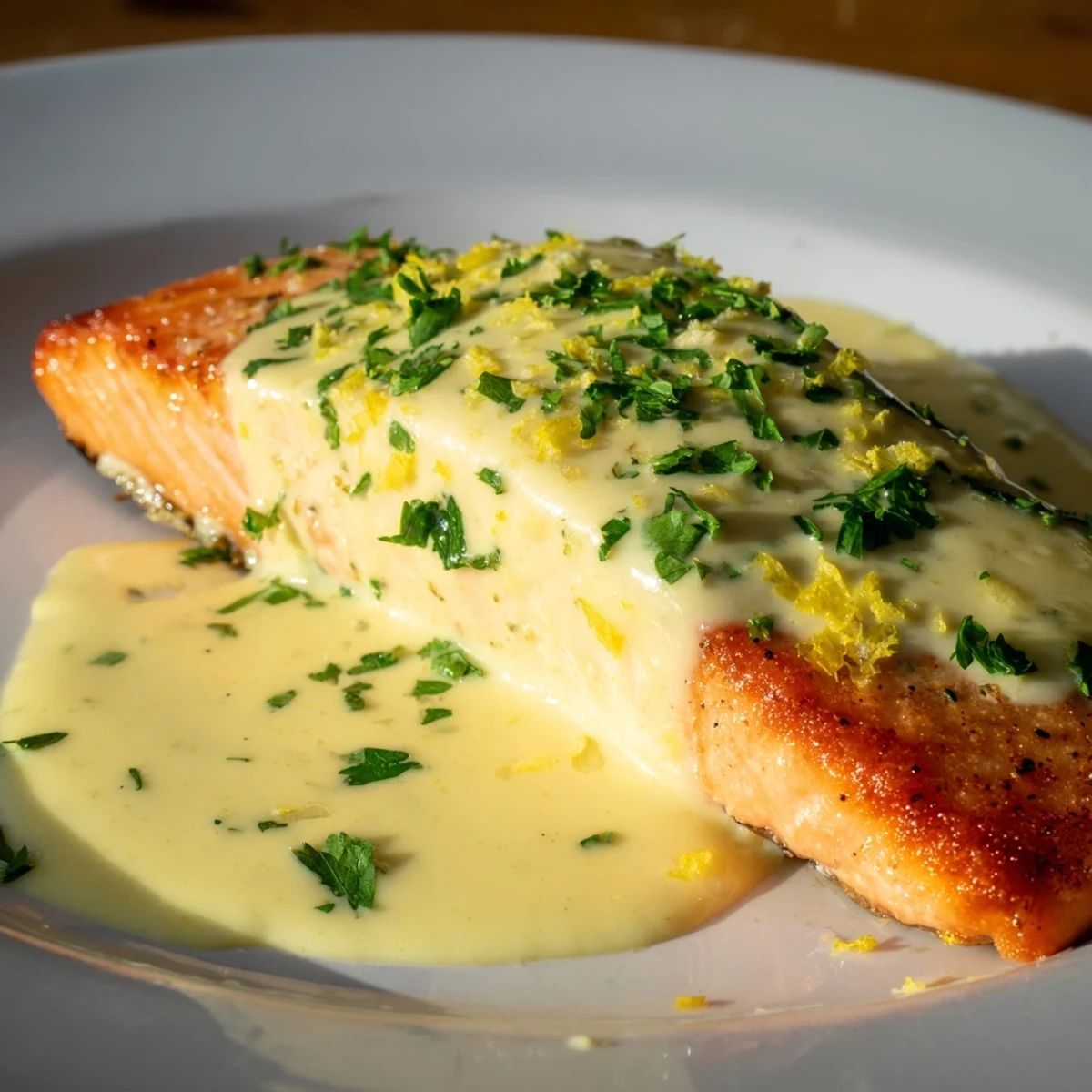
Save This is the kind of recipe that reminds you cooking does not have to be complicated to be memorable. Just a hot pan, fresh lemon, good cream, and the willingness to let simple ingredients speak for themselves.
Recipe FAQs
- → How do I know when the salmon is done?
-
The salmon is done when it reaches an internal temperature of 145°F (63°C) or when the flesh flakes easily with a fork. Visual cues include the flesh turning opaque and the skin crisping up nicely.
- → Can I use salmon with skin?
-
Absolutely. Skin-on salmon works wonderfully and adds extra crispiness. Sear skin-side down first for about 4-5 minutes to get a crispy texture, then flip to finish cooking.
- → What sides pair well with this dish?
-
Steamed vegetables like asparagus or green beans complement the rich sauce beautifully. Rice, mashed potatoes, or crusty bread also work well to soak up the extra sauce.
- → Can I make the sauce ahead of time?
-
Yes, prepare the sauce up to a day in advance and reheat gently over low heat, adding a splash of cream if needed to reach the right consistency. The salmon should be cooked fresh for best results.
- → How can I prevent the cream sauce from separating?
-
Keep the heat at medium or lower when simmering the cream, and avoid boiling vigorously. Stir continuously and add the lemon juice gradually while stirring to help emulsify the sauce.
- → Can I substitute the heavy cream?
-
Half-and-half works for a lighter version, though the sauce won't be quite as thick. For a dairy-free option, try full-fat coconut milk, though the flavor profile will change slightly.