
 Save
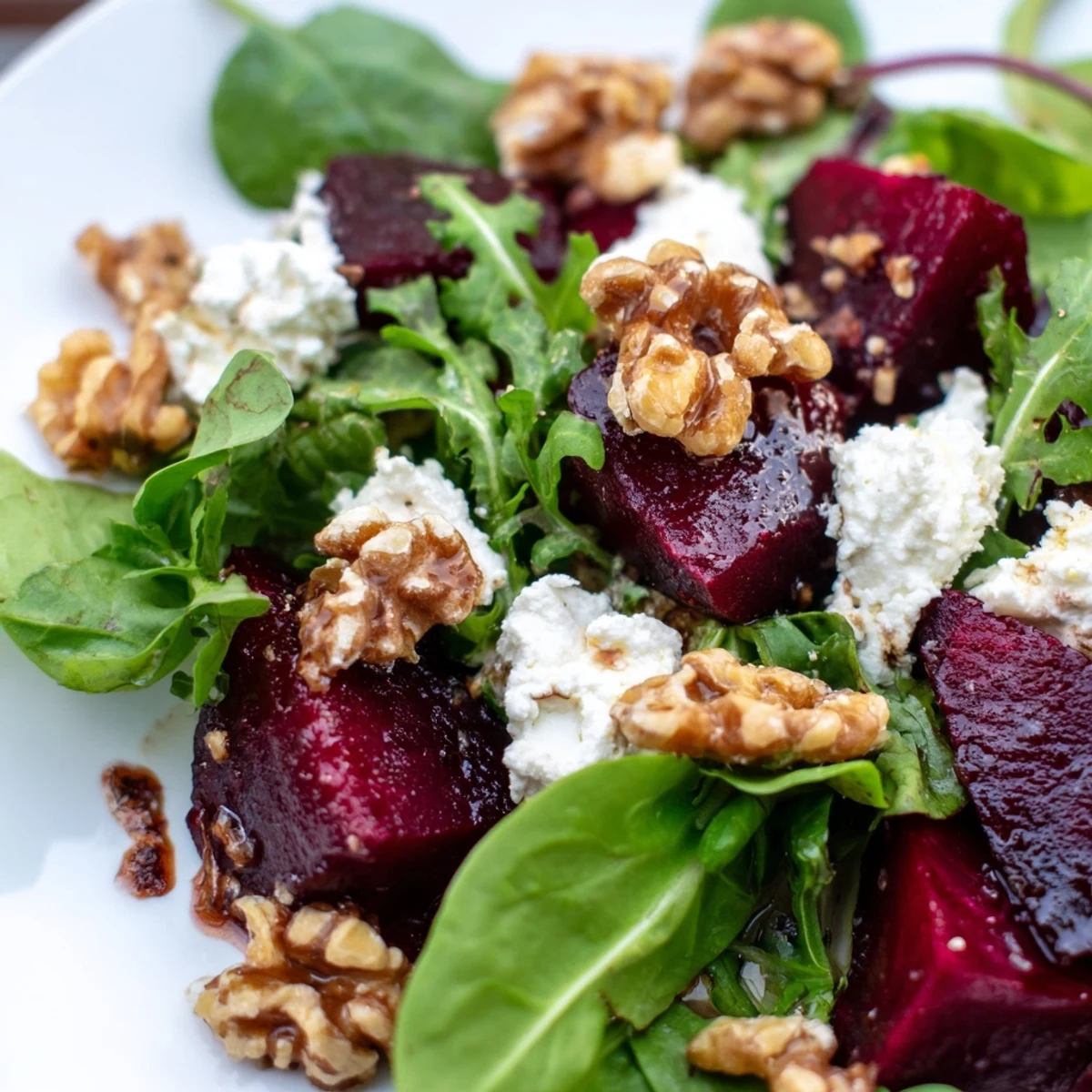
Save This dish combines the natural sweetness of slow-roasted beets with creamy goat cheese and crunchy toasted nuts. Fresh mixed greens provide a crisp base, while a tangy balsamic vinaigrette with Dijon and honey enhances all the flavors. Simple preparation and fresh ingredients bring a balanced, flavorful start or light meal suited for vegetarian and gluten-free diets.
I discovered this salad completely by accident one autumn when I had a bunch of beets that seemed to be staring at me from the crisper drawer, demanding to be used before they got soft. I roasted them on a whim, and that earthy sweetness paired with the bright tang of vinegar and creamy goat cheese felt like a small revelation in a bowl. It became the dish I made whenever I needed to feel like I had my life together in the kitchen.
I remember bringing this to a potluck last spring and watching people actually go back for seconds, which never happens with salad. One friend asked for the recipe right there, standing by the buffet table with a full plate, and I realized it wasn't just good—it was the kind of dish that changes people's minds about what salad can be.
Ingredients
- Beets: Look for beets that are roughly the same size so they roast evenly, and don't skip the scrubbing—you want them clean and ready for the oven.
- Mixed salad greens: Use whatever feels fresh and interesting to you; arugula brings a peppery bite that plays beautifully against the sweetness.
- Goat cheese: Soft, crumbly goat cheese is essential here—it should feel almost fluffy when you break it apart with your fingers.
- Walnuts or pecans: Toasting them yourself makes all the difference; they become deeper, richer, and give the salad real textural contrast.
- Extra virgin olive oil: Don't use the cheapest bottle you find; this ingredient tastes raw and matters.
- Balsamic vinegar: The good stuff has depth and slight sweetness; taste it first to see if you need to adjust the honey.
- Dijon mustard: This acts as an emulsifier, helping the vinaigrette come together smoothly instead of separating.
- Honey or maple syrup: A small amount rounds out the vinegar's sharpness and brings the whole dressing into balance.
- Fresh herbs: Chives or parsley brighten everything at the very end; don't skip them if you have them on hand.
Instructions
- Prepare the beets:
- Preheat your oven to 200°C (400°F) and wrap each beet tightly in foil—this traps steam and helps them roast evenly. Place them directly on the rack or a baking sheet and let them cook for 40 to 50 minutes, until a sharp knife slides through the center without resistance.
- Cool and peel:
- Let the beets cool just enough to handle, then use your hands or a small knife to slip the skin off under cool running water. The skin comes away almost magically once they've been roasted, and this step is oddly satisfying.
- Cube and set aside:
- Cut the cooled beets into roughly 1-centimeter cubes or thin wedges, depending on your preference. I usually do a mix of both for visual interest.
- Build the vinaigrette:
- In a small bowl, whisk together the olive oil, balsamic vinegar, mustard, and honey until the mixture looks glossy and slightly thickened. Taste it before seasoning—you might need less or more vinegar depending on the brand.
- Assemble and dress:
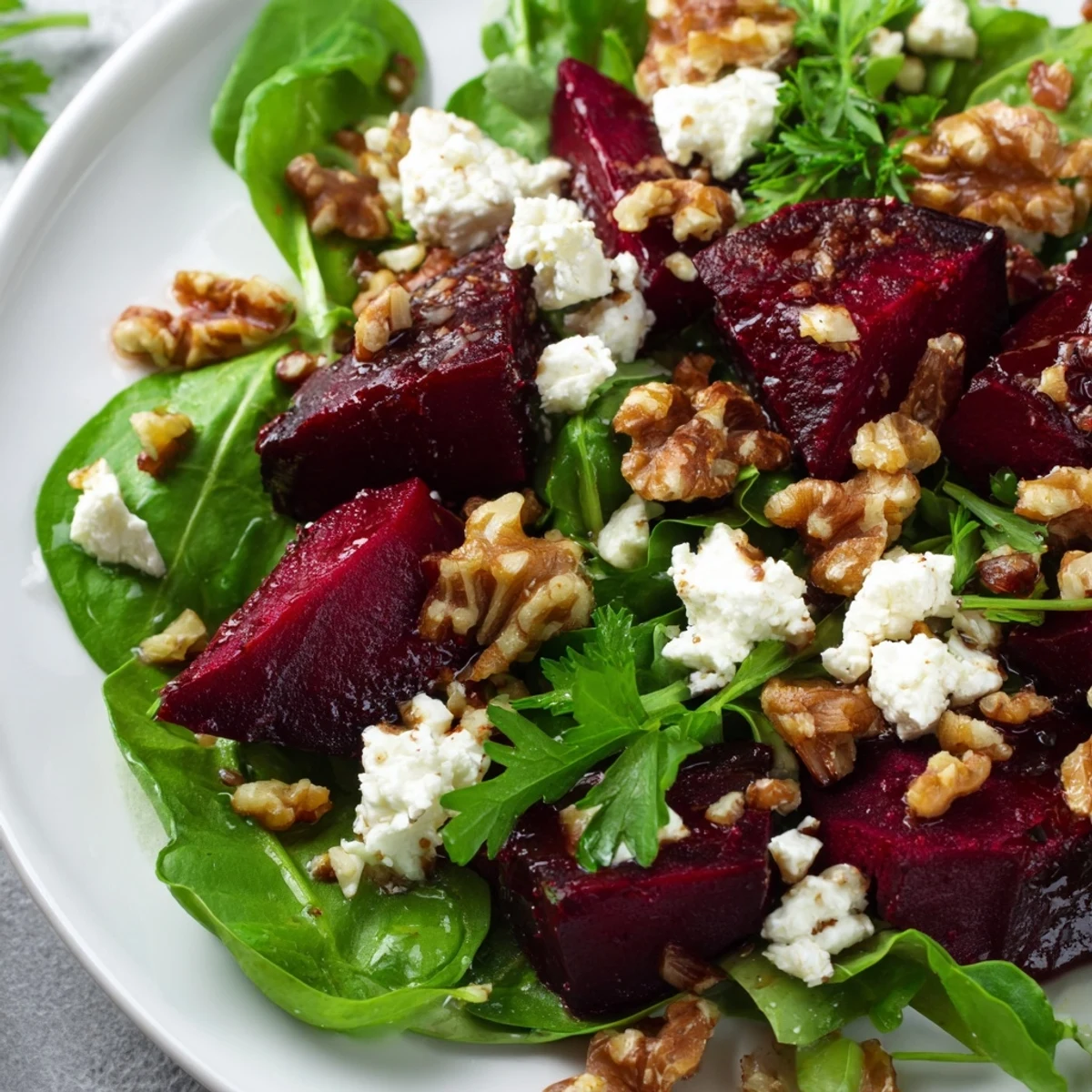
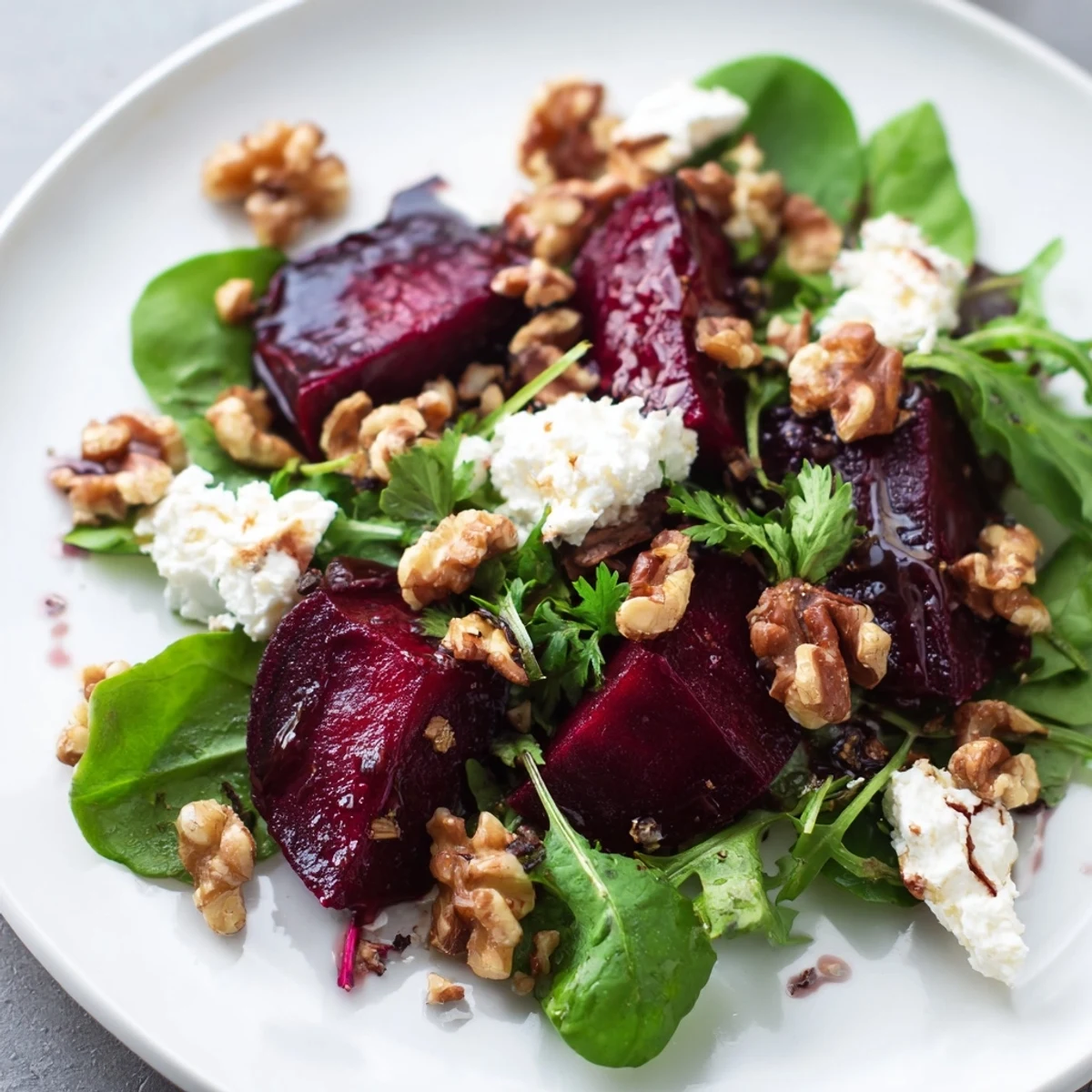
- Scatter the salad greens on a platter or divide them among plates, then scatter the beet pieces, goat cheese, and toasted nuts on top. Drizzle generously with vinaigrette and finish with fresh herbs if you have them.
 Save
Save There's something deeply satisfying about how this salad comes together, how each component keeps its own identity while creating something greater. It taught me that the best meals don't always need to be complicated—sometimes they just need honest ingredients treated with care.
Making It Ahead
The roasted beets actually taste better the next day, once the flavors have settled and deepened. You can peel and cube them up to three days in advance, storing them in an airtight container in the refrigerator, which makes weeknight assembly incredibly quick. Just don't dress the whole salad until you're ready to eat, or the greens will wilt and everything will become soggy.
Variations and Substitutions
I've made this salad in a hundred different ways depending on what's in the kitchen and what I'm craving. Sometimes I add thin slices of crisp apple for sweetness, or red onion for bite; other times I'll swap the goat cheese for sharp feta if that's what I have. The core is flexible enough to handle whatever seasonal vegetables or cheeses appeal to you.
Serving Suggestions and Storage
This salad works beautifully as a starter before something hearty, or as a light lunch with crusty bread and maybe a soft cheese on the side. It's substantial enough to feel complete on its own, but delicate enough not to overwhelm. Leftover roasted beets keep wonderfully and can be tossed into grain bowls, stirred into soups, or eaten straight from the container as a snack.
- For a heartier version, add cooked grains like farro, quinoa, or wild rice directly to the salad.
- If you're making this for guests, roast the beets earlier in the day and let the greens chill in the refrigerator so everything comes together fresh and cold.
- The dressing can be made hours ahead and left at room temperature, which actually allows the flavors to develop and intensify.
 Save
Save There's a reason this salad keeps appearing on my table season after season. It's the kind of food that feels both simple and special, humble and impressive—a salad that reminds you why you love cooking in the first place.
Recipe FAQs
- → How do I know when the beets are perfectly roasted?
-
Roasted beets are done when a knife easily slides into the center without resistance, usually after 40-50 minutes at 200°C (400°F).
- → Can I prepare the beets in advance?
-
Yes, roasted beets can be refrigerated for up to three days and added to the salad when ready to serve.
- → Which nuts work best for adding crunch?
-
Toasted walnuts or pecans complement the flavors well and add a pleasant texture.
- → Is there a recommended cheese substitute?
-
Feta cheese can be used as a substitute for goat cheese if preferred, maintaining a tangy, creamy element.
- → How can I vary the dressing for different flavors?
-
Adjust the honey or substitute it with maple syrup, and vary mustard quantities to balance sweetness and tanginess in the vinaigrette.