
 Save
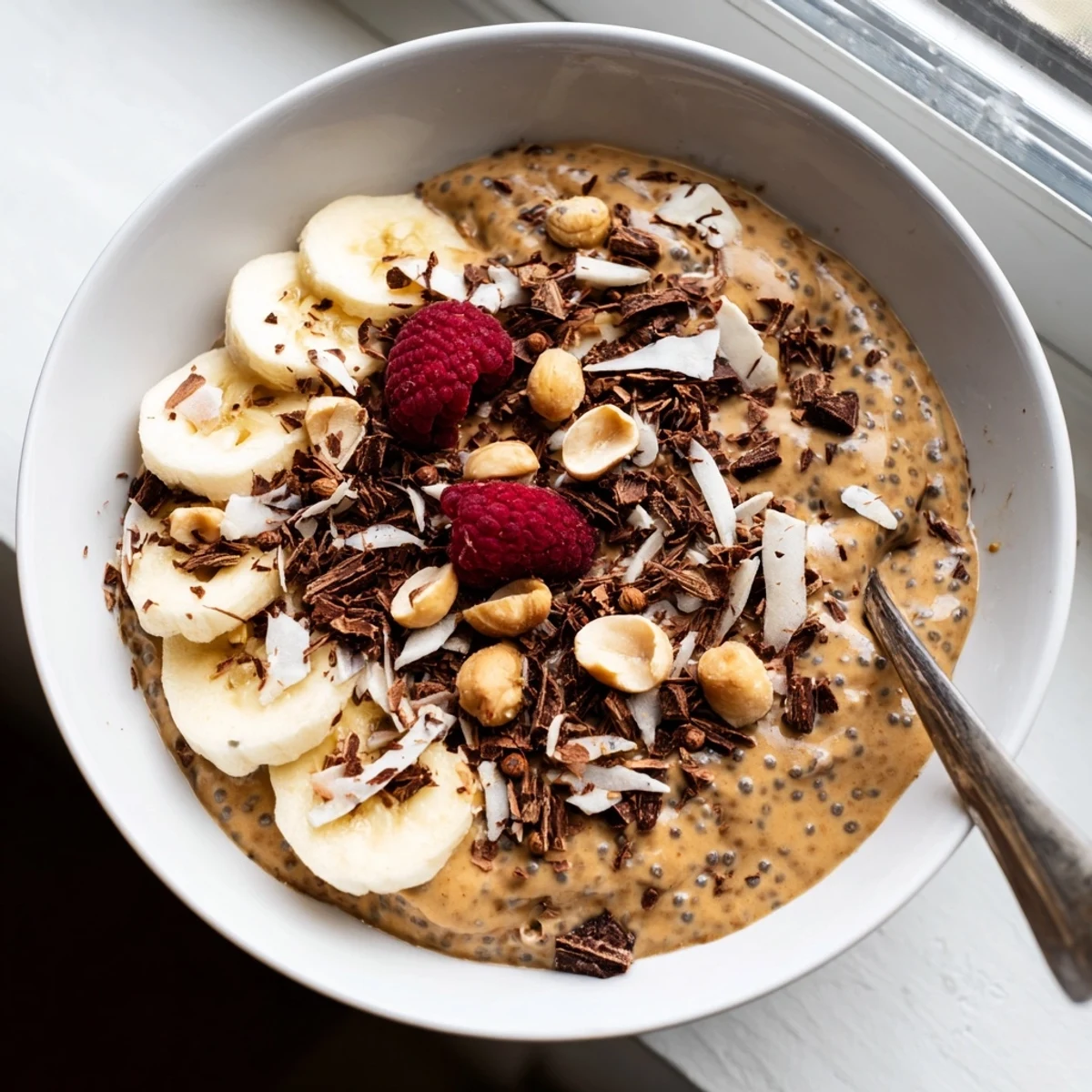
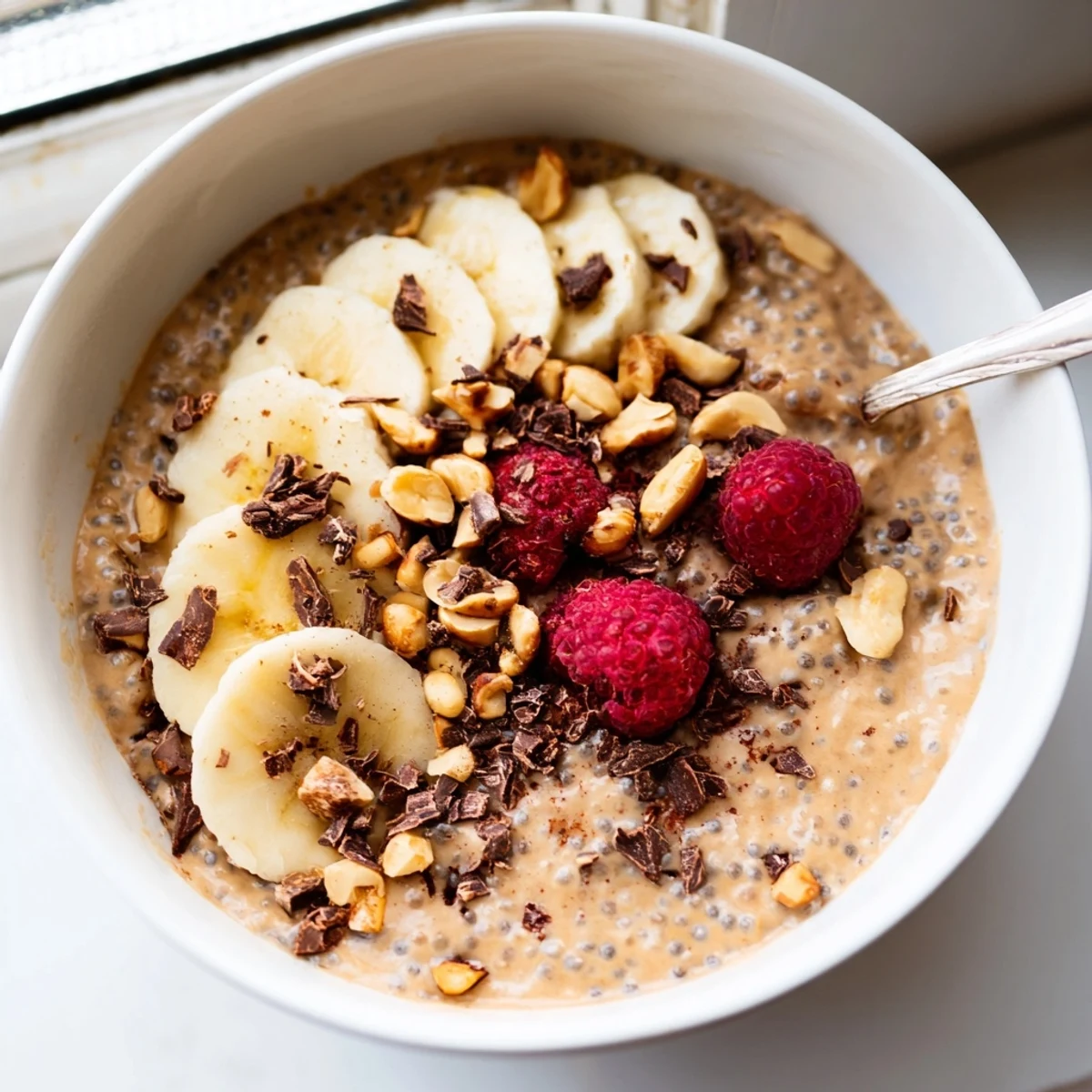
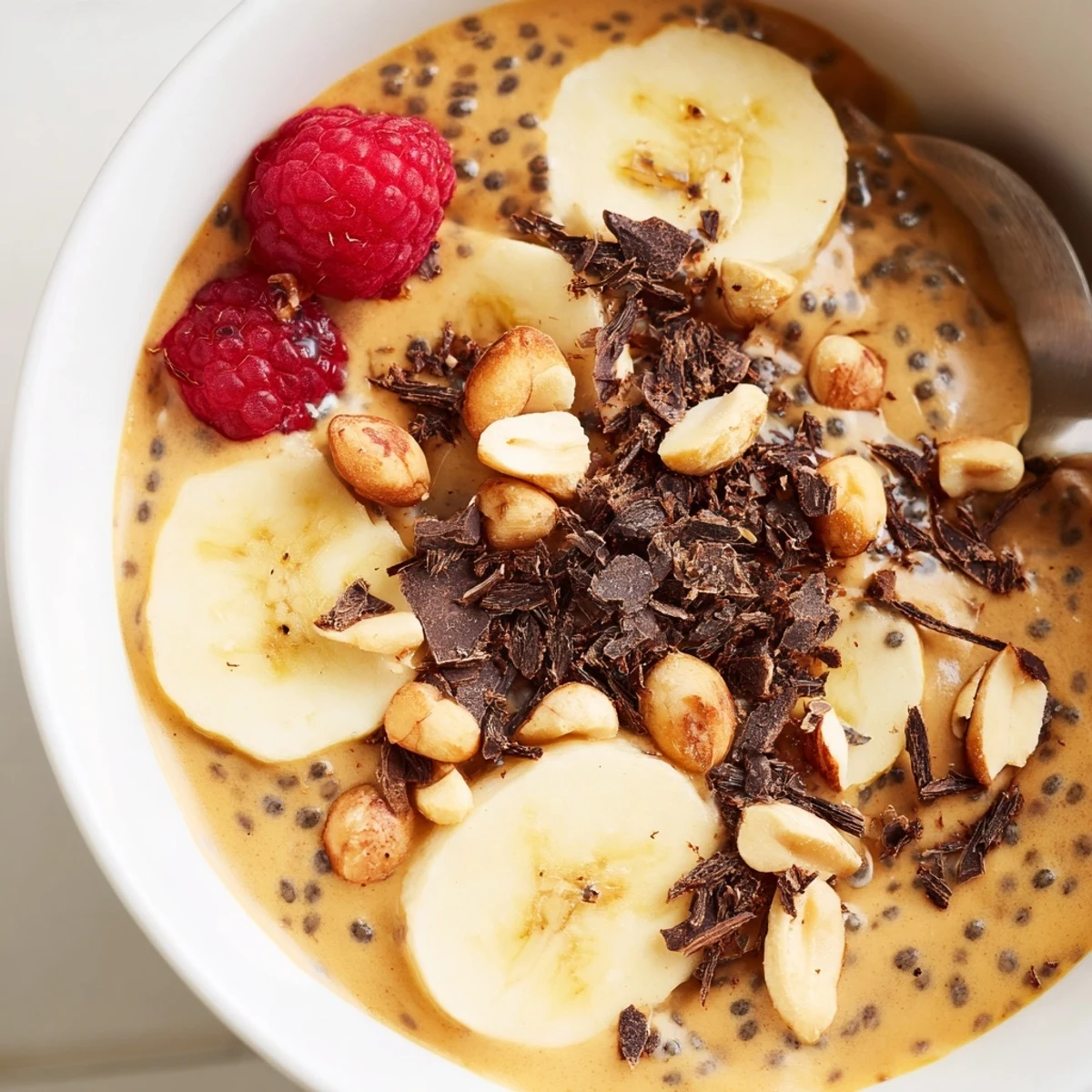
Save This peanut butter chia pudding comes together in just 10 minutes with no cooking required. Simply whisk almond milk, peanut butter, maple syrup, and vanilla until smooth, then stir in chia seeds and refrigerate until thick and creamy.
Each serving delivers 8 grams of protein and a satisfying, dessert-like texture that works beautifully for breakfast, snacking, or a guilt-free sweet treat. Top with sliced banana, chopped peanuts, or dark chocolate shavings for extra indulgence.
The jar sat in my fridge for three days before I remembered it was there, and when I finally unscrewed the lid, the texture had transformed into something impossibly silky. That first spoonful of peanut butter chia pudding was a quiet Tuesday revelation, the kind that makes you close your eyes and chew slowly. I had been skeptical about chia seeds for years, convinced they were just a health food trend with nothing real to offer. I was wrong, and I have been making this weekly ever since.
My friend Lena came over last Saturday morning after her run, damp hair and running shoes still on, and I handed her a jar straight from the fridge. She leaned against the kitchen counter and ate the whole thing without saying a word, then looked at me and asked if there was more.
Ingredients
- 2 cups unsweetened almond milk: This is your base liquid and any milk works but unsweetened almond milk lets the peanut flavor shine without competing sweetness.
- 6 tbsp chia seeds: This ratio is the sweet spot for that thick pudding texture, any less and you get soup, any more and it turns cement like.
- 1/3 cup creamy peanut butter: Use the natural kind with just peanuts and salt if you can, the stabilized stuff works but the flavor is deeper with natural.
- 2 to 3 tbsp pure maple syrup: Start with two and taste before chilling, you can always add more but you cannot take it back.
- 1 tsp vanilla extract: A small amount that rounds out the flavor beautifully and makes everything taste more intentional.
- Pinch of salt: Do not skip this, salt makes peanut butter sing and balances the sweetness perfectly.
- Optional toppings: Sliced banana, chopped roasted peanuts, dark chocolate shavings, or fresh berries all belong here.
Instructions
- Build the liquid base:
- Pour the almond milk into a medium bowl and add the peanut butter, maple syrup, vanilla, and salt. Whisk vigorously until the peanut butter melts into the milk and everything looks smooth and unified.
- Wake up the chia seeds:
- Add the chia seeds and stir with purpose for about sixty seconds. You want every seed suspended in the liquid, not clumped on the surface like tiny stubborn islands.
- Let the fridge do its magic:
- Cover the bowl and tuck it into the refrigerator for at least four hours, though overnight is when the real transformation happens. The seeds will absorb the liquid and create that lush, spoonable consistency you are after.
- Stir and serve:
- Give the pudding a thorough stir to break up any thick spots, then divide it among four bowls or jars. Pile on whatever toppings make you happy and eat it cold.
 Save
Save I started making a double batch on Sunday nights and packing it into small jars for the week ahead, and it became this small ritual that made chaotic mornings feel managed.
Getting the Texture Just Right
The most common complaint about chia pudding is the texture, and I understand because my first batch had the mouthfeel of frog eggs. The trick is whisking aggressively at the start and then stirring again after about thirty minutes in the fridge before the seeds fully set. That second stir redistributes everything evenly and eliminates the gummy layer that sometimes forms on the bottom. Once you lock in this two step stir method you will never go back.
Making It Your Own
This recipe is a blueprint more than a rulebook, and I have riffed on it dozens of ways depending on what the fridge offered. Swapping peanut butter for almond butter or sunflower seed butter completely changes the personality while keeping the same method intact. A tablespoon of cocoa powder turns it into something that tastes like a peanut butter cup. A dash of cinnamon makes it feel like autumn even in July.
Storage and Leftovers
Keep it covered in the refrigerator and it stays good for up to four days, though the texture is best on days one and two. The top might darken slightly from the peanut butter oxidizing but a quick stir brings it back to life. Freeze it and the texture breaks down, so stick to the fridge.
- Mason jars with lids are ideal for storing and grabbing on your way out the door.
- Wait to add toppings until right before eating so nothing gets soggy.
- Label the jars with the date so nothing mysterious lurks in the back of your fridge.
 Save
Save Some recipes you make because you have to, and some you make because they bring a small, easy joy to an ordinary afternoon. This one lives firmly in the second category for me, and I hope it finds its way into your weekly rotation too.
Recipe FAQs
- → How long does chia pudding need to set in the refrigerator?
-
Chia pudding needs at least 4 hours in the refrigerator to thicken properly, but overnight chilling yields the best, creamiest consistency.
- → Can I use a different type of milk instead of almond milk?
-
Yes, any milk works well here. Canned coconut milk or whole milk will give a richer, creamier result, while oat or soy milk are great plant-based alternatives.
- → Is there a nut-free alternative to peanut butter?
-
Sunflower seed butter is an excellent nut-free substitute that provides a similarly rich, creamy texture and complementary flavor.
- → How should I store leftover chia pudding?
-
Store leftovers in an airtight container in the refrigerator for up to 4 days. Stir well before serving, as separation can occur during storage.
- → Can I adjust the sweetness level?
-
Absolutely. Start with 2 tablespoons of maple syrup and taste before adding more. You can also use honey, agave, or a sugar-free sweetener depending on your preference.
- → Why isn't my chia pudding thickening?
-
Make sure you're using the correct ratio of chia seeds to liquid — 6 tablespoons per 2 cups of milk. Also, give the mixture a good stir after the first hour of chilling to prevent clumping and ensure even thickening.