
 Save
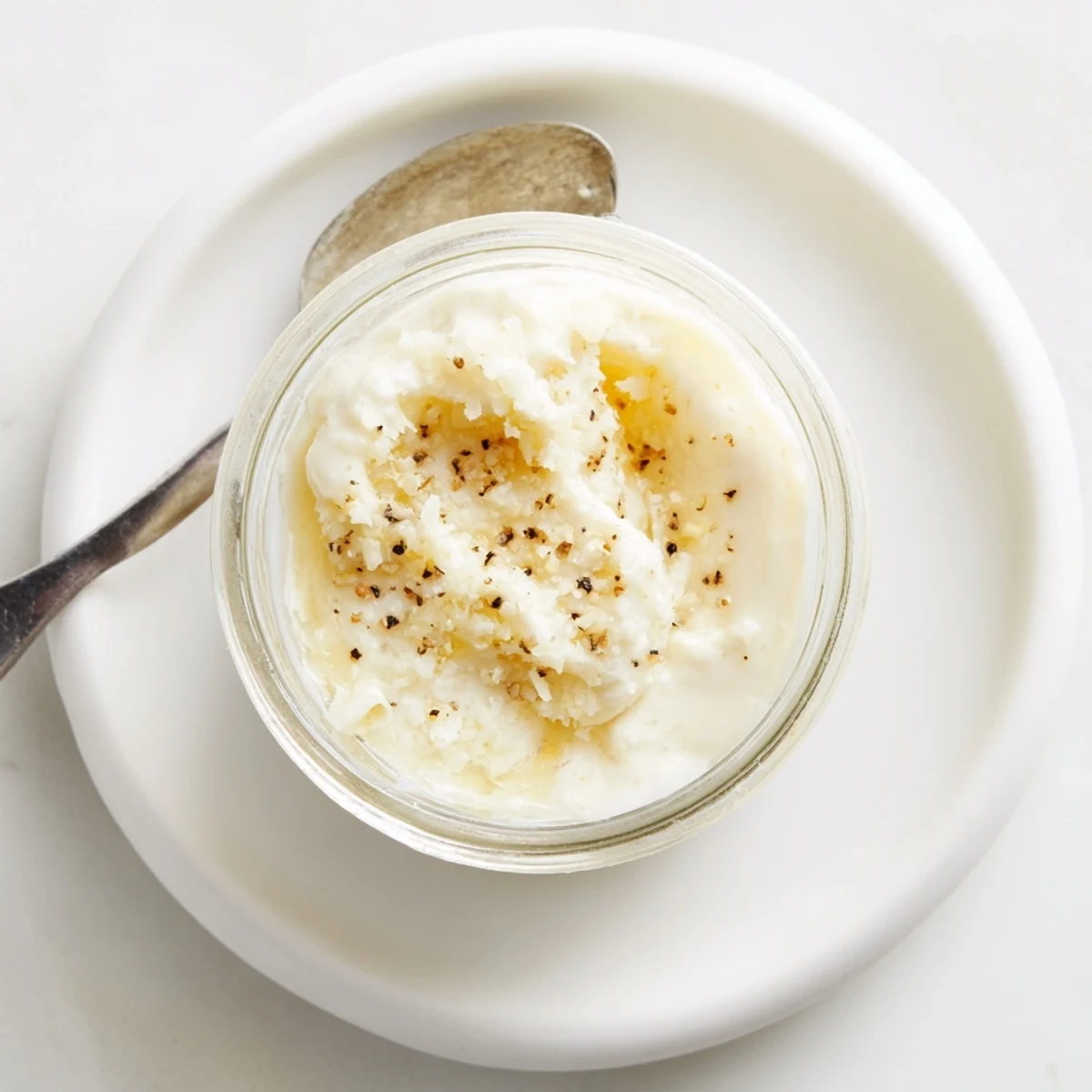
Save This tangy, creamy Parmesan vinaigrette blends 1/3 cup freshly grated Parmesan with extra-virgin olive oil, white wine vinegar, lemon juice, Dijon, garlic, and a touch of honey. Whisk slowly to emulsify or blitz in a food processor for a silkier texture.
Ready in ten minutes, it brightens greens, roasted vegetables, and grilled meats. Adjust salt and pepper to taste; store chilled up to one week. Add red pepper flakes or fresh herbs to vary the flavor.
The summer my garden exploded with mixed greens was the summer I stopped buying bottled dressing entirely. One evening, armed with a wedge of Parmesan and a tired lemon, I whisked together something that made my husband stop mid bite and ask what magical potion I had poured over his salad. That humble little vinaigrette has been a staple in my kitchen ever since, tucked into a mason jar at the back of the fridge, ready whenever I need it.
I once brought a mason jar of this to a potluck dinner and three separate people cornered me before the night was over to ask for the recipe. There is something about the way the sharp vinegar and mellow cheese play off each other that makes people think you worked much harder than you did.
Ingredients
- 1/3 cup freshly grated Parmesan cheese: Please do yourself a favor and grate it off the block at home because the pre shredded stuff is coated in cellulose and will not dissolve the same way into the dressing.
- 1/4 cup extra virgin olive oil: Use the good bottle here since the flavor really comes through, but a decent everyday olive oil works beautifully too.
- 2 tablespoons white wine vinegar: This provides a clean bright acidity that lets the Parmesan shine without overpowering it.
- 1 tablespoon lemon juice, freshly squeezed: A second layer of brightness that rounds out the sharpness of the vinegar in a subtle way.
- 1 teaspoon Dijon mustard: This is your emulsifier and it quietly holds everything together while adding a gentle kick.
- 1 clove garlic, finely minced: One clove is enough to notice without taking over, though I have been known to sneak in a second on occasion.
- 1 teaspoon honey (optional): Just a touch balances the acid and draws out the savory depth of the cheese.
- 1/4 teaspoon freshly ground black pepper: Fresh cracked makes a real difference in a raw dressing like this one.
- 1/2 teaspoon kosher salt: Add cautiously and taste at the end because the Parmesan brings its own saltiness to the party.
Instructions
- Build your flavor base:
- In a medium bowl, combine the vinegar, lemon juice, Dijon mustard, honey, minced garlic, salt, and pepper. Whisk until the mustard is fully dissolved and everything looks like one cohesive liquid.
- Emulsify with olive oil:
- Pour the olive oil in a very thin steady stream while whisking vigorously and without stopping. You will see the mixture transform from separated and thin to glossy and unified.
- Fold in the Parmesan:
- Stir in the freshly grated cheese and watch the dressing thicken into something creamy and luxurious. Let it sit for a minute or two so the cheese begins to soften into the liquid.
- Taste and adjust:
- Dip a leaf of whatever greens you have handy into the bowl and taste it that way for the truest sense of how it will land on a salad. Add more salt, pepper, or a squeeze more lemon if it feels flat.
- Store it properly:
- Transfer to a jar with a tight lid and refrigerate. Shake it well before each use because it will separate slightly as it chills and that is completely normal.
 Save
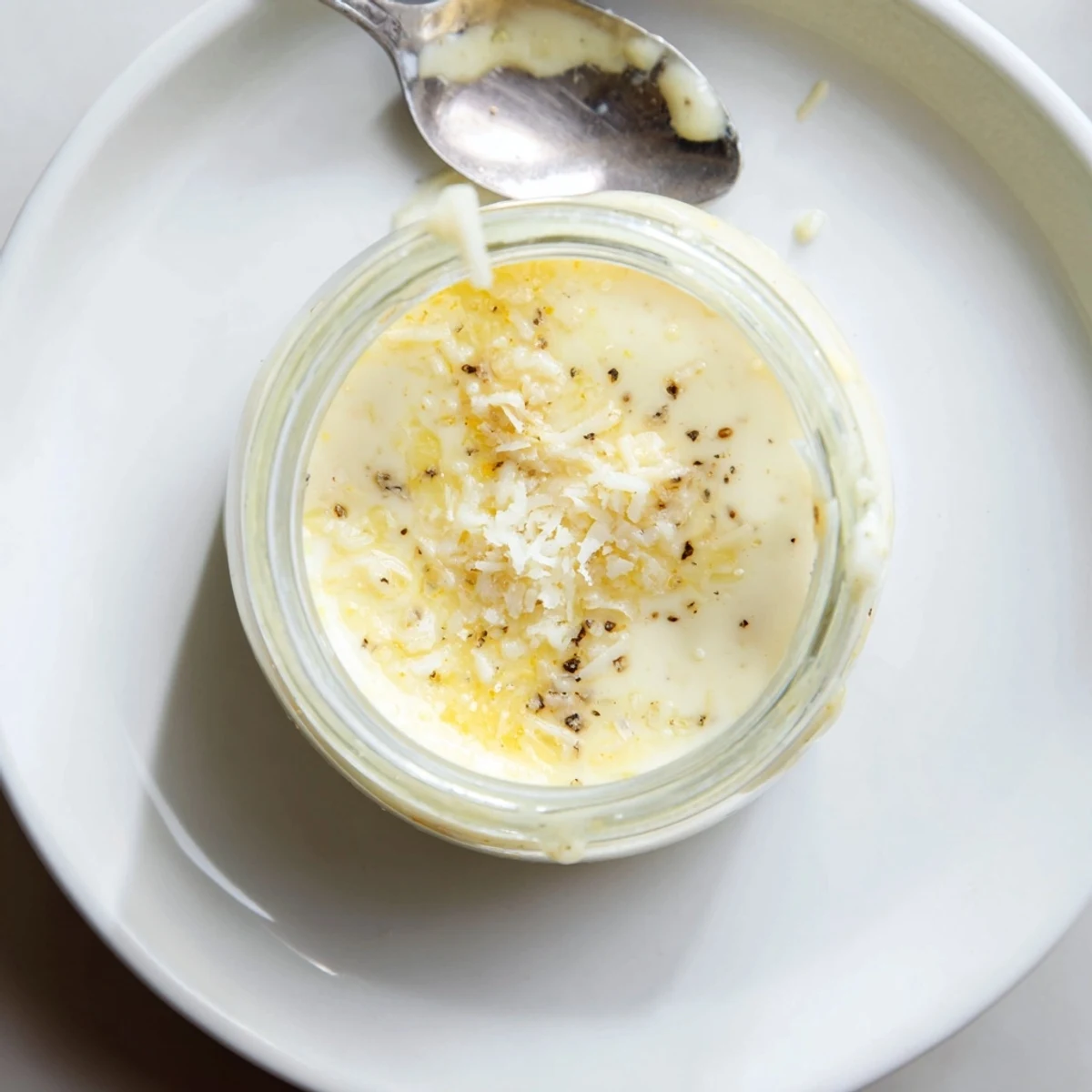
Save One rainy Tuesday I tossed this vinaigrette with nothing more than torn butter lettuce and some toasted walnuts, and it was genuinely one of the best salads I have ever eaten. Sometimes simplicity is the whole point.
What to Drizzle It On
Beyond salads, this vinaigrette is spectacular spooned over roasted carrots, drizzled across a plate of sliced tomatoes, or used as a quick marinade for chicken thighs before they hit the grill. I have even been known to crust a piece of sourdough with it before toasting.
Storing and Keeping It Fresh
Keep your jar in the coldest part of the refrigerator and it will stay good for up to a week. The olive oil may solidify slightly when very cold, so just set it on the counter for ten minutes and give it a good shake before serving.
Making It Your Own
This recipe is forgiving and loves small improvisations, so treat it as a starting point rather than a strict formula.
- A pinch of red pepper flakes adds a gentle warmth that pairs surprisingly well with the richness of the cheese.
- Chopped fresh basil or chives stirred in at the end turns it into something that tastes like summer in a jar.
- Always taste before serving because the saltiness of Parmesan varies wildly between brands and aging.
 Save
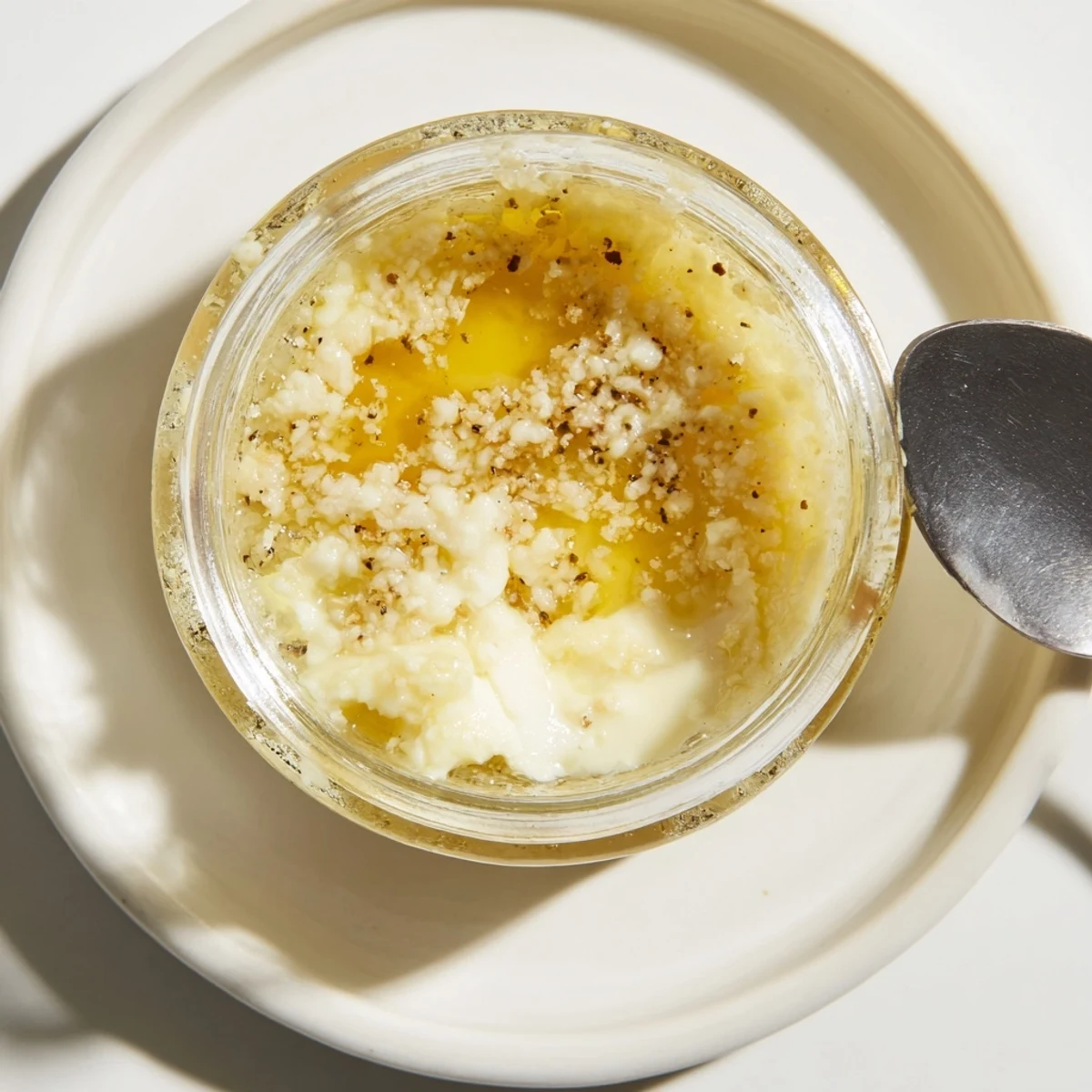
Save A good vinaigrette is one of those small kitchen skills that quietly elevates everything you cook. Once you commit this one to memory, you will never look at a bottle of store bought dressing the same way again.
Recipe FAQs
- → How do I make the vinaigrette extra smooth?
-
For a smoother texture, blend all ingredients in a food processor or use an immersion blender. Start by combining the acid and mustard, then stream in the oil while blending to ensure a stable emulsion.
- → Can I substitute Parmesan with another cheese?
-
Pecorino Romano or aged Asiago work well for a saltier, sharper profile. Use a finely grated, dry cheese so it integrates evenly into the dressing without clumping.
- → How long does the vinaigrette keep in the fridge?
-
Stored in an airtight container, the dressing keeps up to one week refrigerated. Shake or whisk before using, as separation is natural over time.
- → What dishes pair best with this vinaigrette?
-
It’s excellent on mixed greens, crisp romaine, and arugula, and also brightens roasted vegetables, grain bowls, and grilled meats or seafood. A little goes a long way to add savory richness.
- → How can I adjust the acidity or sweetness?
-
Increase lemon juice or white wine vinegar for more brightness, or add a bit more honey to soften acidity. Taste as you go and balance with salt and pepper.
- → Any tips for incorporating garlic without overpowering?
-
Minced garlic adds sharpness; mellow it by using roasted garlic or letting minced garlic sit briefly with the acids before adding oil. Alternatively, use garlic powder sparingly for a subtler note.