
 Save
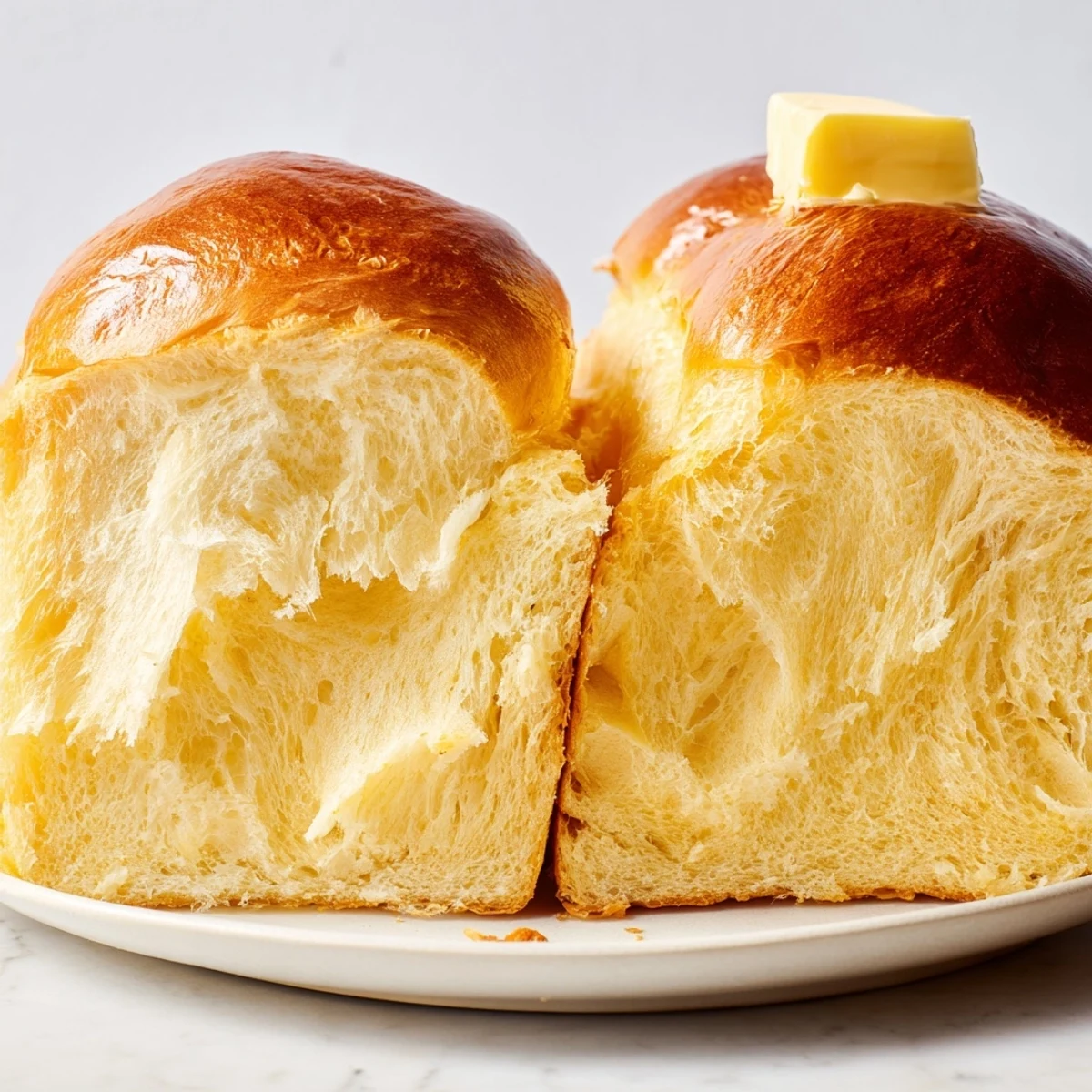
Save This brioche blends milk, eggs and butter into a light, pillowy loaf. Combine flour, sugar, salt and yeast, add eggs and warm milk, then beat in butter until smooth. Knead for 10–15 minutes, proof twice (about 2–2.5 hours total), brush with egg wash and bake 25–30 minutes at 180°C. Cool fully before slicing; try whole wheat swaps or add chocolate chips for variation.
The smell of butter and yeast wafting through my apartment on a rainy Sunday morning is what convinced me that brioche was worth every minute of waiting. I had attempted it once before and ended up with a dense brick that my roommate politely called rustic. That failure haunted me enough to try again, this time with patience and a properly warm kitchen.
I brought a loaf of this to a friends potluck dinner and watched three people abandon conversation mid sentence to hover near the bread basket. One friend tore off a piece, salted butter melting into it immediately, and just stood there chewing with closed eyes. That loaf disappeared in under ten minutes and I left with a list of people begging for the recipe.
Ingredients
- Bread flour (500 g): The higher protein content gives brioche its signature chew and structure.
- Granulated sugar (60 g): Just enough sweetness without tipping into dessert territory.
- Fine sea salt (10 g): Salt is non negotiable here since it balances the butter and enhances every flavor.
- Instant dry yeast (10 g): Instant yeast skips the blooming step and gets right to work.
- Large eggs (3): Eggs enrich the dough and give the crumb its golden color inside.
- Whole milk, warm (150 ml): Warm to the touch but not hot since scalding milk kills yeast instantly.
- Unsalted butter, softened and cubed (120 g): Room temperature butter incorporates smoothly without tearing the dough apart.
- Egg wash (1 egg plus 1 tbsp milk): This simple mix creates the deep mahogany shine on top.
Instructions
- Bring the dough together:
- Combine flour, sugar, salt, and yeast in a large mixer bowl, then pour in the eggs and warm milk. Mix on low speed until a shaggy dough starts to form and pulls away from the sides.
- Add the butter gradually:
- Drop in the softened butter cubes a few at a time, letting each batch disappear into the dough before adding more. The dough will look slippery and messy at first but trust the process and keep mixing.
- Knead until silky:
- Beat the dough with a hook attachment or knead by hand for 10 to 15 minutes until it becomes smooth, elastic, and only slightly tacky to the touch. You should be able to stretch a small piece thin enough to see light through without it tearing.
- First rise:
- Cover the bowl tightly with plastic wrap or a damp towel and set it in a warm spot until the dough doubles, which takes roughly 1.5 to 2 hours depending on your kitchen temperature.
- Shape the loaf:
- Gently punch down the risen dough, turn it onto a lightly floured surface, and shape it into a loaf, braid, or individual rolls. Place it into a greased loaf pan or onto a parchment lined baking sheet.
- Second rise:
- Cover the shaped dough loosely and let it puff up for 45 to 60 minutes until it looks visibly swollen and fills the pan.
- Preheat and glaze:
- Preheat your oven to 180 degrees Celsius (350 degrees Fahrenheit) and whisk together one egg with a tablespoon of milk. Brush the glaze gently over the top for a finish that turns glossy and deep golden.
- Bake:
- Bake for 25 to 30 minutes until the crust is a rich brown and the bottom sounds hollow when you tap it. If the top browns too fast, lay a piece of foil loosely over the pan.
- Cool before slicing:
- Let the bread rest in the pan for 10 minutes, then turn it out onto a wire rack to cool completely. Slicing too early compresses the crumb and ruins that airy texture you worked so hard to build.
 Save
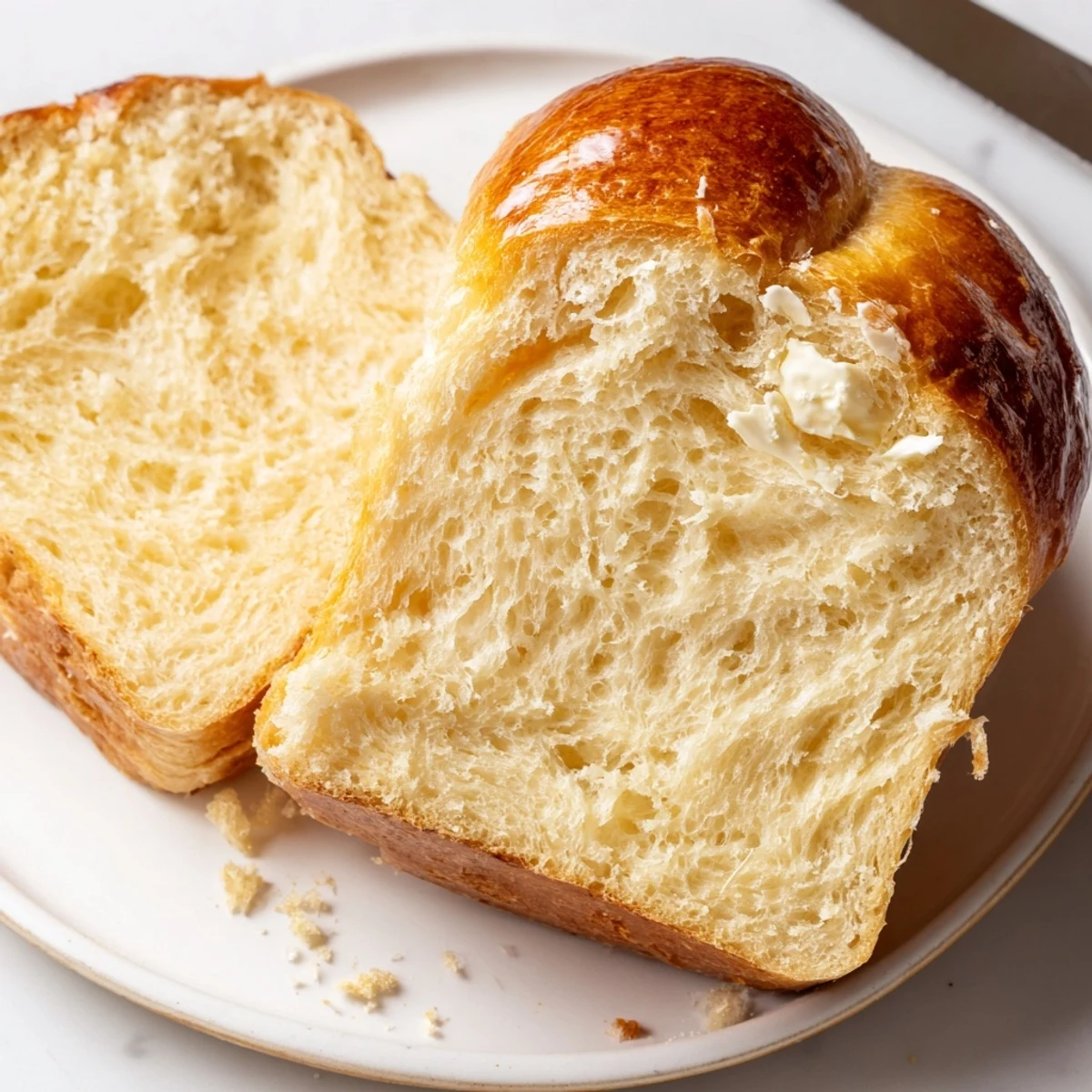
Save The second time I made this bread I pulled it from the oven at midnight and stood alone in the kitchen tearing off warm chunks with bare hands. It was one of those rare cooking moments where nothing else existed except the bread, the silence, and the soft hiss of steam escaping the crust.
Variations Worth Trying
Swap half the bread flour for whole wheat if you want a heartier loaf with a nuttier flavor, though the crumb will be slightly denser. For a sweeter direction, fold chocolate chips or dried cranberries into the dough during shaping and watch them melt into pockets of richness. I once added orange zest and a handful of golden raisins and the result tasted like something from a Parisian bakery window.
Tools That Make a Difference
A stand mixer saves your arms during the long knead but a wooden spoon and determination work just as well. A loaf pan gives you those perfect sandwich shaped slices while a baking sheet lets you make a free form braid that looks stunning on a table. The pastry brush matters more than you think since a proper egg wash requires even coverage for that professional shine.
Serving and Storing
This bread stays soft for about two days wrapped tightly at room temperature, though it rarely lasts that long in my household. Toasted slices with salted butter and strawberry jam make the best quick breakfast imaginable.
- Freeze sliced portions in a zip bag for up to one month and toast straight from frozen.
- Day old brioche is ideal for bread pudding or the richest French toast you will ever make.
- Always let the loaf cool completely before storing or trapped moisture will make the crust soggy.
 Save
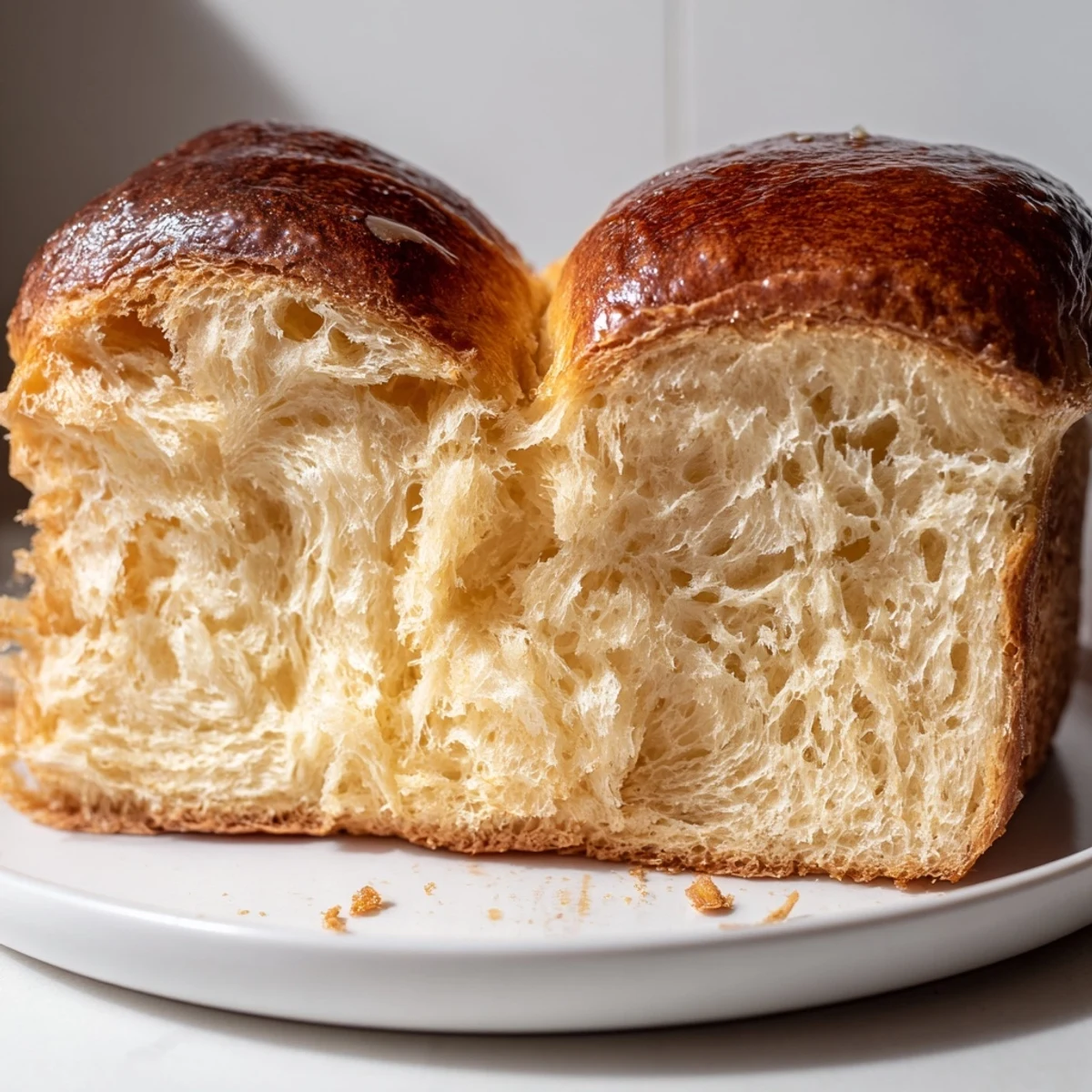
Save Once you master this dough you will find yourself making it on quiet mornings just to fill the house with that unmistakable fragrance of butter and warmth. It turns an ordinary day into something that feels like a small celebration.
Recipe FAQs
- → How long should I knead the dough?
-
Knead 10–15 minutes by hand or with a hook until the dough is smooth, elastic and slightly tacky. Perform a windowpane test: a thin, translucent membrane indicates sufficient gluten development.
- → What’s the best way to incorporate the butter?
-
Add softened butter a few cubes at a time while mixing, allowing each addition to fully incorporate before adding more. This ensures a cohesive, tender crumb without greasy pockets.
- → How do I know when the dough has doubled in size?
-
Look for a visibly puffy, airy dough. Gently press a floured finger into the surface — the indentation should remain or slowly spring back. Typical rise time is 1.5–2 hours in a warm spot.
- → Can I substitute milk or use whole wheat flour?
-
Whole milk yields the richest crumb; full-fat plant milks can be used but may slightly alter browning and flavor. Replacing half the flour with whole wheat gives a heartier loaf; expect a denser texture and slightly longer rise.
- → How can I tell when the loaf is fully baked?
-
Bake until deep golden and the loaf sounds hollow when tapped on the bottom. For an internal check, enriched loaves reach about 92°C (198°F). Allow a short rest in the pan, then cool on a rack before slicing.
- → What’s the best way to store and refresh the bread?
-
Store wrapped at room temperature for 2–3 days or freeze slices up to 3 months. Reheat in a low oven or toaster to revive the crust and restore a tender interior.