
 Save
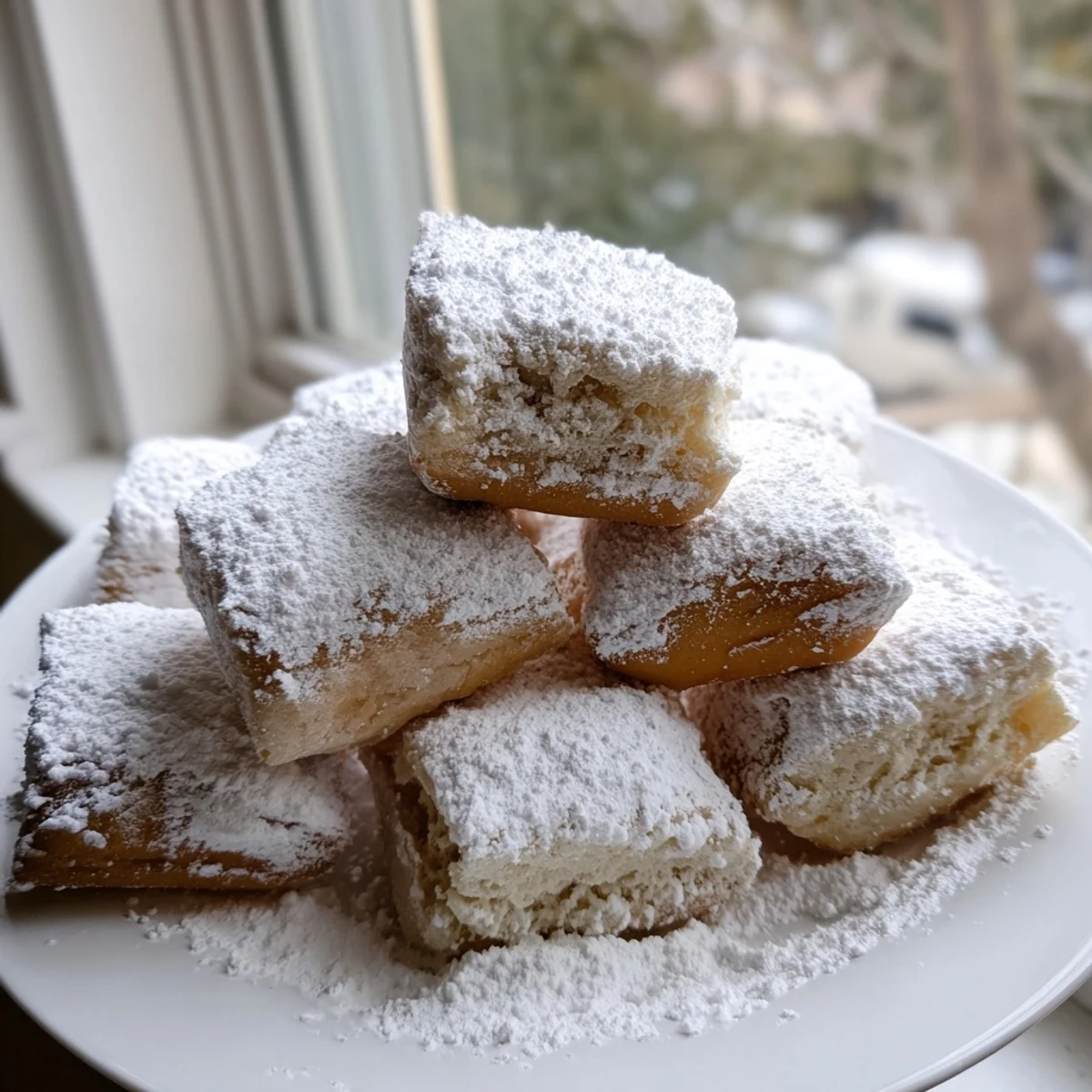
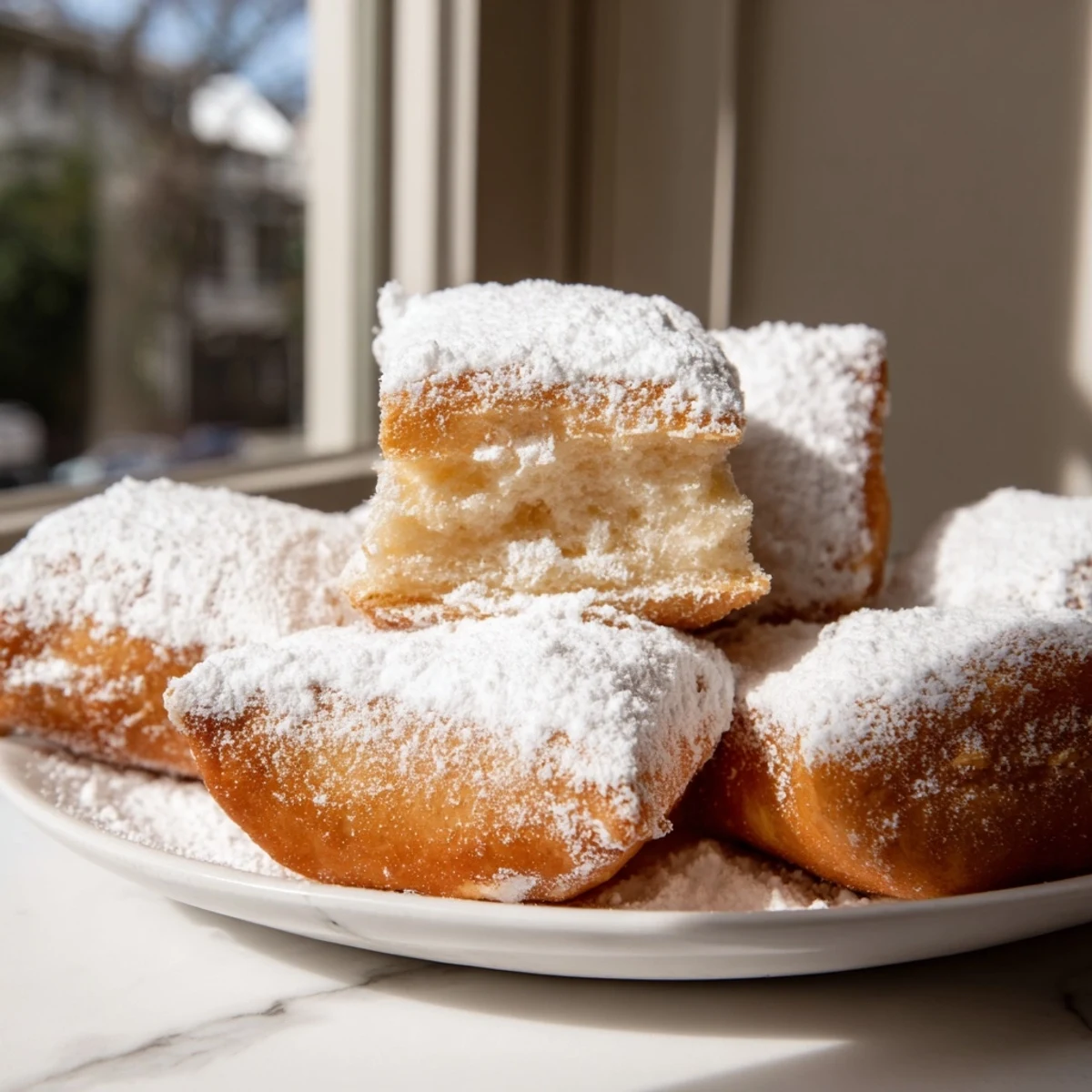
Save These fluffy beignets bring the festive spirit of Mardi Gras to your table, showcasing pillowy dough fried until golden and generously dusted with powdered sugar. The dough is prepared with active dry yeast, milk, eggs, and butter, creating a tender texture with a gentle sweetness. After rising, the dough is rolled, cut into squares, and fried to achieve a crispy exterior while remaining soft inside. Serve warm, dusted with powdered sugar for an authentic New Orleans treat perfect for celebrations or a cozy indulgence.
The air in our kitchen filled with the most incredible aroma when I first tried making beignets during a rainy weekend. My grandmother had told me stories about standing in line at Café du Monde, waiting for those paper bags filled with warm, sugar-dusted squares. I was determined to recreate that magic at home, even though I'd never worked with yeast dough before. The first batch came out slightly misshapen, but that first bite—crisp outside, cloud-soft inside—transported me straight to the French Quarter.
Last year during Mardi Gras season, I made three batches back to back for a group of friends who'd never tried them. Their eyes widened as the first batch hit the powdered sugar, coating everything in sight including our countertops and shirts. We stood around the stove, eating them warm, fingers sticky, laughing through clouds of sugar dust. Someone mentioned they tasted better than anything they'd had in New Orleans, and I beamed like I'd invented fried dough myself.
Ingredients
- All-purpose flour: The foundation that creates structure while keeping the interior tender and light
- Whole milk: Adds richness and helps activate the yeast—lukewarm is the sweet spot
- Unsalted butter: Softened butter incorporates beautifully into the dough for subtle flavor
- Granulated sugar: Feeds the yeast and adds just enough sweetness to balance the savory notes
- Active dry yeast: The magic ingredient that creates those signature air pockets inside each beignet
- Large eggs: Room temperature eggs blend seamlessly and add structure to the dough
- Salt: Enhances all the flavors and keeps the dough from tasting flat
- Vanilla extract: A whisper of aromatic warmth that elevates the simple dough
- Vegetable oil: Neutral flavor lets the beignets shine while creating that crisp exterior
- Powdered sugar: The finishing touch that makes these instantly recognizable and irresistible
Instructions
- Wake up the yeast:
- Combine lukewarm milk with yeast in a small bowl and watch it come alive—five minutes of patience rewards you with a frothy, bubbly mixture that promises perfectly puffed beignets
- Build the base:
- Beat eggs with sugar, softened butter, and vanilla until everything's smoothly incorporated and the mixture looks pale and creamy
- Combine and mix:
- Pour in that activated yeast mixture, stir in the salt, then gradually add half the flour until the dough starts coming together
- Form the dough:
- Add remaining flour slowly, mixing until you have a sticky dough that holds together—this moisture is exactly what creates those pillowy centers
- Knead with love:
- Turn onto a floured surface and knead for five to six minutes, feeling the dough transform from shaggy to smooth and elastic under your hands
- Let it rise:
- Place in a greased bowl, cover with a damp cloth, and find the warmest spot in your kitchen—time is your friend here as the dough doubles in size
- Roll and cut:
- Punch down gently, roll to half-inch thickness, and cut into two-and-a-half-inch squares with confidence—imperfections just make them look more authentic
- Heat the oil:
- Bring your oil to 350°F, using a thermometer if you have one, because the right temperature means crisp outsides and fully cooked insides
- Fry to golden perfection:
- Cook in batches, turning once, watching them puff dramatically and turn golden brown—one to two minutes per side is all it takes
- Sugar shower:
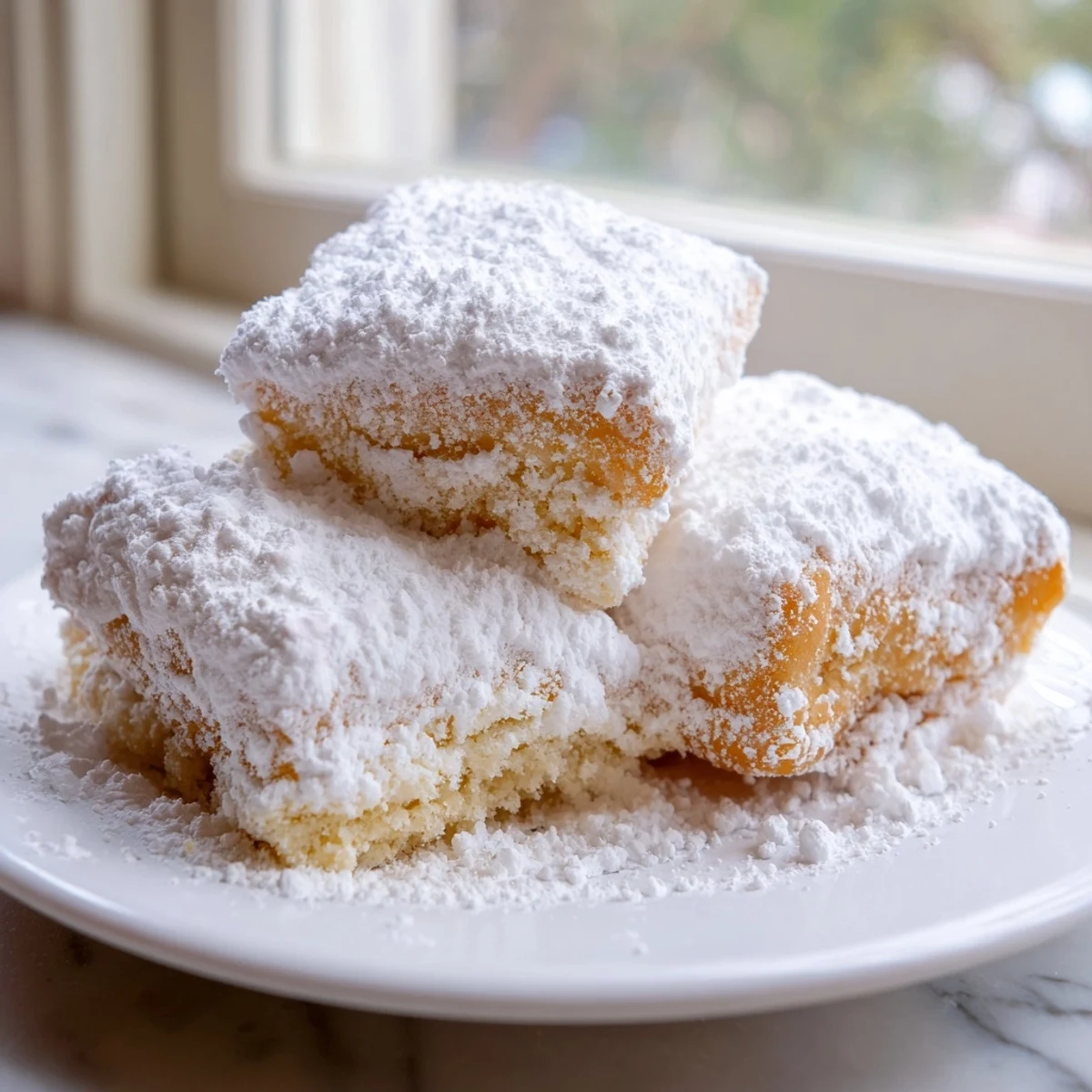
- Let them drain briefly on paper towels, then while still warm, coat generously with powdered sugar until they look like fresh snowfall
 Save
Save These beignets became my go-to comfort food during a particularly difficult winter. There was something meditative about the process—mixing, waiting, frying—that slowed down time and gave me something tangible to create. Friends started requesting them for brunch, then birthdays, then just because. The ritual of standing over hot oil, watching dough transform into something magical, became my favorite way to show people I care.
The Art of Frying
Deep frying can feel intimidating, but it's actually quite forgiving once you understand the basics. I've found that a heavy-bottomed Dutch oven holds heat beautifully and prevents those dramatic temperature spikes that can ruin a batch. Listen for the gentle sizzle—that's the sound that tells you everything's working perfectly. And don't crowd the pot; beignets need room to puff and float freely.
Making Them Your Own
While traditional beignets are perfect as-is, I've discovered wonderful variations over the years. A pinch of cinnamon in the dough adds warmth, while a drop of almond extract in the sugar coating creates an entirely different experience. Some mornings I'll serve them with homemade raspberry jam on the side, letting the tart fruit balance all that sweetness.
Serving Suggestions
New Orleans tradition pairs beignets with chicory coffee, and honestly, that bitter, rich complement is absolute perfection. I've also found they're wonderful with a simple cup of strong black tea or even a glass of cold milk for the kids. The key is serving them immediately—they're never better than the moment they leave the fryer.
- Set up a powdered sugar station where guests can add extra to their liking
- Have plenty of napkins ready—this is wonderfully messy food
- Consider doubling the recipe because they disappear faster than you'd expect
 Save
Save There's pure joy in making something so simple that brings so much happiness to a table. These beignets have become more than a recipe in our home—they're a reminder that some of the best things in life are made with patience, warmth, and a generous dusting of sugar.
Recipe FAQs
- → What is the best oil for frying these beignets?
-
Vegetable oil is ideal due to its high smoke point and neutral flavor, ensuring crispy, golden beignets without overpowering taste.
- → How do I know when the dough has risen enough?
-
The dough should double in size after resting in a warm place for about 1 to 1.5 hours, indicating it's ready for shaping and frying.
- → Can I add flavors to the dough?
-
Yes, a pinch of cinnamon or a dash of vanilla extract enhances the flavor and adds a warm, aromatic touch.
- → How thick should I roll the dough before frying?
-
Roll the dough to about 1/2-inch thickness to achieve the classic airy texture with a slightly crisp outside.
- → What is the ideal frying temperature?
-
Maintain the oil at 350°F (175°C) for even frying that produces golden brown, fluffy beignets.
- → Are there alternatives for dairy ingredients?
-
Substitute plant-based milks and butter for a dairy-free version while keeping the dough tender and flavorful.