
 Save
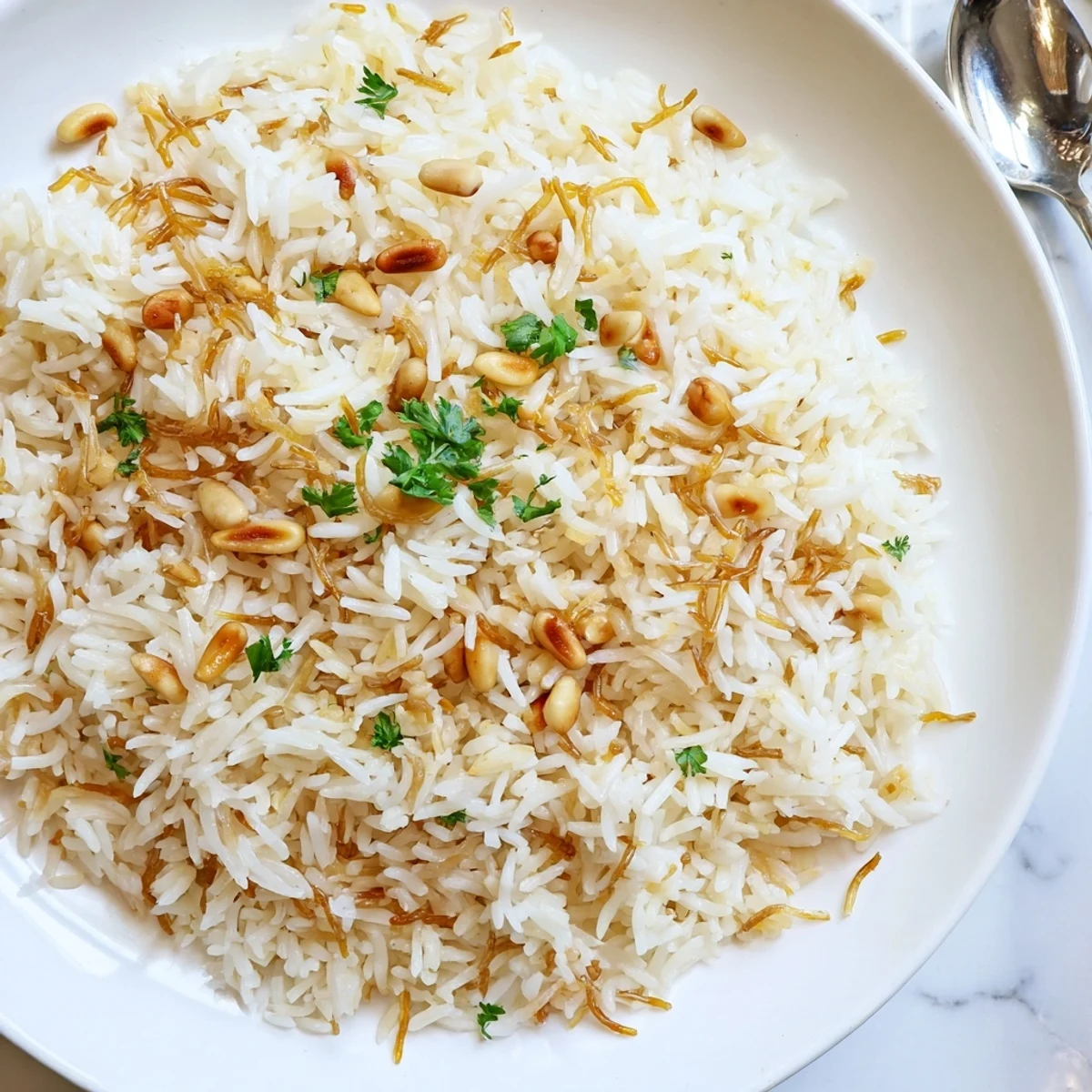
Save This classic Lebanese side combines long-grain white rice with toasted vermicelli noodles, butter, and olive oil for a fragrant, fluffy result.
The vermicelli is browned in butter until golden, then the rice is coated in the rich fat before simmering in seasoned water or broth. After a brief rest, the rice is fluffed with a fork for the perfect light texture.
Ready in just 30 minutes, it pairs beautifully with grilled meats, stews, or roasted vegetables. Customize it with toasted pine nuts or swap the butter for olive oil to make it vegan.
The smell of butter toasting tiny golden noodles will forever pull me back to my friend Hana's apartment on a rainy Tuesday evening when she insisted this humble rice would change how I thought about side dishes forever. She was right. That first forkful was nutty, buttery, and impossibly light, nothing like the clumpy rice I had tolerated my entire life. Lebanese rice is deceptively simple but the technique transforms a few pantry staples into something truly special.
I brought a pot of this to a backyard barbecue last summer and watched three grown men skip the grilled lamb to go back for thirds of the rice. There is something about those golden toasted noodles that makes people suspiciously quiet while they eat. My sister now texts me every week asking for the recipe even though I have sent it to her at least eight times.
Ingredients
- Long-grain white rice (1 cup): Basmati is ideal here because the long separate grains create that signature fluffiness and rinsing until the water runs clear is nonnegotiable for removing excess starch.
- Vermicelli noodles (1/2 cup, broken into 1-inch pieces): These little noodles are the heart and soul of this dish and they toast up into golden crispy bits of nutty goodness throughout the rice.
- Unsalted butter (2 tablespoons): Butter gives the rice its rich mouthfeel and helps the vermicelli brown evenly so do not skimp on this.
- Olive oil (1 tablespoon): The oil prevents the butter from burning during the toasting step and adds a subtle fruity note.
- Water or low-sodium chicken broth (2 cups): Broth adds a savory backbone but water works beautifully when you want the butter and noodle flavors to shine on their own.
- Salt (1 teaspoon): This amount is calibrated for two cups of liquid and ensures every grain is seasoned through.
- Ground white pepper (1/4 teaspoon, optional): A gentle warmth that does not overpower and keeps the rice looking pristine white.
Instructions
- Wash the rice clean:
- Place the rice in a fine-mesh sieve and rinse under cold running water, swishing it around with your fingers, until the water turns from cloudy to completely clear. This step is the single biggest secret to achieving separate fluffy grains rather than a gummy mess.
- Toast the vermicelli:
- Melt the butter with the olive oil in a medium saucepan over medium heat, then add the broken vermicelli pieces and stir constantly for two to three minutes until they turn a deep golden brown. Keep your eyes on the pan because those little noodles go from perfectly toasted to burnt in seconds and your nose will tell you the moment they shift.
- Coat the rice:
- Add the drained rice to the pan and stir gently for about a minute until every single grain glistens with butter and oil. This coating step creates a protective layer on each grain that helps them cook up light and separate.
- Build the liquid:
- Pour in the water or broth, add the salt and white pepper, and let everything come to a rolling boil while giving it one final gentle stir. You will hear the liquid bubbling up around the toasted noodles and that sound means everything is working.
- Steam to perfection:
- Reduce the heat to the lowest setting, clamp on the lid, and walk away for exactly fifteen minutes while the rice absorbs every drop of liquid. Resist every urge to lift the lid and peek because that steam is doing important work inside.
- Rest and fluff:
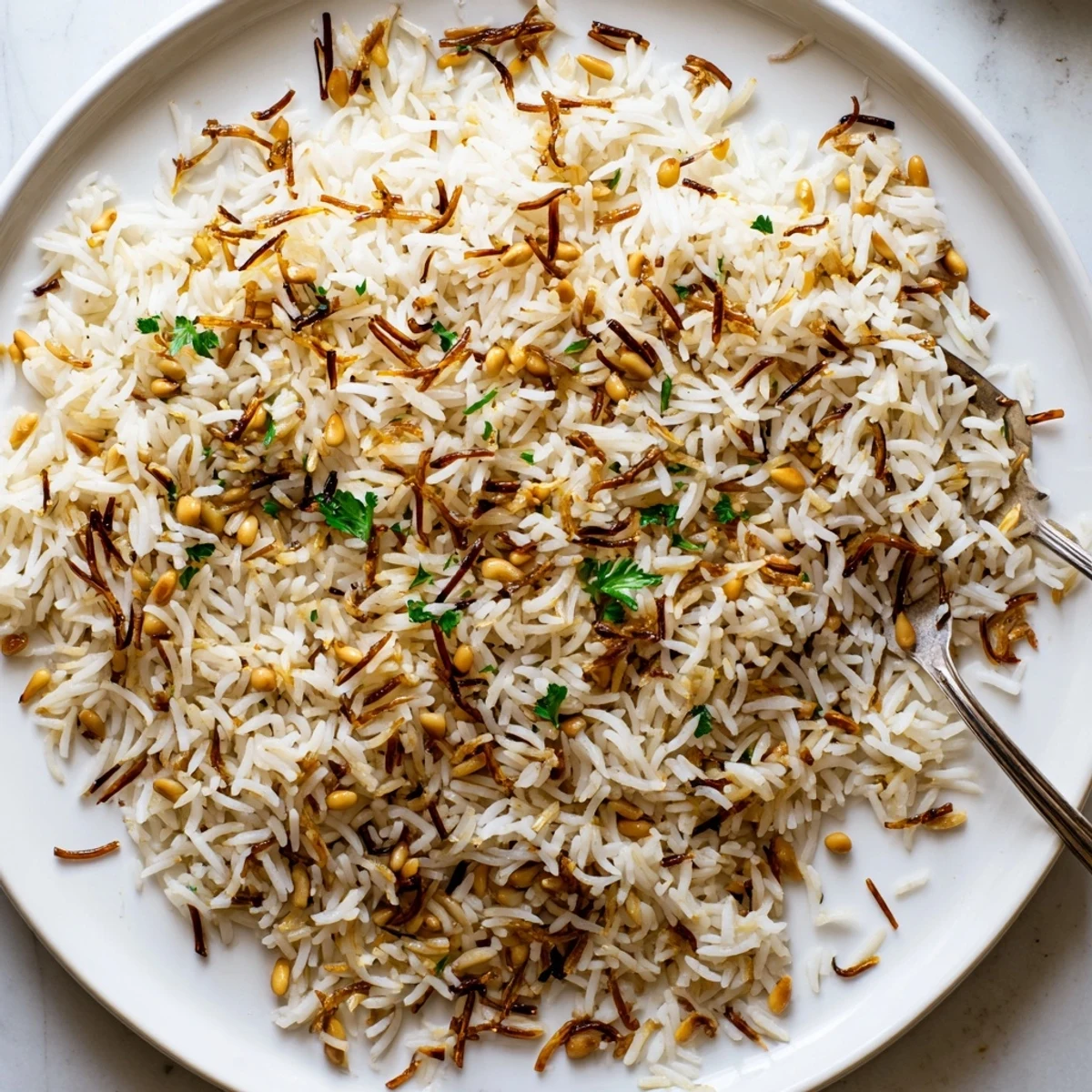
- Take the pan off the heat but leave the lid on for five more minutes so the grains can settle and firm up, then use a fork to gently fluff the rice from the bottom up. You will see those gorgeous golden noodles woven through pristine white rice and it will be hard not to eat it straight from the pot.
 Save
Save There was a night when my neighbor knocked on my door to return a borrowed pan and caught me standing at the stove eating this rice directly from the pot with a serving fork. She laughed, I offered her a bite, and we ended up sitting on the kitchen floor polishing off the entire batch while her pan sat forgotten by the door.
Getting the Toast Right Every Time
The color of your toasted vermicelli determines the depth of flavor in the finished dish, so aim for a warm amber rather than pale blonde or dark brown. I learned through several smoky kitchen incidents that medium heat is your friend and a wooden spoon gives you better control than a spatula for keeping those tiny pieces moving.
Making It Your Own
This rice welcomes adaptations beautifully and I have stirred in everything from toasted pine nuts to a pinch of cinnamon depending on what the main dish calls for. A handful of chopped fresh parsley folded in at the end turns it into something that looks elegant enough for a holiday table without any extra effort.
What to Serve Alongside
Think of this rice as the most agreeable guest at any dinner table because it sits happily beside grilled meats, scoops up every last bit of a rich stew, and even makes roasted vegetables feel like a complete meal. I always make a double batch because the leftovers warm up perfectly the next day with a splash of water and a lid on the pan.
- Pair it with kibbeh or lamb kebabs for a traditional Lebanese spread that feels like a feast.
- Serve it under a ladle of hearty tomato stew and let the rice soak up all those concentrated juices.
- Remember that this rice is best served warm because the butter firms up as it cools and changes the texture.
 Save
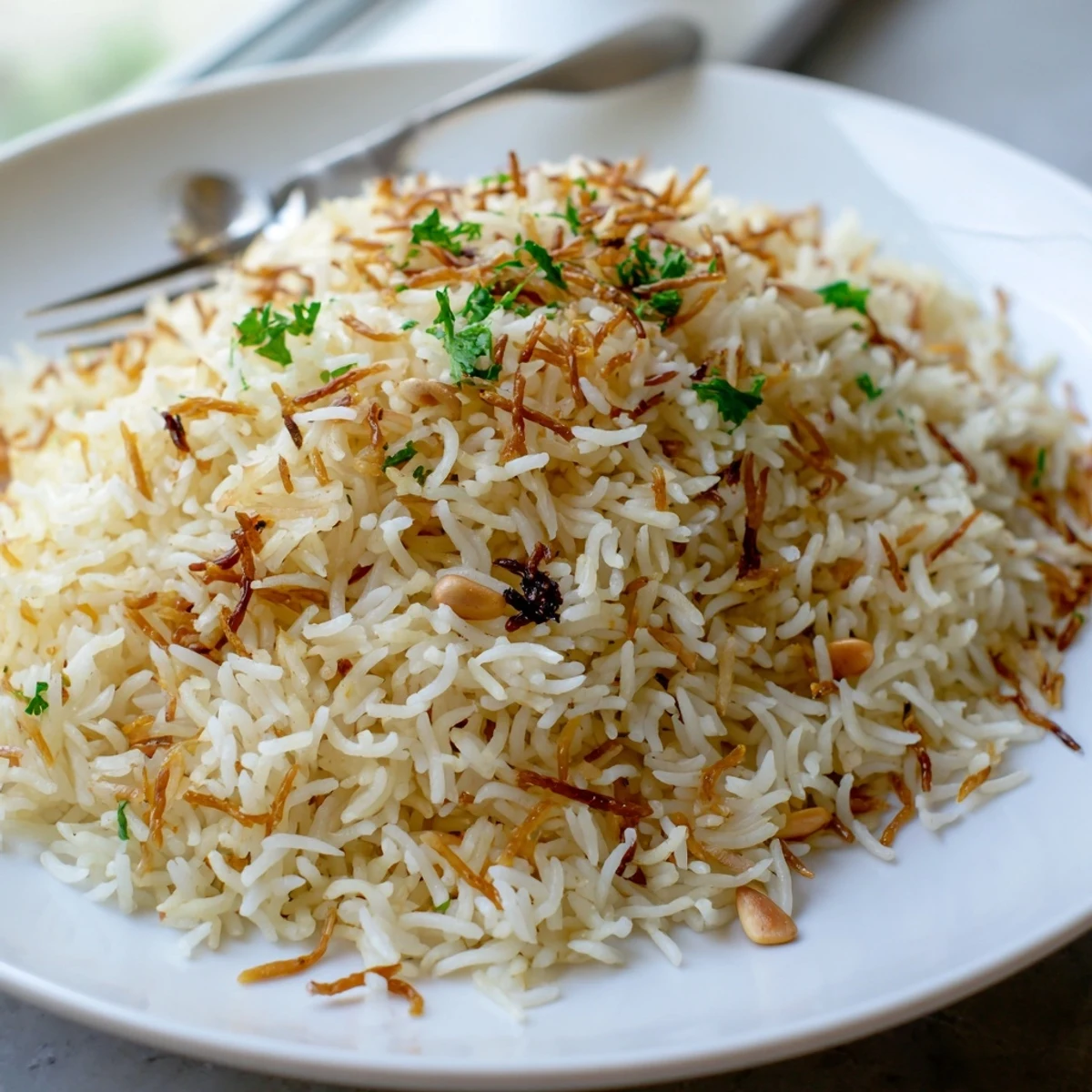
Save Some recipes earn a permanent spot in your kitchen not because they are impressive but because they make everything else on the plate taste better. This Lebanese rice does exactly that, and once you make it the first time you will understand why it has been a cornerstone of Middle Eastern cooking for generations.
Recipe FAQs
- → What type of rice works best for Lebanese rice?
-
Long-grain white rice such as basmati or jasmine is ideal. These varieties cook up fluffy and separate, which is the signature texture of this dish. Avoid short-grain or arborio rice as they become too sticky.
- → Why do you toast the vermicelli noodles before cooking?
-
Toasting the vermicelli in butter and olive oil until golden brown adds a nutty, caramelized flavor and a slight crunch that defines this dish. It also helps the noodles hold their texture during the simmering process.
- → Can I make Lebanese rice without butter?
-
Yes, you can replace the butter with additional olive oil or a plant-based butter for a vegan version. The flavor will be slightly less rich, but the dish remains delicious with the toasted vermicelli providing plenty of character.
- → Why do I need to rinse the rice before cooking?
-
Rinsing removes excess surface starch that causes the grains to clump together and become gummy. Rinse under cold water until it runs clear for the fluffiest, most separate grains.
- → What should I serve with Lebanese rice?
-
This versatile side pairs well with grilled meats like lamb or chicken, Middle Eastern dishes such as kibbeh, vegetable stews, or roasted vegetables. Sprinkle toasted pine nuts on top for added crunch and presentation.
- → How do I store and reheat leftover Lebanese rice?
-
Store cooled rice in an airtight container in the refrigerator for up to 4 days. To reheat, sprinkle a few drops of water over the rice and warm it in the microwave or on the stovetop covered, fluffing with a fork before serving.