
 Save
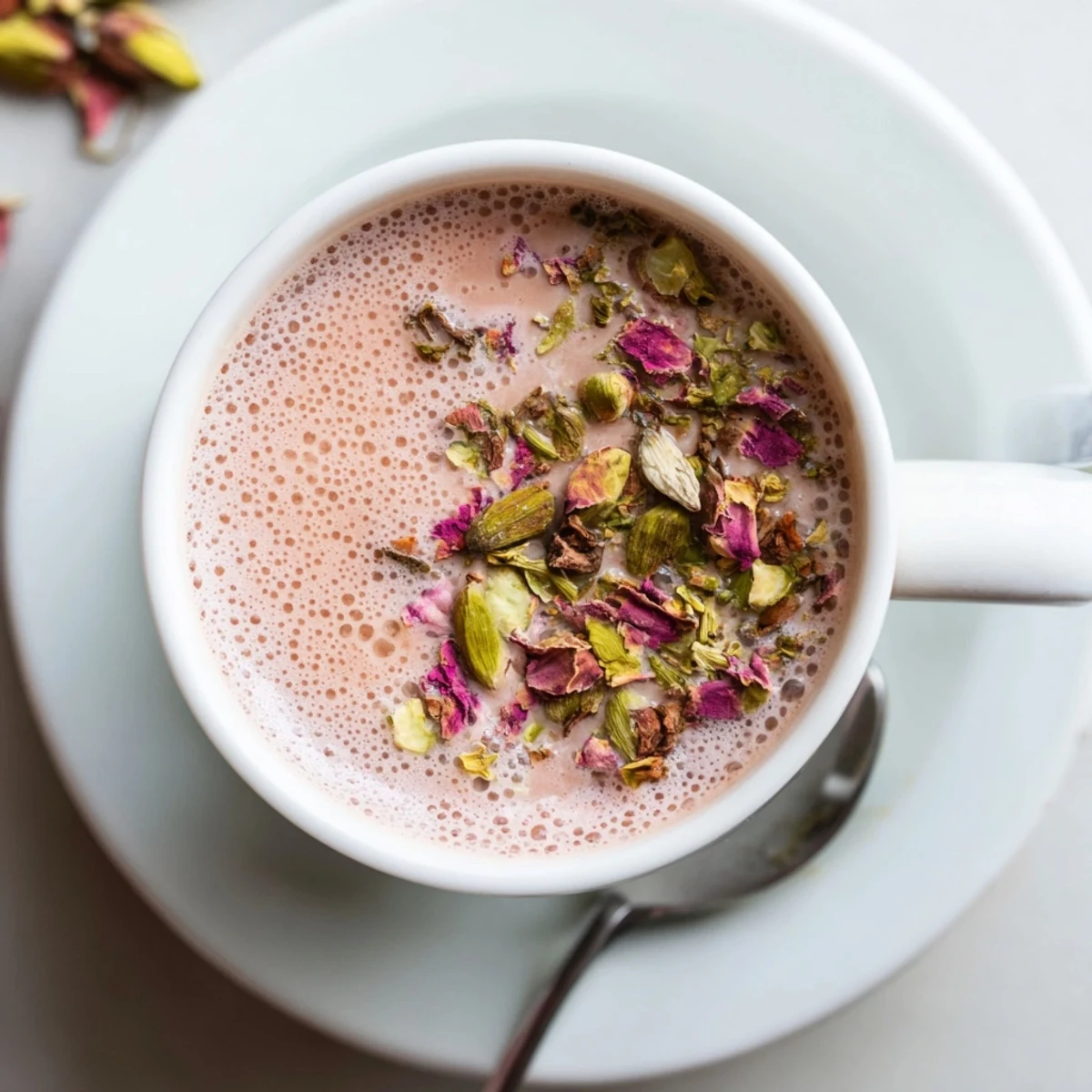
Save This Kashmiri pink chai combines green tea leaves, cardamom, cinnamon and a pinch of baking soda simmered until deeply colored. Cold water and vigorous aeration create the blush hue; then milk is added and gently simmered to develop a creamy pink infusion. Strain, sweeten to taste and garnish with chopped pistachios and dried rose petals for a warm, fragrant cup.
The snow was coming down sideways the afternoon a friend handed me a cup of something I had never seen before, a tea the color of rose quartz that smelled like cardamom and warm milk and something I could not quite name. One sip and I was chasing the recipe for weeks, failing repeatedly until a Kashmiri neighbor watched my attempt and gently told me I was rushing the aeration. That conversation changed everything about how I approach this chai.
I made a batch for a holiday gathering and watched three skeptical relatives go from what is that pink stuff to pouring themselves seconds before the night was over. The pistachios floating on top and the faint whisper of star anise make it feel like something served at a ceremony rather than just an afternoon drink.
Ingredients
- Kashmiri green tea leaves (2 tablespoons): These are not your everyday green tea bags, seek out loose Kashmiri leaves at an Indian grocer because they carry the earthy depth this recipe depends on.
- Baking soda (1/4 teaspoon): This tiny amount triggers the chemical reaction with the tea that eventually produces the signature blush, so do not skip or overdo it.
- Green cardamom pods (2 to 3, crushed): Lightly smashing them releases the oils and fills your kitchen with a sweetness no ground cardamom can replicate.
- Cinnamon stick (1 small): A whole stick infuses gently without overpowering the more delicate spices.
- Star anise (1, optional): It adds a subtle licorice warmth that rounds out the flavor beautifully if you enjoy that note.
- Cold water (4 cups): Starting cold ensures the tea leaves release their compounds slowly and evenly.
- Whole milk (2 cups): Full fat milk gives the chai its velvety body, though almond or oat milk works if you need a dairy free version.
- Sugar (2 tablespoons or to taste): Kashmiri chai is traditionally less sweet than masala chai, so start light and adjust.
- Pinch of salt: This sounds odd in tea but salt is what makes this Noon Chai authentic and balances the sweetness perfectly.
- Chopped pistachios and almonds (2 tablespoons): The crunch on top is half the joy, so do not leave them out.
- Dried rose petals (optional garnish): Scatter these on top and suddenly you are serving poetry in a cup.
Instructions
- Build the base:
- Combine cold water, tea leaves, crushed cardamom, cinnamon, star anise if using, and baking soda in a heavy bottomed pot and set it over medium heat until it begins to murmur and boil.
- Reduce and deepen:
- Lower the heat and let the mixture simmer vigorously for 20 to 25 minutes, stirring often, until the liquid shrinks by roughly half and transforms into a deep burgundy liquid that looks nothing like pink yet.
- Aerate with conviction:
- Add a cup of cold water, then use a ladle to scoop and pour the tea back into the pot repeatedly for 5 to 6 minutes, or whisk aggressively, watching the color begin its magical shift toward pink as oxygen works into the liquid.
- Season and add milk:
- Stir in the pinch of salt, then pour in the milk slowly while stirring, and let everything simmer together for another 10 to 15 minutes until the chai turns that gorgeous blush you have been waiting for.
- Strain and sweeten:
- Pour the chai through a fine mesh strainer into cups, stir in sugar to your liking, and top each cup with chopped nuts and a scatter of rose petals before serving hot.
 Save
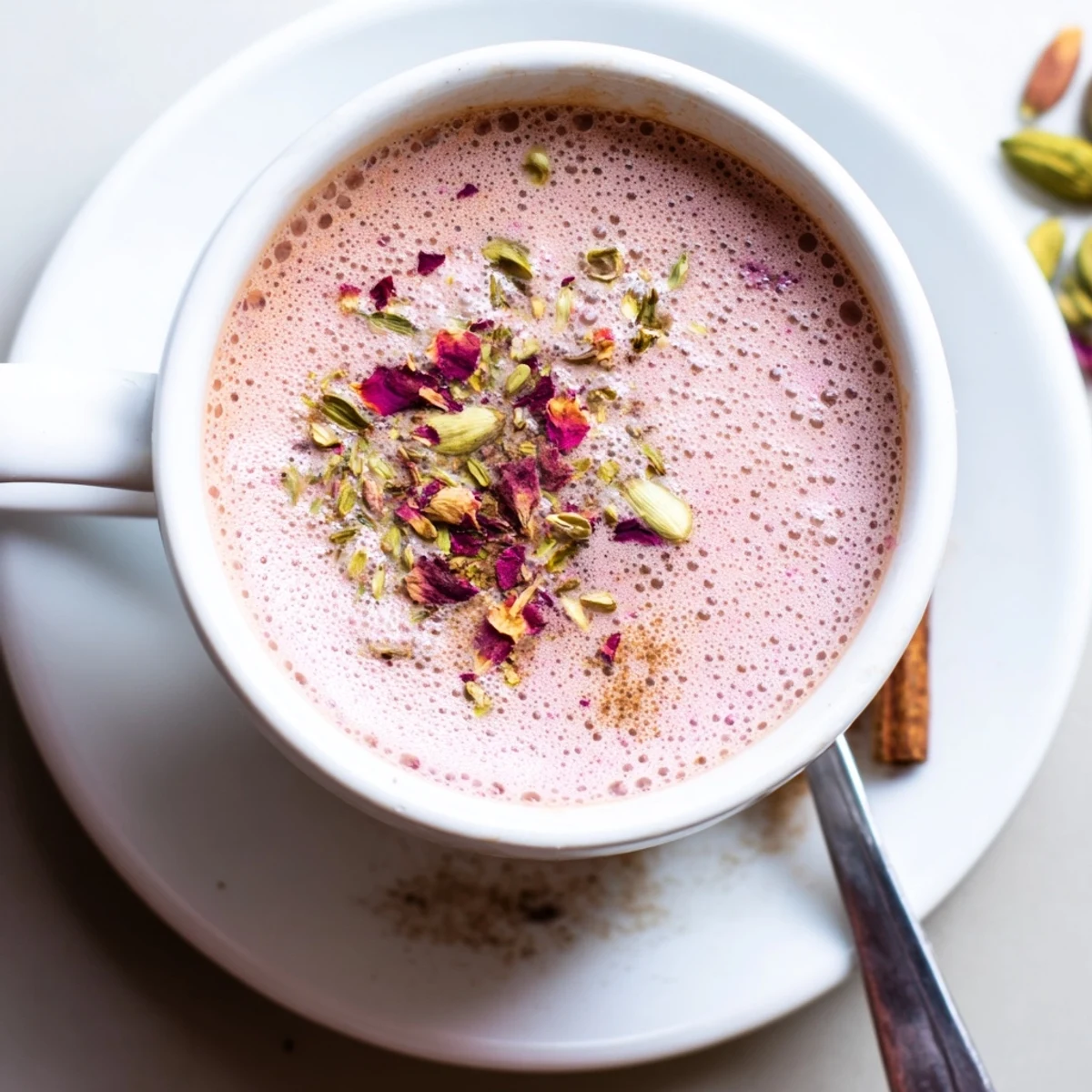
Save On a rainy Sunday last March I poured a cup for myself and sat by the window doing absolutely nothing else, and that quiet half hour with this warm blushing tea remains one of the most peaceful moments of my year.
What to Serve Alongside It
Traditional Kashmiri bakers make a crisp bread called lavasa or tchot that is meant to be dunked directly into this chai, and once you try that combination you will understand why it has endured for generations. Shortbread cookies or even plain buttered toast make worthy stand-ins when you do not have access to Kashmiri bread.
Getting the Color Right Every Time
The science is simple but the patience is hard: baking soda reacts with tannins in the tea during the long simmer, and aeration introduces oxygen that pushes the hue toward pink. Your pot choice matters too, since a wider surface area helps evaporation and concentrates the color faster than a tall narrow saucepan.
Storing and Reheating
You can make a concentrated base by stopping before the milk step and refrigerating it for up to three days, then finishing with fresh milk when you are ready to serve. This actually deepens the flavor overnight in a way that tastes even better on day two.
- Store the concentrated base in a glass jar with a tight lid.
- Reheat gently on the stove rather than using a microwave to preserve the frothy texture.
- Always add fresh nuts right before serving so they stay crunchy.
 Save
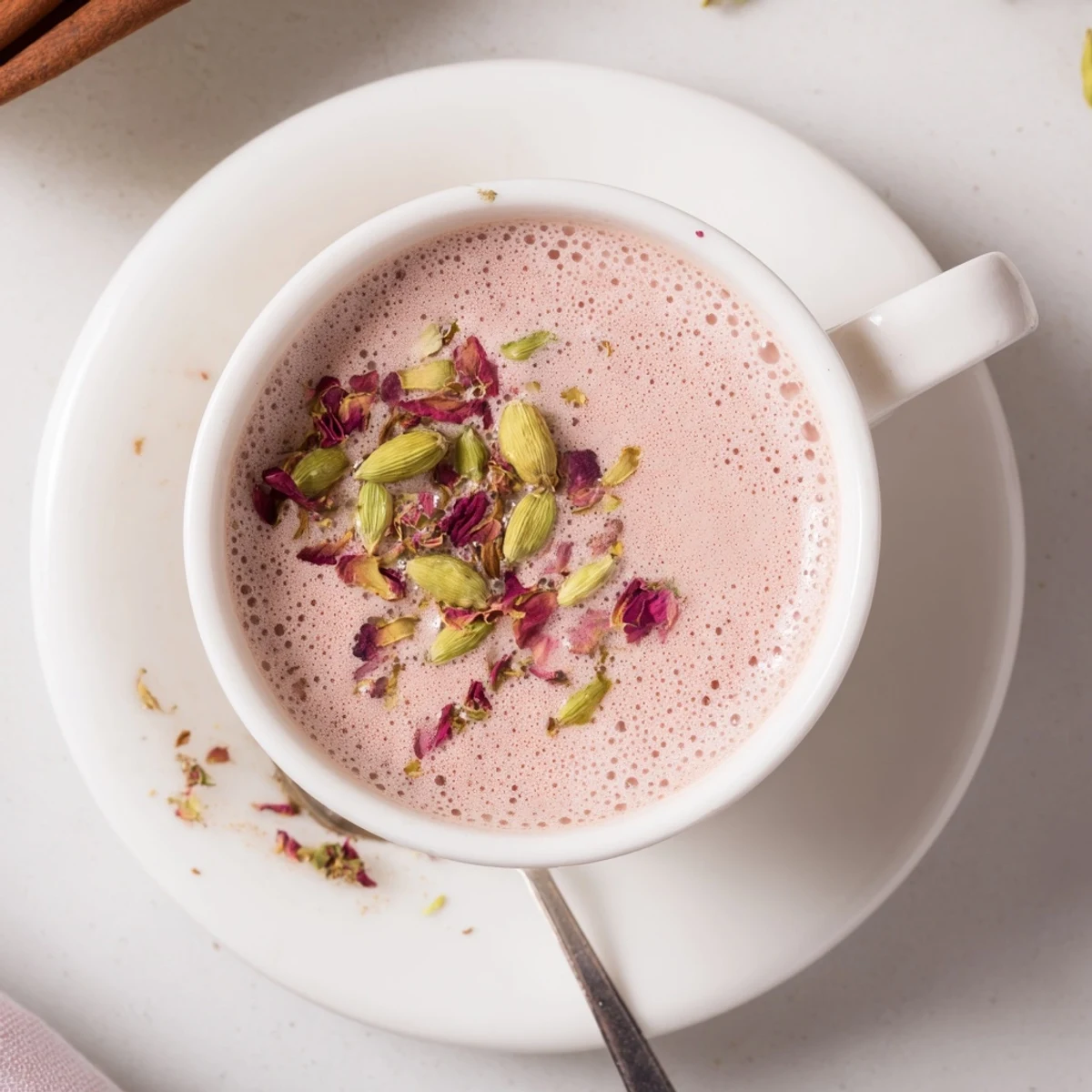
Save Some recipes demand precision and others demand feeling, and Kashmiri Pink Chai asks for a little of both along with the willingness to stand at your stove and pour tea back and forth like a small act of meditation. The reward is a cup so beautiful and fragrant that the effort dissolves with the first sip.
Recipe FAQs
- → Why is baking soda used and how does it affect the color?
-
A small pinch of baking soda raises the liquid's pH, helping compounds in the tea oxidize and shift from burgundy to the characteristic pink when aerated and combined with milk.
- → How do I aerate the tea to get the pink hue?
-
Aerate by scooping and pouring the cooled tea repeatedly or whisking vigorously for several minutes. This introduces oxygen and helps develop the blush color before milk is added.
- → Can I substitute the tea leaves or adjust strength?
-
Use good-quality Kashmiri green tea if possible; if substituting, choose a robust green tea and adjust quantity. Longer simmering concentrates flavor but balance to avoid excessive bitterness.
- → What milk alternatives work for a dairy-free version?
-
Almond or oat milk make good non-dairy options. Use unsweetened versions and simmer gently, as plant milks may separate if boiled aggressively—stir gently while heating.
- → How should I store leftovers and how long do they keep?
-
Cool to room temperature, refrigerate in a sealed container and use within 48 hours. Reheat gently over low heat to avoid curdling; stir before serving and adjust sweetness if needed.
- → Any tips for garnishing and serving?
-
Top each cup with chopped pistachios or almonds and a few dried rose petals for aroma. Serve warm alongside bread or biscuits to complement the spiced, creamy profile.