
 Save
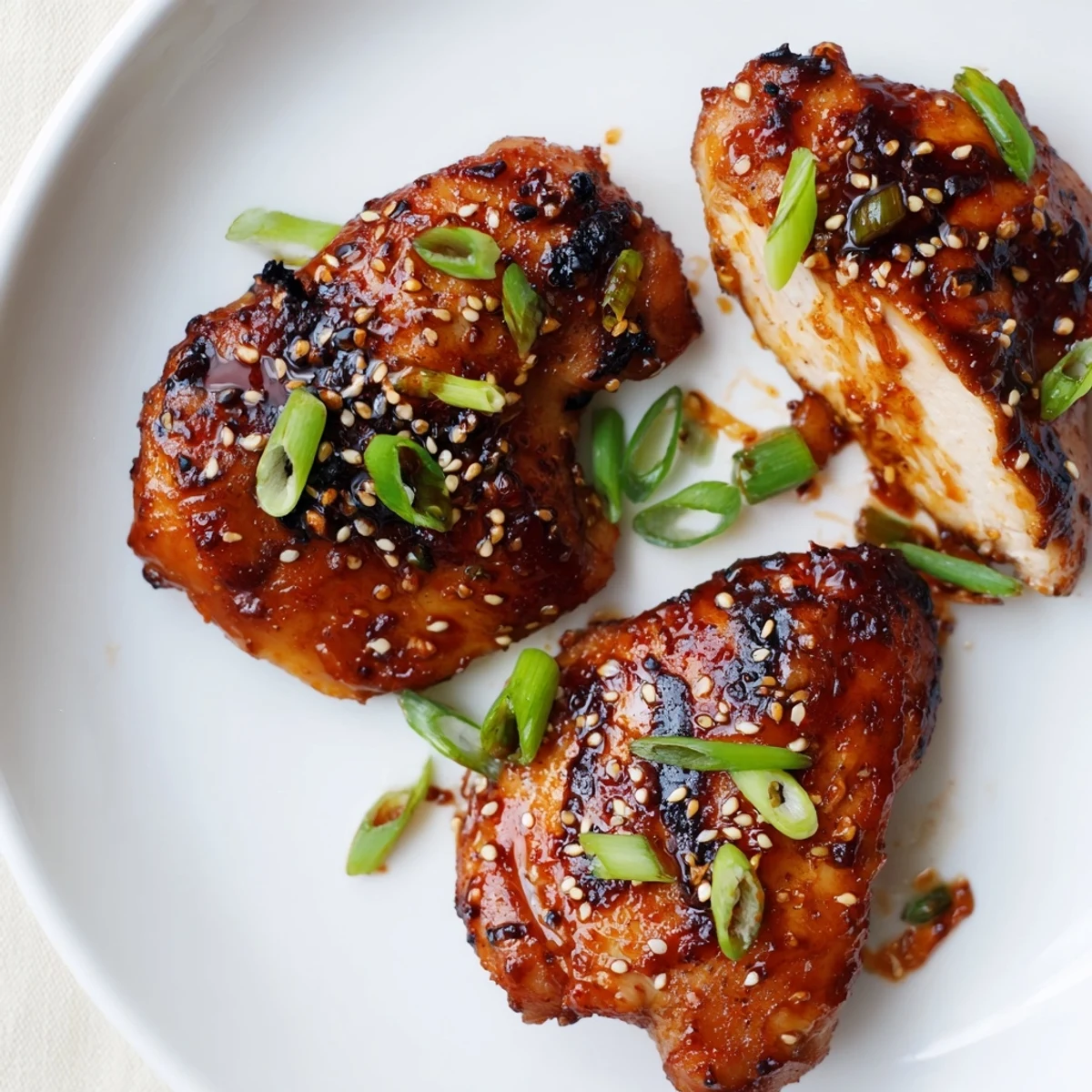
Save Marinate boneless, skinless thighs in soy, honey, sesame oil, garlic, ginger, gochujang and rice vinegar for 30 minutes to 6 hours to develop depth of flavor. Remove excess marinade, then grill over medium-high heat or bake at 425°F (220°C) for 20–25 minutes, turning once, until caramelized and cooked through. Rest briefly, then scatter sesame seeds and sliced green onions and serve with steamed rice or pickled vegetables.
The sizzle of chicken hitting a hot pan on a rainy Tuesday changed my entire week. I had been craving something bold and unapologetic, something that would fill the kitchen with the kind of smell that makes neighbors curious. Korean chicken thighs were the answer I did not know I needed until that first bite of caramelized, glossy meat practically melted off my fork. Now it is the dish I reach for when ordinary will not do.
My roommate walked in halfway through cooking these once and stood silently in the kitchen doorway, eyes closed, just breathing it in. That reaction told me everything I needed to know about what soy, ginger, and sesame oil can accomplish together.
Ingredients
- 8 boneless, skinless chicken thighs (about 1.2 kg): Thighs stay far juicier than breasts and forgiving enough for slightly distracted cooks like me.
- 1/4 cup soy sauce: The salty backbone of the entire marinade, so use a brand you genuinely enjoy.
- 2 tablespoons honey: Helps create that gorgeous sticky glaze and balances the heat beautifully.
- 2 tablespoons sesame oil: Toasted sesame oil specifically, because the untoasted kind will not give you that nutty depth.
- 3 cloves garlic, minced: Fresh is non negotiable here, jarred minced garlic tastes flat by comparison.
- 1 tablespoon fresh ginger, minced: Grate it on the finest holes of your box grater for a paste that blends right in.
- 1 tablespoon gochujang (Korean chili paste): Adds a fermented, sweet heat that nothing else can replicate.
- 1 tablespoon rice vinegar: A tiny hit of acidity that brightens the whole marinade.
- 1 teaspoon toasted sesame seeds: Mixed into the marinade for subtle texture throughout.
- 1/2 teaspoon black pepper: Just enough to warm things up without competing with the gochujang.
- 2 green onions, finely sliced: Into the marinade they go, adding a mild onion freshness.
- Garnish of toasted sesame seeds and sliced green onions: Because eating starts with your eyes.
Instructions
- Whisk the marinade together:
- Combine soy sauce, honey, sesame oil, garlic, ginger, gochujang, rice vinegar, sesame seeds, pepper, and green onions in a bowl. Whisk until the honey dissolves and everything looks rich and unified.
- Coat the chicken:
- Toss the chicken thighs into a large resealable bag or bowl and pour the marinade over every piece. Use your hands to massage it in, making sure no surface is left untouched.
- Let it rest and soak:
- Refrigerate for at least 30 minutes, though a few hours will reward you with deeper flavor that penetrates to the center of each thigh.
- Get your heat ready:
- Preheat your oven to 425 degrees Fahrenheit or fire up the grill to medium high, depending on your mood and the weather outside.
- Cook until caramelized:
- Arrange the chicken on a parchment lined sheet or directly on the grill and cook for 20 to 25 minutes, flipping once halfway through. You are looking for an internal temperature of 165 degrees Fahrenheit and edges that turn dark and sticky.
- Finish and serve:
- Transfer the thighs to a platter and scatter extra sesame seeds and sliced green onions over the top. Serve immediately while the glaze is still glossy and warm.
 Save
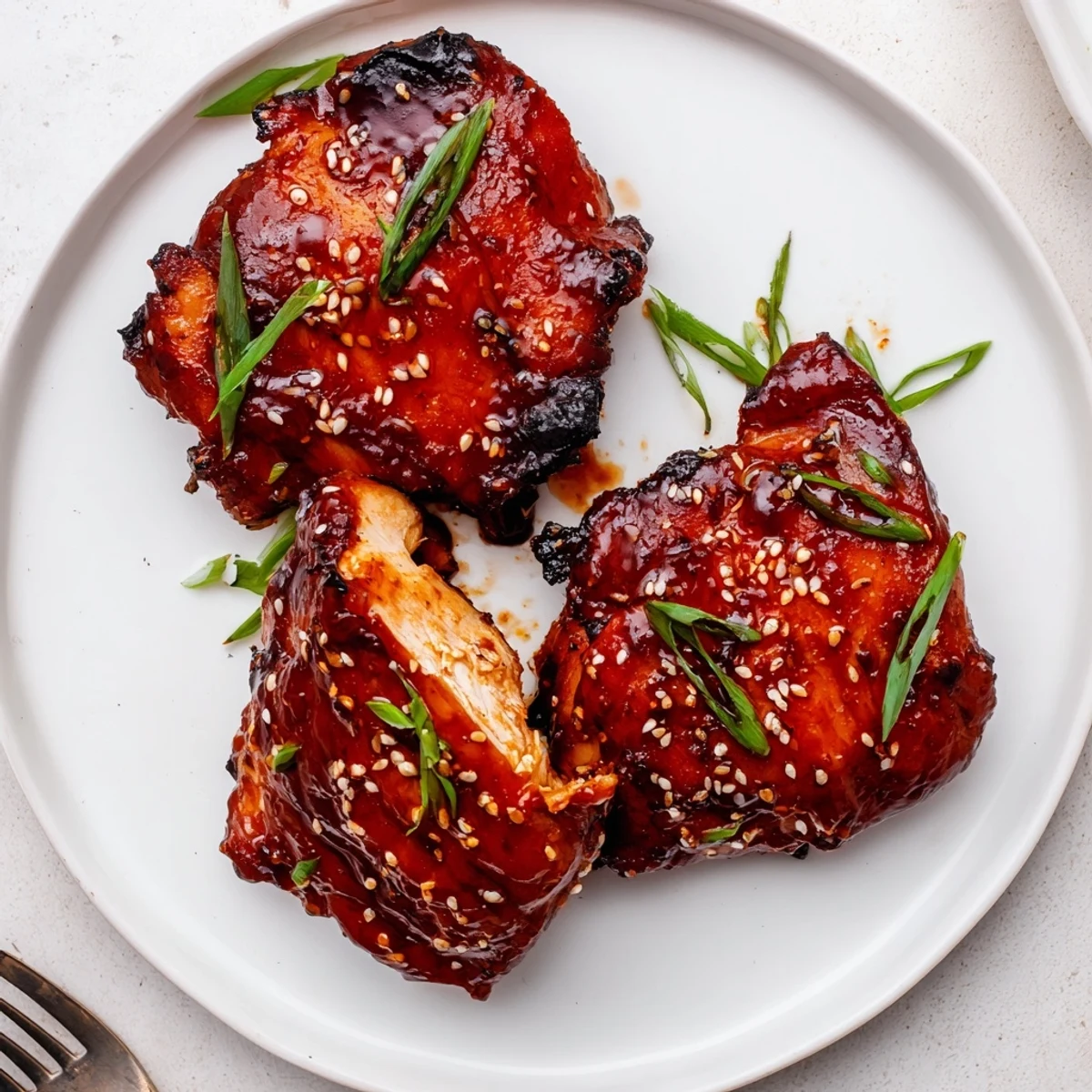
Save Serving this to friends gathered around a cluttered table with steamed rice and cold drinks made me realize how food becomes the excuse for connection.
What to Serve Alongside
Steamed white rice is the obvious and correct choice because it soaks up every bit of that sticky sauce. A side of kimchi adds a crunchy, tangy contrast that cuts through the richness and keeps each bite exciting.
Handling the Heat
Gochujang is more about depth than fire, but if you are cooking for someone heat sensitive, start with half a tablespoon and taste the marinade. You can always add more, but you cannot take it back once it is in there.
Storing and Reheating Leftovers
These thighs reheat beautifully in a skillet over low heat with a splash of water to loosen the glaze back up. They also make an incredible cold lunch the next day, sliced over a bowl of greens.
- Store leftovers in an airtight container in the refrigerator for up to three days.
- Freeze cooked chicken in single portions for quick future meals.
- Always check labels on soy sauce and gochujang if cooking for someone with gluten sensitivities.
 Save
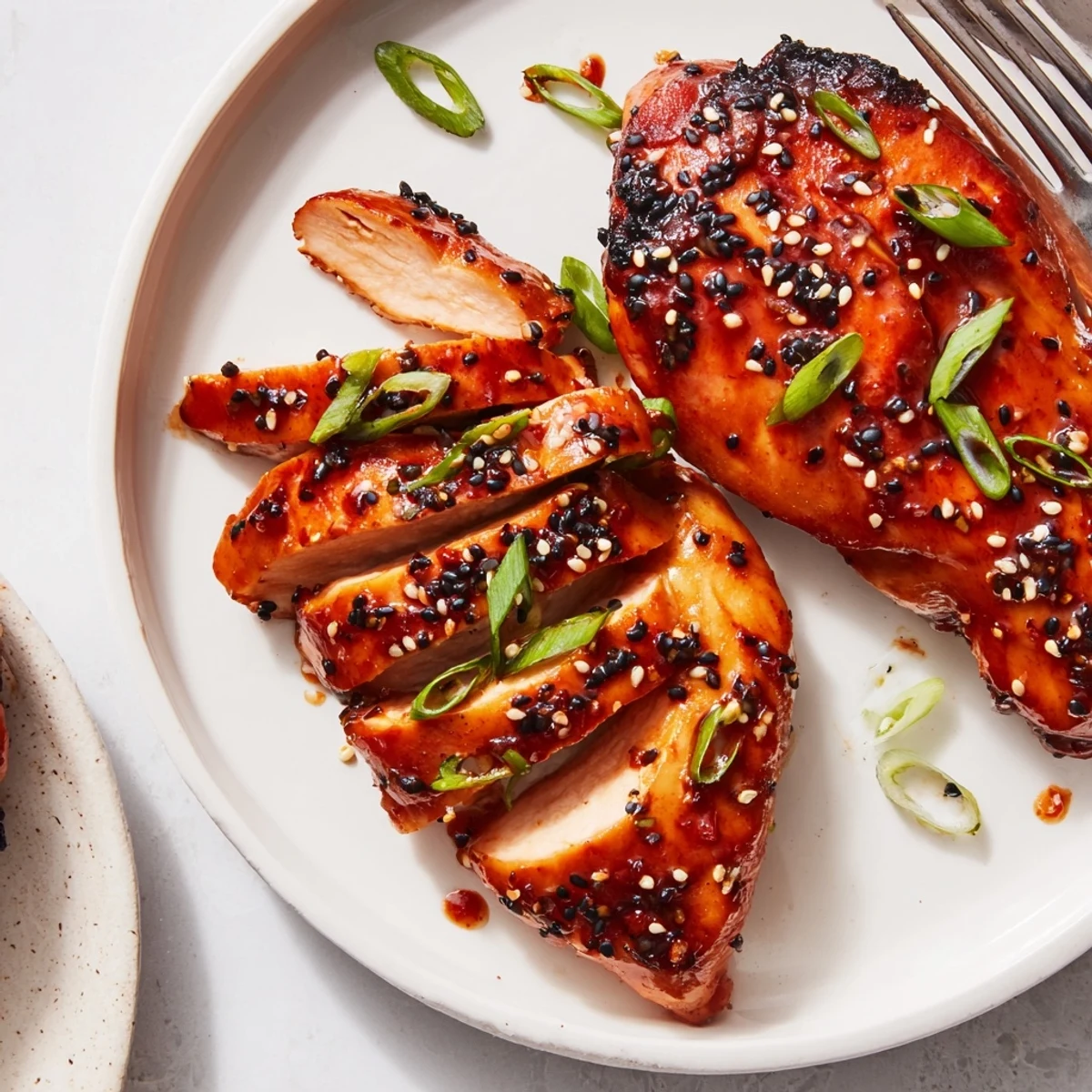
Save This is the kind of recipe that earns a permanent spot in your rotation, the one you memorize and eventually stop measuring entirely. Cook it once and you will see exactly what I mean.
Recipe FAQs
- → How long should I marinate the chicken for best flavor?
-
Marinate at least 30 minutes to let the flavors penetrate; 2–6 hours yields deeper savory-sweet notes without breaking down the texture. Avoid overnight if using lots of acid.
- → Can I use the grill and oven interchangeably?
-
Yes. Grill over medium-high for char and smoke; bake at 425°F (220°C) for even caramelization. Either method benefits from turning once and finishing under high heat for a short broil if desired.
- → How do I get a nice caramelized surface without drying the thighs?
-
Pat excess marinade off before cooking to promote browning. Cook at a high enough heat to caramelize, turn once, and rest briefly so juices redistribute.
- → What can I substitute for gochujang?
-
Use sriracha or a blend of miso and chili paste for a similar balance of heat and umami. Adjust honey and soy to maintain the sweet-salty balance.
- → How should leftovers be stored and reheated?
-
Cool completely, refrigerate in an airtight container for up to 3 days. Reheat gently in a hot oven or skillet to refresh the glaze and avoid drying.
- → Any tips for serving and pairings?
-
Serve with steamed rice, quick pickles or kimchi and a sprinkle of toasted sesame seeds and green onions. Pairs well with light white wine or crisp lager to balance the spice and sweetness.