
 Save
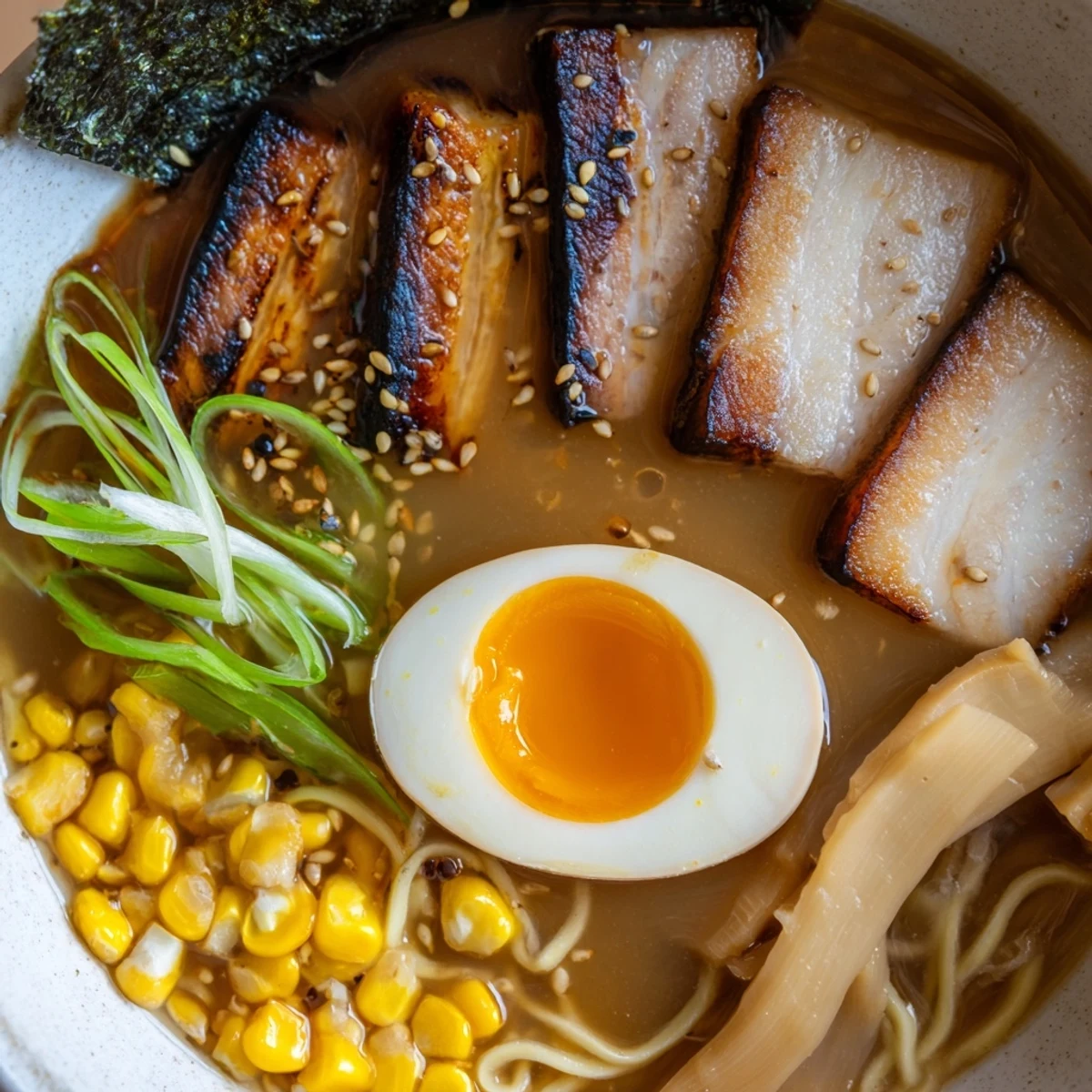
Save This Japanese ramen brings together a deeply savory broth infused with garlic, ginger, miso, and soy sauce, creating a rich foundation for springy fresh noodles.
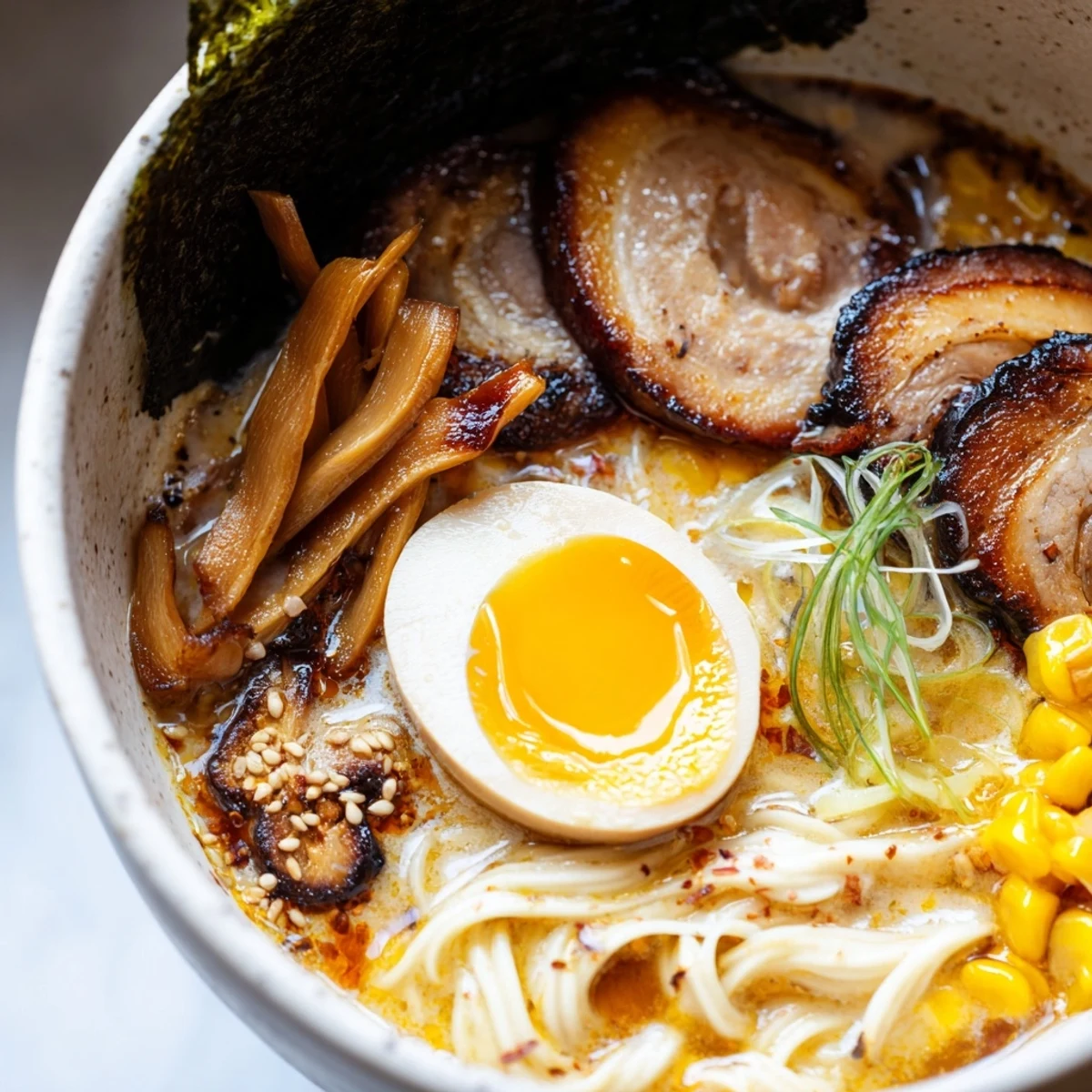
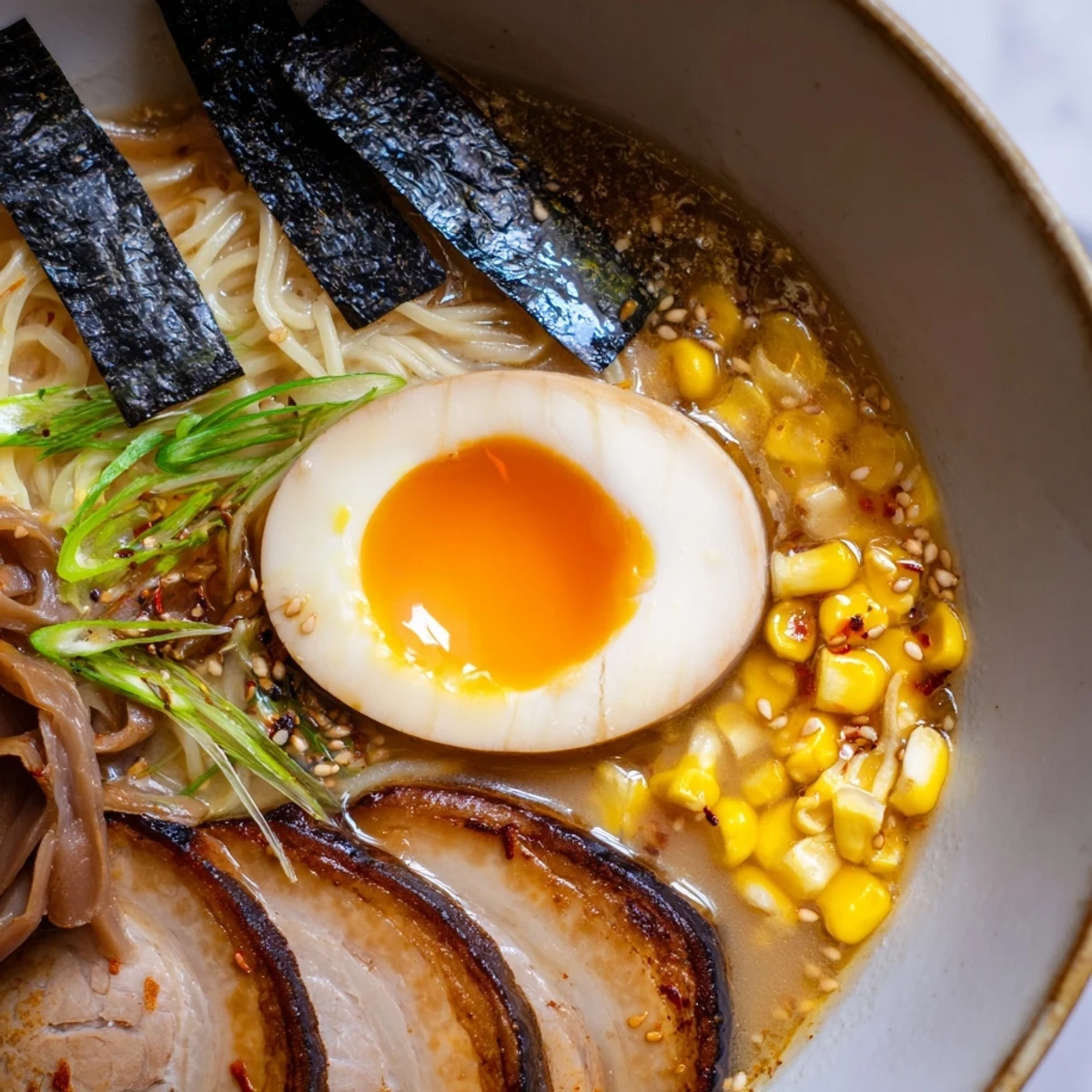
Topped with succulent slices of pork belly or chicken, jammy soft-boiled eggs, earthy shiitake mushrooms, strips of nori, and crunchy bamboo shoots, each bowl is a harmonious blend of textures and umami flavors.
Ready in about 50 minutes, it serves four and can easily be adapted for vegetarian diets by swapping the meat for tofu and using vegetable broth.
The rain was hammering against the kitchen window so hard I could barely hear the pot bubbling on the stove, and honestly that was the moment ramen stopped being something I ordered at restaurants and became something I needed to make at home. Steam fogged up the glass, the whole apartment smelled like garlic and ginger hitting sesame oil, and I stood there in wool socks thinking this is it, this is the comfort I have been chasing. Fifty minutes later I was slurping noodles so good I actually laughed out loud alone at my dinner table.
My friend Yuri came over one February evening after a brutally long work week, and I made this ramen without any plan or grocery run, just rummaging through what I had. She picked up the bowl with both hands, took one sip, and went completely silent for about ten seconds before whispering that it reminded her of her grandmothers kitchen in Osaka. We sat on the floor eating because I only had two chairs, and honestly the ramen was better for it.
Ingredients
- Chicken or pork broth (1.5 liters): Use a good quality broth here because it is the backbone of everything, and homemade will always reward you if you have it.
- Soy sauce (2 tbsp): This adds salt and depth, and a dark soy will give you richer color if you have it sitting in the back of your pantry.
- Miso paste (1 tbsp): Stir it in off the heat or dissolved in a ladleful of broth first so it does not clump up on you.
- Sesame oil (2 tsp): Toasted sesame oil is what makes the kitchen smell like a ramen shop the second it hits the pot.
- Garlic cloves, minced (2): Fresh is nonnegotiable here, and mince it finer than you think you need to.
- Ginger, sliced (1 thumb sized piece): Keep the slices thick so they flavor the broth but are easy to strain out later.
- Mirin (1 tbsp): A splash of sweetness that rounds off the salty and savory edges beautifully.
- Fresh ramen noodles (400 g): Fresh noodles have a bounce and chew that dried noodles simply cannot match, though dried will work in a pinch.
- Soft boiled eggs (2): Six minutes in gently boiling water gives you a jammy yolk that is basically mandatory for ramen.
- Cooked pork belly or chicken breast (200 g): Sliced thin and laid across the top, this is the hearty anchor of the bowl.
- Shiitake mushrooms (100 g): They soak up the broth flavor and bring an earthiness that ties everything together.
- Nori sheet, cut into strips (1): Tuck it against the side of the bowl for looks and let people crumble it in as they eat.
- Spring onions (2): Thinly sliced on a sharp bias for that fresh crunch and bright onion bite.
- Bamboo shoots (100 g): They add a satisfying tang and texture contrast that keeps every spoonful interesting.
- Corn kernels: A handful adds unexpected sweetness and pops of golden color.
- Toasted sesame seeds: Scatter these last for a nutty finish and a little visual flair.
Instructions
- Build the broth:
- Heat sesame oil in a large pot over medium heat until it shimmers, then add the garlic and ginger, stirring until the fragrance hits you and you start smiling. Pour in the broth, soy sauce, miso paste, and mirin, bring it to a gentle simmer for twenty minutes, then strain out the solids so you are left with a clean, silky liquid.
- Cook the noodles:
- Follow the package instructions for your fresh ramen noodles, drain them well, and set them aside without rinsing so they keep their slight starchiness for the broth to cling to.
- Prepare the toppings:
- Soft boil your eggs for exactly six minutes, plunge them into cold water, peel and halve them when cool enough to handle. Slice your cooked meat, shiitake mushrooms, spring onions, nori, and have every topping arranged and ready before assembly because once you start plating things move quickly.
- Assemble the bowls:
- Divide the drained noodles among four bowls, ladle the hot strained broth generously over them, and arrange pork or chicken, eggs, mushrooms, nori, spring onions, bamboo shoots, and corn on top in sections so each bowl looks like it came from a tiny ramen shop. Finish with a scatter of toasted sesame seeds and serve immediately while everything is piping hot.
 Save
Save There was a night I made this for three friends during a power outage, ladling broth by candlelight and guessing at measurements, and somehow it was the best batch I ever produced. We ate in near darkness, phones off, just the sound of slurping and occasional groans of satisfaction echoing around the kitchen.
Getting the Eggs Right Every Time
Soft boiled eggs seem simple until you ruin three in a row and start questioning everything you know about cooking. Six minutes in water that is gently boiling, not aggressively rolling, is the sweet spot for a yolk that is thick and jammy but still runny enough to pool into the broth. An ice bath right after stops the cooking instantly and makes peeling dramatically easier, especially if you tap the shells all over before gently peeling under running water.
Making It Your Own
The beautiful thing about ramen is that it forgives substitutions and rewards experimentation with equal generosity. You can swap pork for crispy tofu, use vegetable broth, throw in spinach or bean sprouts, drizzle chili oil over the top, or add a spoonful of tahini for creaminess. Once you understand the basic structure of broth, noodles, and toppings, the bowl becomes a canvas and your cravings become the recipe.
Storing and Reheating
Keep the broth and noodles stored separately or you will end up with a gummy mess that breaks your heart the next day. The broth freezes beautifully for up to three months, so make a double batch and thank yourself later.
- Store toppings individually in airtight containers for the freshest results.
- Reheat broth gently on the stove and cook fresh noodles rather than reheating leftover ones.
- A squeeze of lime right before serving can revive a reheated bowl beautifully.
 Save
Save Ramen is not just soup, it is an event, a reason to slow down, and a bowl full of warmth that makes any evening feel a little more complete. Make it once and you will find yourself craving it on every rainy night that follows.
Recipe FAQs
- → Can I make ramen broth ahead of time?
-
Yes, the broth actually tastes better when made in advance. Store it in an airtight container in the refrigerator for up to 3 days, or freeze it for up to 3 months. Reheat gently on the stovetop before assembling your bowls.
- → What type of noodles work best for ramen?
-
Fresh ramen noodles are ideal because they have the right chewy texture and springiness. If unavailable, dried ramen noodles or even thin spaghetti can work as substitutes. Cook them al dente so they hold up in the hot broth.
- → How do I achieve the perfect soft-boiled egg for ramen?
-
Gently lower eggs into boiling water and cook for exactly 6 minutes for a jammy, runny yolk. Immediately transfer to an ice bath to stop the cooking. Peel carefully and halve just before serving for the best presentation.
- → Can I make this ramen vegetarian or vegan?
-
Absolutely. Swap the chicken or pork broth for a robust vegetable or mushroom broth. Replace the meat with marinated tofu or tempeh, and omit the egg or use a plant-based alternative. The miso and soy sauce still deliver plenty of umami.
- → What sides or drinks pair well with ramen?
-
Japanese ramen pairs wonderfully with chilled sake, a cold Japanese lager, or green tea. For sides, consider a light cucumber sunomono salad, gyoza, or edamame to complement the rich, savory flavors of the bowl.
- → How should I store and reheat leftover ramen?
-
Store the broth, noodles, and toppings separately in the refrigerator. The broth keeps for up to 3 days. Reheat the broth on the stove, then pour over fresh or quickly blanched noodles. Avoid microwaving assembled bowls, as the noodles can become mushy.