
 Save
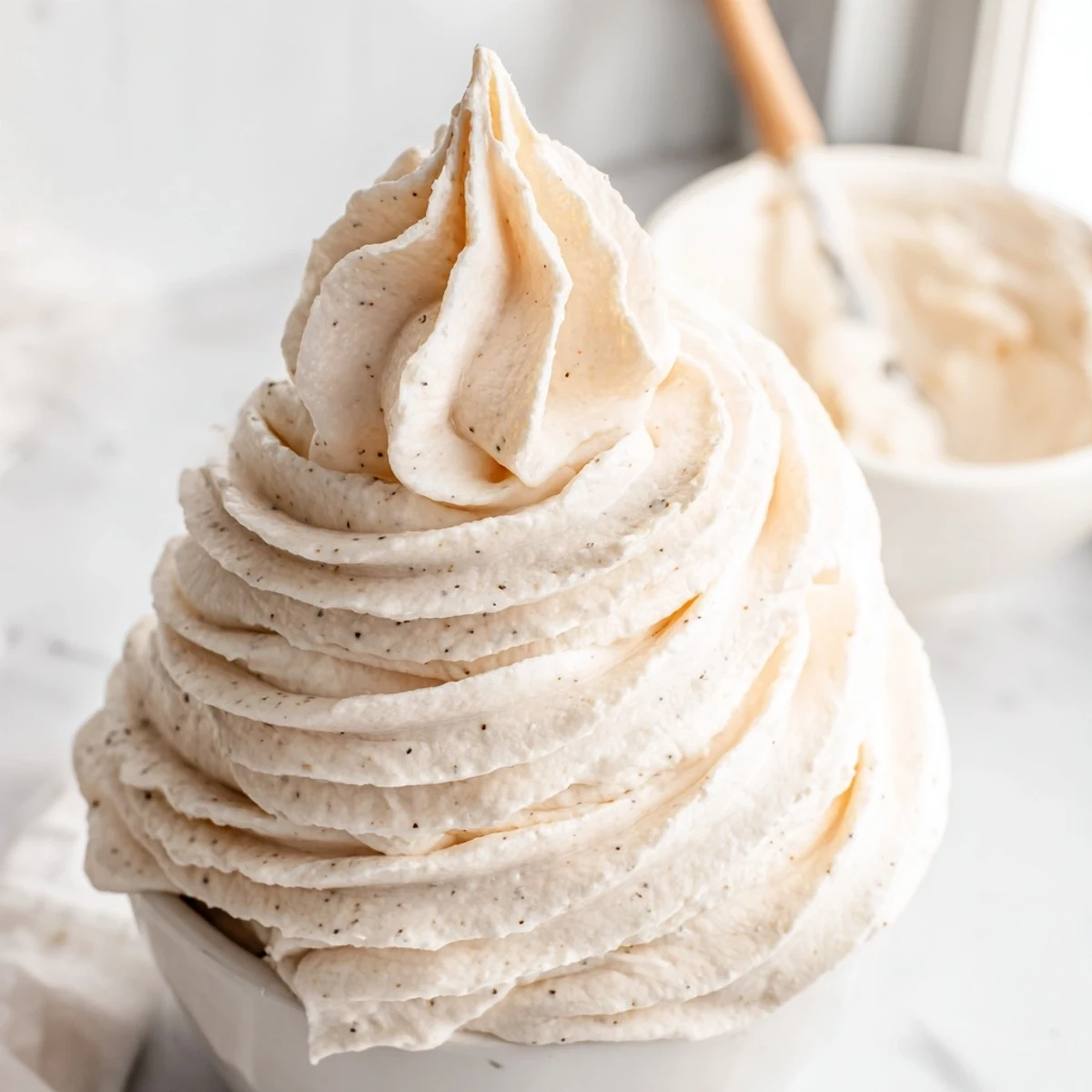
Save Italian meringue buttercream is a luxurious, silky frosting that elevates any cake or cupcake. Made by drizzling hot sugar syrup into whipped egg whites, then beating in room-temperature butter until impossibly smooth, it delivers a velvety texture and a not-too-sweet flavor.
Patience is key: the meringue must cool completely before butter is added, and the mixture may briefly look curdled before it emulsifies into perfection. Once mastered, this frosting becomes a versatile canvas for espresso, chocolate, or fruit flavors.
The kitchen smelled like toasted sugar and possibility the afternoon I finally conquered Italian meringue buttercream after three failed attempts and one very dramatic bowl of soup. My sister leaned against the counter eating pecans, openly skeptical, until I handed her the spatula covered in something so glossy and impossibly smooth that her eyebrows shot up. That batch went onto a humble vanilla layer cake, and we ate it standing at the counter with forks, no plates required.
I brought a cake frosted with this buttercream to a friends potluck dinner, and one guest quietly pulled me aside to ask if I had ordered it from a patisserie downtown. That moment of quiet pride was worth every anxious glance at my candy thermometer.
Ingredients
- Granulated sugar (200 g): The foundation of your syrup, and plain white sugar works perfectly here, so save the fancy stuff for another day.
- Water (60 ml): Just enough to help the sugar dissolve evenly before it starts boiling.
- Egg whites, room temperature (4 large): Room temperature whites whip to greater volume, so pull them out of the fridge about thirty minutes ahead.
- Cream of tartar (1/4 tsp, optional): This stabilizes the meringue and is especially helpful on humid days when egg whites want to misbehave.
- Fine sea salt (1/8 tsp): A tiny pinch that keeps the sweetness from feeling one dimensional.
- Unsalted butter, room temperature and cubed (340 g): The butter must be truly soft but not melting, and cutting it into small cubes helps it incorporate without drama.
- Vanilla extract (1 tsp): Use the good stuff here since the flavor really shines through in a simple buttercream.
Instructions
- Make the sugar syrup:
- Combine sugar and water in a small saucepan over medium heat, swirling the pan gently until the sugar fully dissolves and the mixture turns completely clear. Attach your candy thermometer and let it climb without stirring.
- Start whipping the egg whites:
- While the syrup heats, place egg whites, cream of tartar, and salt in a spotlessly clean stand mixer bowl, then whip on medium speed until soft peaks droop gently from the whisk. Timing is everything here, so keep one eye on the thermometer.
- Drizzle in the hot syrup:
- When the syrup hits 115 degrees Celsius, pour it into the whipping whites in a slow, thin stream while the mixer runs on medium-high, aiming for the space between the whisk and the bowl wall. This is the moment where patience and a steady hand make all the difference.
- Whip to stiff glossy peaks:
- Crank the mixer to high and let it run until the meringue stands tall and gleaming, and the outside of the bowl feels completely cool to your palm, about seven to ten minutes.
- Beat in the butter:
- With the mixer on medium, drop in butter cubes a few at a time, waiting for each batch to disappear before adding more, and do not panic when it looks curdled or soupy because it will come back together. Keep the faith and keep mixing until everything turns into a silky, spreadable dream, roughly five minutes.
- Finish with vanilla:
- Add the vanilla extract and whip just long enough to blend it through, stopping before you introduce unwanted air bubbles.
- Frost or store:
- Use the buttercream immediately to frost your favorite cake or cupcakes, or cover tightly and refrigerate for up to five days, bringing it back to room temperature and giving it a quick whip before using.
 Save
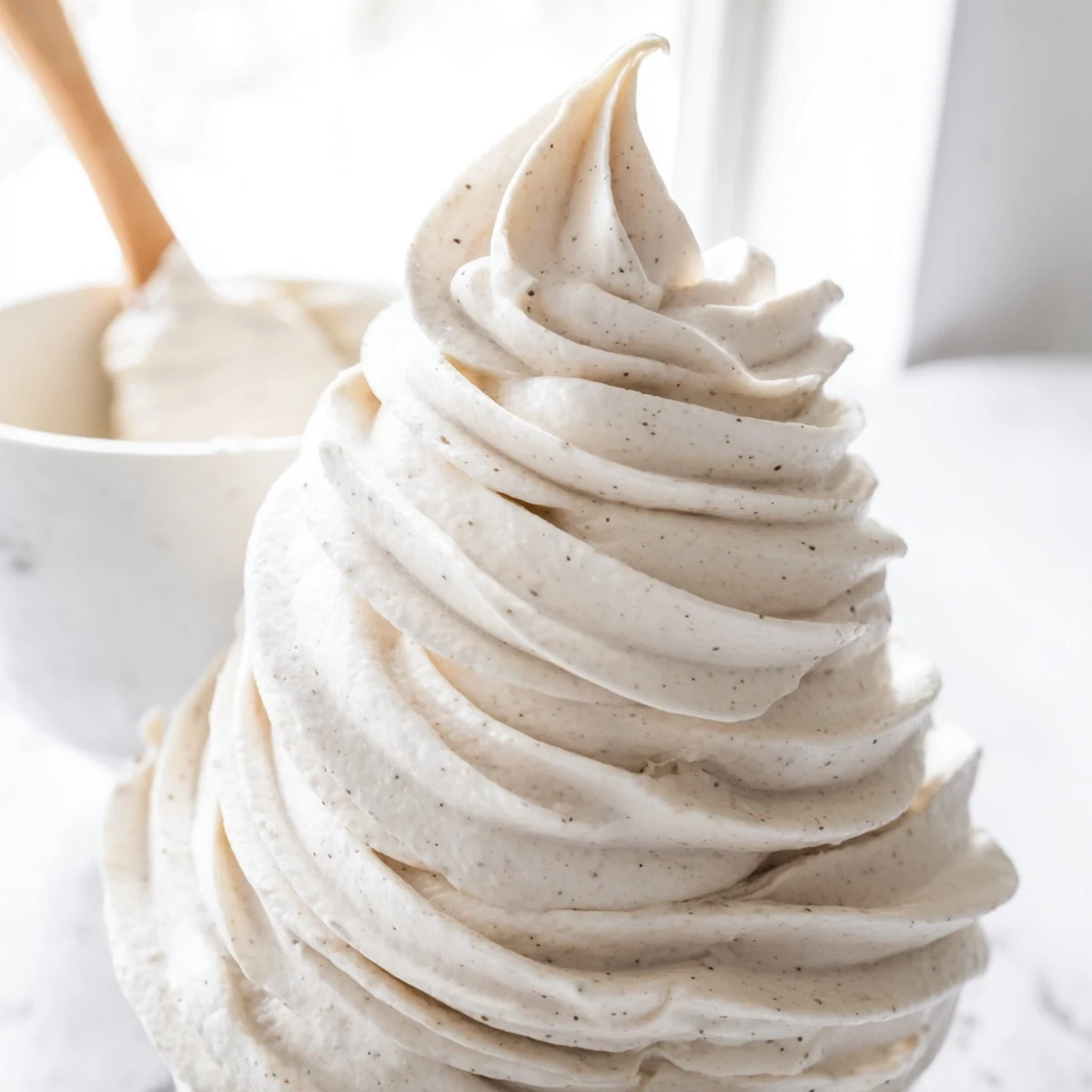
Save The real magic happened when I watched my niece lick a spatula covered in this buttercream, close her eyes, and whisper that it tasted like a cloud.
Flavor Variations Worth Trying
Once you feel confident with the base recipe, try folding in two tablespoons of espresso powder for a mocha twist, or four ounces of melted and cooled dark chocolate for something deeply rich. Fruit purees like raspberry or mango also work beautifully, but add them gently at the very end so you do not deflate all that glorious structure you just built.
Getting the Temperature Right
The candy thermometer is your best friend here, and I learned the hard way that guessing the syrup temperature leads to weepy meringue or grainy buttercream. Clip it to the side of the pan early and resist the urge to stir once the syrup starts boiling.
Storing and Reusing Leftovers
This buttercream keeps beautifully in the fridge for up to five days, and it freezes well for up to two months if you wrap it airtight. When you are ready to use it, let it come fully to room temperature, which takes a few hours, then re-whip until smooth.
- Always cover the surface directly with plastic wrap to prevent a skin from forming.
- Do not attempt to re-whip cold buttercream straight from the fridge, or it will seize and curdle.
- Remember that a little patience during the warming process saves you a lot of frustration later.
 Save
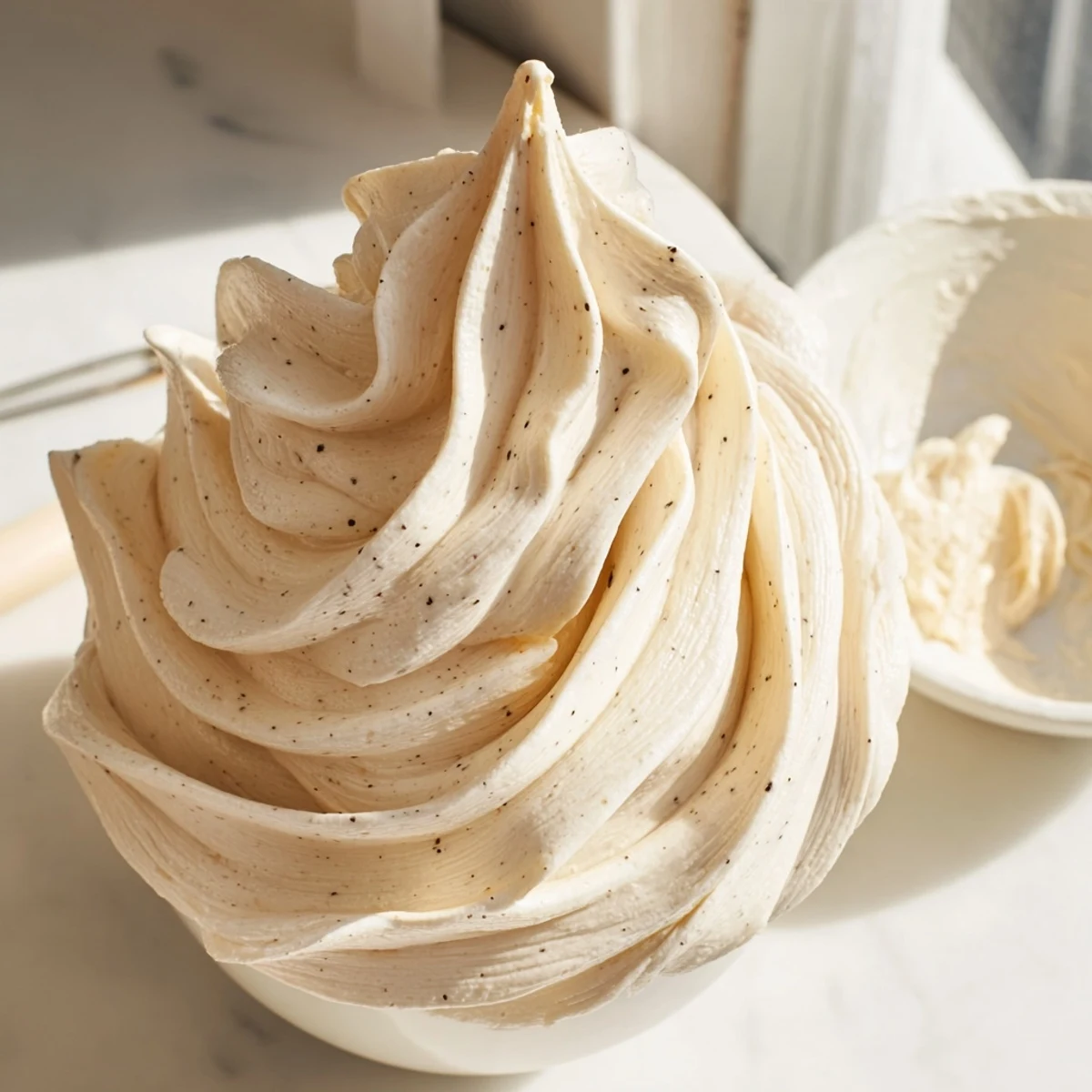
Save Mastering this buttercream feels like joining a secret club of home bakers who refuse to settle for anything less than extraordinary. Your cakes will never be the same, and honestly, neither will you.
Recipe FAQs
- → Why does my buttercream look curdled or soupy?
-
This is completely normal. Keep mixing on medium-high speed and the mixture will emulsify into a silky, smooth buttercream within a few minutes.
- → Can I make Italian meringue buttercream ahead of time?
-
Yes, store it covered in the refrigerator for up to 5 days. Before using, let it come to room temperature and re-whip until smooth and spreadable.
- → What temperature should the butter be?
-
Butter should be at room temperature and soft enough to leave a slight indentation when pressed. Cold butter will cause the meringue to deflate, while melted butter will make the frosting too runny.
- → How do I flavor Italian meringue buttercream?
-
Add espresso powder, melted and cooled chocolate, or fruit purees at the final mixing stage. Incorporate flavors gently after the buttercream is fully emulsified and smooth.
- → Why does my meringue not form stiff peaks?
-
Ensure your mixing bowl and whisk are impeccably clean and free of any grease or residue. Even a tiny amount of fat can prevent egg whites from reaching their full volume.
- → What cakes pair best with this buttercream?
-
Light sponge cakes, vanilla or lemon cake, and desserts featuring red berries or citrus flavors complement the rich, buttery texture beautifully without overpowering it.