
 Save
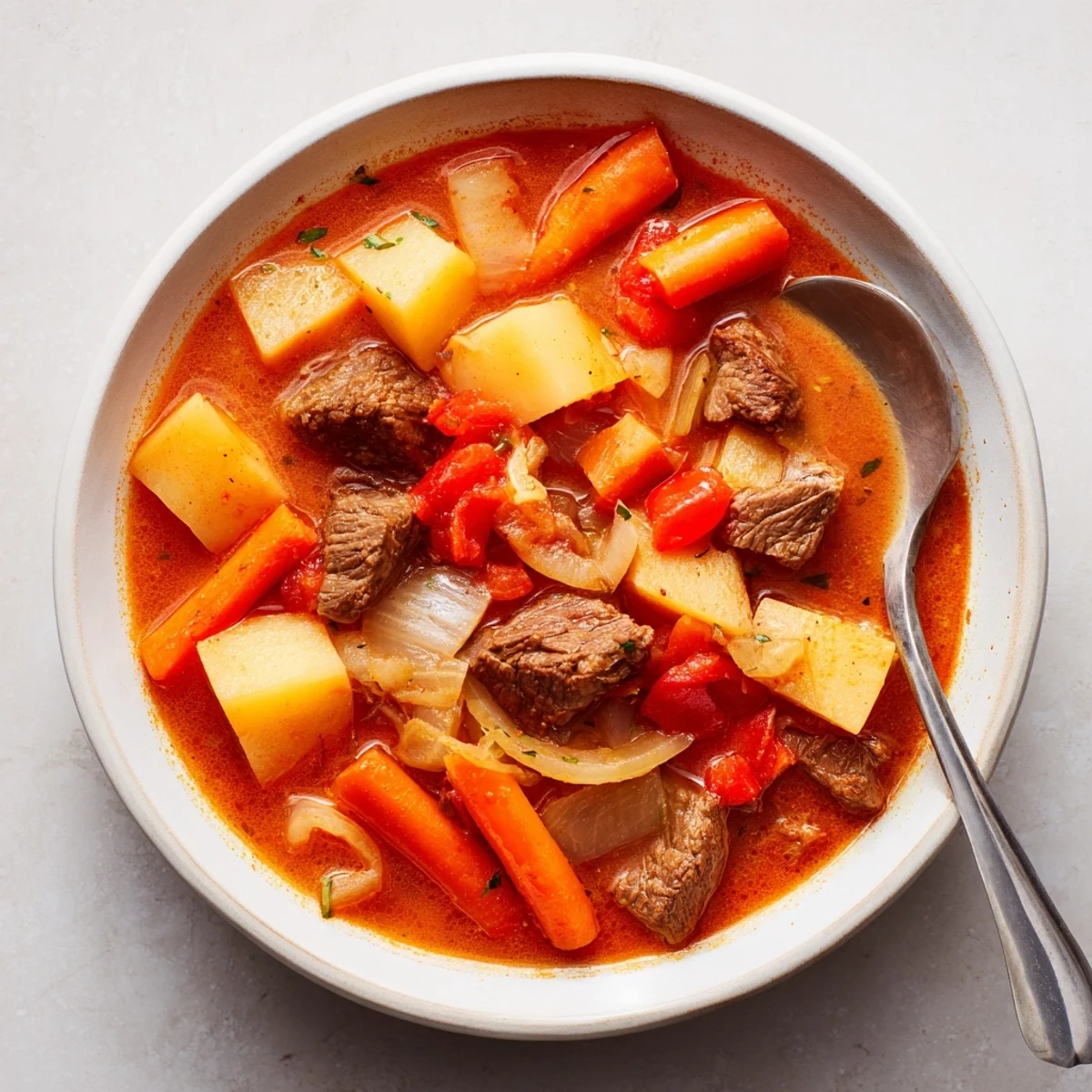
Save This traditional Hungarian Gulyás combines cubed beef chuck with sweet paprika, caraway seeds, and root vegetables for a deeply flavorful slow-cooked meal. The beef simmers for over two hours until fork-tender, while potatoes, carrots, and parsnips create a satisfying texture. Aromatic onions and garlic build the flavor base, while bell peppers and tomatoes add subtle sweetness. The result is a rich, comforting stew that tastes even better the next day.
The first time I encountered true Hungarian gulyás was in a tiny Budapest apartment, my friend's grandmother stirring a massive copper pot while snow fell outside the window. She insisted the secret wasn't just the paprika, but letting the onions caramelize painfully slowly until they turned the color of old gold. That afternoon changed everything I thought I knew about stew, and now this recipe lives in my regular rotation through half the year.
Last winter I made a triple batch for a snowed-in weekend with friends, and the way the house smelled for those two hours was its own kind of hospitality. Everyone ended up standing around the stove with spoons, 'just taste testing,' until we'd eaten half the pot before it even hit the table.
Ingredients
- 2 lbs beef chuck: Chuck has the perfect marbling for slow cooking, breaking down into melting tenderness while still holding its shape
- 2 large onions: These need to be finely chopped so they disappear into the broth, creating that rich foundation Hungarian cooks insist upon
- 3 medium carrots: Slice them about 1/4 inch thick so they soften but don't disintegrate during the long simmer
- 2 parsnips: Their subtle sweetness balances the beef and paprika beautifully, a classic addition that many home cooks skip
- 2 medium potatoes: Yukon Gold or red potatoes work best here since they hold together better than russets
- 2 cloves garlic: Minced fresh just before adding, because powdered garlic loses something in this kind of long cook
- 1 large bell pepper: Red adds gorgeous color and sweetness, but green works if you prefer a slightly more savory note
- 2 medium tomatoes: Fresh tomatoes in summer, canned diced in winter, either way they add essential acidity
- 3 tbsp sweet Hungarian paprika: This is nonnegotiable, the soul of the dish, and worth seeking out the imported stuff
- 1 tsp caraway seeds: These give gulyás its distinctive earthy undertone that sets it apart from generic beef stew
- 1 bay leaf: A single leaf adds that subtle background depth you notice most when its missing
- Salt and black pepper: Go easier on salt than you think, since the broth will reduce and concentrate
- 6 cups beef broth: Homemade is ideal, but a good quality low-sodium store-bought works perfectly fine
- 2 tbsp vegetable oil or lard: Lard is traditional and adds incredible richness, but oil keeps it lighter
- 1 tbsp tomato paste: Optional, but I always add it for that extra depth of color and umami
Instructions
- Build your flavor foundation:
- Heat the oil in your heavy pot over medium heat, add those finely chopped onions, and let them turn golden and sweet, about 8 minutes.
- Wake up the aromatics:
- Stir in the garlic and caraway seeds, cooking just 1 minute until fragrant but not browned.
- Sear the beef:
- Add the beef cubes in batches if needed, letting them brown on all sides for about 5 minutes.
- The paprika moment:
- Pull the pot completely off the heat, sprinkle in all that paprika, and stir thoroughly to coat everything before returning to the stove.
- Add the first vegetables:
- Mix in the tomatoes, bell pepper, and tomato paste if using, cooking 3 more minutes while stirring gently.
- Start the simmer:
- Pour in the broth, add the bay leaf, season with salt and pepper, bring to a boil, then reduce to low and cover for 1 hour.
- Add root vegetables:
- Stir in carrots, parsnips, and potatoes, then simmer uncovered for 45 to 60 minutes until everything is tender.
- Final adjustments:
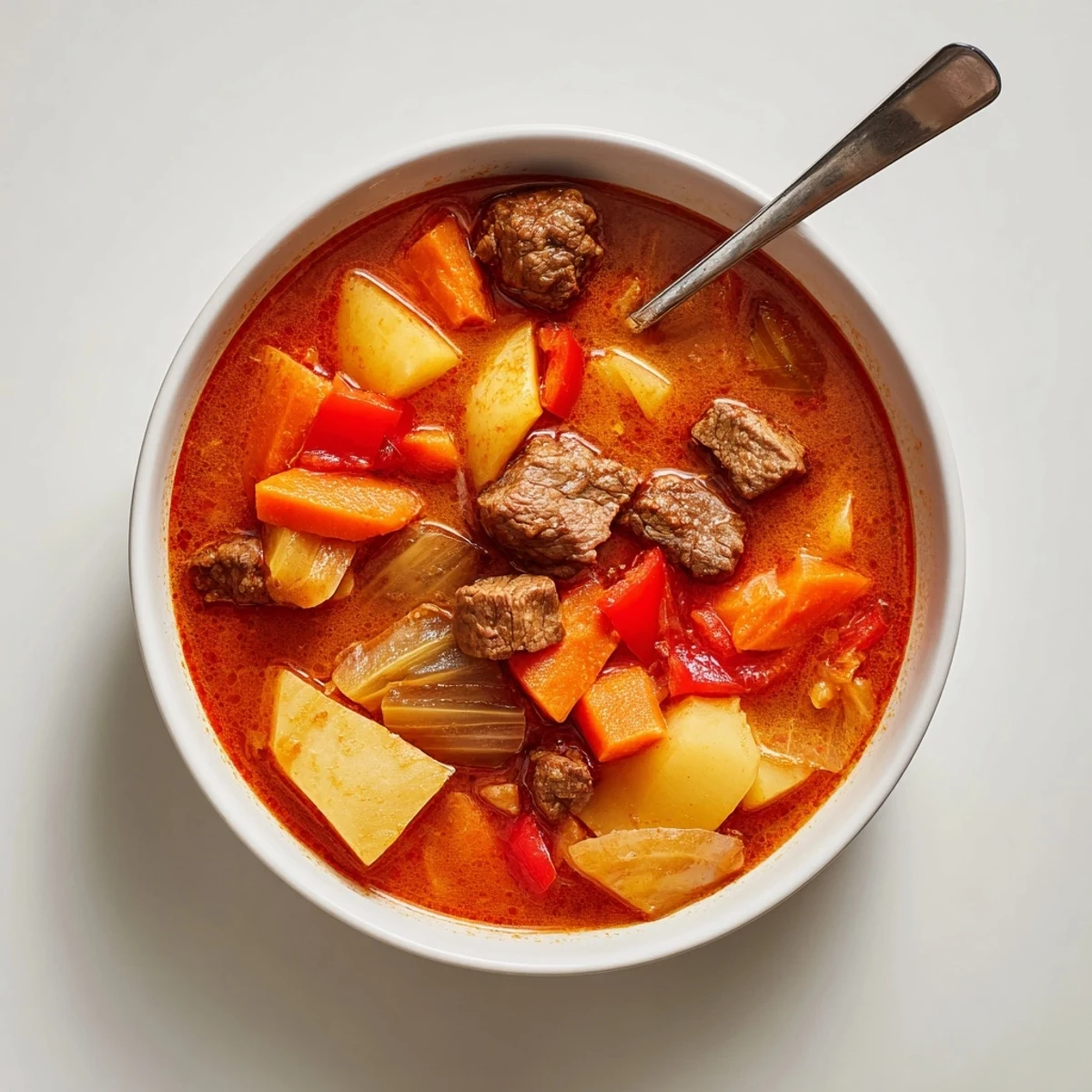
- Taste and adjust seasoning, remove the bay leaf, and let it rest 10 minutes before serving.
 Save
Save My partner now requests this on every rainy Sunday, and there's something deeply comforting about the rhythm of chopping vegetables while the beef simmers, knowing the house will smell incredible for hours.
Making It Your Own
The beauty of gulyás lies in its flexibility while respecting its core traditions. I've experimented with adding a bit of hot paprika for warmth, and in summer I'll throw in some fresh peppers from the garden. The only rule I never break is the onion caramelization step, because that's where the real depth lives.
Serving Suggestions
Traditional csipetke noodles are wonderful if you want to make them, but a crusty sourdough bread is perfect for soaking up that paprika-rich broth. A simple green salad with sharp vinaigrette cuts through the richness beautifully. In Hungary they sometimes serve with a dollop of sour cream on top, though purists might argue against it.
Make Ahead Wisdom
This is one of those rare dishes that genuinely improves overnight, so I often make it a day ahead and gently reheat. The flavors meld and deepen in ways that can't be rushed. If you do make it ahead, hold off on adding the potatoes until the final reheating so they don't become mushy.
- Freezes beautifully for up to 3 months if you leave the potatoes out
- The broth will thicken in the fridge, so add a splash of water when reheating
- Reheat slowly over medium-low heat to prevent separating
 Save
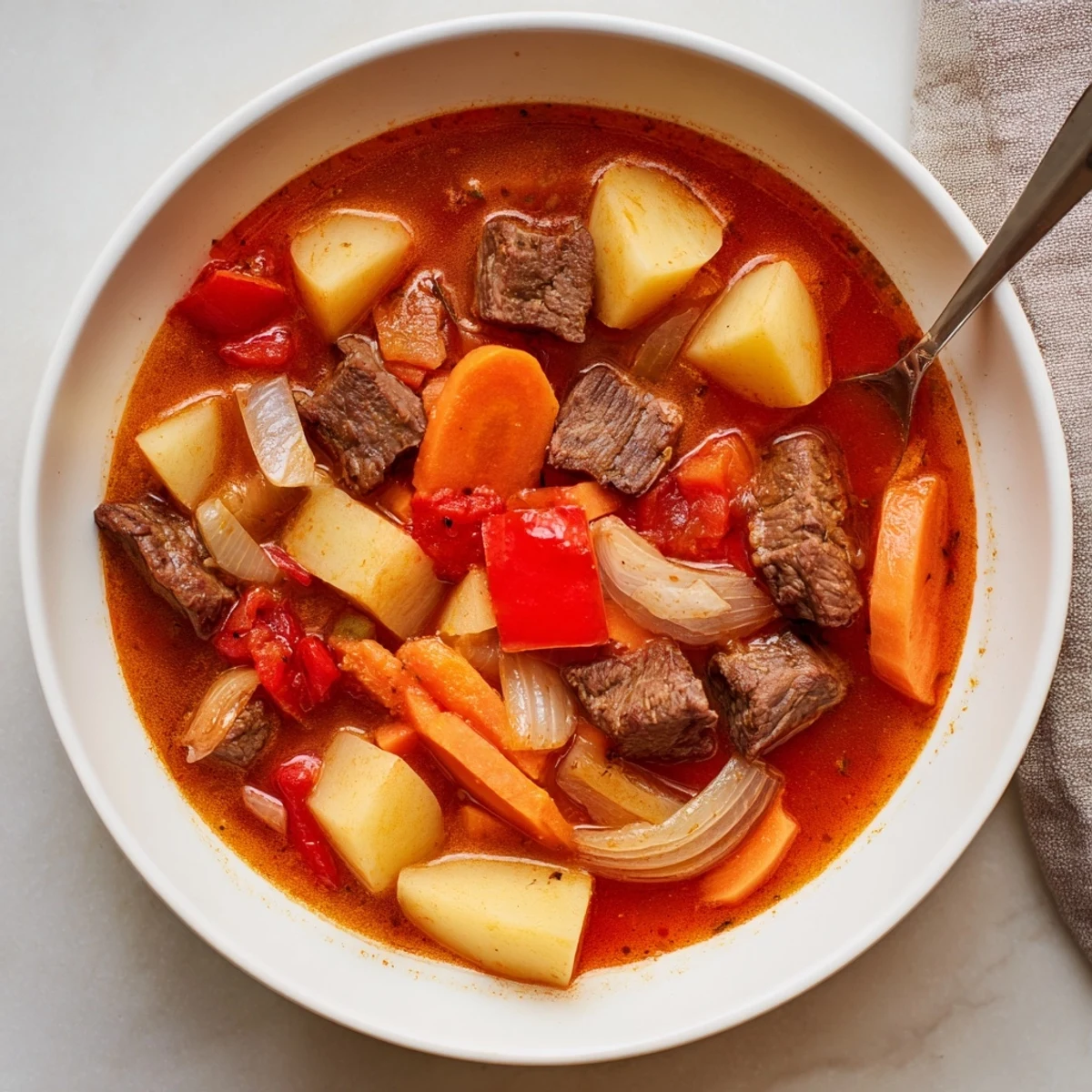
Save There's a reason this stew has fed Hungarian families for generations, and once you make it, you'll understand why it becomes such a treasured recipe.
Recipe FAQs
- → What cut of beef works best for Gulyás?
-
Beef chuck is ideal because it becomes tender and flavorful during slow cooking. Look for well-marbled pieces that will benefit from the long simmer time.
- → Can I make this in a slow cooker?
-
Yes! Brown the beef and onions first, then transfer everything to your slow cooker. Cook on low for 6-8 hours or high for 4-5 hours until the beef is tender.
- → What makes Hungarian paprika different?
-
Hungarian sweet paprika has a rich, vibrant flavor with subtle sweetness. It's essential for authentic taste—substituting regular paprika will yield a different result.
- → Is Gulyás a soup or a stew?
-
Traditionally, Gulyás is somewhere between a soup and stew. Adjust the broth quantity to achieve your preferred consistency—more broth for a soupier version, less for a thicker stew.
- → How should I store leftovers?
-
Refrigerate in an airtight container for up to 4 days. The flavors actually improve overnight. Reheat gently on the stove, adding a splash of broth if needed.
- → What sides pair well with Gulyás?
-
Rustic bread, csipetke (Hungarian pinched noodles), or boiled potatoes are traditional accompaniments. Sour cream and fresh herbs like parsley make lovely garnishes.