
 Save
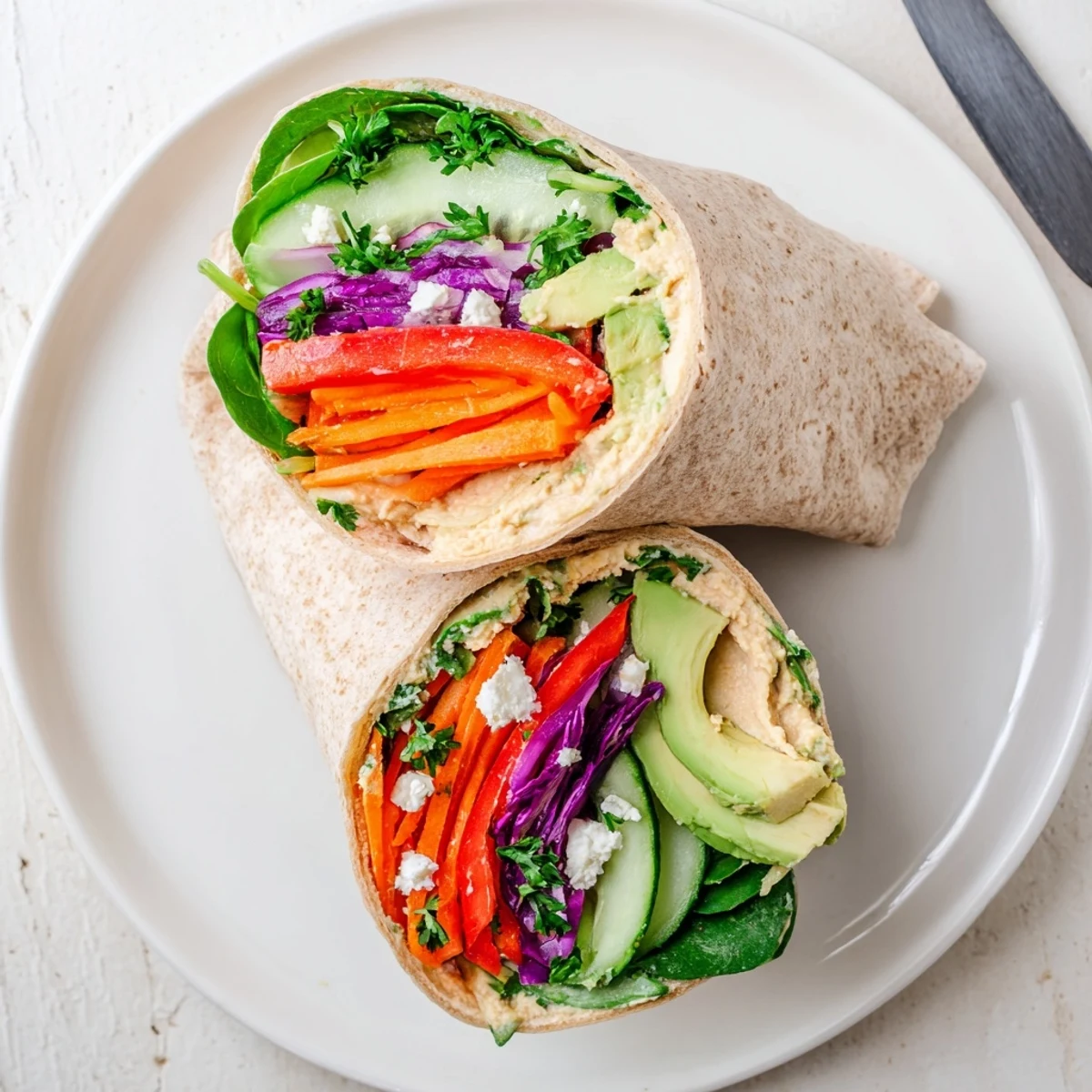
Save These Mediterranean-inspired wraps combine velvety homemade hummus with crisp, colorful vegetables for a satisfying handheld meal. The whole wheat tortillas provide a sturdy base while offering fiber, making these wraps both nutritious and filling.
Preparation comes together in just 15 minutes with no cooking required. Spread hummus generously, layer with thinly sliced bell peppers, refreshing cucumber, crunchy julienned carrots, and vibrant purple cabbage for maximum texture contrast. Fresh spinach adds nutritional depth while avocado brings creaminess.
Customize effortlessly with additional protein like falafel or grilled chickpeas. Swap the spread with tzatziki or baba ganoush for variety. These wraps travel beautifully for packed lunches and hold up well for several hours when wrapped tightly.
The cutting board was a mess of purple cabbage shreds and carrot peels the afternoon I figured out that hummus could hold a whole wrap together without anything fancy. I was between grocery runs, tired of salads, and needed something I could eat with one hand while grading papers at the kitchen table. That first wrap was lopsided and leaking hummus from the side, but the crunch of the vegetables and the creamy spread made me stop mid bite and actually pay attention to my lunch. It has been my go to ever since.
My neighbor Lisa stopped by one Tuesday when I was assembling these on the porch, and she stood there watching me roll one up before asking if she could try making her own right then. We ended up sitting outside with four wraps cut into halves, talking until the sun dipped behind the garage, and she texted me the next day to say her kids now request hummus wraps for school lunches every single week.
Ingredients
- 4 large whole wheat or spinach tortillas: Spinach tortillas add a faint earthy color that makes the wrap feel like a proper meal, but whole wheat holds up better if you are packing it for later.
- 1 cup hummus: Store bought works perfectly fine here, though a thick, well stirred hummus spreads more evenly than a runny one.
- 1 cup baby spinach leaves: These create a barrier between the hummus and the wetter vegetables, keeping the tortilla from getting soggy.
- 1 red bell pepper, thinly sliced: Slice it as thin as you can manage because the sweetness plays beautifully against the savory hummus.
- 1 small cucumber, sliced into thin strips: English cucumbers work best since you avoid the watery seed core.
- 1 medium carrot, julienned: A sharp vegetable peeler makes quick work of this, and the thin strips fold into the roll without springing back.
- 1/2 cup shredded purple cabbage: It adds a gorgeous pop of color and a slight peppery bite that wakes up every mouthful.
- 1/4 red onion, thinly sliced: Soak the slices in cold water for five minutes if you find raw onion too sharp.
- 1 avocado, sliced (optional): Avocado makes everything richer, but the wrap is fully satisfying without it.
- 1/4 cup feta cheese, crumbled (optional): Skip this for a vegan version, or use it when you want a salty, tangy finish.
- 2 tbsp fresh parsley, chopped: Flat leaf parsley scattered over the top adds a freshness that ties everything together.
- Salt and pepper, to taste: A pinch of flaky salt on the vegetables right before rolling makes a noticeable difference.
- 1 tbsp lemon juice: Just a drizzle over the assembled vegetables brightens the whole wrap.
Instructions
- Lay the foundation:
- Place a tortilla flat on a clean cutting board or countertop, and give it a quick look for any cracks along the edges because a torn tortilla will not roll properly.
- Spread the hummus:
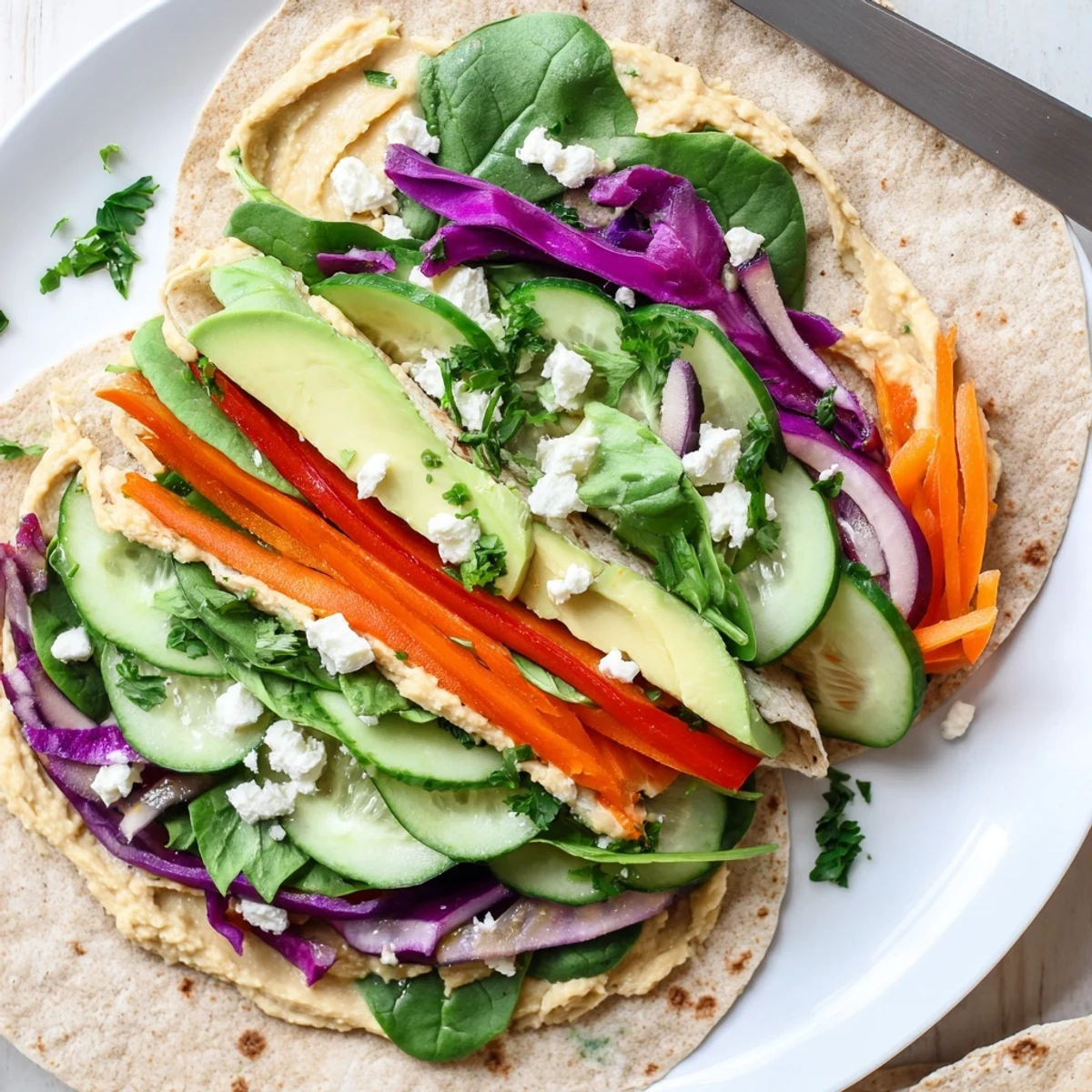
- Spoon roughly a quarter cup of hummus onto the center of the tortilla and spread it evenly with the back of a spoon, leaving about an inch bare around the edges so nothing squishes out when you roll.
- Build the layers:
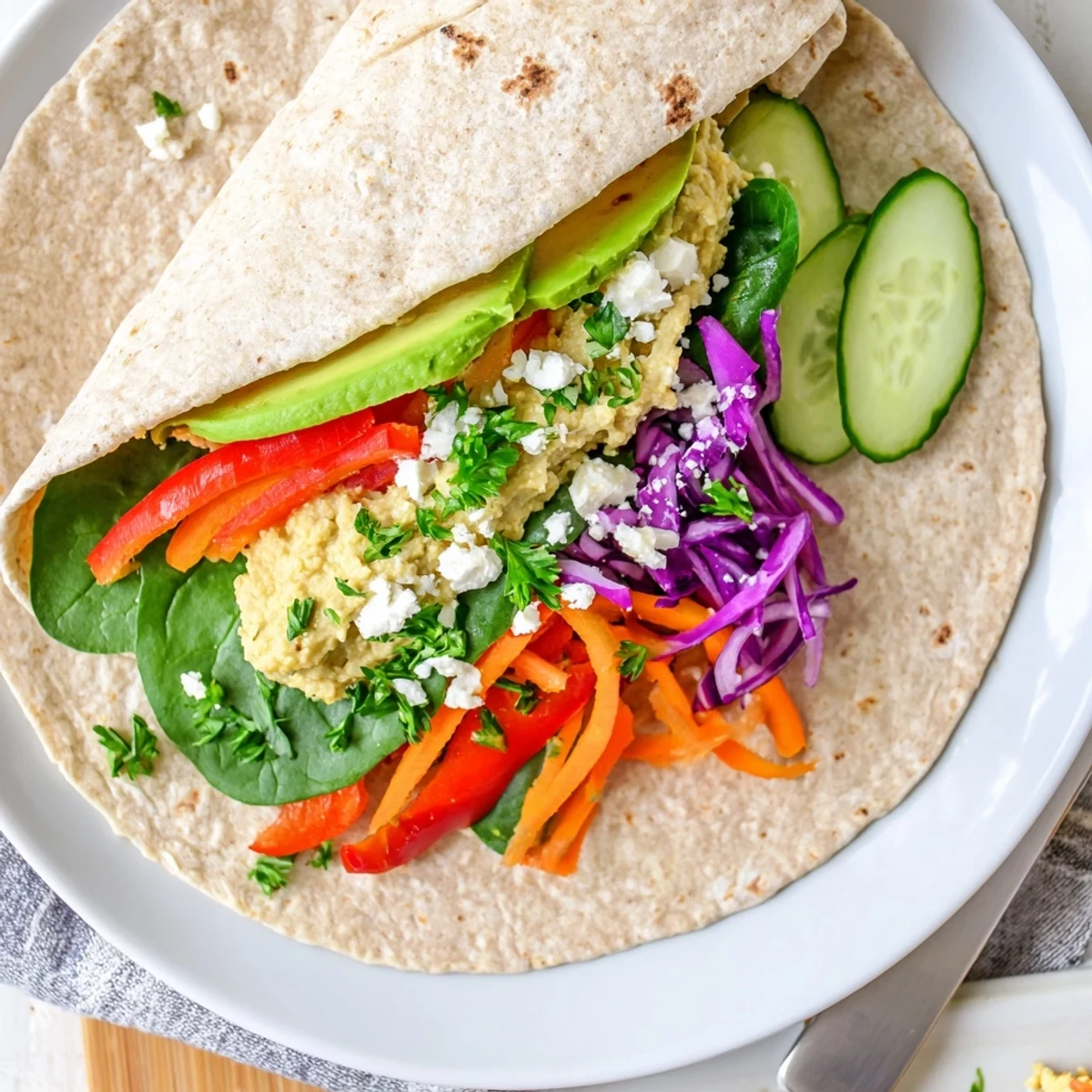
- Scatter spinach leaves across the hummus first, then arrange the bell pepper, cucumber, carrot, cabbage, and red onion in even rows, trying to keep the taller ingredients toward the center for a tighter roll.
- Add the finishing touches:
- If you are using avocado and feta, lay the slices down gently and sprinkle the crumbled cheese, parsley, salt, pepper, and lemon juice over everything so the flavors distribute with each bite.
- Roll it up:
- Fold the left and right sides inward about an inch, then start from the edge closest to you and roll away from yourself, tucking the fillings in firmly as you go without pressing so hard that the tortilla tears.
- Cut and serve:
- Use a serrated knife to slice each wrap diagonally through the center, which gives you two neat halves that show off the colorful cross section.
 Save
Save I once packed three of these wraps in a cooler for a road trip to the coast, and my partner laughed when I pulled them out at a rest stop, but then he ate two of them before I could even unfold the napkin.
What to Serve Alongside
A handful of pita chips, a small bowl of olives, or a few orange wedges on the side turn this into a meal that feels complete rather than thrown together. I have also served these alongside a simple tomato cucumber salad dressed with olive oil and oregano on summer evenings when cooking anything over a stove felt like too much effort.
Making It Your Own
The beauty of a wrap like this is that it tolerates almost any substitution without falling apart. Try tzatziki or baba ghanoush in place of hummus, toss in a handful of sprouts or microgreens, or add grilled chickpeas seasoned with cumin if you want something heartier. My favorite variation came about by accident when I had leftover roasted sweet potato wedges and tucked those in alongside the cabbage and carrot.
Packing and Storing
These wraps travel remarkably well if you wrap each one tightly in parchment paper and then again in foil, which holds everything in place and keeps the tortilla from drying out. If you are meal prepping for the week, assemble them without the cucumber and avocado since those two ingredients are the biggest culprits for sogginess after a day in the fridge.
- Add the cucumber and avocado fresh right before eating for the best texture.
- Certified gluten free wraps work perfectly here if wheat is a concern.
- Always check hummus labels for sesame content if allergies are a factor.
 Save
Save Some meals are not about impressing anyone, and this wrap exists in that comfortable space between effort and reward where you feel genuinely nourished. Keep the ingredients stocked in your fridge, and you will always be fifteen minutes away from something worth eating.
Recipe FAQs
- → Can I prepare hummus wraps the night before?
-
Yes, these wraps hold up beautifully overnight. Spread hummus slightly away from the edges to prevent sogginess, wrap tightly in parchment or foil, and refrigerate. The vegetables maintain their crunch and flavors meld together beautifully.
- → What other spreads work well in these wraps?
-
Tzatziki adds refreshing coolness while baba ganoush provides smoky depth. Greek yogurt seasoned with herbs, tapenade, or even pesto create delicious variations. Each spread brings unique Mediterranean flair to the vegetable filling.
- → How do I prevent wraps from getting soggy?
-
Pat vegetables dry before layering, especially cucumbers. Place a barrier of sturdier vegetables like bell peppers and carrots against the hummus. Add lemon juice and salt right before serving rather than assembly time.
- → What protein additions work best?
-
Grilled chickpeas seasoned with cumin add satisfying crunch and plant-based protein. Falafel, sliced hard-boiled eggs, or shredded chicken also complement the Mediterranean flavors. Grilled halloumi brings salty richness if not avoiding dairy.
- → Can these wraps be frozen?
-
Freezing isn't recommended as the texture becomes compromised upon thawing. The vegetables lose crispness and hummus can separate. These wraps are best enjoyed fresh or refrigerated for 1-2 days maximum for optimal quality.
- → What vegetables substitute well if I'm missing ingredients?
-
Shredded lettuce, thinly sliced radishes, or grated zucchini work beautifully. Roasted red peppers from a jar add sweetness while fresh herbs like basil or mint brighten flavors. Use what's available—almost any crisp vegetable creates satisfying texture.