
 Save
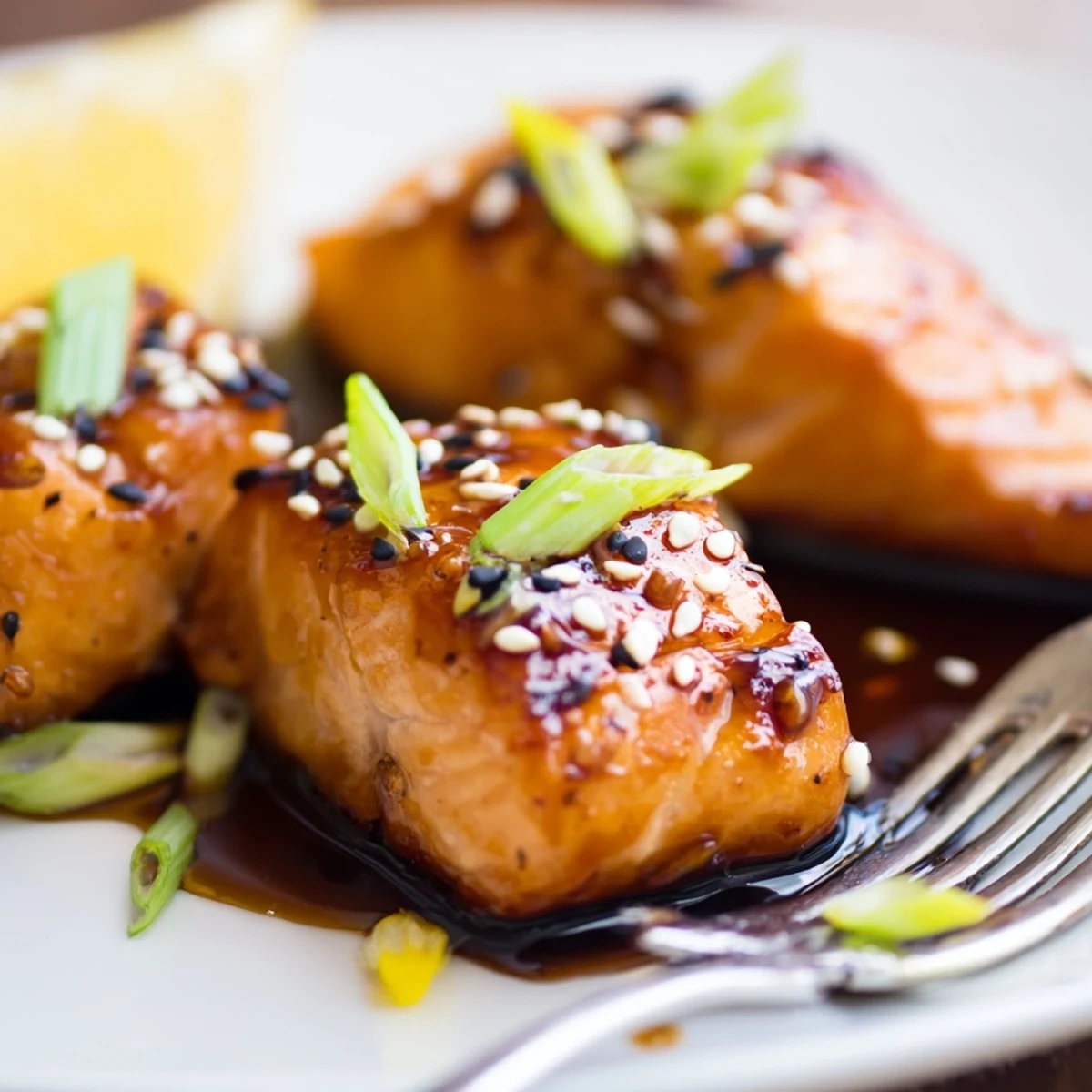
Save Quick marinated salmon cubes are tossed in a honey, soy, olive oil and lemon mixture, chilled briefly to absorb flavor. Arrange on a parchment-lined sheet and bake at 220°C (425°F) until just set, about 8 minutes. Simmer the reserved marinade until slightly thickened, brush over the fish, then broil 2–4 minutes to caramelize edges. Garnish with sesame seeds, sliced green onions and lemon wedges. Serve over rice, salad, or as finger food; add red pepper flakes for heat or swap maple syrup for a deeper sweetness.
The kitchen always seems to come alive whenever a glaze starts bubbling, and that's exactly what happened the first time I tried making honey glazed salmon bites. The sharp citrusy scent from the lemon juice mixed with the nutty aroma of toasting sesame seeds made it impossible not to hover impatiently by the oven. It was one of those meals created on a whim, mainly because I found some fresh salmon needing a purpose, and it transformed a regular evening into something a bit more celebratory. Biting into one caramelized, glistening cube, I knew it would not be the last time these made their way onto my table.
One rainy Sunday, I pulled out this recipe to cheer up my partner after a tough week, and the tiny sizzles as the glaze hit the hot salmon actually managed to coax out the first grin of the day. The quick prep meant we could linger around the kitchen, joking and sneaking tastes of the glaze, instead of being tied to a stove for hours. That simple half hour felt like much more—proof that cooking together can turn even a busy or gloomy day into something of a celebration.
Ingredients
- Salmon (500g, cut in 1-inch cubes): Using firm, fresh fillets is crucial—overly soft salmon will fall apart, but well-chilled cubes hold their shape and soak up the marinade perfectly.
- Honey (3 tbsp): The sticky backbone of the glaze, try to use floral or local honey for extra depth—watch that it coats the back of a spoon before using.
- Low-sodium soy sauce (2 tbsp): Balances sweetness and adds that umami foundation, so you don't really need extra salt in the dish.
- Olive oil (1 tbsp): Just enough to give a lovely sheen and prevent sticking—go light-handed, as too much can make the glaze separate.
- Fresh lemon juice (1 tbsp): Squeeze it just before mixing for that bright punch; bottled lemon juice doesn’t give the same clean flavor.
- Garlic (1–2 cloves, minced): If you love a bit more bite, use two; I’ve sometimes grated it to paste for a more subtle infusion.
- Freshly ground black pepper (1/2 tsp): Adds welcome warmth, but keep it in check so as not to overpower the honey.
- Salt (1/2 tsp): Essential even with the soy sauce—taste your marinade and adjust if your soy is extra salty.
- Sesame seeds (1 tbsp, optional): Toasted just a shade golden, they add crunch—sometimes I toast them in a dry pan for a nuttier hit.
- Green onions (2 tbsp, thinly sliced, optional): That fresh, springy note on top makes all the difference for color and flavor.
- Lemon wedges (for serving): I never skip this—the final squeeze at the table wakes up all the flavors.
Instructions
- Mixing the Marinade:
- In a medium bowl, whisk together the honey, soy sauce, olive oil, lemon juice, minced garlic, pepper, and salt until silky and combined, letting the aromas mingle. The fragrance is your signal it’s ready.
- Marinating the Salmon:
- Add the chilled salmon cubes gently and toss to coat evenly—gentle hands help keep the pieces intact. Cover and refrigerate for at least 10 minutes, letting the flavors soak their way in.
- Baking Prep:
- Preheat your oven to 220°C (425°F) and line a baking sheet with parchment—this hands-off step saves you serious cleanup later. Arrange the cabbage so each piece has its own golden patch to caramelize.
- Arranging and Reserving Glaze:
- Place the marinated salmon cubes onto the sheet with gaps in between so they caramelize, not steam. Pour the remaining marinade into a small saucepan, and set aside for glazing.
- Starting the Bake:
- Slide the tray in and bake for 8 minutes; the salmon should just start to firm up around the edges. A quick peek through the oven door will reveal honeyed bubbles beginning to form.
- Thickening the Glaze:
- As the salmon bakes, simmer the reserved marinade in a small saucepan for 2–3 minutes—stir it constantly until it just starts to thicken and coat a spoon. The transformation from thin to syrupy happens fast.
- Caramelizing Under the Broiler:
- Remove the tray from the oven and brush the hot salmon generously with the thickened glaze. Broil for 2–4 minutes until the tops are caramelized and a bit charred—keep an eye so they don’t go from golden to burnt.
- Final Touch & Serving:
- Transfer the glistening salmon bites to a platter, scatter with sesame seeds and green onions, and serve with lemon wedges for that final bright zip. You’ll want to dive in while they’re still glossy and hot.
 Save
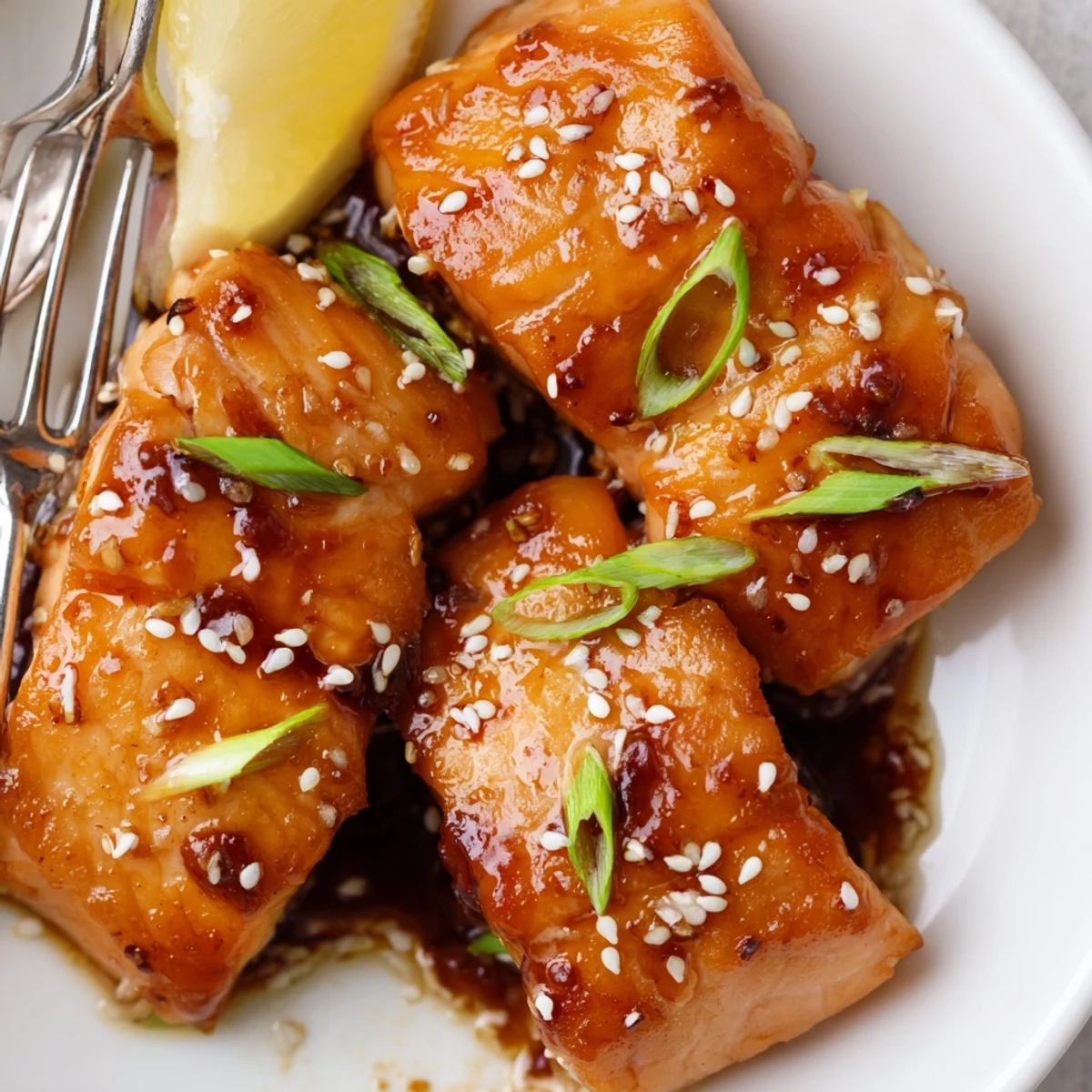
Save The night we made these for friends, everyone ended up eating straight from the platter, fingers sticky and laughter rolling as the last glossy pieces quickly disappeared. The memory isn't just about the taste but the feeling of sharing something so simple that delivers such a big wow with so little fuss.
Choosing Your Garnishes
After a few experiments, I found that a good scattering of toasty sesame seeds or a handful of zippy green onions utterly transforms the bites at the table. Don’t be afraid to play around with your garnishes, or set out little bowls so everyone can finish their own plate the way they like.
Serving Suggestions to Impress
I’ve plated these salmon bites atop fluffy rice, tucked them into crisp salad leaves for a punchy appetizer, and even paired them with a glass of chilled Sauvignon Blanc for grown-up evenings. No matter what you choose, the key is to serve them hot and glossy, right out of the oven, so the glaze remains irresistibly sticky.
Quick Fixes & Best Make-Ahead Tricks
If you need to prepare ahead, you can cube and marinate the salmon in advance—just let it come closer to room temp before baking, or the inside won’t cook evenly. Always keep an eye on the broiler: the ideal caramelization can tip into burning in mere moments, so don’t walk away. And for the bold, try a dash of red pepper flakes in the marinade for a little heat, or swap honey for maple syrup just to surprise yourself.
- A silicone brush makes glazing cleaner and more even.
- Leftovers (if you have any) are great cold over salad the next day.
- Let your guests squeeze lemon right before eating for the fullest flavor hit.
 Save
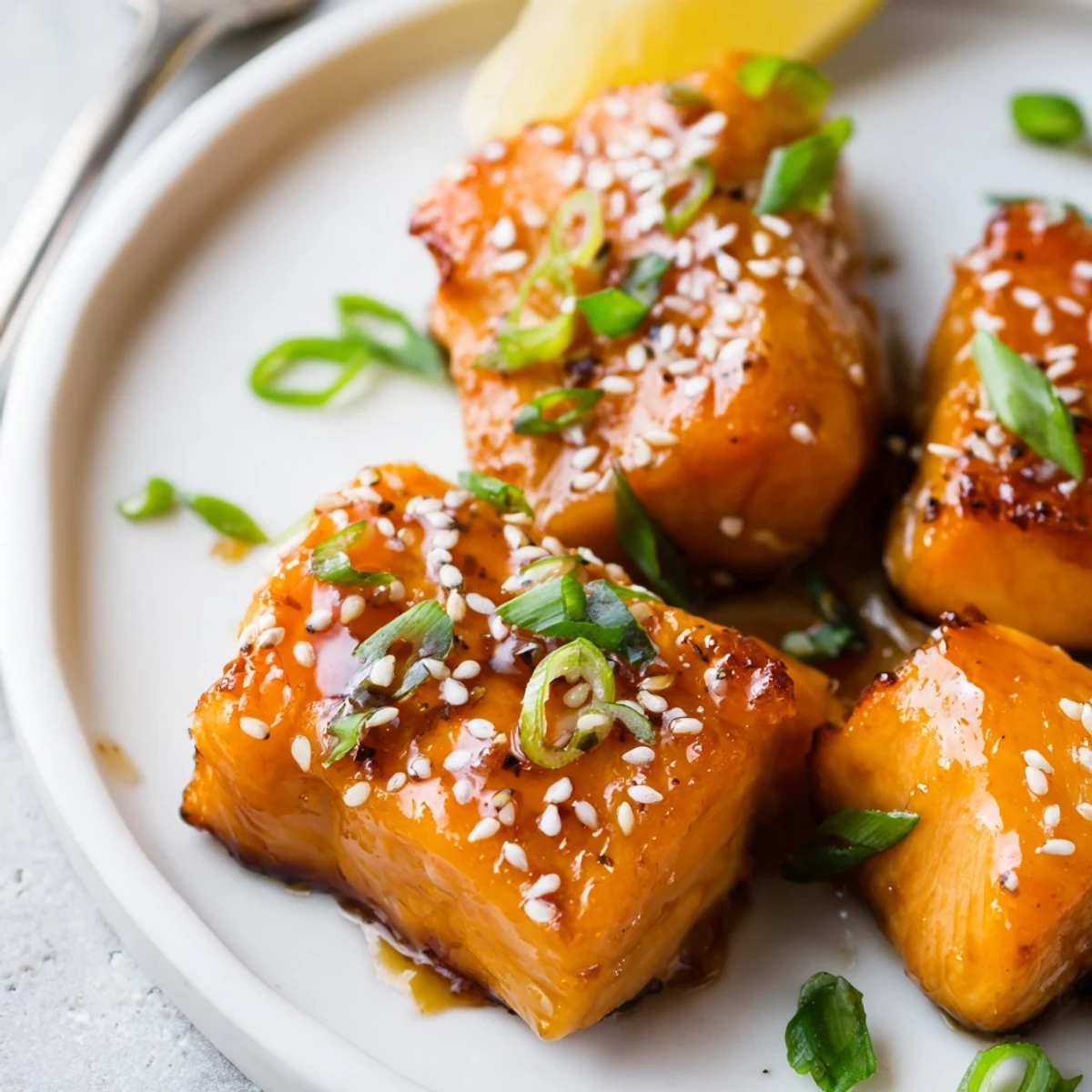
Save Whether you serve these sticky bites as a star appetizer or quick main, there’s a certain joy in watching people reach for seconds with sticky fingers and big smiles. Trust me, the little bit of effort is well worth every caramelized morsel.
Recipe FAQs
- → How long should the salmon marinate?
-
A brief 10 minutes is sufficient to impart flavor; up to 30 minutes deepens the taste. Avoid much longer so the fish doesn't start to break down or cure.
- → Is baking then broiling necessary?
-
Baking gently cooks the cubes through while keeping them tender; finishing under the broiler caramelizes the glaze for a sticky, slightly charred edge. Pan-searing is an alternative for a crisp exterior.
- → Can I use skin-on salmon instead?
-
Yes. Leave the skin on for easier handling; adjust cook time slightly and consider searing skin-side down first to render and crisp the skin before baking.
- → How do I avoid overcooking the salmon?
-
Remove the fish when it is just set and slightly translucent in the center; carryover heat will finish cooking. For precision, aim for 52–54°C (125–130°F) for medium doneness.
- → What gluten-free swap works for soy sauce?
-
Use tamari or a labeled gluten-free soy sauce to retain the savory depth while avoiding gluten. Always check labels on condiments for hidden ingredients.
- → What are good serving ideas and garnishes?
-
Serve over steamed rice, a crisp salad, or as bite-sized hors d'oeuvres. Garnish with sesame seeds, thinly sliced green onions and lemon wedges for brightness; add red pepper flakes for a spicy kick.