
 Save
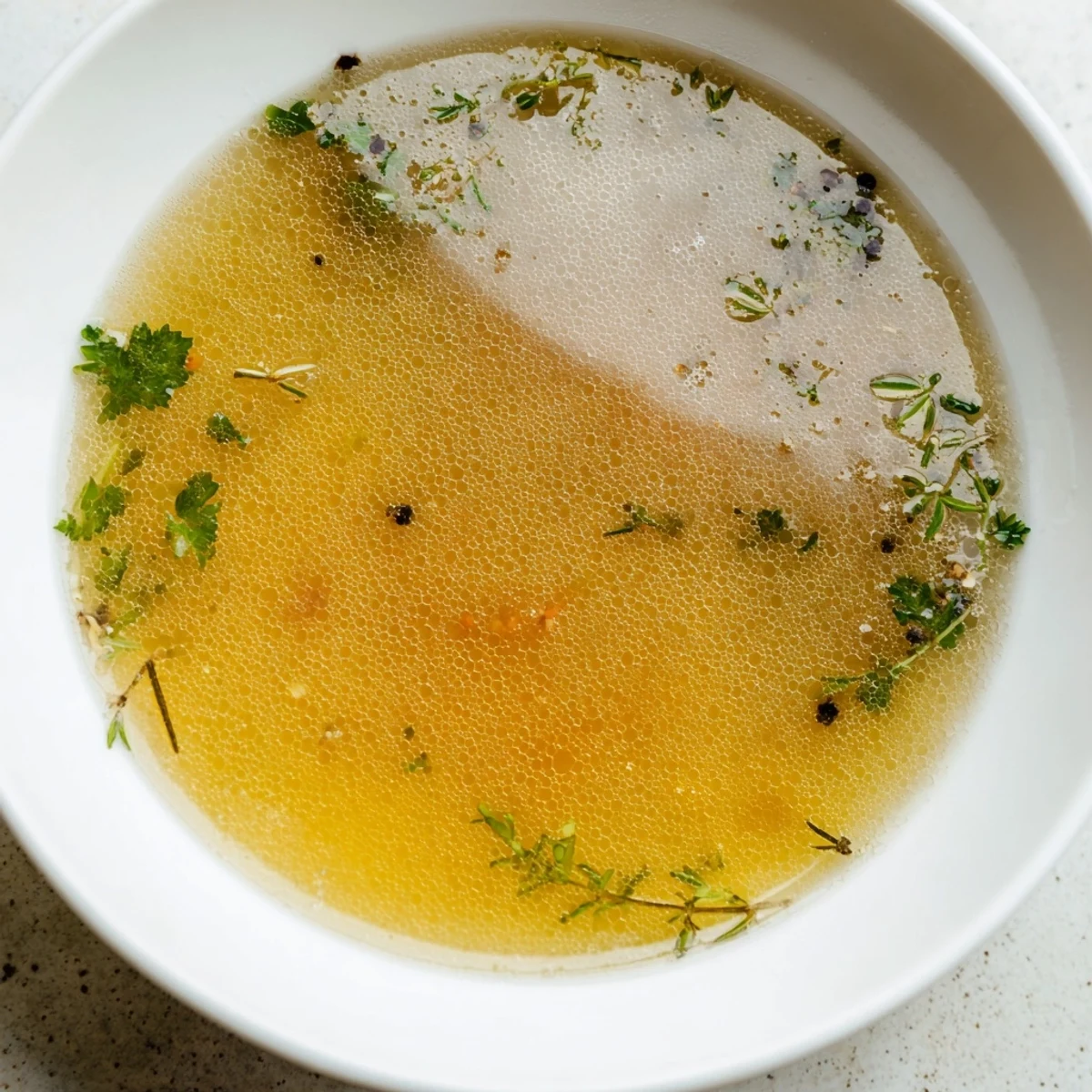
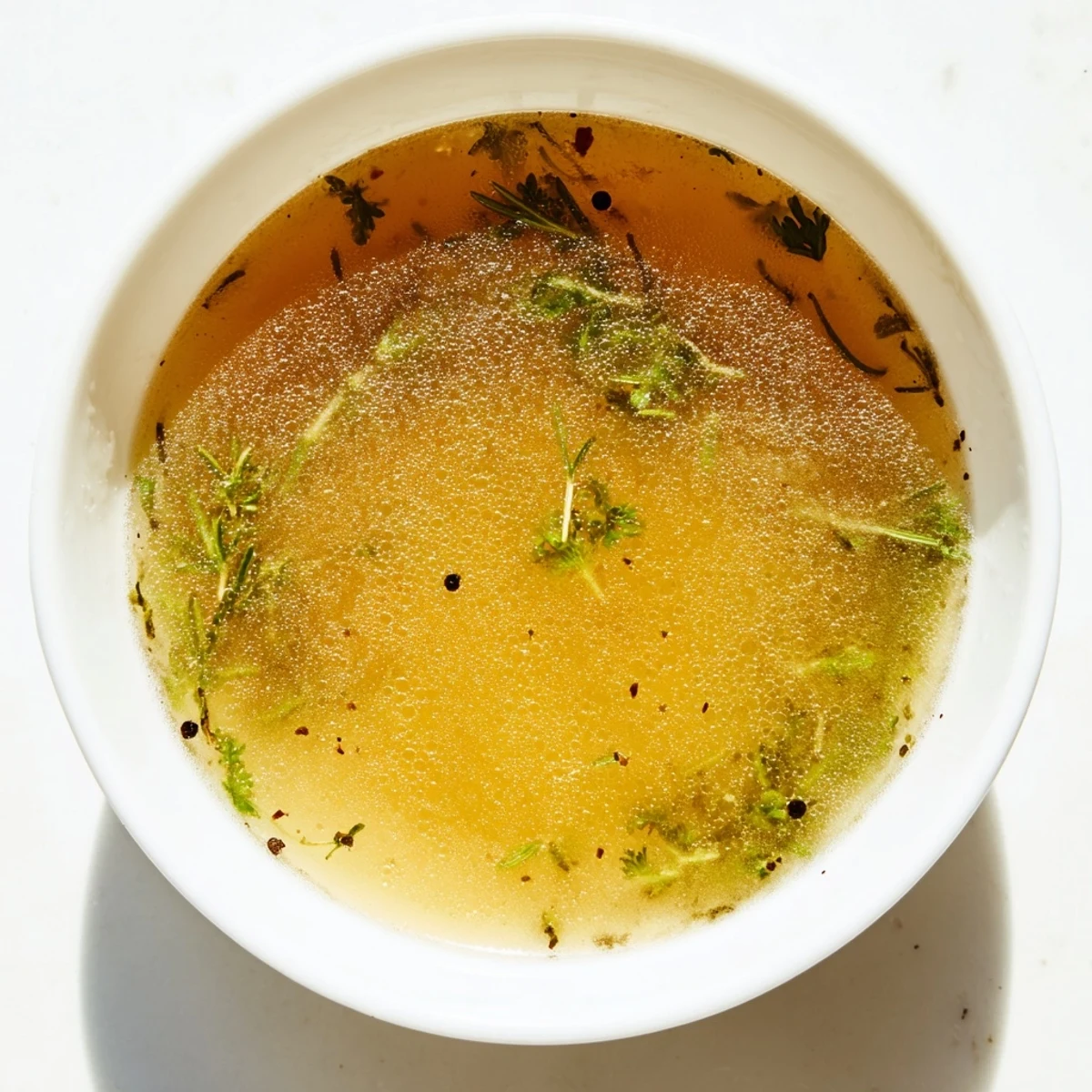
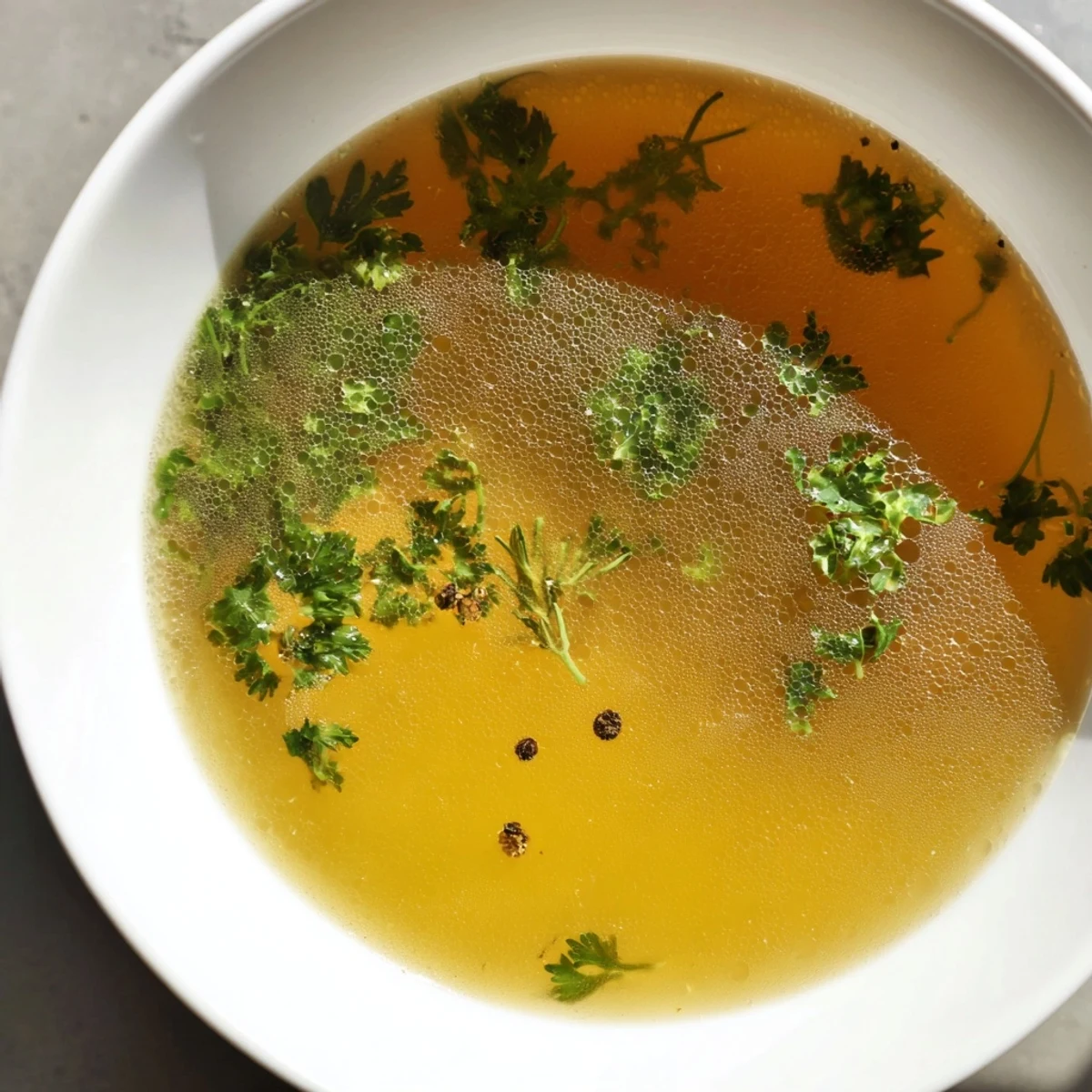
Save This nourishing liquid combines a medley of chopped carrots, celery, onion, leek, parsnip, and garlic simmered slowly with fresh parsley, thyme, rosemary, and bay leaves. Gently simmered for an hour and strained for clarity, it yields a clear, delicate broth ideal for enhancing soups, risottos, or enjoyed warm on its own. Optional roasting of vegetables deepens the flavor profile. This low-fat, vegan, and gluten-free infusion captures bright and earthy notes for versatile culinary use.
The first time I made vegetable broth from scratch, I stood over the pot with wooden spoon in hand, absolutely mesmerized by how kitchen scraps could transform into something golden and fragrant. My grandmother used to save every carrot end and onion skin in a freezer bag, a habit I once found puzzling until that first simmer. Now my freezer holds its own collection of vegetable odds and ends, each one destined for broth-making day. The house fills with this earthy, comforting aroma that somehow makes even the grayest winter afternoon feel warmer.
Last winter, during a particularly relentless cold snap, my neighbor came over with a bag of vegetables from her garden that were past their prime. We spent the afternoon chopping and simmering, transforming those slightly wilted carrots and softening celery into broth that became the base for countless soups shared between our families. There is something deeply satisfying about rescuing vegetables and giving them this second, more fragrant life.
Ingredients
- 2 medium carrots: These provide natural sweetness and a beautiful golden color to your broth
- 2 celery stalks: Essential for that classic savory background flavor you expect from good broth
- 1 large onion: The foundation of flavor, leaving the skin on adds richness without bitterness
- 1 leek: Adds a subtle, sophisticated depth that regular onions cannot quite achieve
- 1 medium parsnip: An optional addition but brings a lovely earthy sweetness
- 2 cloves garlic: Smashed releases more flavor than mincing for broth purposes
- 1 small bunch fresh parsley: Brightens all the other earthy flavors
- 4 to 5 sprigs fresh thyme: Woody herbs hold up better to long simmering than delicate ones
- 2 sprigs rosemary: Use sparingly as it can overpower, but it adds wonderful complexity
- 2 bay leaves: The secret backbone of many classic broths
- 10 whole black peppercorns: Whole spices release flavor gradually instead of becoming bitter
- 1 1/2 teaspoons salt: Season lightly now since you can adjust when using the broth later
- 2 liters cold water: Cold water helps extract flavors more gradually than hot
Instructions
- Prep your vegetables with intention:
- Rinse everything well and cut into generous chunks, remembering these will simmer for an hour and smaller pieces might disintegrate completely.
- Build the flavor foundation:
- Combine carrots, celery, onion, leek, parsnip, and garlic in your largest stockpot, creating a colorful mountain of vegetables.
- Add the aromatic layer:
- Nestle the parsley, thyme, rosemary, bay leaves, peppercorns, and salt among the vegetables like you are tucking them in for a long nap.
- Cover with cold water:
- Pour in enough water to completely submerge everything, giving everything a gentle stir to settle ingredients.
- Bring to the boil:
- Set over medium-high heat and watch as the vegetables dance and rise when bubbles begin to form at the edges.
- Reduce to a gentle simmer:
- Lower heat until tiny bubbles barely break the surface, maintaining this pace for the full hour of cooking.
- Skim as needed:
- Every so often, use a ladle to remove any foam that rises to the top for a clearer finished broth.
- Strain and separate:
- Pour everything through a fine-mesh sieve into a clean container, letting the vegetables work one last time as they catch in the sieve.
- Taste and adjust:
- This is your moment to add more salt if needed, remembering it should taste slightly more seasoned than perfect since it will season whatever dish you use it in.
 Save
Save This broth became my go-to gift for new parents and sick friends, a way to offer comfort that feels more personal than a casserole. The act of making it is itself restorative, forcing you to slow down and pay attention to the subtle changes in aroma and color. Standing over that simmering pot has become a sort of meditation in my kitchen routine.
Making It Ahead
Cool the strained broth completely before refrigerating, preferably by setting your container in an ice water bath to bring the temperature down quickly. Once cold, transfer to airtight containers where it will keep happily for up to five days, ready for whenever inspiration strikes.
Freezing Guidelines
Portion the cooled broth into freezer-safe containers or resealable bags, leaving about an inch of space at the top since liquids expand when frozen. Label with the date because time disappears in the freezer and you will appreciate knowing exactly what you are reaching for three months from now.
Flavor Variations
Roast your vegetables at 200°C for 25 minutes before simmering for a broth with deep, caramelized notes that can stand up to heartier dishes. Consider adding mushroom stems for umami richness or a piece of dried kombu for mineral depth, remembering to remove any solids before straining.
- Add fresh fennel for a lovely anise note that pairs beautifully with seafood dishes
- A piece of fresh ginger transforms it into an Asian-inspired broth perfect for noodle soups
- Tomato skins add body and a subtle richness, especially when roasted first
 Save
Save There is a quiet pride in having a row of broth jars in your refrigerator, each one holding the potential for countless comforting meals. Once you start making your own, store-bought broth will never taste quite the same again.
Recipe FAQs
- → What vegetables are used in this broth?
-
Carrots, celery, onion, leek, parsnip, and garlic make up the vegetable base, providing a rich flavor foundation.
- → How do fresh herbs contribute to the flavor?
-
Parsley, thyme, rosemary, and bay leaves add aromatic and earthy notes, enhancing the broth's depth.
- → Can the broth be stored and for how long?
-
Store refrigerated for up to 5 days or freeze for up to 3 months to maintain freshness.
- → What cooking method intensifies the flavor?
-
Roasting the vegetables before simmering at 200°C for 25 minutes enriches the broth's taste.
- → Is this broth suitable for special diets?
-
Yes, it is vegan, gluten-free, and low in fat, fitting multiple dietary needs.