
 Save
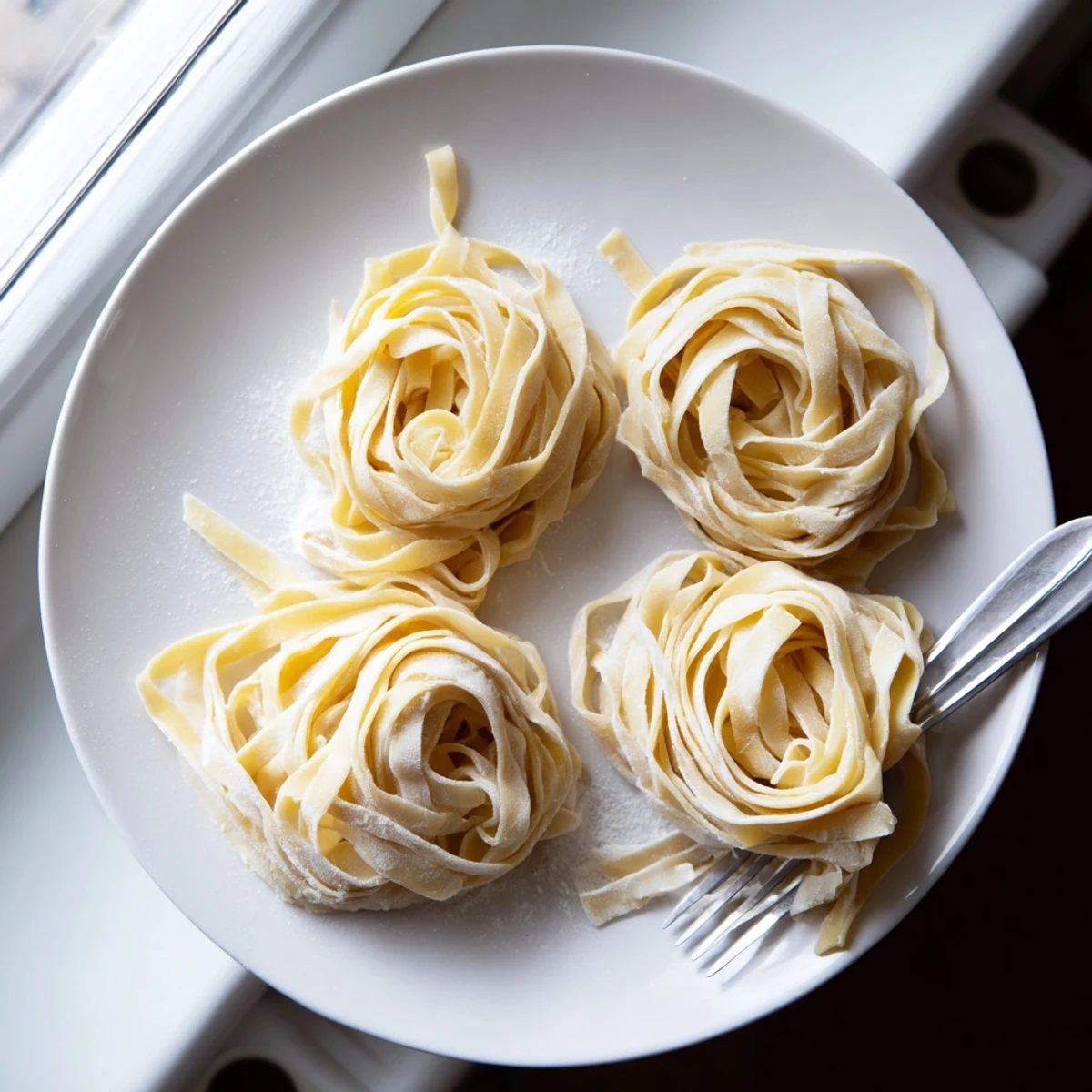
Save Craft authentic Italian-style pasta at home using active sourdough starter instead of traditional water-based dough. The natural fermentation adds subtle tanginess while creating exceptionally tender noodles with superior texture. This versatile dough works beautifully for tagliatelle, fettuccine, pappardelle, or sheets for lasagna and ravioli. The process requires just 30 minutes of active preparation followed by a one-hour rest period, allowing gluten to relax for easier rolling. Fresh pasta cooks quickly—just 2-3 minutes in salted boiling water—making it an achievable project for home cooks seeking artisanal results.
The first time I pulled fresh pasta from a pot of boiling water, I couldn't believe the difference—tender, with a subtle chew that dried pasta never achieves. Adding sourdough starter takes it to another level entirely, lending the noodles a slight tang and incredible texture that somehow makes every sauce taste better. My kitchen now smells like flour and fermentation whenever I get the urge to roll out dough.
Last winter, during a long snowed-in weekend, I made batch after batch of this pasta while my partner built a fire in the living room. We ate it with nothing but browned butter and sage, and I remember thinking simplicity doesn't get better than this—just flour, eggs, time, and the magic of active starter bubbling away on the counter.
Ingredients
- 200 g all-purpose flour: Bread flour works too for a slightly chewier texture, but all-purpose gives the most tender results for homemade pasta
- 100 g active sourdough starter: Use starter at peak bubbliness, ideally 4-6 hours after feeding, for the best rise and flavor development
- 2 large eggs: Room temperature eggs incorporate more easily into the dough—take them out about 30 minutes before starting
- 1/2 tsp fine sea salt: Fine salt dissolves evenly throughout the dough without leaving gritty spots
- 1 tbsp olive oil: This optional addition makes the dough more forgiving and easier to roll, especially for beginners
Instructions
- Mix the foundation:
- Whisk together flour and salt in a wide bowl, then create a deep well in the center like a little crater ready to catch the wet ingredients
- Combine wet and dry:
- Pour your bubbly starter, cracked eggs, and olive oil into the well, then use a fork to gradually pull flour from the edges into the liquid until a shaggy, rough dough forms
- Knead to smooth:
- Turn the dough onto a lightly floured surface and knead firmly for 8 to 10 minutes, pushing it away with your heel and folding it back until it feels silky and elastic like soft play dough
- Let it rest:
- Wrap the dough tightly in plastic and let it sit at room temperature for a full hour—this relaxation period makes rolling so much easier
- Roll and shape:
- Cut the dough in half, keep one piece covered, and roll the other to your preferred thinness using a pasta machine or rolling pin, then cut into fettuccine, tagliatelle, or sheets
- Cook quickly:
- Drop the fresh noodles into boiling salted water and cook for just 2 to 3 minutes—taste testing frequently—until tender with a slight bite
 Save
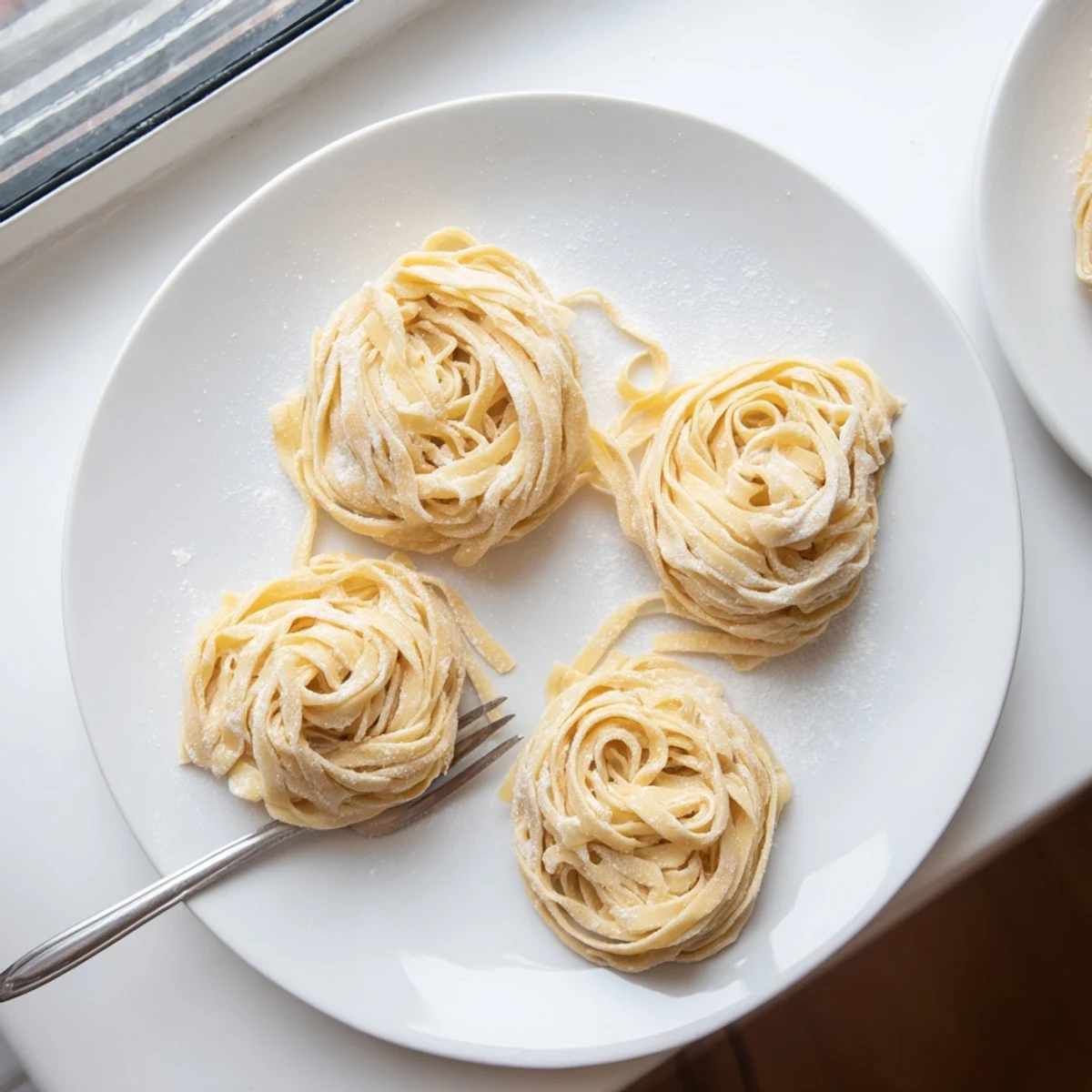
Save My friend Sarah came over once and we spent the entire afternoon rolling pappardelle by hand, drinking wine and laughing at our irregular noodle widths. Those imperfect, hand-cut strands tasted better than any machine-made pasta I've ever had, reminding me that imperfection is often the secret ingredient in homemade food.
Making It Your Own
Fold fresh herbs like chopped sage, rosemary, or thyme into the dough for aromatic noodles that need nothing more than browned butter. A pinch of turmeric or saffron creates beautiful golden pasta that looks stunning on the plate and pairs perfectly with creamy sauces.
Timing Your Dough
You can make the dough up to 24 hours ahead and refrigerate it, but bring it to room temperature before rolling—cold dough fights back and makes the process unnecessarily difficult. I've learned this the hard way, wrestling with stiff pasta that refused to cooperate.
Perfect Pairings
The slight tang from sourdough makes this pasta incredibly versatile, standing up beautifully to rich meat sauces while remaining delicate enough for simple butter and herbs. My favorite combination might be the noodles tossed with pesto, dollops of fresh ricotta, and an extra drizzle of olive oil.
- Dried pasta can't compare to the tender, toothsome bite of fresh noodles
- Save the pasta water—its starch content helps sauces cling to every strand
- Work quickly once the pasta is cut, as fresh dough dries out faster than you'd expect
 Save
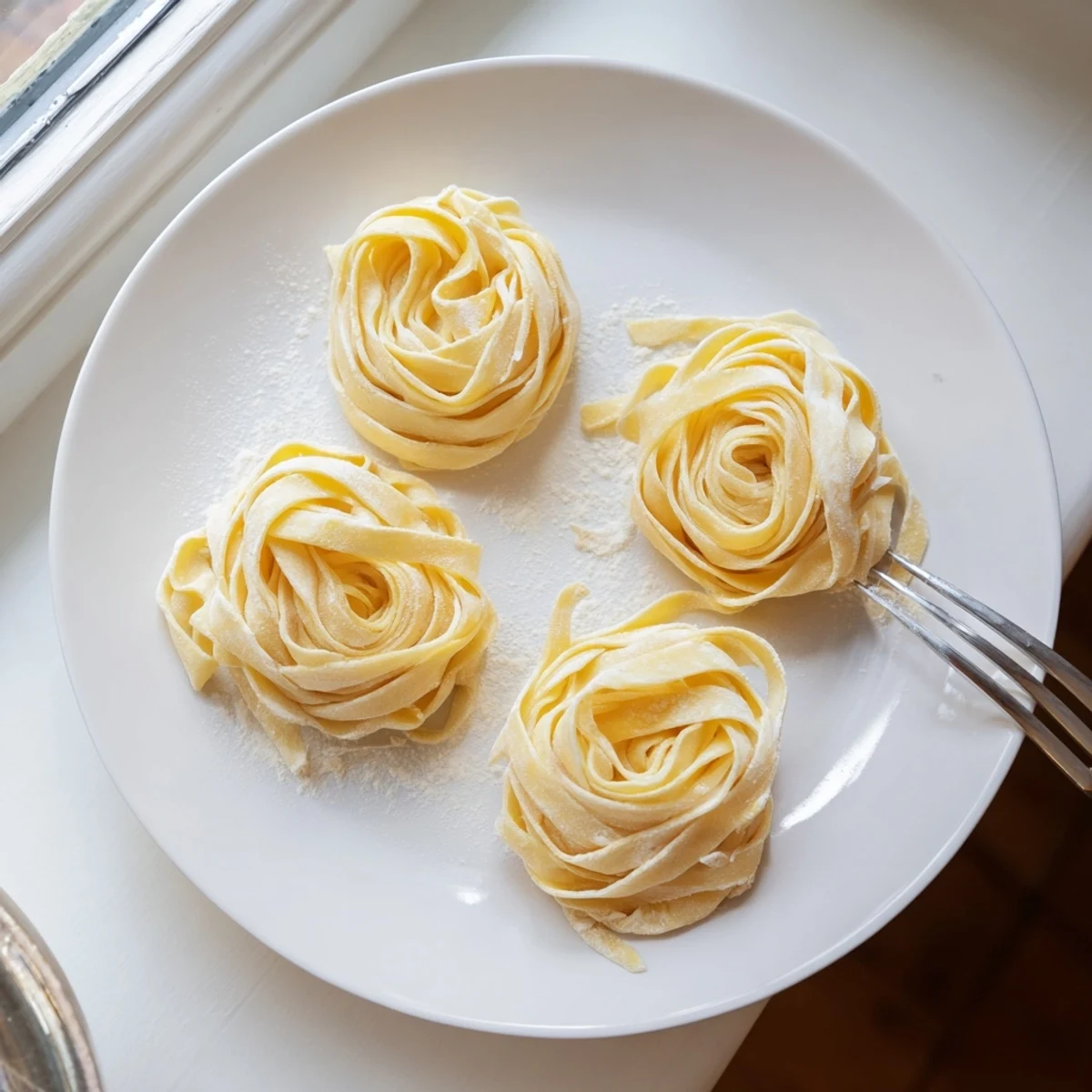
Save There's something deeply satisfying about turning simple ingredients into something so delicious, and once you taste homemade sourdough pasta, you might find it hard to go back to the dried stuff.
Recipe FAQs
- → What does sourdough add to pasta dough?
-
Sourdough starter contributes subtle tanginess and enhances texture through natural fermentation. The active cultures create more tender noodles with complex flavor depth, while the acidic nature helps develop gluten structure for better elasticity during rolling.
- → Can I use inactive starter for this dough?
-
For optimal results, use active, bubbly starter that has been recently fed. Inactive or discarded starter may lack sufficient fermentation activity, resulting in denser texture and less pronounced flavor development during the resting period.
- → How thin should I roll the pasta?
-
For tagliatelle and fettuccine, roll to setting 6-7 on a pasta machine or about 1/16 inch thickness. For pappardelle, slightly thicker works well. When making filled pasta like ravioli, aim for thin but sturdy sheets that won't tear during filling and cooking.
- → Why does the dough need to rest for an hour?
-
The resting period allows gluten strands to relax after kneading, making the dough more pliable and easier to roll without snapping back. This essential step ensures even thickness and prevents the pasta from becoming tough during cooking.
- → Can I make the dough ahead of time?
-
The dough can be prepared up to 24 hours in advance and refrigerated. Bring to room temperature before rolling, as cold dough will be stiffer and more difficult to work with. Extra fermentation time may enhance the sourdough flavor slightly.
- → What sauces pair best with sourdough pasta?
-
The tangy, nutty flavor profile complements tomato-based sauces, rich pesto, or browned butter with sage. The pasta's robust texture also stands up well to meat ragù or cream-based sauces. Avoid overly heavy toppings that might mask the subtle fermentation notes.