
 Save
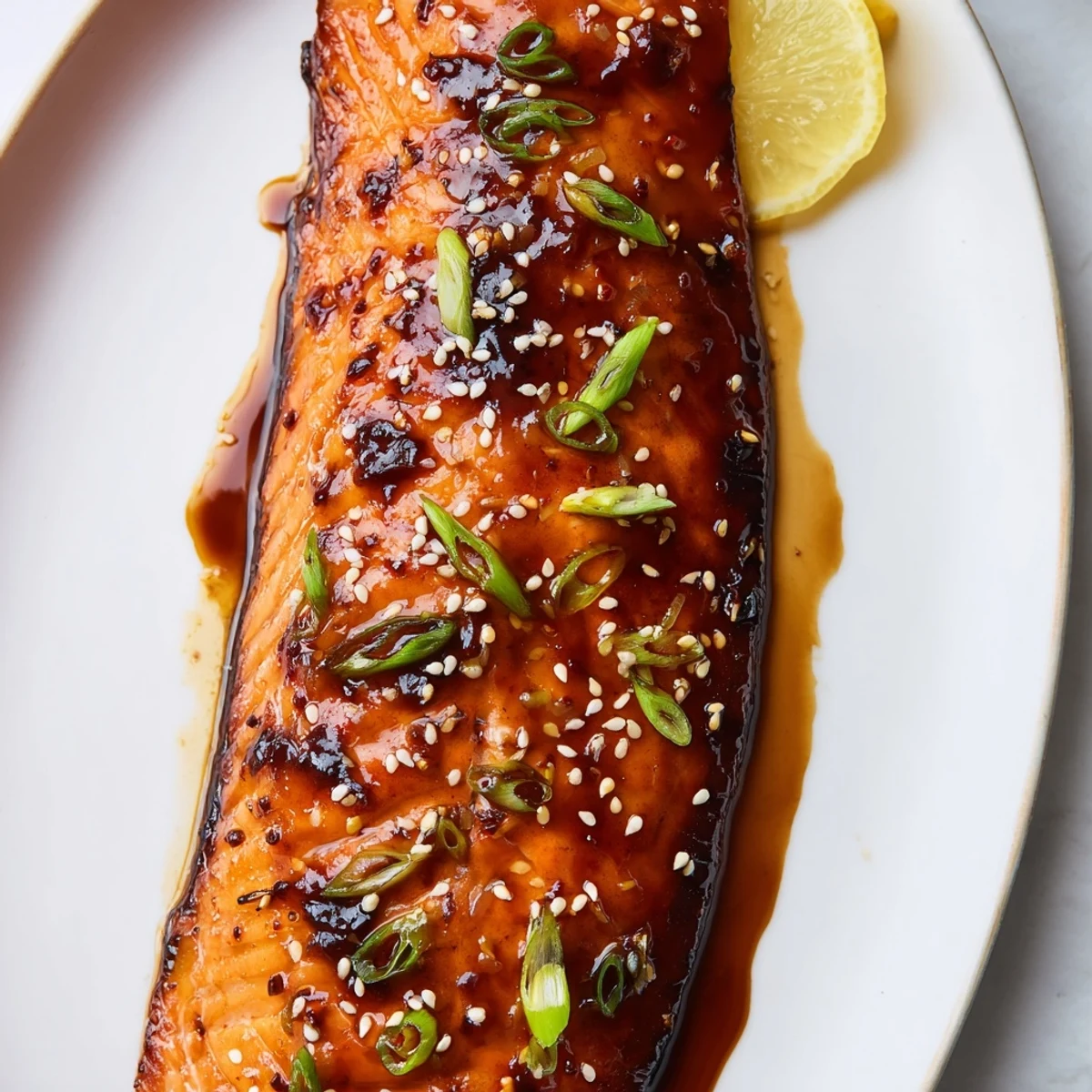
Save This gluten-free teriyaki salmon brings together succulent fillets with a glossy, umami-rich sauce made from tamari, maple syrup, rice vinegar, and fresh ginger. The salmon is generously brushed with the homemade glaze and oven-baked until perfectly flaky, with an optional broil for extra caramelization.
Ready in just 25 minutes with 10 minutes of prep, it's an ideal weeknight dinner that doesn't compromise on flavor. Topped with toasted sesame seeds and sliced green onions, each serving delivers 34g of protein at only 320 calories.
Serve alongside steamed rice and sautéed vegetables for a complete, satisfying meal that's both gluten-free and packed with bold Asian-inspired flavors.
The sizzle of salmon hitting a hot baking sheet is one of those kitchen sounds that instantly makes everyone wander toward the oven wondering what is for dinner. My friend Clara introduced me to homemade teriyaki sauce years ago at her tiny apartment kitchen where she whisked tamari and maple syrup together while telling me about her trip to Tokyo. I had been buying bottled teriyaki for years and felt almost embarrassed when I realized how few ingredients it actually took to make something far better from scratch. This gluten free version became a weeknight staple in my house after my brother started avoiding gluten and I refused to serve him something boring.
I made this for a rainy Tuesday dinner when the fridge held nothing but salmon fillets and condiments and my partner declared it better than our favorite Japanese restaurant down the street.
Ingredients
- 4 salmon fillets about 150 g each: Skin on holds together beautifully during baking but skin off works fine if you prefer.
- 60 ml gluten free tamari: This is your umami backbone so use a good quality one and taste it before adding anything else.
- 2 tbsp pure maple syrup: Adds a rounded sweetness that honey can also provide though maple gives a softer more nuanced flavor.
- 2 tbsp rice vinegar: The gentle acidity balances the richness of the salmon and cuts through the sweetness perfectly.
- 1 tbsp sesame oil: A little goes a long way and toasting it briefly in the pan releases an incredible nutty aroma.
- 2 cloves garlic minced: Fresh garlic is nonnegotiable here because the preminced jar version lacks the sharp bite this sauce needs.
- 1 tsp fresh ginger grated: I keep a knob of ginger in my freezer and grate it straight from frozen for maximum juice and flavor.
- 1 tbsp cornstarch mixed with 2 tbsp cold water: This slurry transforms thin liquid into a glossy glaze that clings to every inch of the salmon.
- 1 tbsp toasted sesame seeds: Toasting them yourself in a dry pan for thirty seconds makes a surprising difference in flavor.
- 2 green onions thinly sliced: Scatter these on at the very end so they stay bright and crisp.
- Lemon wedges optional: A squeeze of lemon right before eating wakes up all the flavors beautifully.
Instructions
- Prepare your oven and pan:
- Heat the oven to 200 degrees Celsius which is 400 degrees Fahrenheit and line a baking sheet with parchment paper so cleanup takes exactly ten seconds.
- Build the teriyaki sauce:
- In a small saucepan over medium heat combine the tamari maple syrup rice vinegar sesame oil garlic and ginger then bring it to a gentle simmer until the kitchen smells incredible.
- Thicken the glaze:
- Stir in the cornstarch slurry and whisk constantly for one to two minutes until the sauce coats the back of a spoon like warm honey then pull it off the heat.
- Glaze the salmon:
- Arrange the fillets on your prepared baking sheet and brush them generously with the teriyaki sauce saving a little extra for drizzling at the end.
- Bake until perfect:
- Slide the pan into the oven for twelve to fifteen minutes until the salmon turns opaque and flakes apart easily with a fork and if you want that irresistible sticky caramelized edge hit it under the broiler for the final two minutes.
- Finish and serve:
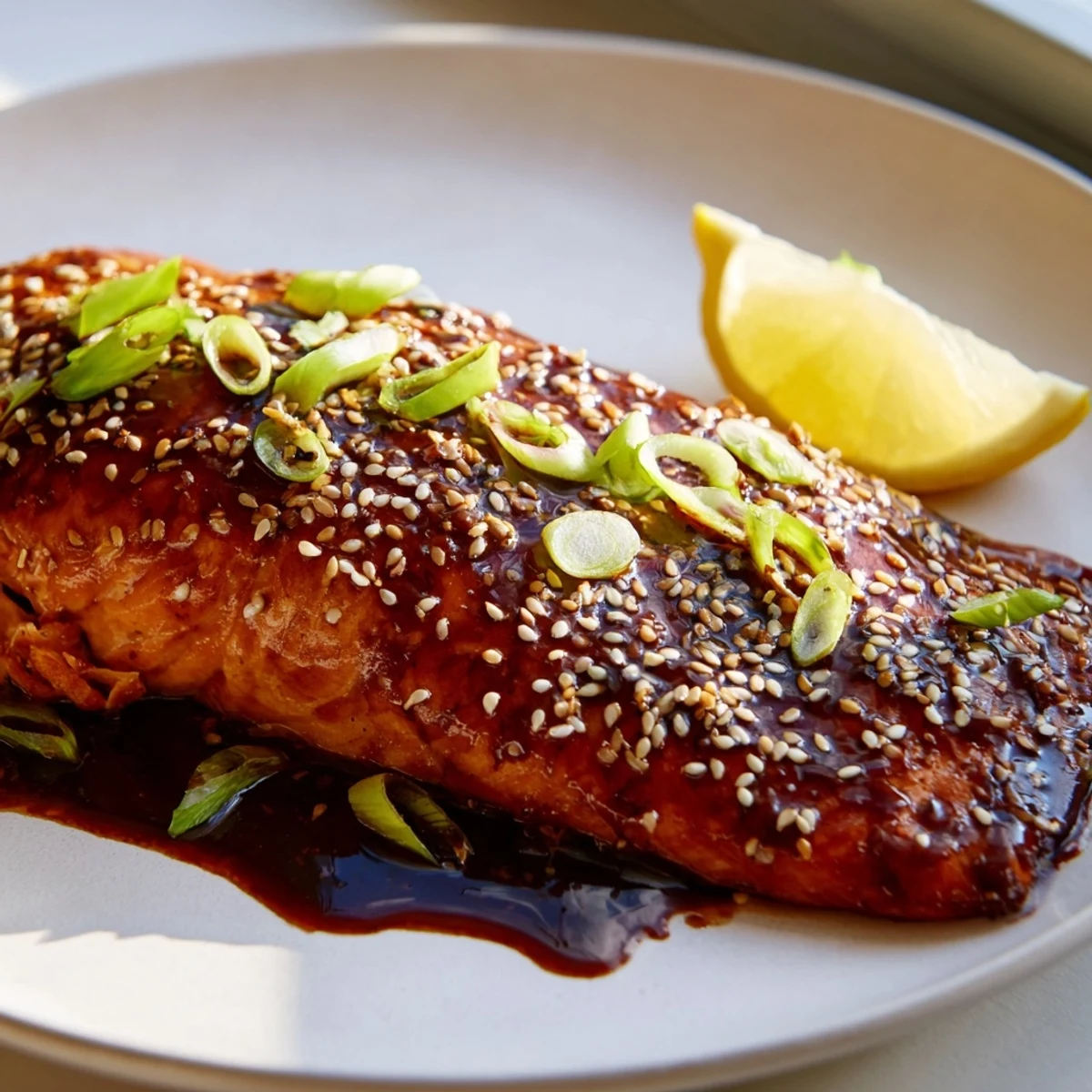
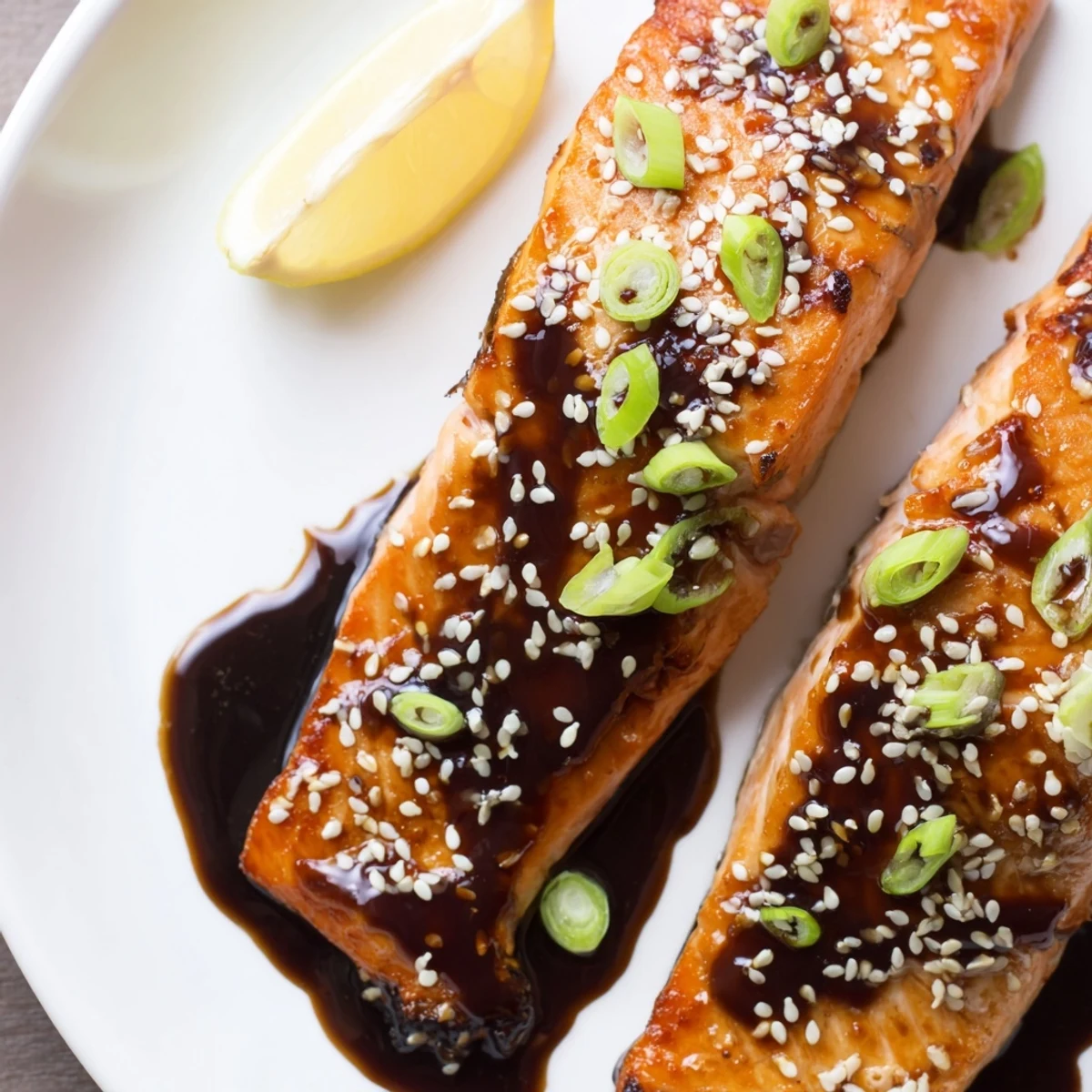
- Drizzle the reserved sauce over each fillet and scatter sesame seeds and sliced green onions across the top then serve with lemon wedges alongside steamed rice or sauteed vegetables.
 Save
Save The night I served this to my neighbor who claimed she did not like fish she went back for seconds and then quietly asked if she could take the last piece home for lunch the next day.
What to Serve Alongside
Steamed jasmine rice soaks up the extra teriyaki sauce like nothing else and a pile of quickly sauteed bok choy or snap peas adds crunch and freshness. A glass of crisp Sauvignon Blanc alongside turns a random weeknight into something that feels deliberately special without requiring reservations.
Tools That Make This Easy
A small saucepan a whisk and a pastry brush are really all you need beyond a basic baking sheet. The parchment paper is worth mentioning twice because scrubbing baked teriyaki off a bare pan is a chore nobody deserves after a lovely dinner.
Storing and Reheating
Leftover salmon keeps well in the fridge for up to two days and reheats gently in a low oven without drying out too badly. I actually love flaking cold leftover teriyaki salmon over a bowl of rice the next morning with a drizzle of any remaining sauce.
- Do not microwave the salmon on high power because it will cook further and turn dry and chalky.
- The sauce thickens in the fridge so warm it with a splash of water to loosen it back up.
- Always store the sauce and fish separately if you have any intention of enjoying leftovers at their best.
 Save
Save This recipe has a way of making an ordinary evening feel like you put in far more effort than twenty five minutes. Keep it in your back pocket and watch it become the dish people request from you again and again.
Recipe FAQs
- → Can I use regular soy sauce instead of tamari?
-
Regular soy sauce contains gluten, so it won't work for a gluten-free dish. Tamari is a gluten-free alternative with a similar rich, savory flavor. If gluten isn't a concern for you, regular soy sauce works perfectly fine in the teriyaki glaze.
- → How do I know when the salmon is fully cooked?
-
Salmon is done when it turns opaque throughout and flakes easily when pressed gently with a fork. The internal temperature should reach 63°C (145°F). Avoid overcooking, as the fish will become dry. Typically, 12 to 15 minutes at 200°C is ideal for fillets around 150g each.
- → Can I marinate the salmon before baking?
-
Yes, marinating the salmon in half the teriyaki sauce for about 30 minutes before baking adds extra depth of flavor. Reserve the remaining sauce for brushing during baking and drizzling at the end. Avoid marinating longer than 1 hour, as the acidity can start to break down the fish texture.
- → What sides pair well with teriyaki salmon?
-
Steamed jasmine or basmati rice is a classic pairing that soaks up the extra glaze beautifully. Sautéed vegetables like bok choy, snap peas, or broccoli complement the dish well. For a lighter option, serve with a crisp cucumber salad or simple mixed greens with a sesame vinaigrette.
- → Can I make the teriyaki sauce ahead of time?
-
Absolutely. The teriyaki sauce can be prepared up to 5 days in advance and stored in an airtight container in the refrigerator. Gently reheat it in a saucepan over low heat, whisking to restore its smooth consistency before brushing onto the salmon.
- → How should I store and reheat leftovers?
-
Store leftover salmon in an airtight container in the refrigerator for up to 2 days. To reheat, place the salmon in a preheated oven at 150°C (300°F) for about 8 to 10 minutes. Avoid microwaving, as it can make the fish tough and unevenly heated. Enjoy leftovers cold over a salad as well.