
 Save
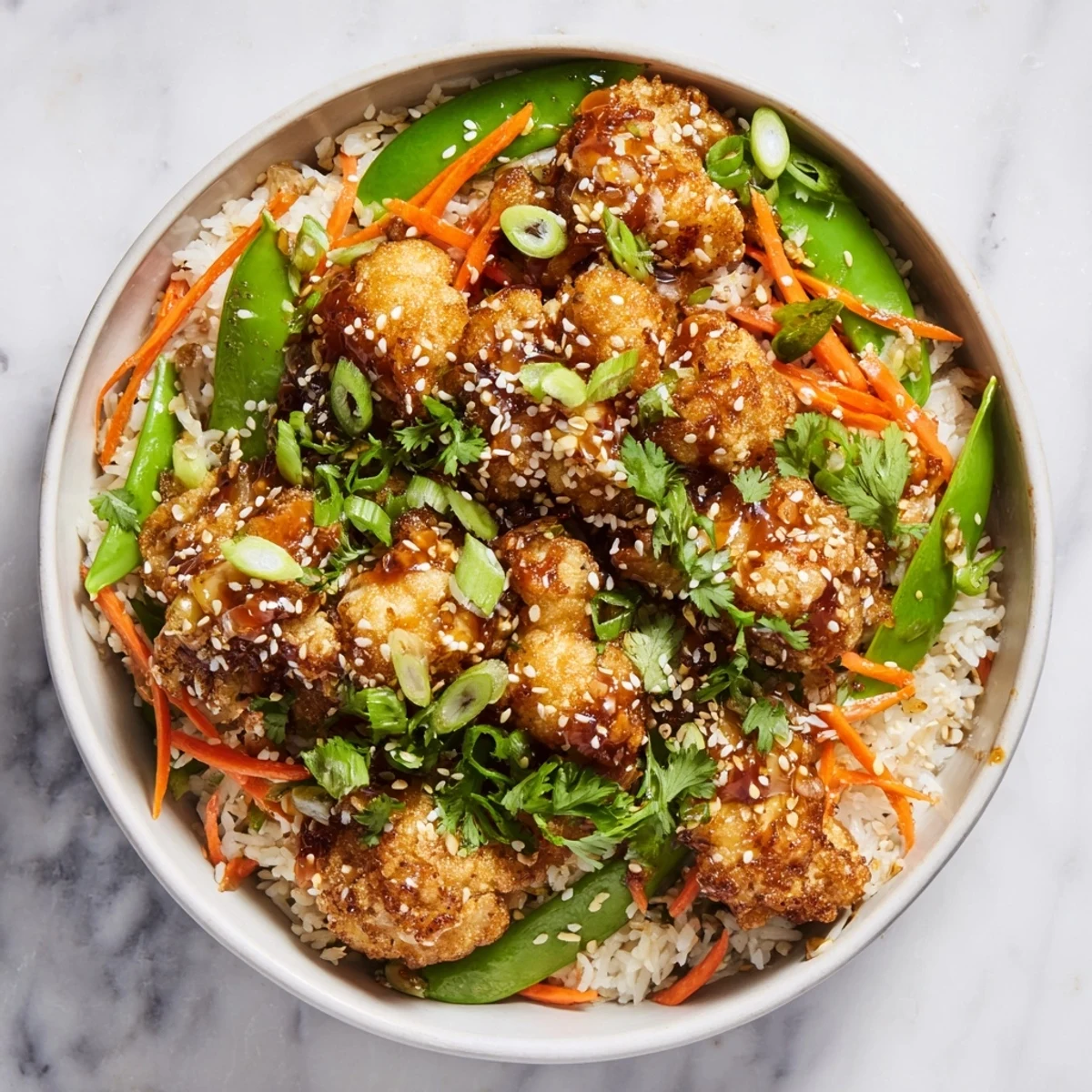
Save These vibrant bowls feature golden roasted cauliflower florets coated in a homemade General Tsos sauce, balancing sweet, tangy, and savory flavors. The crispy battered cauliflower pairs perfectly with fluffy jasmine rice, crisp julienned carrots, and fresh snow peas for texture contrast. A sprinkle of sesame seeds and fresh green onions adds the finishing touch to this satisfying plant-based dinner that brings restaurant-quality Asian-inspired flavors to your table in under an hour.
The first time I made this, my kitchen smelled like my favorite takeout spot but without the inevitable wait time or the disappointment of lukewarm delivery. My roommate wandered in, drawn by that irresistible sweet and savory aroma, and couldn't believe these golden crispy bites were entirely plant-based. Now it's become our Friday night ritual, somehow feeling indulgent while still being wholesome enough that we don't end up in a food coma afterward.
Last month I served these bowls to my meat-loving brother who spent the entire meal trying to figure out what kind of chicken I'd used. When I finally told him it was cauliflower, he literally paused mid-bite, stared at his bowl, then went right back eating. Thats the kind of quiet victory that makes recipe testing entirely worth it.
Ingredients
- 1 large head cauliflower: Cut into evenly sized florets so they all crisp up at the same rate, nothing worse than some pieces burning while others are still raw
- 1 cup all-purpose flour: Creates that essential first layer for the batter to stick to
- 1 cup unsweetened plant-based milk: Soy or almond work beautifully, just avoid anything vanilla flavored or sweetened
- 1½ cups panko breadcrumbs: Japanese breadcrumbs give that extra light and airy crunch that regular crumbs just can't match
- ½ tsp salt and ¼ tsp black pepper: Season every layer of the breading process so the cauliflower itself isn't bland
- 2 tbsp vegetable oil: A light drizzle or spray helps the breading turn golden rather than pale and soft
- ¼ cup low-sodium soy sauce: Using low-sodium gives you control over the salt level since other ingredients add sodium too
- 3 tbsp hoisin sauce: This is the secret ingredient that gives that authentic restaurant depth and glossiness
- 3 tbsp brown sugar: Balances the savory elements and helps the sauce caramelize beautifully on the cauliflower
- 2 tsp freshly grated ginger: Fresh makes such a difference here, the jarred stuff can taste metallic and harsh
- 3 garlic cloves: Don't be shy with the garlic, it mellows nicely when simmered in the sauce
- 1½ tbsp cornstarch: This thickens the sauce so it actually coats the cauliflower instead of running right off
- 1 tsp toasted sesame oil: Add this at the very end to preserve its delicate aroma, heating it too long makes it bitter
- 1–2 tsp sriracha: Start with one teaspoon and taste before adding more, the heat builds as it simmers
- 3 cups cooked rice: Jasmine is my go-to for its fluffy texture and subtle floral notes
- Fresh vegetables: Carrot snow peas and green onions add crunch color and freshness to balance the rich sauce
- Sesame seeds and cilantro: These garnishes might seem optional but they make the whole bowl look and taste restaurant-worthy
Instructions
- Get your oven ready:
- Preheat to 425°F and line a large baking sheet with parchment paper, this prevents sticking and makes cleanup so much easier later.
- Set up your breading station:
- Mix the flour with salt and pepper in one shallow bowl, pour the plant milk into a second, and place panko in a third, having them in this order makes the process smooth and methodical.
- Coat the cauliflower:
- Dip each floret first in flour, shaking off excess, then milk, then press gently into panko to help it adhere, arrange them in a single layer without overcrowding the pan.
- Bake until golden:
- Drizzle or spray with oil then bake for 25 to 30 minutes, flipping halfway through, you want them deeply golden and crispy all over.
- Start the sauce base:
- Whisk together soy sauce, water, rice vinegar, hoisin, brown sugar, ginger, garlic, and sriracha in a small saucepan, bring it to a gentle simmer over medium heat.
- Thicken it up:
- Stir cornstarch with water to make a smooth slurry, whisk it into the bubbling sauce and cook for 2 to 3 minutes until it coats the back of a spoon.
- Finish with aromatics:
- Remove from heat and stir in that sesame oil, the sauce should be glossy and thick enough to cling to the cauliflower.
- Bring it all together:
- Toss the baked cauliflower gently with warm sauce until every piece is coated, work quickly so they stay crispy.
- Build your bowls:
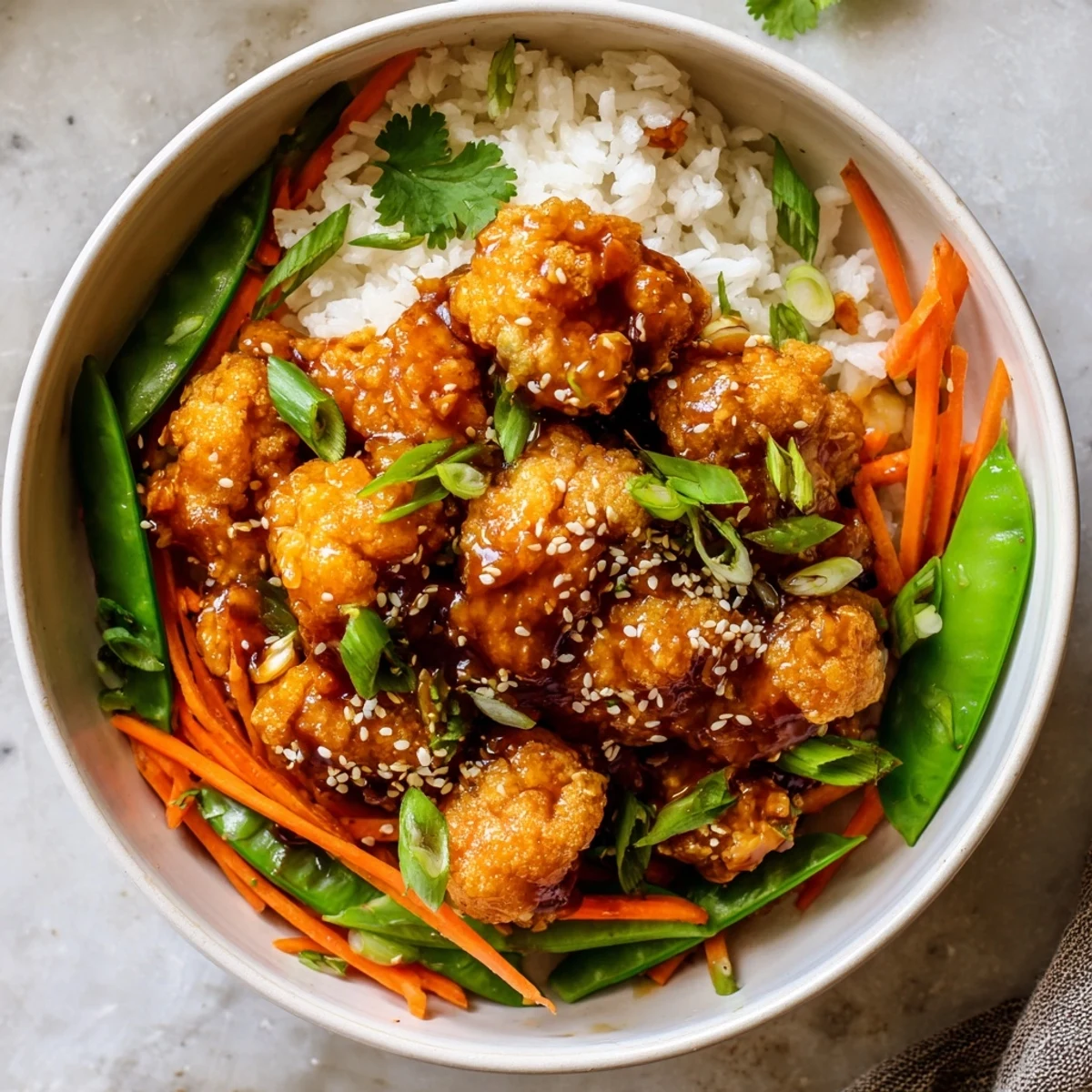
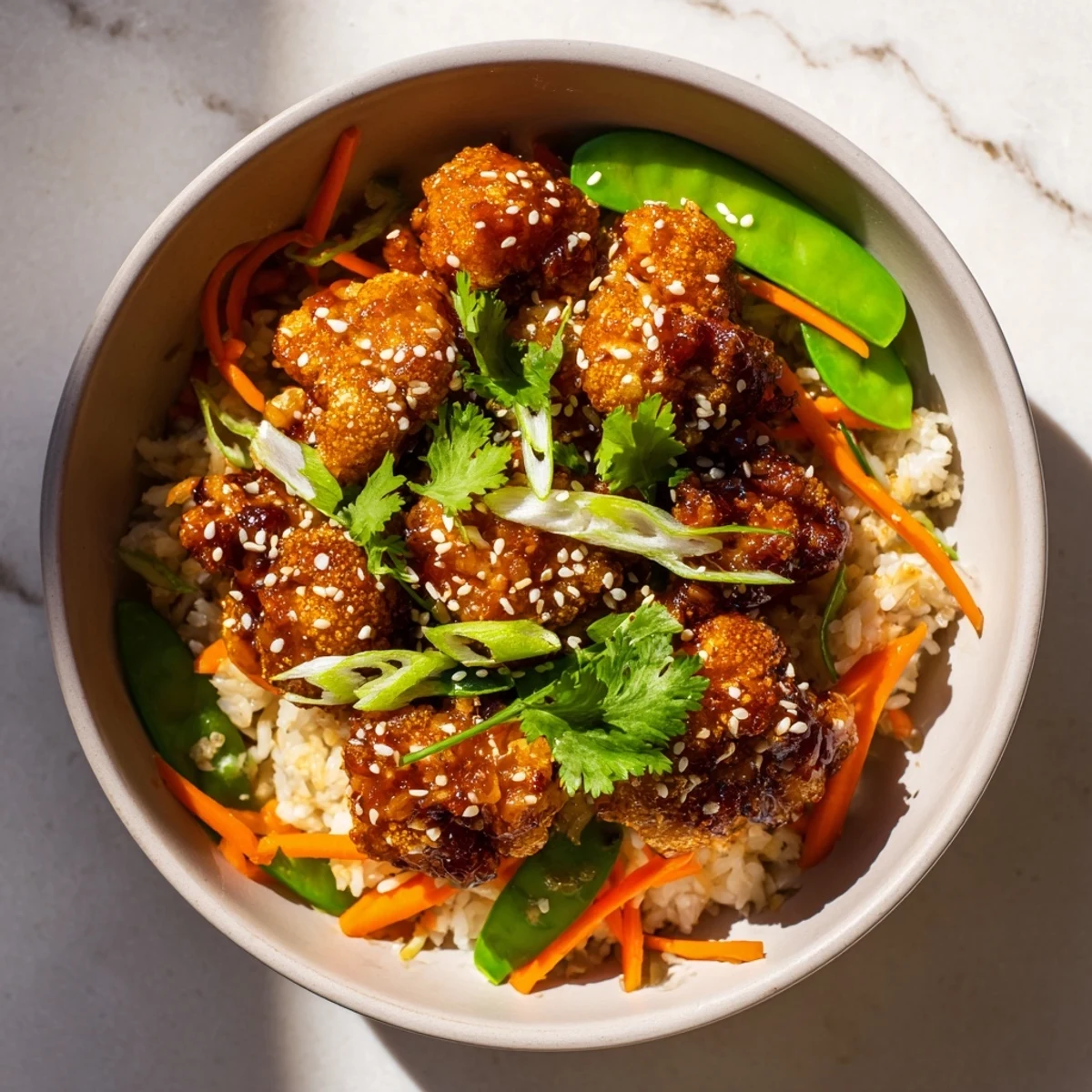
- Divide rice among four bowls, top with sauced cauliflower and arrange fresh vegetables around the edges, finish with sesame seeds and cilantro.
 Save
Save My friend Sarah texted me at midnight after making these for her family, saying her six-year-old had asked if they could have cauliflower for dinner every night. When something this healthy gets that kind of reception, you know you've found a keeper recipe.
Getting That Perfect Crunch
The difference between good and great cauliflower bites comes down to not overcrowding the pan. I learned this the hard way when I tried to cram everything onto one baking sheet and ended up with sad, steamed, soggy florets. Give each piece room to breathe and you'll get that restaurant-quality crunch that makes people do a double take when you tell them it's not chicken.
Make-Ahead Magic
You can bread the cauliflower hours before baking, just keep them uncovered on the baking sheet in the refrigerator. The cold air actually helps the coating set even better. I often prep everything in the afternoon so dinner comes together in under 15 minutes when I'm tired after work.
Sauce It Your Way
This sauce recipe is incredibly forgiving once you understand the ratios. Sometimes I'll add extra hoisin for more depth, other times I crank up the sriracha when I'm craving heat. The key is maintaining that balance between sweet, salty, tangy, and spicy.
- Double the sauce recipe if you love extra drizzle over your rice
- Sub maple syrup for brown sugar if that's what you have on hand
- The sauce keeps for a week in the fridge and is fantastic on stir-fries too
 Save
Save There's something deeply satisfying about transforming a humble head of cauliflower into something that feels like a special occasion treat. This recipe has become my go-to for introducing people to the idea that plant-based eating can be every bit as crave-worthy as the foods they're used to.
Recipe FAQs
- → Can I make the cauliflower crispy without deep frying?
-
Yes! The oven-baked method creates beautifully crispy cauliflower. The panko breadcrumb coating combined with a light drizzle of vegetable oil and high heat (425°F) produces golden, crunchy results without the mess of deep frying. For even extra crunch, try air-frying at 375°F for 15-18 minutes, shaking halfway through cooking.
- → Is General Tsos sauce spicy?
-
Traditional General Tsos sauce has mild to medium heat. This version includes sriracha or chili sauce to taste, allowing you to control the spice level. Start with 1 teaspoon for gentle warmth, or increase to 2 teaspoons for more pronounced heat. The sauce balances the spice with sweetness from brown sugar and hoisin, creating that classic sweet-and-spicy flavor profile.
- → What can I use instead of plant-based milk?
-
Any unsweetened milk alternative works well for the batter. Soy and almond milk are excellent choices due to their neutral flavor and slightly thicker consistency. You can also use regular dairy milk if not avoiding dairy, or even water mixed with a tablespoon of olive oil for the liquid component in the breading station.
- → How long does leftover cauliflower stay crispy?
-
The cauliflower is best enjoyed immediately after tossing with the sauce for maximum crispiness. However, leftovers can be stored in an airtight container in the refrigerator for up to 3 days. To re-crisp, place in a 400°F oven for 8-10 minutes or air-fry at 375°F for 5 minutes. Store the sauce separately if meal prepping, then toss just before serving.
- → Can I make this gluten-free?
-
Absolutely! Substitute all-purpose flour with a 1:1 gluten-free flour blend, use gluten-free panko breadcrumbs, and replace soy sauce with tamari or coconut aminos. These simple swaps make the entire dish gluten-free while maintaining the crispy texture and authentic flavor profile.
- → What other vegetables work well in these bowls?
-
Beyond carrots and snow peas, consider adding steamed broccoli, bell pepper strips, sugar snap peas, shredded cabbage, or edamame. For extra greens, baby spinach or bok choy added at the end wilts nicely. Roasted vegetables like sweet potato cubes or roasted Brussels sprouts also complement the flavors beautifully.