
 Save
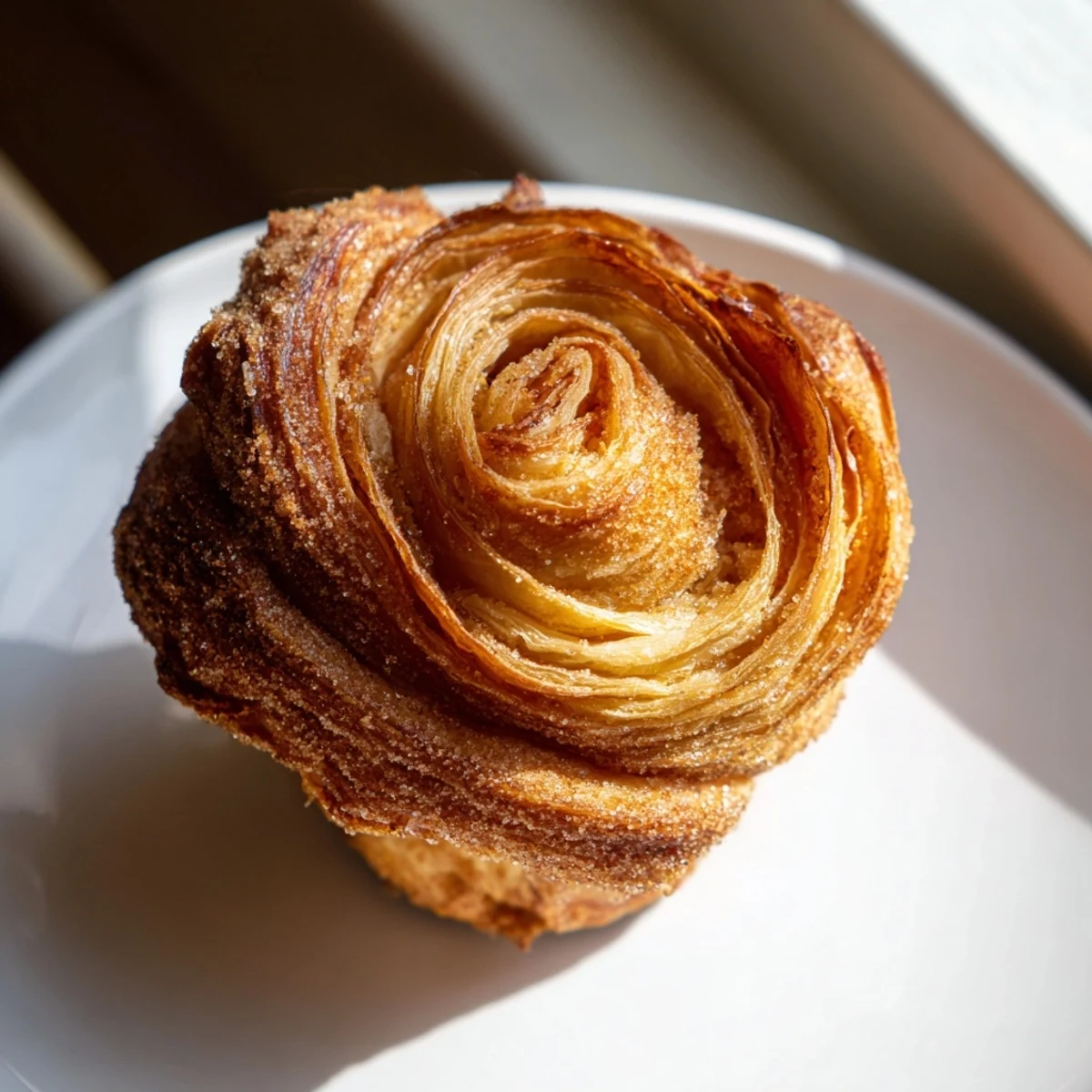
Save Cruffins bring together the best of two beloved baked goods — the razor-thin, flaky layers of a croissant and the charming portability of a muffin.
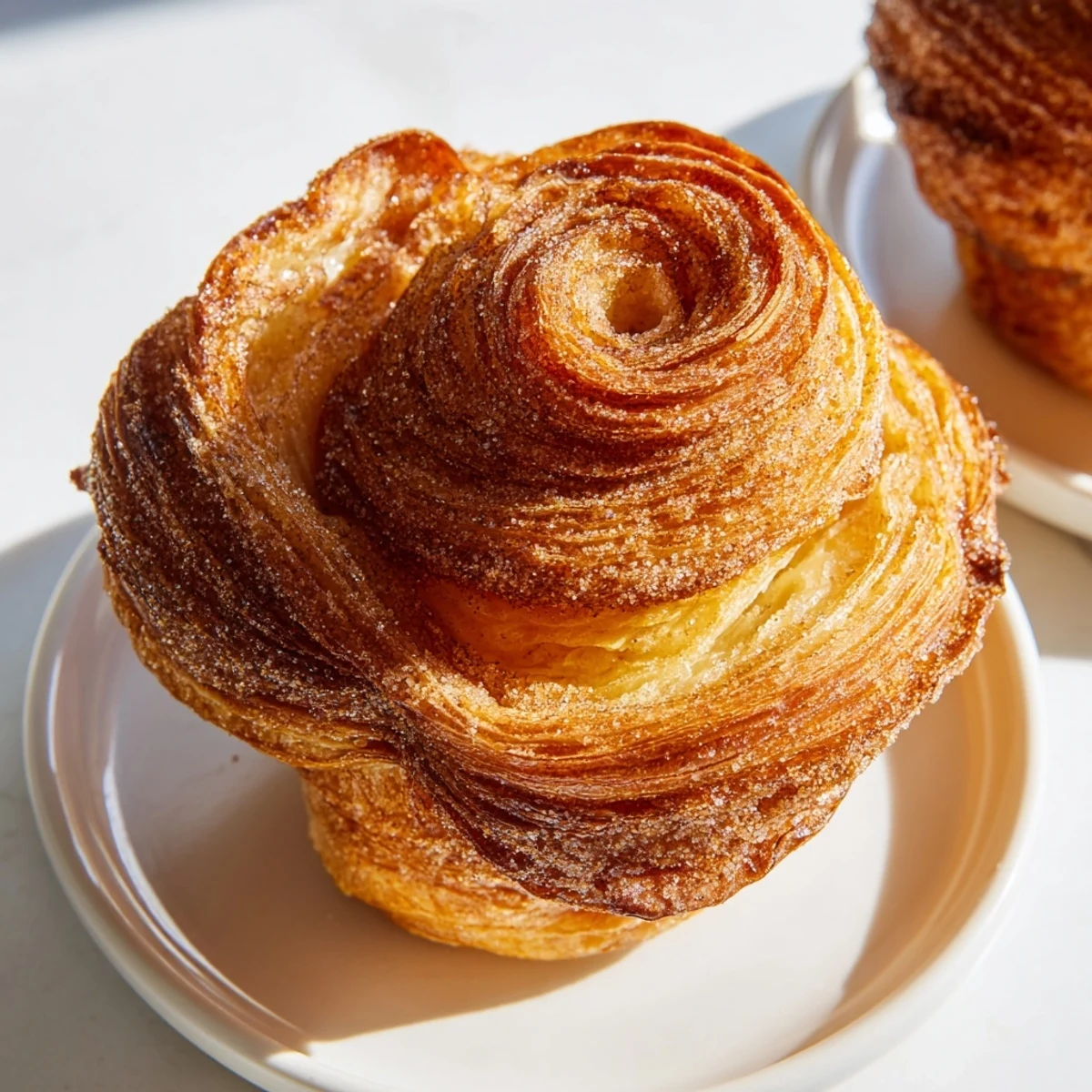
The dough is laminated with a generous butter block, folded, chilled, and rolled before being cut into strips, twisted into spirals, and coiled into muffin tins. After a final rise, they bake into tall, golden pastries with gorgeous visible layers.
Rolling them in cinnamon sugar while still warm is entirely optional but highly recommended. They are at their absolute best fresh from the oven but reheat beautifully the next day.
My kitchen counter was dusted white on a Saturday morning when I decided that croissants were too predictable and muffins too ordinary, so I split the difference and made cruffins instead. The butter laminating process left my fingertips slick and my patience thin, but when those spiraled layers puffed golden in the oven, I understood the obsession. Now weekends feel incomplete without that familiar rhythm of rolling, folding, and twisting dough into something that lives halfway between a French bakery and an American diner.
I brought a basket of these to a friends potluck and watched three people freeze mid conversation when they bit through the crisp shell into the soft, buttery interior. Someone actually set their plate down and closed their eyes, which remains the highest compliment my cooking has ever received.
Ingredients
- All purpose flour (375 g): Regular flour works beautifully here because the repeated folding builds structure that bread flour would make too tough.
- Instant yeast (7 g): Instant yeast skips the blooming step and goes straight into the dry ingredients, saving you a small bowl and ten minutes of waiting.
- Granulated sugar (40 g plus 60 g for topping): The dough needs just enough sweetness to support the butter without competing with it, while the extra sugar creates that irresistible crunchy coating.
- Salt (8 g): Do not skimp on salt because it is the quiet hero that makes butter taste more like butter and balances every gram of sugar.
- Lukewarm water (180 ml) and whole milk (70 ml): The combination hydrates the dough gently while the milk adds a tenderness that water alone cannot achieve.
- Unsalted butter (30 g melted plus 150 g for the layer): Melted butter enriches the dough itself, while the room temperature block gets pounded into a rectangle that creates those signature flaky sheets.
- Ground cinnamon (1 tsp, optional): Mixed with sugar for rolling, it adds a warmth that transforms these from breakfast pastry into something dangerously snackable.
Instructions
- Bring the dough together:
- Combine the flour, yeast, sugar, and salt in a large bowl, then pour in the lukewarm water, milk, and melted butter. Stir until everything clumps into a shaggy, sticky mass that barely holds together.
- Knead until proud:
- Turn the dough onto a clean surface and work it with the heel of your hand for about six minutes until it transforms from ragged to smooth and springs back when you poke it gently.
- Let it breathe:
- Cover the bowl with a damp towel or plastic wrap and tuck it somewhere warm for one full hour while the yeast quietly doubles its size.
- Prepare the butter slab:
- Place the room temperature butter between two sheets of parchment paper and beat it with a rolling pin into a roughly 15 by 20 centimetre rectangle, then chill it until firm but still bendable.
- Encase and fold:
- Roll the risen dough into a large rectangle, lay the butter slab on top, and fold the dough around it like an envelope so no butter peeks through anywhere.
- First turn:
- Roll the whole package out to about 30 by 50 centimetres, fold it into thirds like a business letter, rotate it ninety degrees, and repeat the roll and fold once more before wrapping it tightly and refrigerating for one hour.
- Second turn and rest:
- After the chill, give the dough one final roll and fold sequence to build those layers, then refrigerate again for another hour so the butter firms up and the gluten relaxes.
- Cut and coil:
- Roll the rested dough into its last large rectangle and cut it lengthwise into twelve even strips, then roll each strip tightly, slice it down the middle to expose the layers, and twist each half into a spiral before coiling it into a greased muffin tin cavity with the layers facing outward.
- Final rise:
- Cover the filled tin loosely and let the cruffins puff up at room temperature for about fifty minutes until they look swollen and ready to burst.
- Bake golden:
- Preheat your oven to 200 degrees Celsius and bake for eighteen to twenty two minutes until the tops are deeply golden and the kitchen smells like a bakery you never want to leave.
- Finish with flair:
- Let them cool just long enough to handle, then roll each warm cruffin in cinnamon sugar if you want that crunchy, fragrant exterior that makes people close their eyes on the first bite.
 Save
Save A friend texted me at midnight once asking for the recipe because she had dreamed about the cruffins I brought to her birthday brunch. That message confirmed what I already suspected: these little pastries have a way of burrowing into peoples memories and refusing to leave.
Shaping Without Losing Your Mind
The coiling step is where most people give up, but the trick is to keep the strips narrow and work with dough that is still cold from the fridge. If it warms up and becomes floppy, pop everything back in for ten minutes and start again without shame.
Storing for Later Enjoyment
Cruffins are at their absolute best within two hours of baking, when the exterior still shatters and the interior stays soft. If you must keep them overnight, store them in an airtight container and give them a brief warm up in a low oven to coax back some of that original texture.
Getting Creative with Fillings
Before you coil the strips, try spreading a whisper of raspberry jam or a thin smear of chocolate hazelnut spread across the dough for a filling that melts into the layers during baking. This is where the recipe stops being a formula and starts being yours.
- Go easy on fillings because too much moisture will make the layers soggy instead of flaky.
- A light dusting of powdered sugar over the finished cruffins looks elegant when you skip the cinnamon sugar roll.
- Always grease the muffin tin generously because layered dough loves to stick in the corners.
 Save
Save Make these once and you will understand why people spend entire weekends perfecting laminated dough. The reward is worth every fold, every chill, and every flour covered surface in your kitchen.
Recipe FAQs
- → Can I make cruffin dough the night before?
-
Yes. After the lamination and folding steps, wrap the dough tightly in plastic and refrigerate overnight. Let it sit at room temperature for about 15 minutes before rolling and shaping the next day.
- → Why did my cruffins not rise properly?
-
The most common cause is yeast that has lost its activity. Ensure your instant yeast is fresh and that the water and milk are lukewarm — around 35–40°C — not hot, which kills the yeast. Also verify the full resting and proofing times are respected.
- → Can I freeze baked cruffins?
-
You can freeze them for up to one month in an airtight bag. Reheat directly from frozen in a 170°C oven for 8–10 minutes to restore crispness and bring back the flaky texture.
- → What can I fill cruffins with?
-
Spread a thin layer of jam, chocolate hazelnut spread, or lemon curd on the dough strips before rolling. You can also pipe custard or pastry cream into the center after baking for a filled version.
- → Do I need a muffin tin to make cruffins?
-
A standard 12-cup muffin tin is essential for this method. It gives the coiled dough its signature shape and supports the layers as they rise and bake upward. Without it, the spirals will spread flat on a regular baking sheet.
- → How do I know when the butter is the right temperature for lamination?
-
The butter should be pliable but not soft or melting — around 15–18°C. When you press it with your finger, it should leave a slight indentation without collapsing. If too cold, it will crack when rolled; if too warm, it will melt into the dough and destroy the layers.